Full Article
about Gorga
Farming village in the Travadell valley, known for its thousand-year-old olive tree and quiet.
Hide article Read full article
A Small Village in Inland Alicante
Gorga is a small village in El Comtat, with just under 300 residents. Most visitors stop briefly, take a look around and then continue exploring the wider comarca. It is not a place for a long, activity-packed visit, but rather a pause along the way.
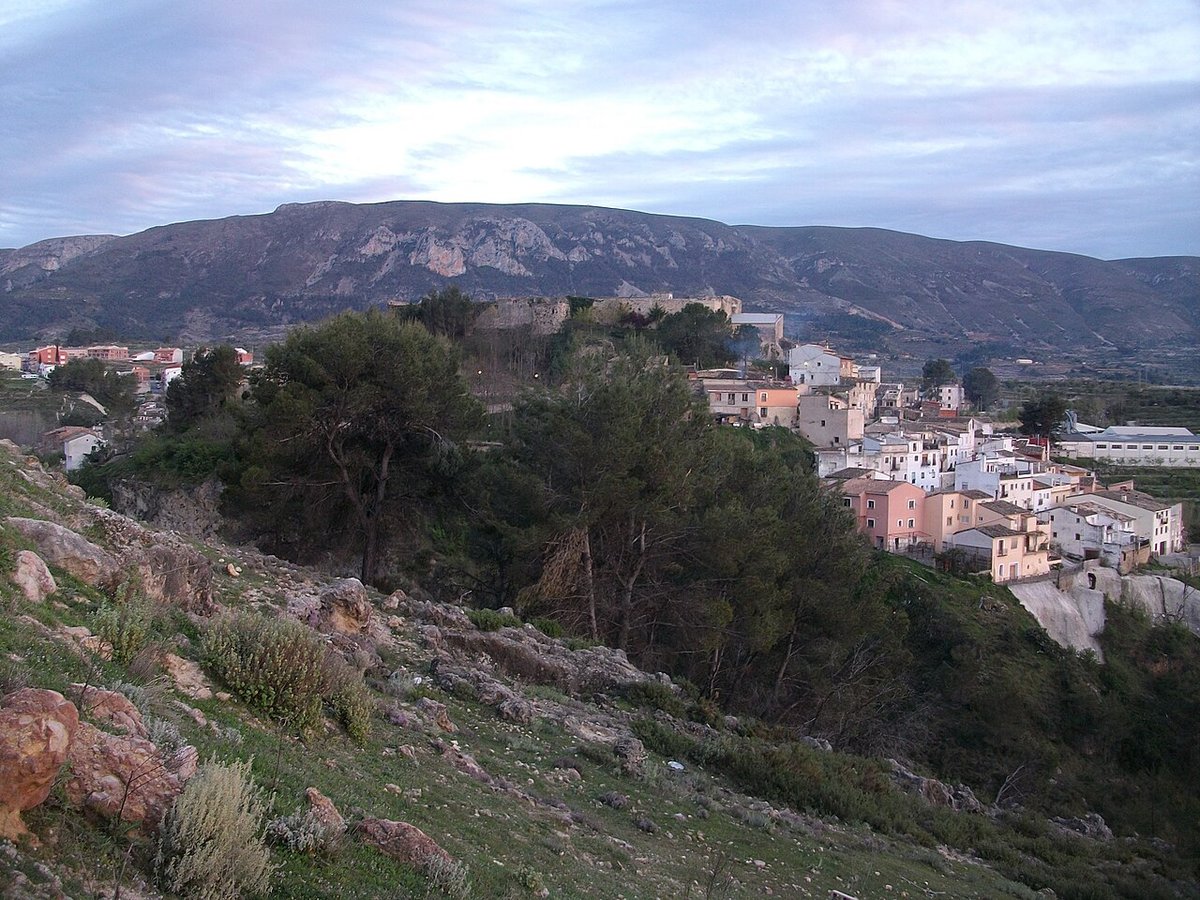
The setting is typical of inland Alicante. Terraced fields of olive trees and almond groves shape the landscape, with a little vine cultivation as well. Low hills surround the village, and the overall feel is agricultural and lived-in rather than curated for tourism.
Parking is usually straightforward near the entrances to the village or along its wider streets. The old quarter is best explored on foot. Streets there are narrow, and some slopes make manoeuvring a car awkward. Fortunately, everything can be covered on foot in a short time.
This is inland Alicante, so summer heat can be intense around midday. Morning or late afternoon are the most comfortable times to walk, especially in the warmer months.
A Walk Through the Village
The Iglesia de San Miguel Arcángel stands at the centre of Gorga. It is a simple building, similar to many parish churches found in small inland towns across the Valencian Community. If you pass through the main square, you will see it straight away.
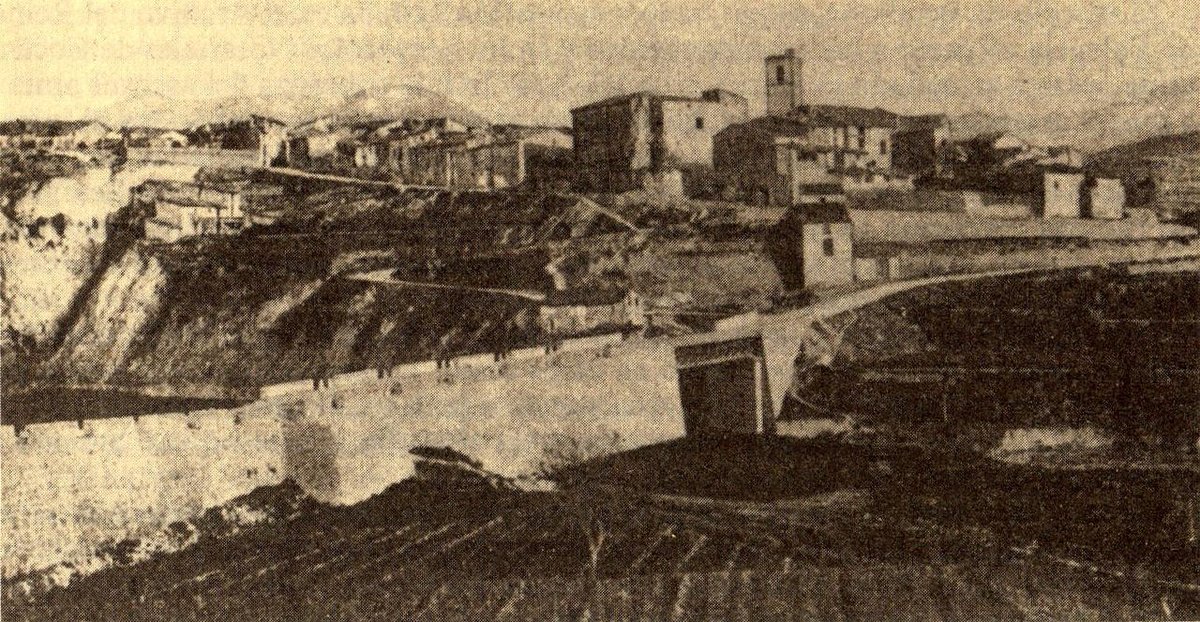
The urban centre is compact. Short streets, some on a slope, are lined with two- and three-storey houses. Many have traditional iron balconies. Some façades have been restored, while others show their age. The impression is of a place where people live throughout the year, not a village preserved purely for visitors.
A short walk towards the edges of Gorga opens up views across the valley and its terraced fields. The scenery is not dramatic, yet it represents well the agricultural landscape of El Comtat. Stone walls divide plots of land that have been cultivated for generations.
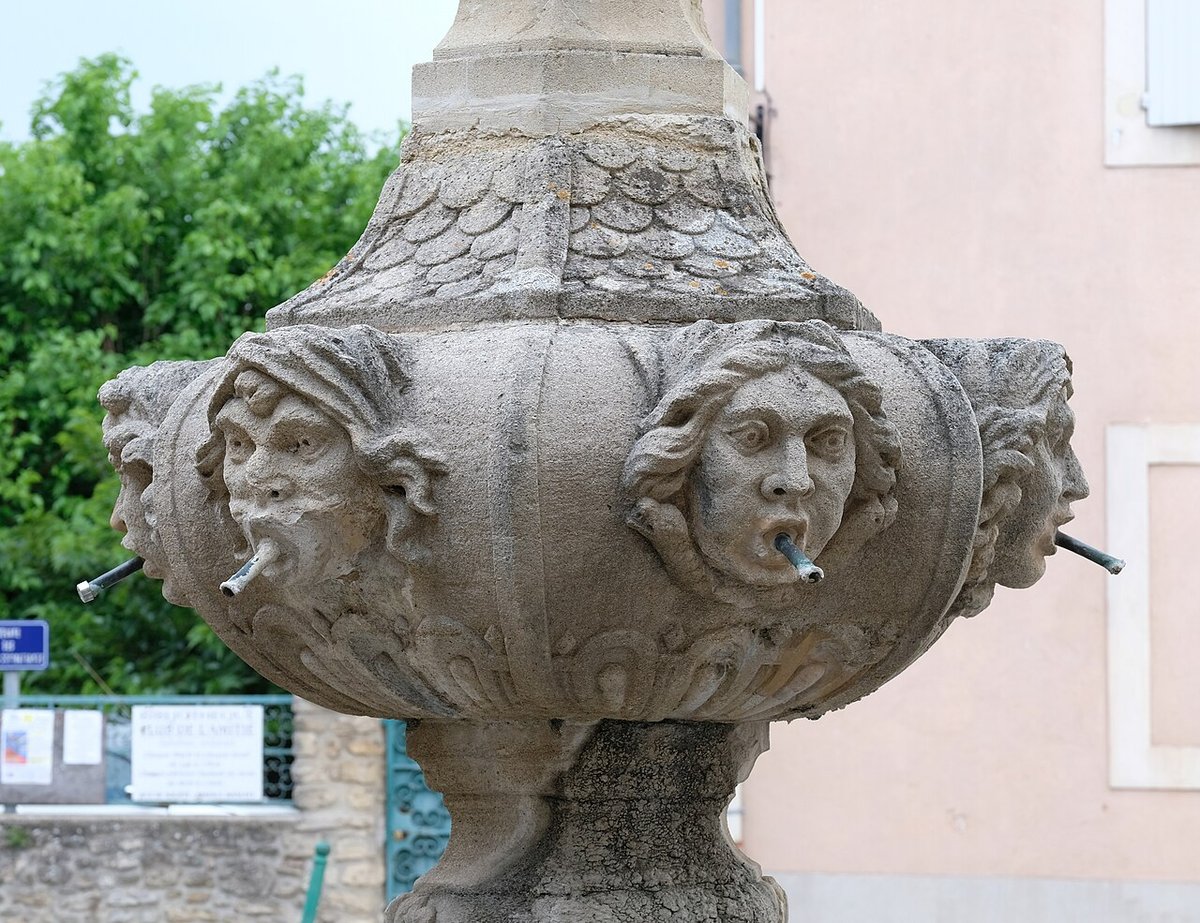
There are also a few traditional washing places and several fountains scattered around the village. These are modest features, without information panels or elaborate presentation. They offer a glimpse into how daily life once revolved around water and farming. In small inland communities like this, shared water sources were central to everyday routines.
Paths, Fields and Quiet Routes
Gorga works better as a stopping point than as a standalone destination. Many people arrive on foot or by car from other villages in the area, using it as part of a wider route through El Comtat.
Footpaths leave the village and wind between terraces and low hills. Some connect with longer routes that cross the comarca. Signage can be uneven, so it is wise to have a clear idea of your route before setting out. The terrain is rural rather than mountainous, with gentle elevations and cultivated land.
At the end of winter and the beginning of spring, almond trees come into blossom and change the look of the valley for a few weeks. The terraces fill with white and pale pink. During the rest of the year, the landscape returns to its more muted, dry tones, typical of this part of Alicante’s interior.
For rural photography, the appeal lies in simple scenes: stone walls, agricultural terraces and soft hills in the background. In an hour or two, most visitors will have seen what there is to see within the village itself. For that reason, Gorga is often combined with other nearby towns in El Comtat to create a fuller day out.
Traditions and Everyday Life
The main local celebrations are dedicated to San Miguel Arcángel and usually take place towards the end of September. These are small-scale patron saint festivities, the kind found in many Spanish villages. Religious events form part of the programme, alongside shared meals and gatherings among neighbours and people who return to the village for those days.
During summer, the town hall and local associations organise activities as well. These are mainly intended for residents rather than as attractions for outside visitors.
In winter, some families still maintain the tradition of the matanza del cerdo. This is the traditional pig slaughter, once an important rural custom that provided meat for the year ahead. Today it is more private than public, but it remains part of the cultural background of villages like Gorga.
Overall, daily life here follows a steady rhythm tied to the seasons and the surrounding fields. Agriculture continues to shape both the landscape and local identity.
When to Stop and How to Arrive
Most visitors reach Gorga from Cocentaina or from other towns in El Comtat via regional roads with plenty of bends. Driving at a relaxed pace is advisable, particularly for those unfamiliar with the area.
It is easy to leave the car near the entrance to the village and continue on foot. The compact layout means there is no need for transport once you arrive.
Spring and autumn are the most pleasant seasons for walking in the surrounding countryside. Temperatures are milder, and the light suits the agricultural landscape. In summer, avoiding the central hours of the day makes any visit more comfortable.
A simple approach works best here: stop, take a short walk and continue exploring the comarca. Gorga functions well as part of a wider journey through El Comtat, offering a brief but authentic look at inland village life in the Comunidad Valenciana.