Full Article
about Lorcha
Town on the banks of the Serpis with a Templar castle; end of the Vía Verde del Serpis
Hide article Read full article
Lorcha: El pueblo que no te espera
Llegar a Lorcha es como cuando te pierdes por una carretera secundaria y, de repente, aparece un pueblo que no estaba en el mapa mental que llevabas. No es que esté escondido, pero desde luego no está en la ruta de nadie. La CV-700 se va cerrando, las montañas se acercan por los lados y, al fondo del valle, ves un puñado de casas apretadas. Eso es todo.
Lo primero que notas es el silencio. No un silencio absoluto, sino ese de pueblo pequeño donde el sonido principal es el rumor del río Serpis y algún coche arrancando. Viven unas seiscientas personas, lo justo para que la panadería abra por la mañana y el bar de la plaza tenga su tertulia fija. Aquí el tiempo va a otro ritmo, pero sin postureo: es el ritmo de siempre.
Cómo llegar y por qué importa
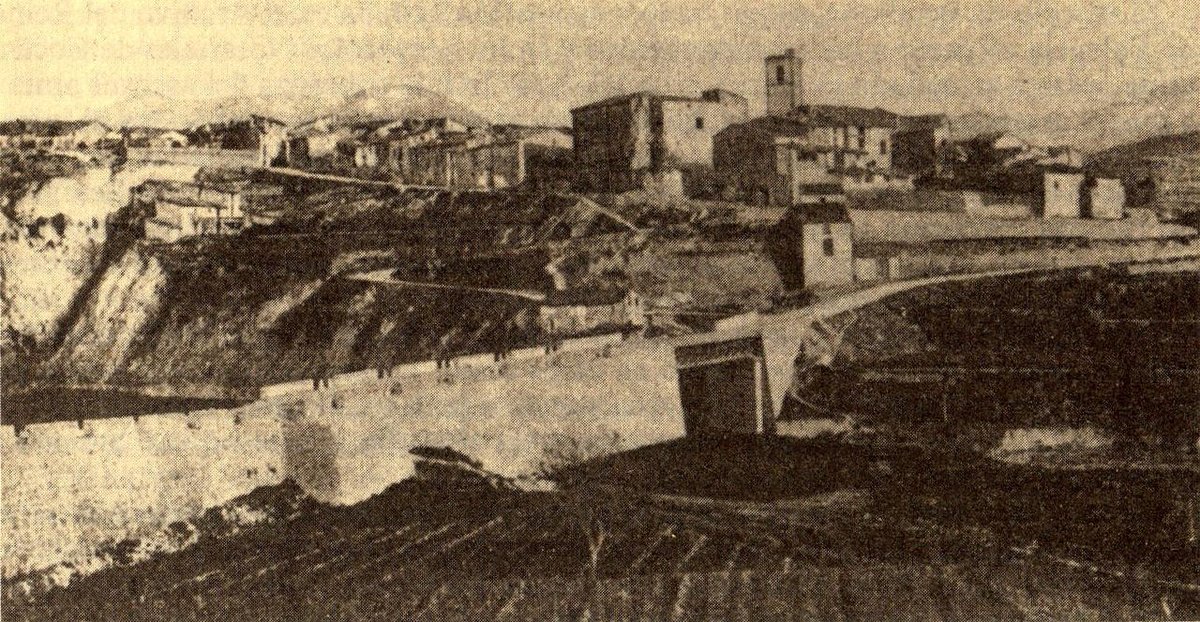
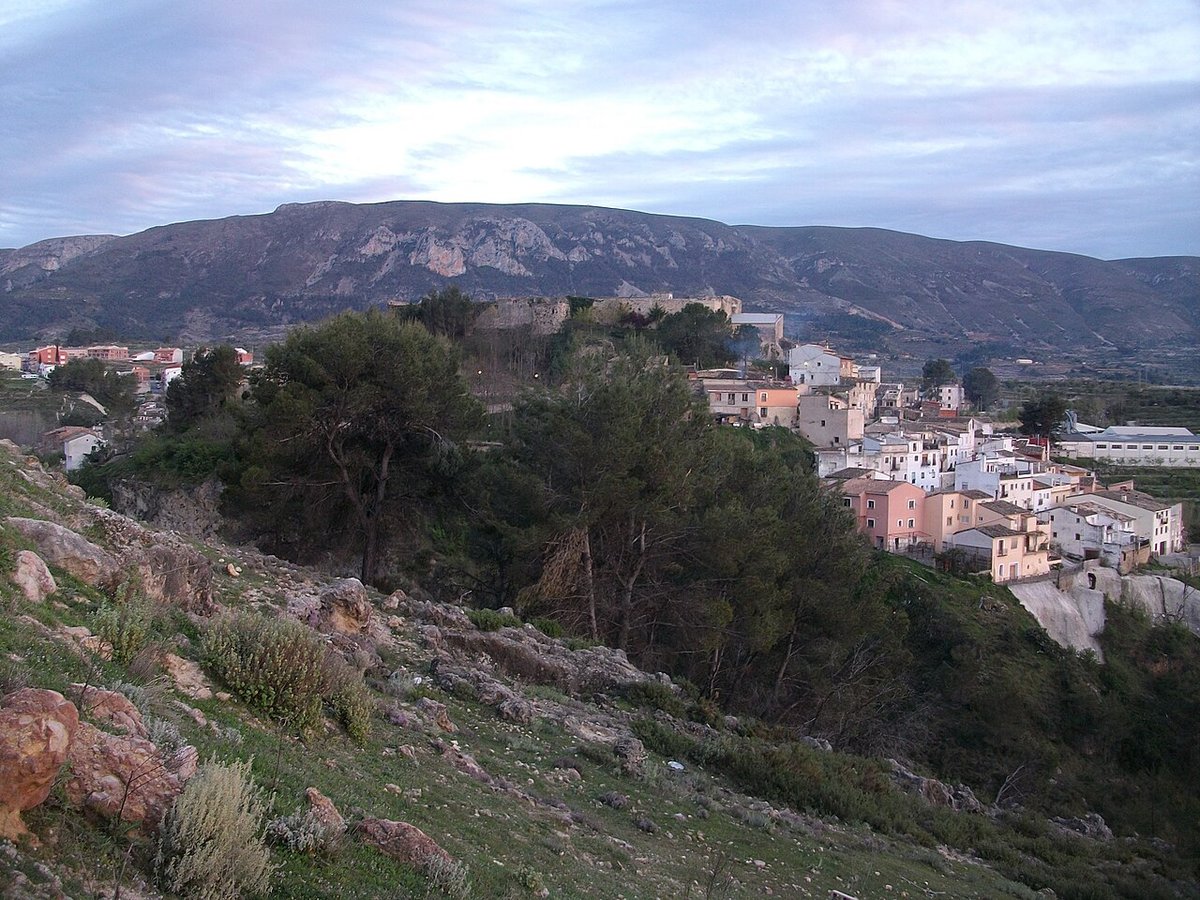
Si vienes en coche desde Alcoy o Cocentaina, la carretera ya te va preparando. Vas sorteando bancales de almendros y olivos, esas terrazas viejas que trepan por la montaña como escalones gigantes. Algunos se cultivan todavía; otros los está ganando el monte bajo. Cuando aparcas junto al río y miras hacia arriba, entiendes la clave del sitio: Lorcha no está en el valle, está incrustado en él. Las casas suben por la ladera como si intentaran no resbalar.
No hay un gran aparcamiento señalizado, pero siempre encuentras hueco junto al cauce o en alguna calle ancha de entrada. Es ese tipo de lugar donde dejar el coche no supone un problema ni un coste.
Un paseo corto y con cuesta
El núcleo antiguo se recorre en media hora, pero con piernas. Las calles suben y bajan siguiendo la pendiente natural, así que prepárate para algún repecho. Las casas son de piedra vista y paredes gruesas, con rejas de hierro en las ventanas y puertas de madera desgastada por los años.
Arriba del todo está la iglesia de San Miguel Arcángel. No es una catedral ni pretende serlo; es más bien una iglesia de pueblo grande, con una torre cuadrada que sirve de referencia desde cualquier punto. La plaza que tiene delante es el centro real de todo: aquí se ponen las sillas cuando hace buen tiempo, aquí paran los vecinos a hablar y aquí terminas tú también, casi sin querer, para sentarte un rato.
Lo mejor del paseo son las perspectivas que regalan las cuestas. En una curva puedes asomarte sobre los tejados y ver toda la franja verde del Serpis abajo. No hay miradores preparados con barandillas; son ventanas accidentales al paisaje.
La verdadera razón para venir: el camino del ferrocarril viejo
La mayoría de la gente que ves con mochila no viene solo por el pueblo. Viene por la Vía Verde del Serpis, la antigua línea ferroviaria reconvertida en sendero. Es un camino ancho y plano que sigue el río entre paredes de roca, túneles oscuros (lleva linterna) y restos de viejas estaciones.
Puedes empezar a caminar desde el mismo pueblo. En dirección norte vas hacia Planes; hacia el sur, hacia Villalonga. No hace falta hacerlo entero: mucha gente anda una hora ida y vuelta, solo por disfrutar del entorno. El río va siempre a tu lado, a veces tranquilo, otras saltando entre piedras. Es paseo accesible, bueno para familias o para desconectar sin grandes esfuerzos.
Si quieres más soledad, en cuanto te alejas un kilómetro del acceso principal ya estás prácticamente solo.
Senderos con vistas (y con pierde)
Si lo tuyo es sudar un poco más, las montañas que rodean Lorcha están cruzadas por caminos rurales. Suben fuerte desde el primer momento –esto no es un parque temático– pero en media hora ya tienes una vista completa del valle.
Desde arriba se entiende todo: cómo el pueblo ocupa solo un pliegue del terreno, cómo el Serpis serpentea buscando salida y cómo los bancales dibujan líneas en las laderas. Es un paisaje áspero pero hermoso, mitad cultivado mitad abandonado a la maleza.
Lleva agua calzado cómodo porque aquí no hay fuentes cada dos por tres ni barras para descansar. Eso sí tampoco verás a casi nadie
Vida local sin florituras
Lorca tiene sus fiestas como cualquier pueblo sobre todo las de San Miguel a finales de septiembre Ahí sí se llena de gente música en la plaza y olores a leña y paella Son fechas auténticas porque son para los vecinos; tú simplemente estás invitado
El resto del año la rutina manda Por eso funciona bien como base tranquila: comes bien (la cocina es contundente como corresponde al interior) duermes mejor aún escuchando solo al río Y al día siguiente te calzas las botas otra vez
¿Merece una visita específica? Si buscas monumentos espectaculares o ambiente turístico no Pero si lo que quieres es pasar un finde caminando por un valle bonito sentarte en una plaza sin ruido y dormir en un sitio donde nadie te vende nada entonces sí Tiene esa virtud modesta