Full Article
about Planes
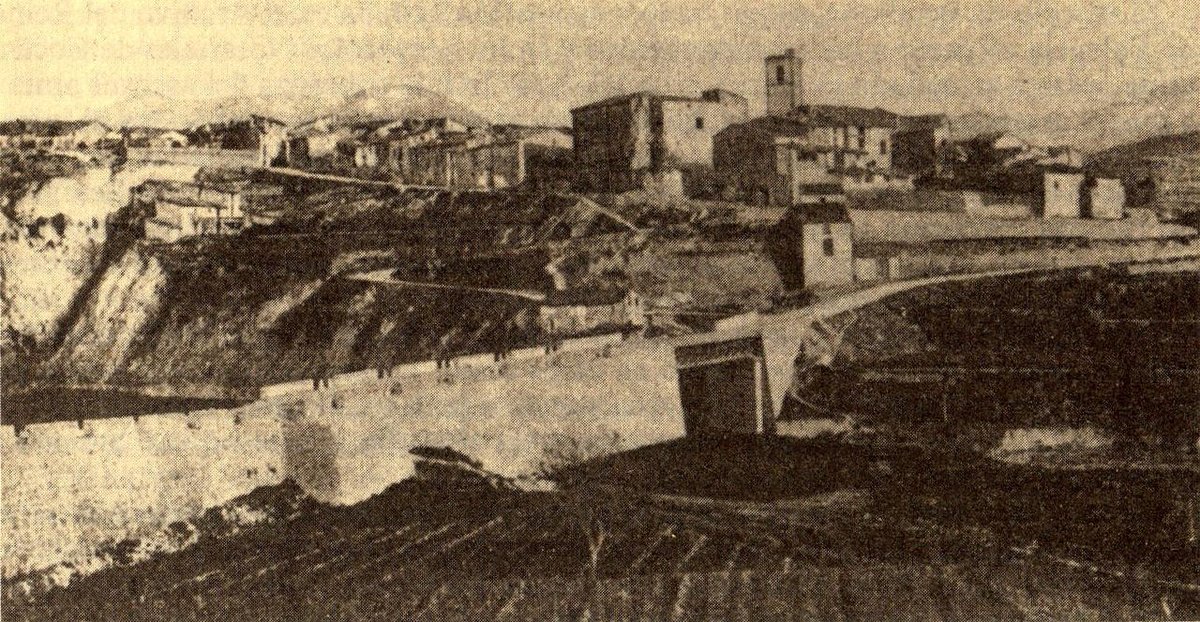
Town dominated by a castle and aqueduct; known for the Barranco de la Encantada.
Hide article Read full article
At eleven in the morning the light enters at a precise angle between narrow stone streets. It bounces off the façades and leaves ochre and grey tones on the walls. Silence is broken by footsteps on cobbles and the call of a blackbird hidden among the rooftops. That is how a morning usually begins in Planes, in the comarca of El Comtat: slowly, quietly and with few people about.
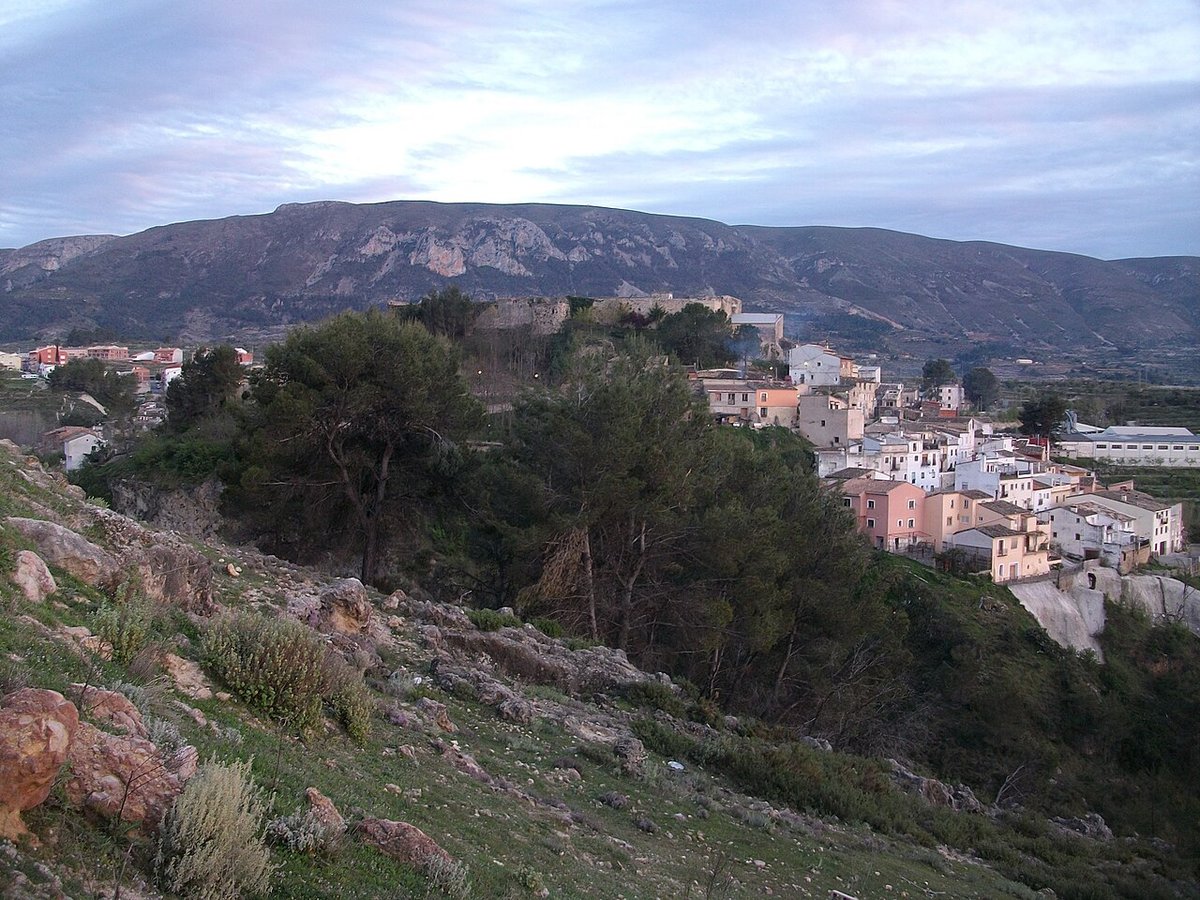
The village sits between low mountains, halfway between ravines and terraces of olive trees. With just over six hundred residents, it is small enough to explore without rushing. A visit here is mostly about walking and observing.
Through the historic centre
The old quarter keeps an irregular layout. Streets narrow, then open out again without warning. Many climb gently towards small clearings where you might hear running water or come across an old wooden doorway.
The parish church of San Bautista marks the centre of the village. Its tower can be seen from various points in the valley and becomes a useful reference when the streets begin to twist. The building is austere. Thick walls, a simple bell tower, pale stone that shifts in tone depending on the hour.
As you walk, worn arched portals appear, along with iron balconies where pots of rosemary or geraniums grow. There is no need to search for a specific corner. Pausing for a few minutes is enough to notice the scent of orange blossom when it is in season, or the echo of footsteps in the tightest streets.
Planes does not present itself through grand landmarks. It reveals itself in small details: the texture of stone, the play of light, the quiet rhythm of a place that carries on at its own pace.
Water in daily life: Fuente del Molino and the washhouses
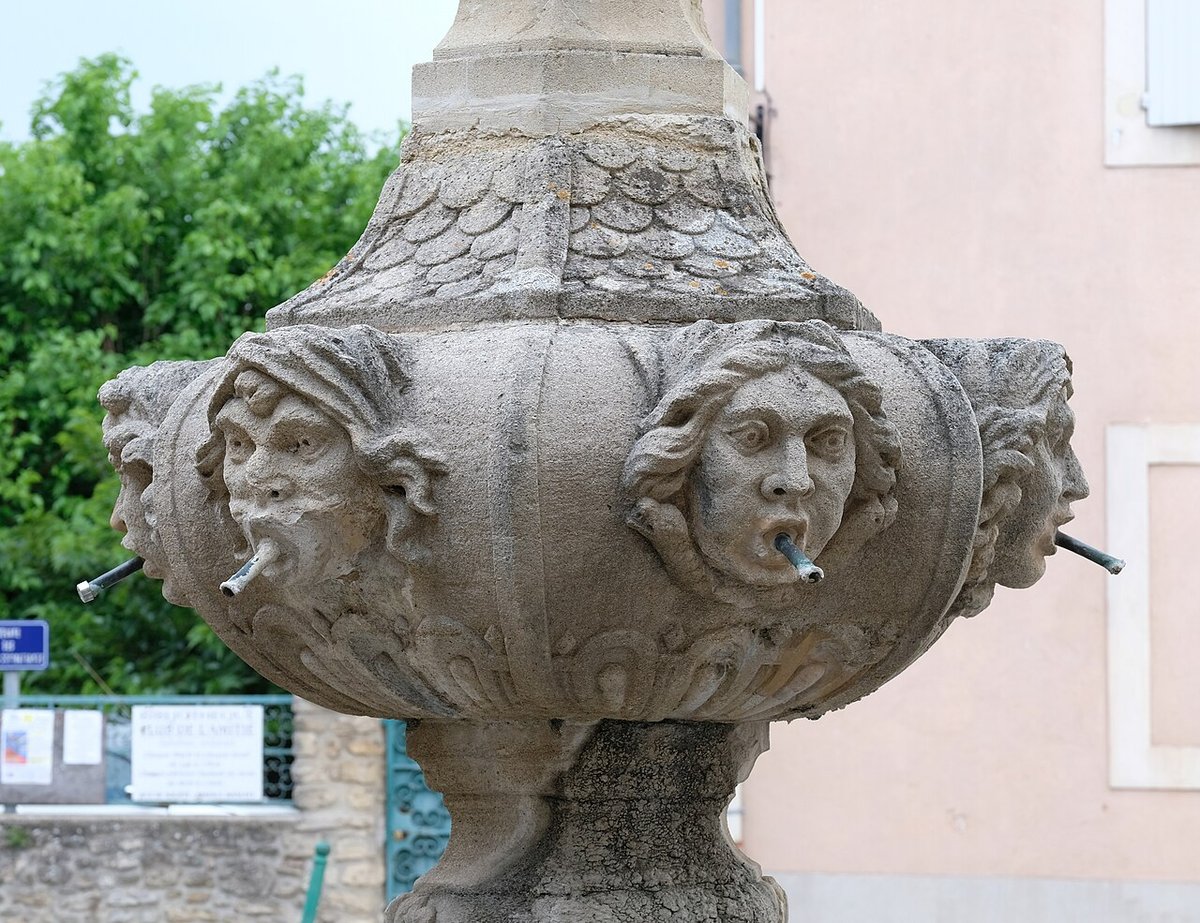
On one side of the centre stand the Fuente del Molino and the old washhouses. They are modest spaces, yet they help explain how daily life once functioned here.
Water still runs through the stone channels. Often it is heard before it is seen. The spot remains in shade for much of the day, and in summer the cool dampness held between the walls offers relief from the heat.
These structures point to a time when water was a shared resource and part of everyday routines. There are no grand architectural gestures here, only practical design shaped by need and climate. The sound of water against stone becomes the main feature.
The hermitage and the valley
On a small rise just outside the village stands the hermitage of San Antonio. The path climbs between fields and takes around twenty minutes if walked at an easy pace.
From the top the landscape opens up. Olive groves spread across the slopes, hills covered in scrub stretch into the distance, and the uneven lines of terraced fields trace the contours of the land. When there is a breeze, the smell of thyme or dry earth drifts through the air. Towards sunset the light falls sideways and the valley shifts into softer tones.
Comfortable footwear is advisable. The path is straightforward, though there are sections with loose stones underfoot.
The hermitage itself forms part of the wider rural setting rather than dominating it. The appeal lies as much in the walk and the changing perspective as in the building.
Walking in El Comtat
Planes also works well as a quiet base for exploring the surrounding area. Close by are the sierras that encircle El Comtat, with paths crossing pine woods, ravines and former farmland.
In spring the hills carry a strong scent of rosemary and lavender. The air changes subtly with each step. Many routes pass through terraces of olive and almond trees. When the almonds are in blossom, the landscape becomes noticeably lighter, almost white on certain days in February.
Summer requires some planning. It is best to avoid the central hours of the day if the intention is to walk. Heat clings to stone surfaces and to paths without shade, making even short distances more demanding.
The appeal of these walks lies in their continuity with the village itself. Terraces, dry-stone walls and cultivated plots form part of the same story, linking the settlement to its surroundings.
When to visit and what to expect
Local festivities follow a fairly traditional calendar. Around San Antonio Abad, in winter, there is usually a blessing of animals. In June the celebration linked to San Bautista, the town’s patron saint, takes place. During August the village becomes livelier, largely because people return for their holidays.
Even so, Planes does not revolve around visitors. For most of the year the atmosphere remains calm. On weekdays, especially in the morning, the streets can be almost empty.
Spring and autumn tend to be the most comfortable seasons for walking. Temperatures allow for unhurried exploration, and the landscape shifts in colour. Blossoms in late winter, deeper greens in spring, more muted tones as the year moves on.
Visitors should not expect a packed programme of attractions. The experience here is quieter. It is about light changing on stone, the scent of aromatic plants carried on the breeze, and the feeling that time moves at a slightly different speed.
Reaching Planes by road
From Alicante, the usual approach is towards Alcoy and then onwards along the CV‑700. The final stretch winds between low mountains and shallow ravines.
The road is not particularly difficult, though it narrows in places. It is sensible to drive without haste and to allow a little extra time if arriving towards the end of the day, when light fades quickly between the mountains.
Planes does not offer large monuments or a long list of sights to tick off. What remains is something simpler: stone streets, the scent of herbs, and a steady, unhurried rhythm shaped by landscape and habit.