Full Article
about Tollos
One of the smallest and highest villages; a natural balcony of total peace
Hide article Read full article
Arriving in Tollos
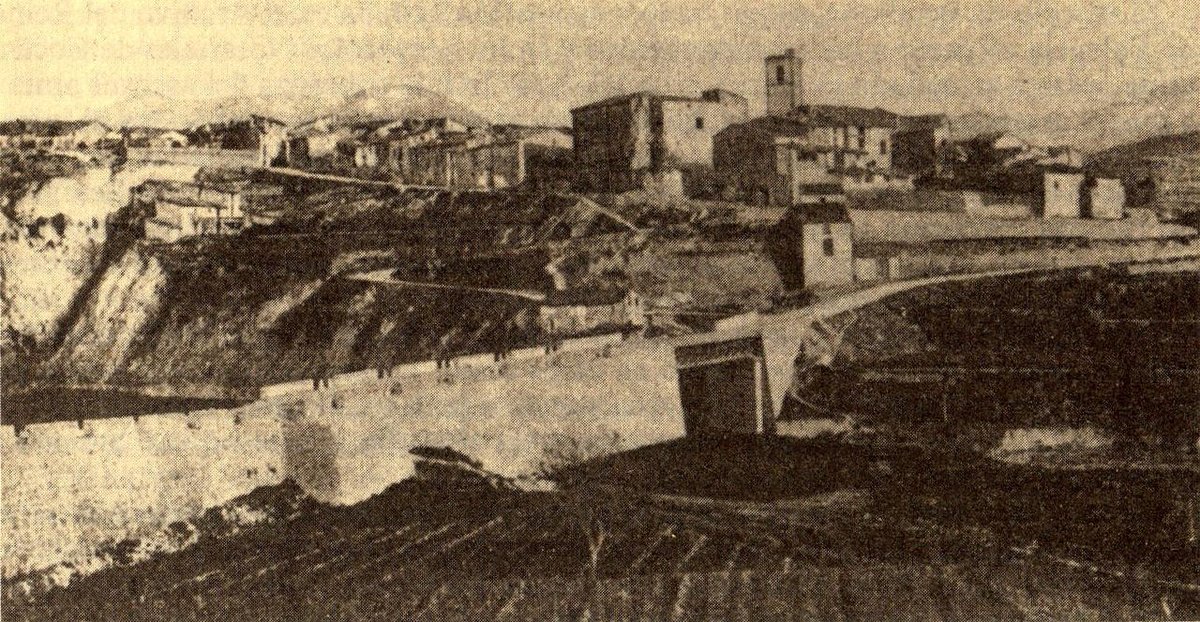
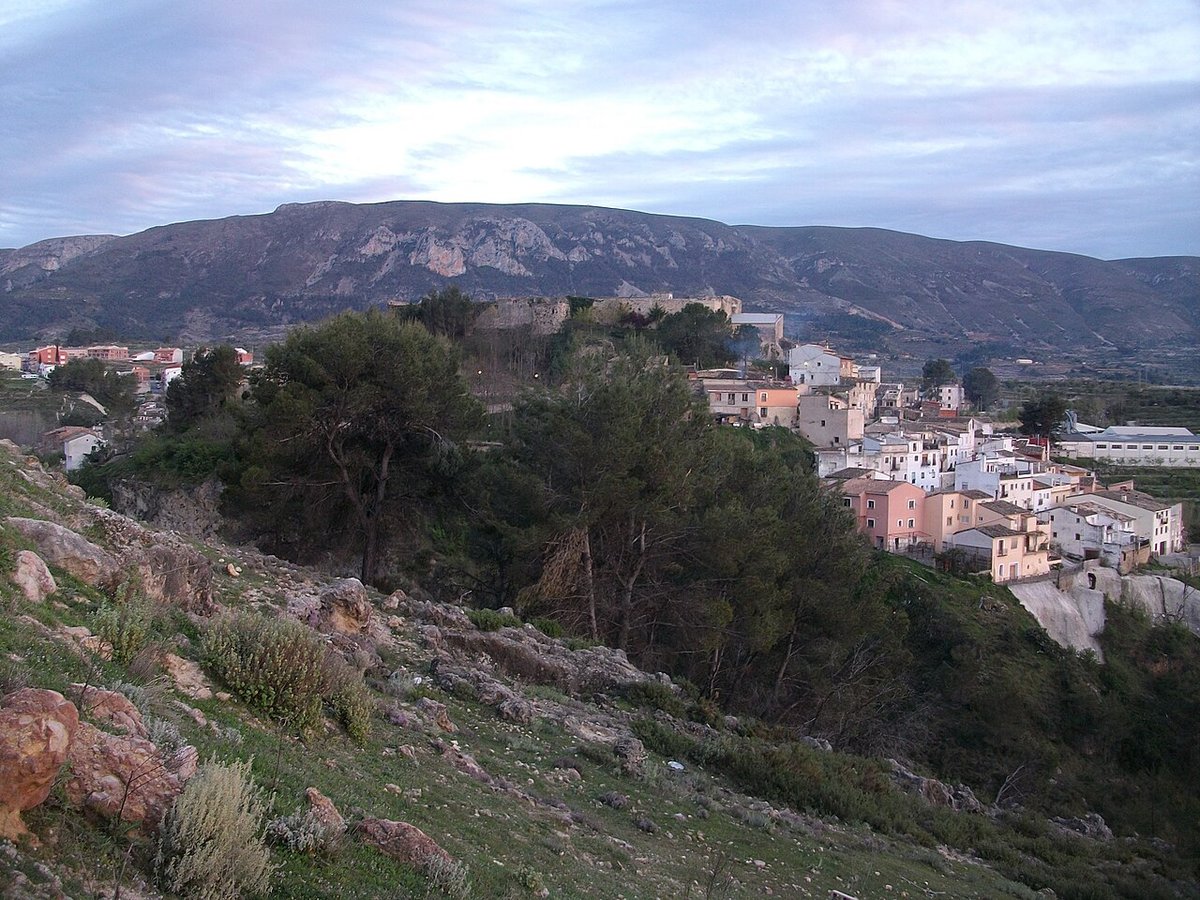
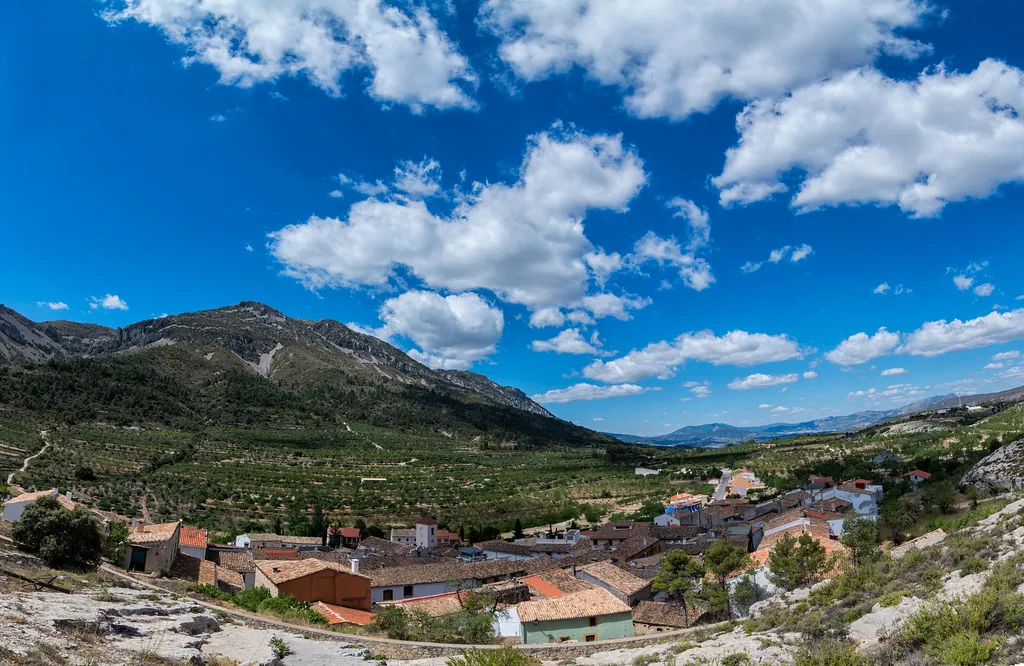
Some places are reached almost by accident, as if the road simply happens to lead you there. Tollos is one of them. You wind your way up the quiet roads of El Comtat, in the north of Alicante province, and the landscape grows drier, more terraced, more exposed. Then the village appears. A small cluster of houses, a deep stillness, and the sense that life moves at a different pace here.
Tourism in Tollos does not operate in the way it does elsewhere. There are no hotels, no shops geared towards visitors, no Sunday-excursion atmosphere. With just over thirty registered residents, the village feels turned inward rather than outward. What you find is a compact settlement, narrow streets and terraces of almond and olive trees surrounding it. The kind of place where, if you pass someone in the street, you will almost certainly be greeted.
A Small Urban Core Without Pretence
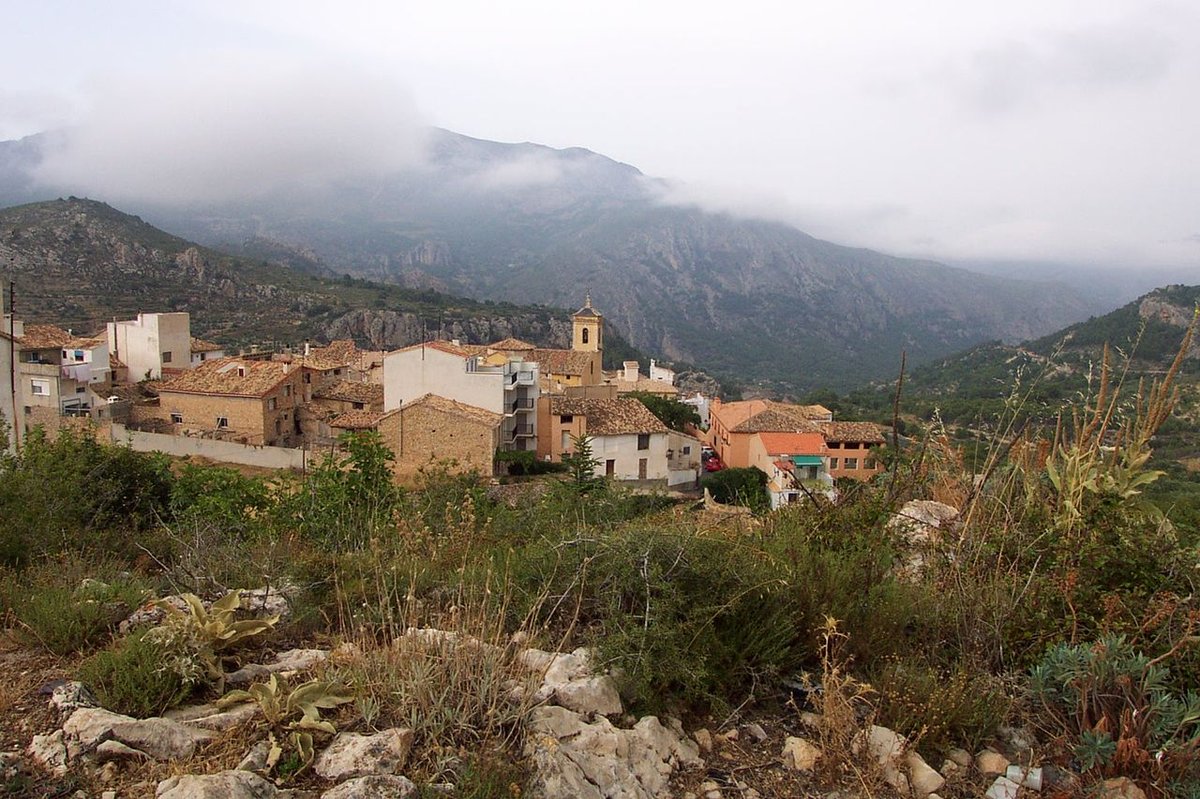
The centre of the village revolves around the parish church dedicated to San Antonio de Padua. The current building is generally dated to the 17th century, constructed over an earlier temple. It is not monumental. Instead, it is sober and solid, like many churches in the interior of Alicante province, with thick walls and a practical mountain-village appearance.
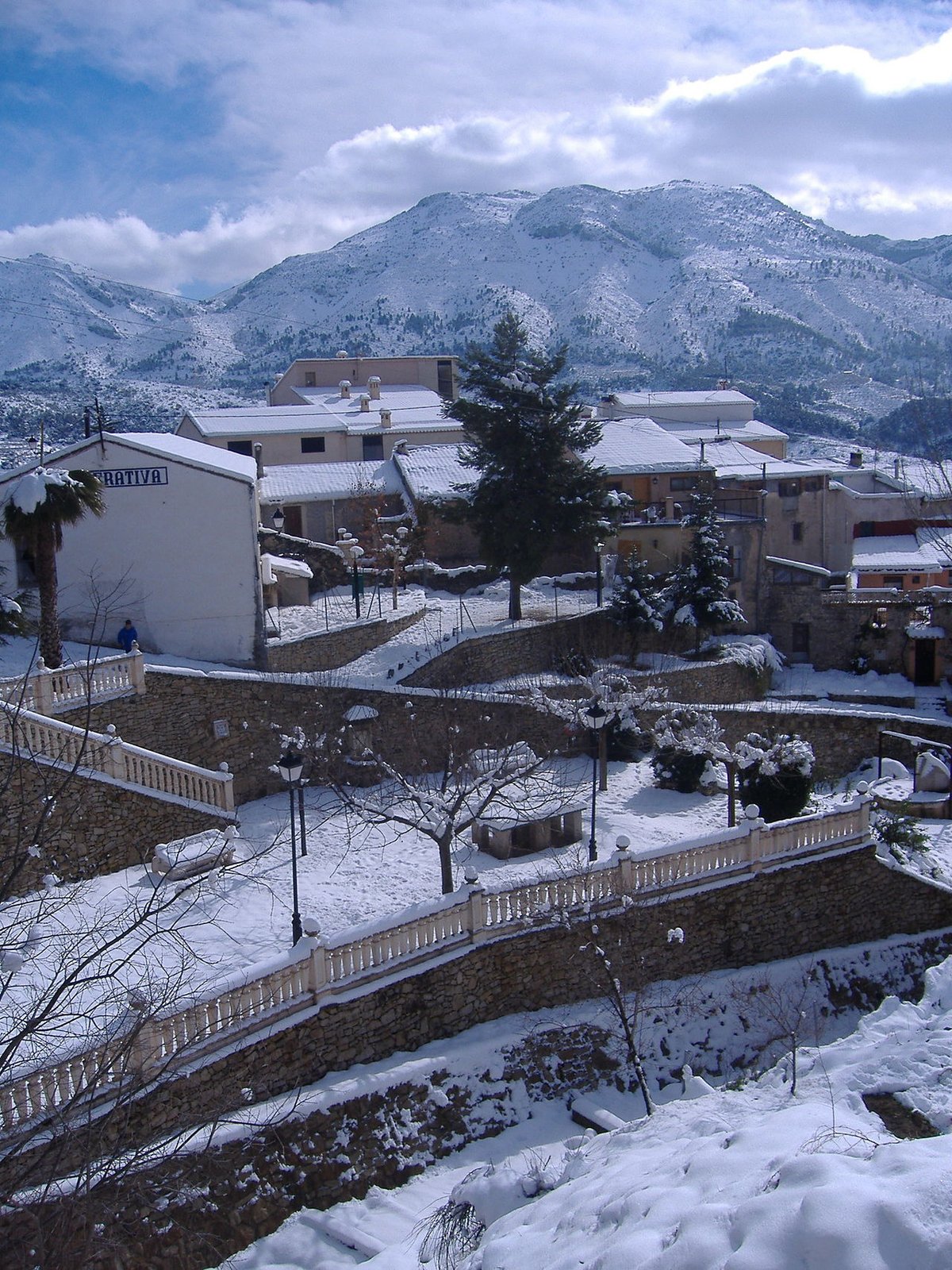
The houses follow a similar pattern. Rubble masonry, pale plaster, curved roof tiles and small windows define the streets. In some courtyards you can still spot old bread ovens or aljibes, traditional cisterns used to collect rainwater. These details reveal themselves when you wander without hurry, pausing at doorways and corners.
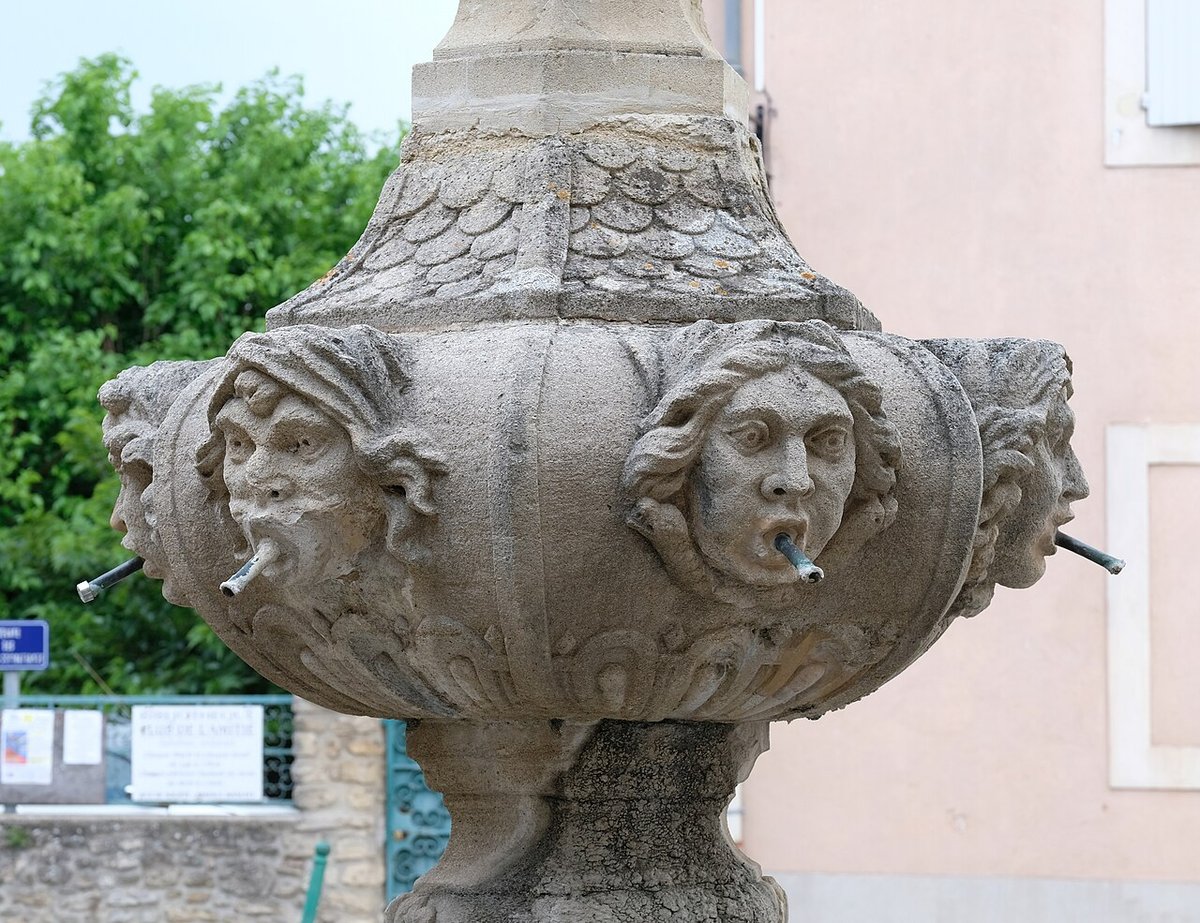
There is little mystery to the layout. A handful of streets intersect to form a compact nucleus that can be covered in half an hour. It is worth slowing down. An old iron grille, a wooden door bowed by time, or a simple fountain where neighbours still come by, can say more about Tollos than any grand monument.
The Landscape That Shapes It
If Tollos makes sense anywhere, it is in the countryside that surrounds it. The stepped terraces wrapping around the village tell the story of how this land has been worked for generations. Almond and olive trees dominate, and the dry-stone walls carve lines across the slopes as though drawn by hand.
When the almond trees blossom, usually between late winter and early spring if the weather cooperates, the valley changes completely. Pale flowers stand out against the silvery tones of the olive groves. Even those who rarely take photographs may find themselves reaching for their phone.
A short distance from the village centre you will often hear mention of the Fuente de Tollos. It is a simple spot where water has served for years as a point of reference for anyone walking in the area. It is not a dramatic natural setting, yet it helps explain how life here was organised around reliable water sources.
Rural tracks link Tollos with nearby villages such as Benimassot and Famorca. Some routes are signposted, others are little more than agricultural paths that have always been there. For those who enjoy walking without too much difficulty, the terrain is generous: gentle inclines, open views and a great deal of quiet.
Paths, Dark Skies and Open Horizons
Several straightforward walking routes begin in and around Tollos. These are not major long-distance trails but local paths that pass scattered masías, traditional rural farmhouses, and former fields. It is common to come across half-abandoned agricultural buildings that hint at a time when the valley supported a much larger population.
At night, the village changes again. With so little artificial lighting, the sky can be surprisingly clear. On some summer nights, the Milky Way is visible to the naked eye. In much of Europe that is no longer a common sight, but here it still happens.
The area also appeals to those interested in landscape photography. There are no formal viewpoints with railings or information boards. Instead, there are small roads and low hills from which you can watch the terrain of El Comtat unfold in layers towards the horizon. The appeal lies in its simplicity.
Seasons in Tollos
Each season brings its own small shift in the surroundings of Tollos. In autumn, when the first rains arrive, nearby pinewoods tend to attract people searching for mushrooms. It is not an organised or large-scale activity. Rather, it is part of a long-standing custom of heading into the hills with time and a basket.
Spring is often the most rewarding period for walking, thanks to the almond blossom and mild temperatures. In summer the sun can be intense during the day, yet evenings in these inland villages are usually manageable, with cooler air settling in after sunset.
As for food, the village itself has no bars or restaurants open on a permanent basis. From time to time, however, local products appear: olive oil, almonds or honey from nearby hives. These are not marketed as attractions. They are simply part of a way of life that has continued because it has always been there.
Fiestas and Village Life
The patron saint festivities are usually held in mid-August in honour of San Antonio. They are small celebrations, centred on neighbours and family members who return to the village for those days. Simple processions, music and a lively atmosphere in the square define the occasion.
Beyond the fiestas, life in Tollos follows a quieter rhythm. With so few inhabitants, daily routines matter more than spectacle. Conversations in the street, seasonal agricultural work and the gradual passing of the year shape the experience of the place.
Tollos does not offer a checklist of attractions. It offers something subtler: a compact village in El Comtat where architecture, agriculture and landscape remain closely linked. It is a setting where the terraces explain the houses, the church anchors the streets, and the silence at night reminds you how rare true darkness has become.