Full Article
about Cinctorres
Town in the Els Ports region with Gothic palaces and dinosaur sites; medieval history meets paleontology in a mountain setting.
Ocultar artículo Leer artículo completo
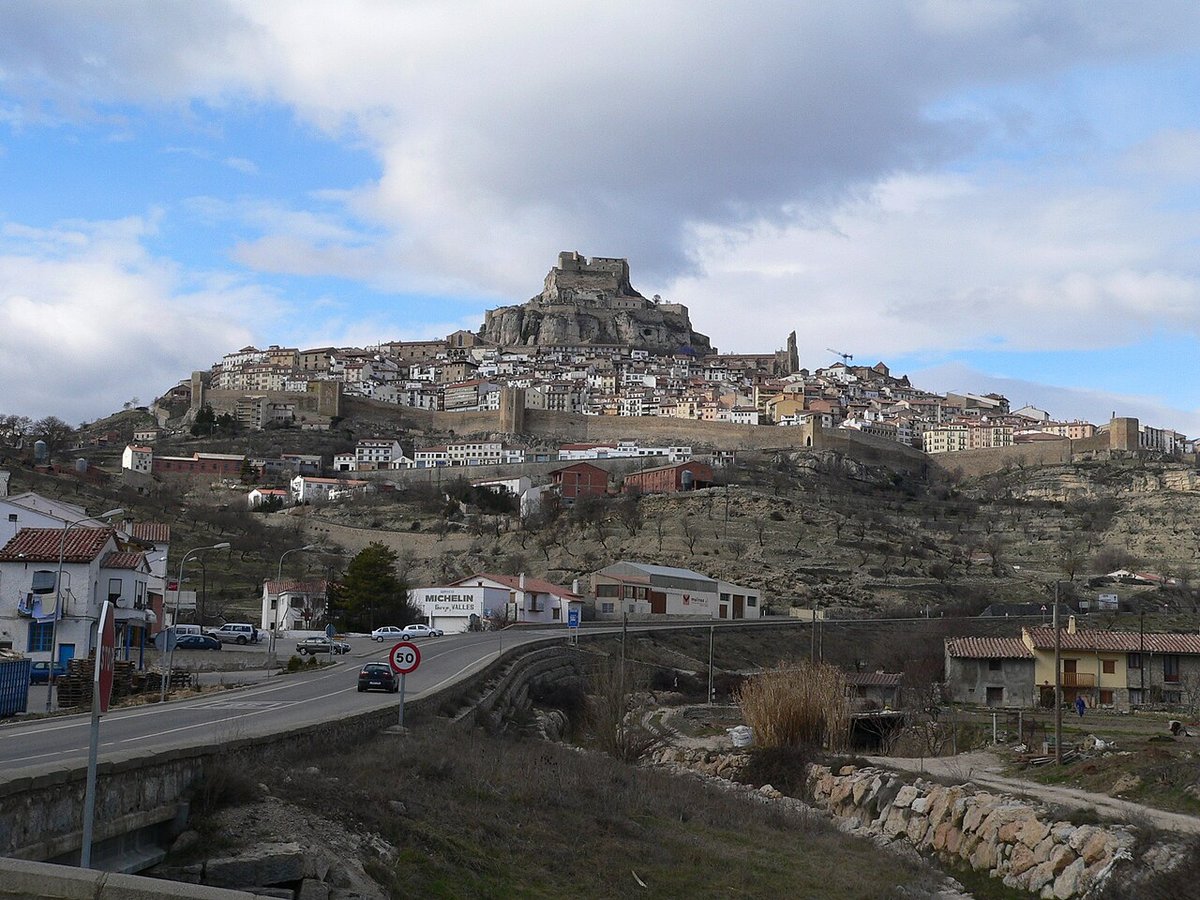
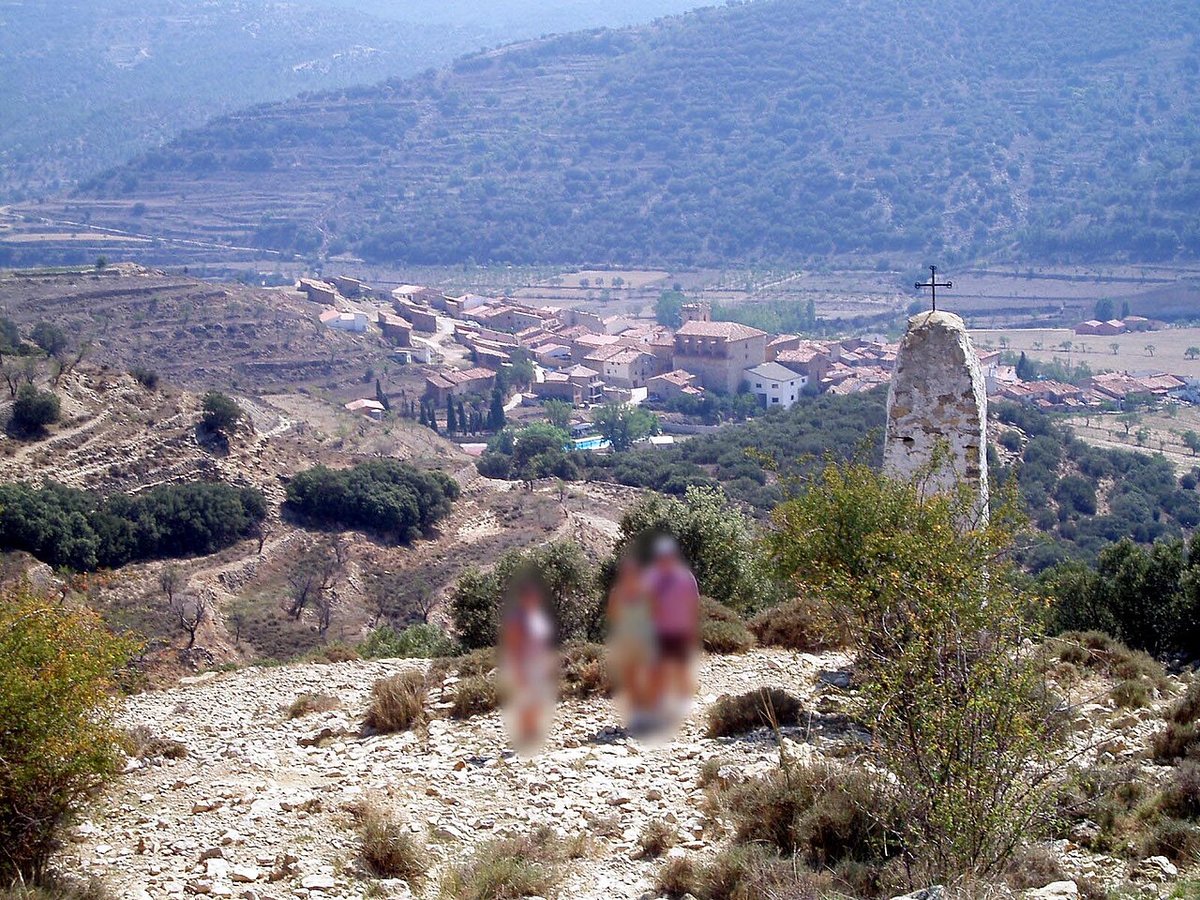
The tractors start at six. Not the polite hum of a country hotel lawn-mower, but the proper diesel clatter of a Massey Ferguson heading out to work stone terraces that were already old when Wellington was marching round Spain. From 907 metres up, Cinctorres looks down on the Costa Blanca’s beach towels, yet the village has never bothered with sea views. Up here the currency is rainfall, not sun-lounger occupancy, and the horizon belongs to the 14 km-long ridge of Els Ports rather than the Mediterranean.
Stone, Snow and Sensible Shoes
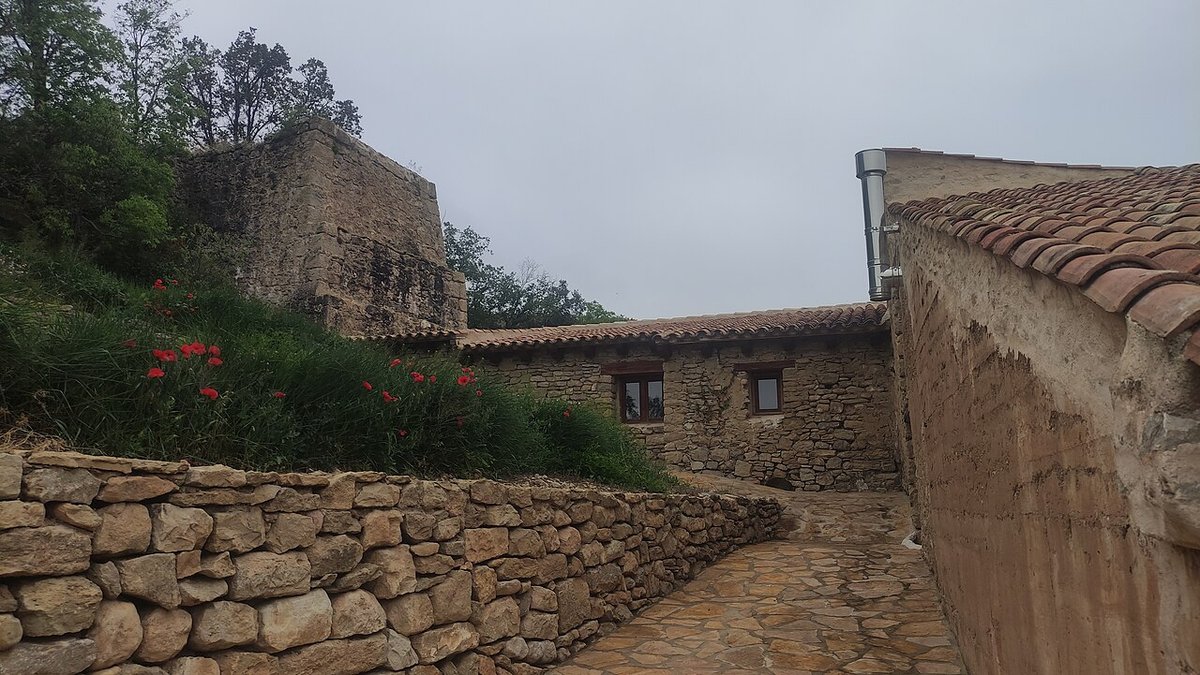
Limestone built the place, and limestone still dictates the rhythm. Houses are the colour of winter mist, roofs pitched steep enough to shrug off the snow that arrives most January nights and can linger for a week. Streets bend and narrow because they were laid out for mules, not Minis; anyone arriving with a wide hire-car learns the geometry the hard way. Parking is free on the upper ring-road, but the final 50 metres to the church square are best done on foot unless you fancy folding mirrors with the villagers watching.
Summer brings relief rather than heat. While Benidorm swelters at 35 °C, Cinctorres tops out at 28 °C and the breeze smells of pine resin, not sun-cream. Even in August locals keep a jacket by the door for after midnight when the temperature slips below 15 °C. The altitude is high enough to notice on the first evening’s stroll; British visitors used to sea-level Costa holidays often find themselves unexpectedly short of breath climbing the lane to the cemetery, a neat excuse to stop and read the dates on the stone tombs—many carry surnames that emigrated to Castellón factories in the 1960s and never came back.
A Church Bell That Doubles as the Weather Forecast
Sant Pere’s bell tower is the village barometer. When cloud sits level with the belfry, rain will reach the farms within the hour; when the tower stands clear, farmers cut hay. The church itself is pure function—stone, lime mortar, timber roof—restored last in 1892 after lightning split the earlier tower. Inside, the paintwork is limited to ochre bands that stop exactly where the budget ran out, a honesty modern renovations often try to hide. Mass is still sung in Valencian at 11:00 Sundays; visitors are welcome but the priest keeps the service brisk because the one restaurant opens at 13:30 sharp and nobody wants cold migas.
Around the square the houses have the modest detail of people who expected hard winters. Iron balconies are forged from old agricultural implements; if you look closely you can still recognise harrow teeth repurposed as railing bars. Ground floors once sheltered animals—stone troughs now hold geraniums—and upper floors are reached by external stairs that turn 90 degrees to block the north wind. The overall effect is less “chocolate-box” than “tool-box”: everything has a job, even if the original use has been forgotten.
Maps, Mushrooms and the Missing Bus
Walking starts directly from the tarmac. A yellow-arrowed footpath, the PR-CV 147, leaves by the old laundry trough, drops into a pine ravine and re-emerges two hours later on a limestone bluff overlooking the Matarranya valley. The trail is way-marked but mobile coverage is patchy—download the route to your phone before you leave the UK, or better, pick up the 1:30,000 “Els Ports” map from the tobacconist in nearby Morella. June brings lavender and mountain thyme; October delivers chestnuts and the first chanterelles. Mushroom picking is free with a regional permit printed online, yet the villagers appreciate a “bona seta” greeting and the unwritten rule: never take more than your hat can hold.
Sunday hikers expecting an ice-cream van at the summit will be disappointed. The only refreshments are the public fountain at Font de la Dona, where the water tastes faintly of iron and is safe to drink. Carry a bottle and, if you plan a full circuit, a sandwich because the bar back in the square shuts at 15:00 and does not reopen until 19:00. The absence of catering is deliberate: Cinctorres has never aimed to be a staging post, merely a place where you are welcome to pass through quietly.
Lamb, Thyme and the Card Machine That Never Works
Food is mountain-plain. The daily menu at Bar-Restaurante Els Ports runs to three courses plus a carafe of local wine for €14, but the owners only lay tables if at least six people appear. Call ahead (they understand WhatsApp voice messages in slow Spanish) or be prepared to wait while the cook lights the wood grill. Lamb shoulder is the signature dish, roasted with garlic and wild thyme picked from the path you walked that morning; it feeds two easily. Vegetarians get escalivada—aubergine and red peppers charred, peeled and dressed in olive oil—followed by coca de tomata, the thin Valencian cousin of pizza. Dessert options hinge on what the baker in Morella delivered: almond tart if you are lucky, factory ice-cream if the van broke down. Payment is cash only; the card reader “only works when the weather is from the east,” a phrase you will hear repeated like a village motto.
Breakfast is DIY. The grocery opens 09:00–13:00, sells crusty barra bread at €0.90 and will slice Serrano off the bone while you wait. There is no café con leche to go; instead buy a carton of UHT milk, borrow the aluminium coffee pot from your casa rural and learn why Spanians never rush mornings. If you forgot a travel kettle, ask—half the British guests before you have left one behind and the owners keep a cupboard of discarded electricals labelled “kettles for the English”.
When to Come and When to Stay Away
April and late-September give the best compromise: daylight until 20:00, night-time temperatures above 5 °C and only the occasional muddy day. May is orchid month on the lower slopes but also when local hunters still exercise dogs at dawn—stick to marked paths and wear something bright. August fiestas fill the square with ageing DJs playing Spanish eighties rock; rooms are scarce unless you book the casa rural before Easter. Winter can be magical—snow on roof ridges, lamb stew every day—but the CV-14 is salted, not gritted, and the last 4 km climb into Cinctorres becomes a toboggan run after 21:00. Chains are rarely checked by police, yet the local tow-truck charges €120 after the first skid into a stone wall.
Public transport is essentially fiction. School buses serve Morella at 07:10 and 14:00 on term-time weekdays; outside those hours you need wheels. Car hire from Valencia airport takes 2 h 15 min via the A-7 and CV-14, the final stretch a roller-coaster that drops 600 metres in 12 km. Fill the tank at La Jana services—once you leave the motorway petrol stations close for lunch. A new Castellón airport offers summer Ryanair flights from Stansted; from there it is 1 h 30 min on emptier roads, making Friday-to-Monday feasible without the Valencia dash.
Leaving Without a Fridge Magnet
There is no souvenir shop. The village treasurer sells stamped postcards from the ayuntamiento window on Tuesday mornings, but you will search in vain for a fridge magnet shaped like Sant Pere. What travels home instead is the smell of woodsmoke on a jacket collar, the taste of thyme that lingered in a water bottle, and the realisation that somewhere in the Mediterranean basin life still times itself by lambing season rather than the cruise-ship calendar. Bring back the empty map marked with your own footnotes, and leave the stone exactly where you found it—Cinctorres has plenty, and the next walker will want the same view.