S. Ludovici Bertran Valentini, Dominicani, Beatificatione Urbs Mater exultat (1608).jpg
AnonymousUnknown author · Public domain
Comunidad Valenciana · Mediterranean Light

Herbés

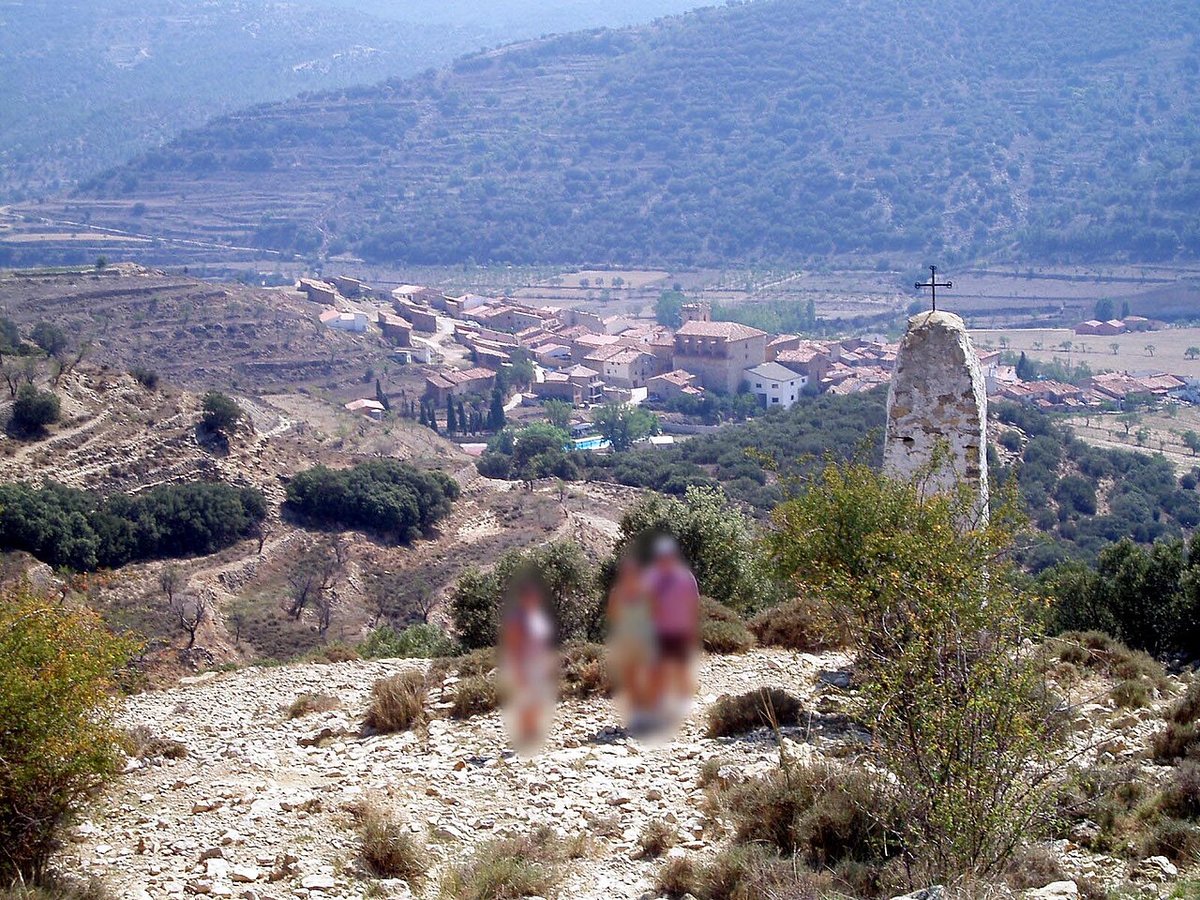
The church bell strikes eleven and the sound ricochets across the valley like a stone skipping over water. From Herbés' highest lane, you can watch...

62 inhabitants
768m Altitude

Why Visit

Mountain Herbés Castle Visit the castle exterior

Best Time to Visit

summer

San Bartolomé Festival (August) agosto

Things to See & Do
in Herbés

Heritage

  • Herbés Castle
  • Church of San Bartolomé
  • Shrine of the Virgen del Sargar

Activities

  • Visit the castle exterior
  • Botanical hiking
  • Rural photography

Festivals
& & Traditions

Fecha agosto

Fiestas de San Bartolomé (agosto)

Las fiestas locales son el momento perfecto para vivir la autenticidad de Herbés.

Full Article
about Herbés

A picturesque village in the north of the province, with an inhabited baronial castle; stone-and-timber architecture in a quiet mountain setting.

Ocultar artículo Leer artículo completo

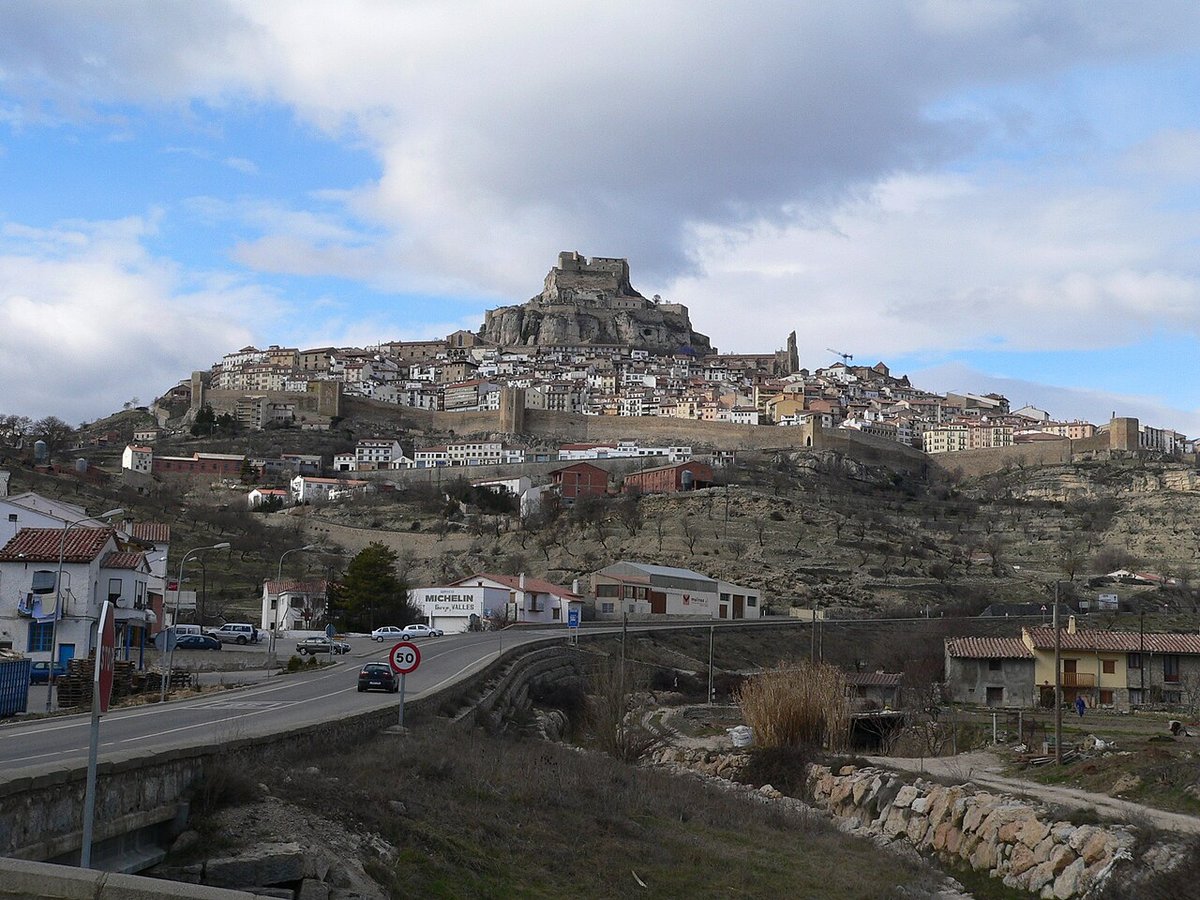
The church bell strikes eleven and the sound ricochets across the valley like a stone skipping over water. From Herbés' highest lane, you can watch the note travel—south towards the limestone cliffs of Tinença de Benifassà, east into the maze of cork oak and rosemary, west along the dried riverbed that once carried traders, pilgrims and smugglers. Sixty-two souls live here now, give or take a cousin visiting from Castellón, and the village feels proportionate to that number: one grocery that opens when its owner wakes, two bars that close when the last customer leaves, a bakery oven that hasn’t gone cold since 1947.

Altitude changes everything. At 768 metres the air carries the snap of pine resin missing on the coast just 80 kilometres away. Mornings start cool even in July; by late afternoon thermals rise and eagles use them like lifts, circling above the stone roofs without a wingbeat. Bring a fleece for dusk—nights can dip below 10 °C in May—and don’t trust weather apps built for sea-level Valencia. Rain arrives suddenly, drains through the karst, and an hour later the only evidence is the smell of damp limestone that locals claim cures hangovers.

Stone that remembers

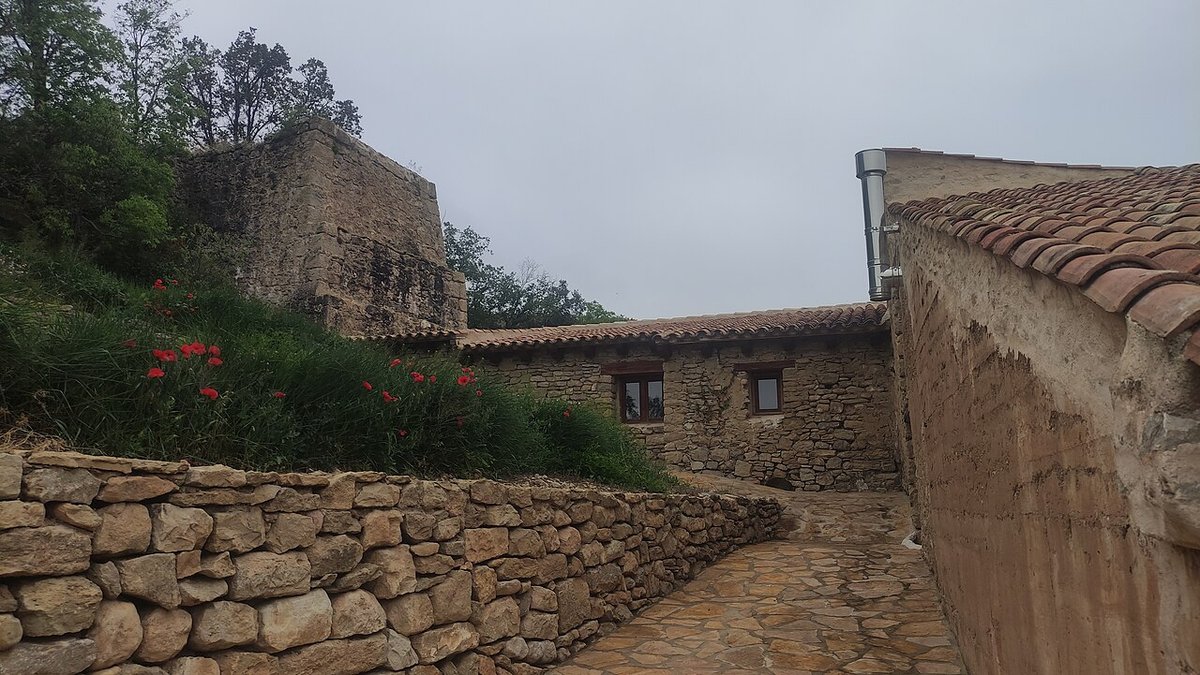
Walk the single main street slowly; the pavement is uneven and the stone has been polished by boots older than any visitor. Houses grow straight from bedrock, their lower walls a patchwork of ochre and grey chunks cleared from surrounding fields. Timber doors are sized for mules, not cars, and still hang on hand-forged iron hinges that squeal in exactly the same note as their medieval predecessors. The parish church of Sant Miquel squats at the top rather than the centre—builders wanted the driest ground, not civic prominence—and its bell tower doubles as the village mobile-phone mast. Step inside to escape the sun: thick walls keep the nave at a constant 18 °C, the temperature at which Valencian mountain faith feels most comfortable.

Outside, plaques mark former corrals, wine presses, a communal bread oven commandeered every Friday so women could bake while gossiping. Some recesses have been fitted with modern metal doors; others gape like pulled teeth, revealing rock-cut cellars where grandparents stored barrels of bulk red brought up from the lowlands. Peer in and you may still catch the sweet, metallic tang of last year’s grapes. There is no entry fee, no interpretive board, no gift shop—just the sense that if you returned in fifty years the view would shift only by the angle of sunlight.

Trails that leave the map behind

Paths begin where the asphalt ends. The easiest loop, way-marked with faded yellow crescents, drops south-east towards the never-finished Hermitage of Santa Bàrbara. Allow ninety minutes there and back; the track follows an old mule terrace wide enough for two beasts passing in single file. Spring brings orchid explosions among the grass—look for the tongue of Ophrys speculum with its iridescent blue pattern copied from a local solitary bee. Autumn smells of damp chestnut leaf and drifting boar prints appear overnight, cloven and deep as a thumbprint in wet cement.

Keener walkers can continue into Tinença de Benifassà Natural Park, where signposting grows sporadic and phone signal vanishes entirely. The GR-331 long-distance footpath passes within 4 kilometres of the village; join it for a day’s hike to Forcall or la Pobla de Benifassà, but carry water—springs marked on 1:50,000 maps often run dry by June. In winter the same route is negotiable only with crampons if snow has arrived; check the Ajuntament Facebook page for up-to-date track conditions because nobody grooms the trails here.

What arrives on the plate

Food is mountain-plain: game stews thickened with almonds, pork shoulder slow-roasted in a wood oven overnight, local white beans that taste of the pine smoke used to dry them. Both bars serve a weekday menú del día for €12–14 that begins with an olla de la plana—broth bobbing with chickpeas, cardoon and a marrow bone you’re expected to suck clean. If you prefer vegetables, ask for olla re-feta, the same pot reheated with rice so it drinks the last of the stock. Dessert will be either flan or the region’s tough, anise-scented biscuits built for dipping into sweet Moscatel. Dinner service starts late (rarely before 9 p.m.) and finishes early; arrive after eleven and the cook may already be stacking chairs.

Saturday is market day in nearby Morella, twenty-five minutes’ drive north. Herbés residents make the run for fresh fish trucked from Vinaròs, but you’ll also see hunks of mountain goat cheese wrapped in chestnut leaves, jars of honey labelled only with a mobile number, garlands of morcilla scented with cinnamon. Buy early; by eleven the stalls fold and everyone crowds into Cafè de Morella for a carajillo—coffee laced with brandy—before the winding road home.

When the village remembers how to party

Fiestas here feel less like organised spectacle and more like a family reunion that has spilled into the street. The main event honours Sant Miquel at the end of September: mass at noon, paella for three hundred cooked in a pan the size of a satellite dish, then dancing in the plaça until the generator powering the speakers runs out of petrol. Visitors are welcome but there are no wristbands, no tourist prices, no English-language programme—just pull up a plastic chair and accept the glass of wine someone thrusts into your hand.

Mid-January belongs to Sant Antoni, patron of animals. At dawn townsfolk light a bonfire of vine cuttings and lead dogs, donkeys, even the occasional pet rabbit through the smoke for blessing. The tradition once marked the start of the transhumance calendar; today it doubles as a social catch-up before tractors replace mules on the higher terraces. Photographs are fine, flash is not—animals spook easily and vets are an hour away.

Getting here, staying over

The simplest approach is from Castellón via the CV-10, then the CV-15 to Vilafamés and the CV-170 inland. After Rossell the tarmac narrows; lorries hauling timber appear suddenly on hairpins, so keep headlights on and hug the inside verge. Total driving time from Valencia airport is just under two hours, but add thirty minutes if your sat-nav tries to shortcut via a forestry track labelled “regional road” on older maps.

Public transport exists, barely. A Monday-to-Friday bus leaves Castellón at 14:30, reaches Herbés at 17:10 after eighteen stops, and returns at 05:55 next morning. The timetable favours locals visiting the city, not tourists, so rent a car unless you fancy an overnight in the plaça.

Accommodation is limited to six rooms above Bar Bernat, spotless but plain, and two rural houses licensed for tourist lets. Expect to pay €65–80 for a double, breakfast not included, Wi-Fi theoretical. Book ahead for Easter and the September fiesta; outside those dates you can often negotiate a lower rate by phoning the ajuntament directly—the part-time tourist officer speaks enough English to take a credit-card number.

The honest verdict

Herbés will not dazzle anyone chasing Michelin stars or souvenir boutiques. The village rewards patience: sit quietly on the church steps at dusk and you’ll hear swifts stitching the sky, smell woodsmoke drifting from chimneys, notice how the limestone glows apricot before the sun drops behind the ridge. Come prepared for thin amenities, patchy signage, roads that punish low-slung hire cars. Stay longer than a day and the place starts working on you—time measured in seasons rather than smartphone updates, conversation that begins when engines fall silent. If that prospect sounds tedious, stick to the coast. If it stirs something, head uphill and keep going until the bell stops echoing.

Key Facts

Region
Comunidad Valenciana
District
Els Ports
INE Code
12068
Coast
No
Mountain
Yes
Season
summer

Livability & Services

Key data for living or remote work

2024
ConnectivityFiber + 5G
Housing~5€/m² rent · Affordable
Sources: INE, CNMC, Ministry of Health, AEMET

Official Data

Institutional records and open data (when available).

  • Castillo Palacio del Barón de Herbés
    bic Monumento ~1.9 km

Planning Your Visit?

Discover more villages in the Els Ports.

View full region →

More villages in Els Ports

Traveler Reviews