Full Article
about La Mata de Morella
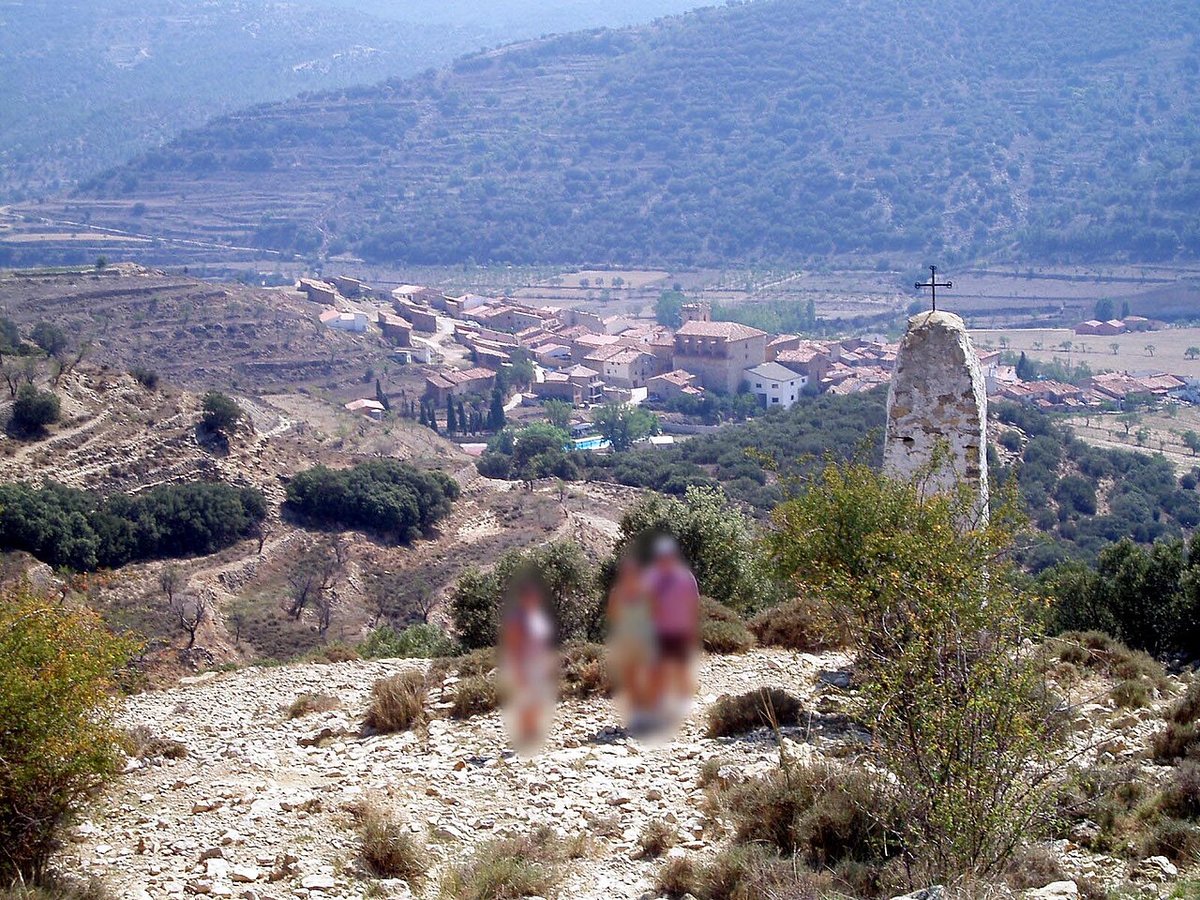
Small town near Morella with a well-preserved stone center; known for its palaces and livestock surroundings.
Hide article Read full article
A quiet corner of Els Ports
Some places move like an old clock. They are not fast or modern, yet they keep time in their own way. Tourism in La Mata de Morella feels much the same. There are no headline attractions or streets designed for endless photos. It is a small village where daily life follows a rhythm that recalls a time before phones set the pace.
La Mata de Morella sits about 12 kilometres from Morella, in the comarca of Els Ports, at roughly 826 metres above sea level. Fewer than two hundred people live here. In winter the silence settles in more heavily, and any car that enters is noticeable, like a door opening in a quiet house.
A place you quickly understand
This is a village you can get to know in a short walk. Within half an hour, its layout becomes clear, much like visiting a friend’s home for the first time and quickly working out where everything is.
The centre revolves around a square where the parish church stands, dedicated to the Virgen de las Nieves. The building has medieval origins and was expanded over time. Its bell tower is visible from several points, which helps when navigating streets that rise and fall without much logic.
The square still holds a simple rural routine. People pass through, pause briefly, exchange a few words, then continue. Nothing staged or organised, just everyday life unfolding.
Stone streets shaped by the weather
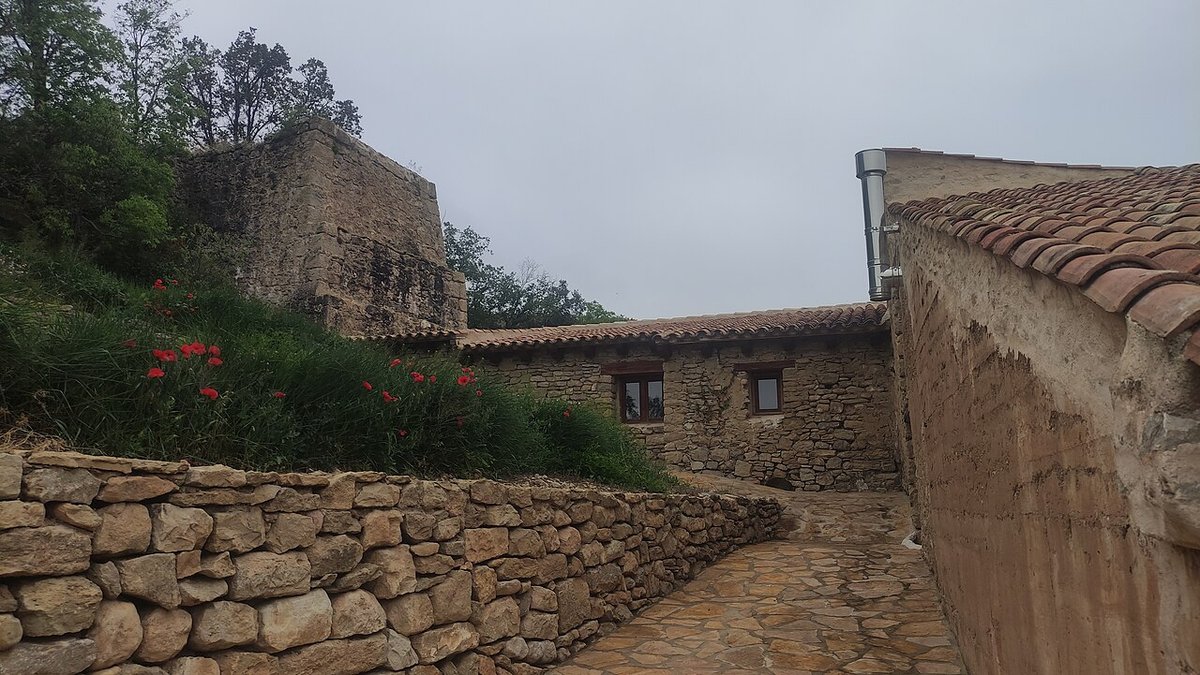
The streets follow the slope of the land. Most buildings are made of stone, topped with traditional curved tiles known as teja árabe. Houses tend to have small windows and thick doors. This is not about style but about dealing with the cold and wind common in this area.
Looking a little closer reveals small details. Old lintels above doorways, iron balconies, porches that shelter entrances. They are subtle marks, like the worn surface of a wooden table after years of use.
Walking here works best without a map or any sense of urgency. A turn down a short street leads back to the square, then off again in another direction. The route feels natural rather than planned.
The landscape around Els Ports
The surrounding landscape says a great deal about how people have lived here over generations. Dry stone terraces run along the hillsides, fields that were once worked and in some cases now lie fallow.
From a distance they resemble giant steps carved into the mountain, as if the slopes had been shaped into an agricultural amphitheatre.
Rural paths connect La Mata de Morella with nearby hamlets such as Cesarelas and Ahivilla. Some are still used for walking, while others remain quiet tracks with very little traffic.
Vegetation is typical of this part of Els Ports. There is pine, holm oak and plenty of Mediterranean scrub. Early in the morning or towards evening, movement among the trees is not unusual. Wild boar, the occasional roe deer and birds of prey circling above the ravines are part of the scene.
The terrain can be uneven and stony, with some gradients. It is not extreme, but it calls for comfortable footwear. This is not the kind of walk found in an urban park.
Food rooted in the land
Local cooking remains straightforward and closely tied to tradition. Stews are common, along with pork or lamb and vegetables that have long been grown in the area.
Some dishes include ingredients such as cardoon or wild artichokes. There are also cured meats made from pork, reflecting the rural life of the comarca.
These are meals that bring to mind winter cooking in a family home. Hearty, filling, designed to withstand cold weather and long working days.
When the village comes alive
For much of the year, La Mata de Morella is very quiet. In summer, the atmosphere shifts slightly. People with family connections return, and the village fills with more voices and activity.
Festivities usually take place during these months. They include religious events, music and gatherings that bring together residents and those coming back after time away.
In autumn, some customs linked to the slaughter of pigs and the preparation of cured meats for winter are still maintained. These are not organised for visitors but continue as domestic traditions in some households.
La Mata de Morella is not a destination built around big plans or packed itineraries. It is the kind of place where a slow walk is enough to understand how life has unfolded here over decades. Like leafing through an old notebook, it may not have many pages, but each one carries something real.