Full Article
about Morella
Capital of Els Ports, ringed by centuries-old walls; noted for its commanding castle and medieval streets steeped in history and charm.
Hide article Read full article
The bells of Santa María strike eight as the main square begins to stir. In August the air carries the scent of freshly baked bread and something sweeter, almost floral, which turns out to be flaons cooling in bakery windows. Swifts cut sharp arcs overhead, their cries ricocheting beneath the stone arcades. Morella wakes unhurriedly, as if still deciding which century it belongs to.
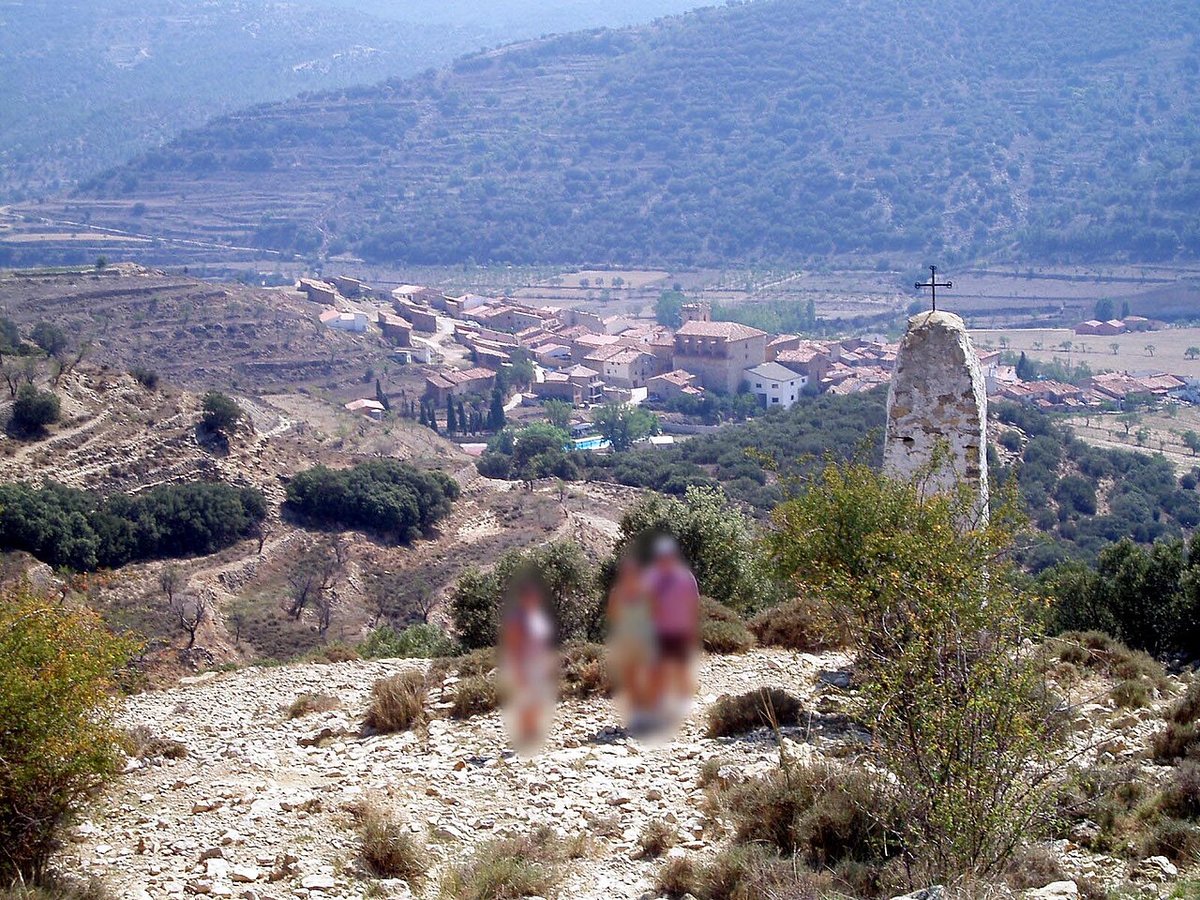
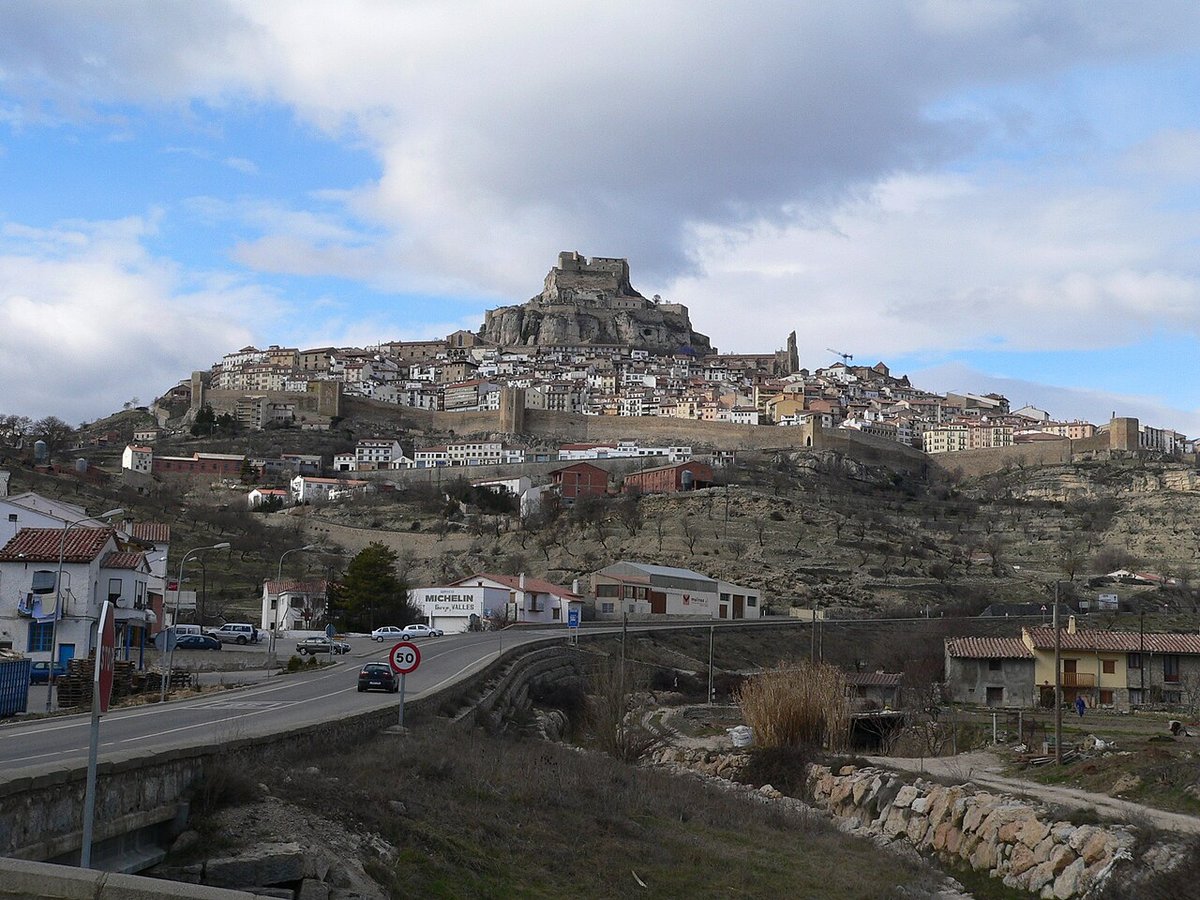
Perched high in the interior of the Comunidad Valenciana, this walled town holds on to its medieval outline with unusual clarity. Stone defines everything here: streets, houses, towers, even the hill itself. Yet daily life continues within those walls, in kitchens where black truffle is grated over seasonal dishes and in squares where neighbours pause to talk as evening falls.
The Wall That Encircles the Town
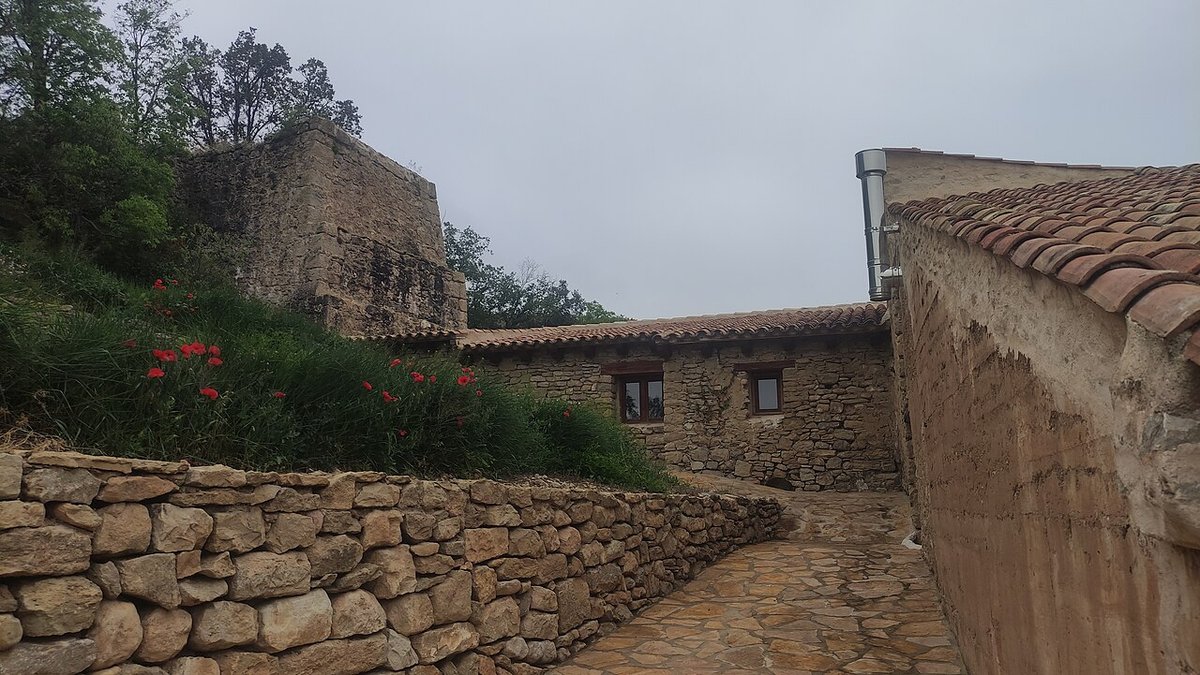
Climbing along the street known as the Porxets means following a ribbon of cool shade that breaks apart every few metres. The houses are built from rough, solid blocks of stone. Doorways sit low enough to make visitors bow their heads slightly, as if entering an old church. Each corner carries a different scent: firewood, livestock, and sometimes the earthy perfume of truffle.
The town walls stretch for just over two kilometres around the historic centre. On paper that sounds like a brisk circuit. In practice it invites frequent pauses. The first tower encountered on this route is the Torre de Sant Mateu. In one gap in the wall the wind whistles like air through a shell. From here the plain of the Maestrazgo opens out in yellows and rust-red tones. Silver broom catches the sun and glints against the dry ground. Below, the N‑232 winds towards the Port de Querol, and in the distance the rooftops of Cinctorres can be made out. Over the hill known as the Nevera, griffon vultures often circle on rising currents.
Light alters the stone dramatically. In winter it fades to a pale grey. Under the summer sun it turns ochre. At night, when lit from below, it takes on the heaviness of lead. The walls are not a mere backdrop. For centuries they marked the boundary of the settlement, and their purpose remains easy to understand when looking out across the open landscape that surrounds the hill.
A Castle with a Cave at Its Heart
The final ascent to the castle follows uneven cobbles polished by countless footsteps. The fortress occupies the highest point of the hill. The first impression on arrival is the quiet. The wind drops away and the swifts no longer reach this height.
The parade ground carries the dry scent of warm earth and brittle grass. From here the view falls away in every direction: red roofs clustered below, the bell tower of Santa María, and the gentle ranges that shape the comarca.
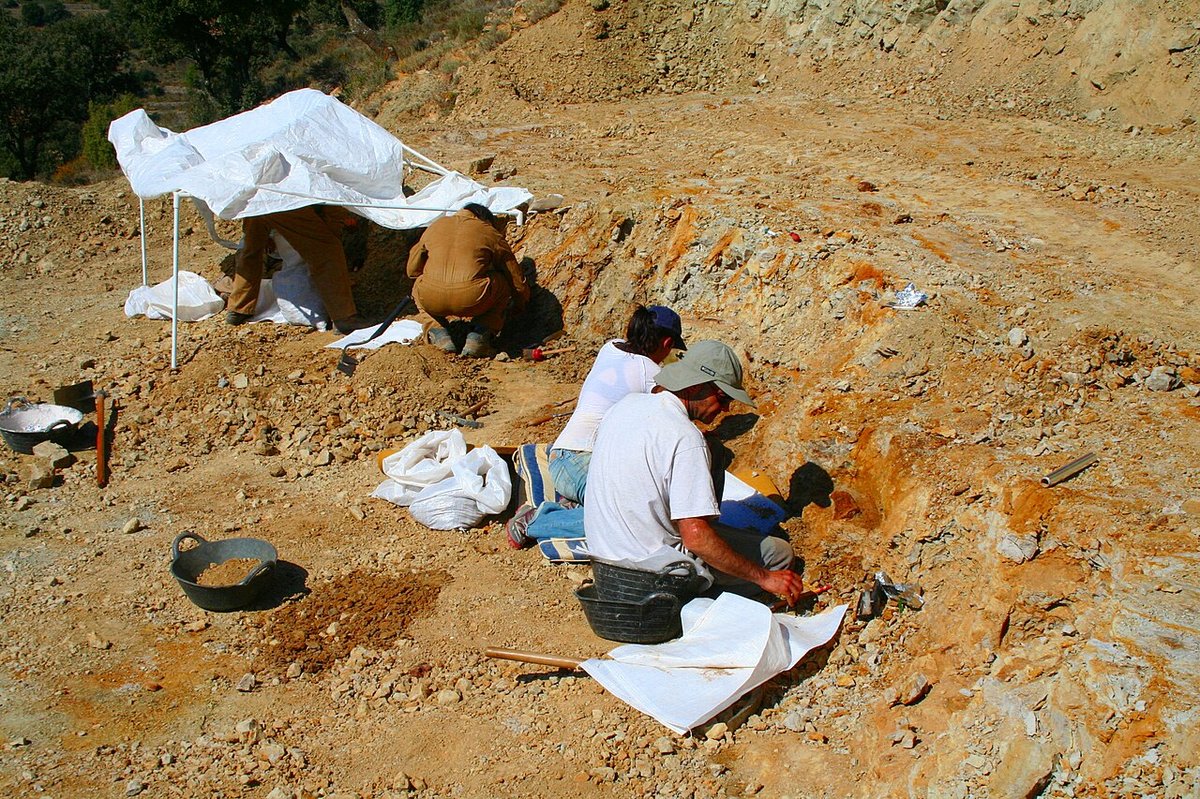
Inside the former governor’s palace lies a natural cave that splits the rock like a dark mouth. Archaeological remains were found here, including flint points and animal bones, showing that the hill was occupied long before the walled town existed. Even in August the cave stays cool. On one wall an inscription carved with a bayonet dates from the 19th century, most likely from the Carlist wars that also reached Morella.
A spiral staircase leads gradually back towards daylight. From the battlements it is possible to pick out the convent of San Francisco and, much further away, the white tower of the Santa Llúcia aqueduct rising among pine trees.
The Organ That Fills the Church
The basilica of Santa María smells of melted wax and old incense absorbed into wood over time. Inside, the temperature remains fresh even on the hottest August days. Light enters through the rose window and breaks into colour across the floor.
Along one side of the nave stands the large Baroque organ built by Turull in the 18th century. It covers almost the entire wall. Hundreds of pipes of different heights rise above darkened carved wood. Small angels hold gilded trumpets aloft. When the organ sounds, the air in the church shifts. The lowest notes travel like a slow current and seem to register underfoot before reaching the ear.
Concerts and open rehearsals are sometimes held here. It is worth checking in advance, as they do not always coincide with a visit.
The Plaza Transformed: El Sexenni
Every six years the plaza de la Peixquería is carpeted with coloured sawdust. Floral patterns, coats of arms and biblical scenes appear on the ground, destined to last only a few hours before the procession passes over them. This is the Sexenni, a celebration closely tied to Morella that reshapes the town for several days.
Giants move slowly to the sound of dulzainas, a traditional reed instrument. Bastoners strike the ground in rhythm with wooden sticks. Residents bring out garments that have been stored away for years in anticipation of this moment. When the festival is not taking place, the square returns to its usual calm: stone arcades, conversations stretching into the evening, and the image of the Virgen de Vallivana displayed on many façades. The devotion to this figure recalls an epidemic that once marked the town’s history.
Those planning to visit during the Sexenni should organise their trip in good time. In quieter years the atmosphere is far more measured.
Winter Fires and the Scent of Truffle
Season shapes Morella in distinct ways. Around San Antonio in winter, bonfires are lit in the streets and the smell of rosemary drifts through the old quarter. The cold here is sharp and serious, yet the glow of the flames changes the character of the town after dark.
From late winter into early spring it is truffle season across the comarca. Many traditional dishes appear at this time scented with that dark, earthy aroma reminiscent of damp woodland.
Morella does not rush to reveal itself. It unfolds in stages: along the curve of its walls, in the silence at the summit of its castle, beneath the pipes of an 18th‑century organ, and in a square that every six years becomes a fleeting work of art. Stone sets the scene, but it is the shifting light, the seasonal rituals and the persistence of local customs that give the town its depth.