Full Article
about Vallibona
Remote village in a deep, strikingly beautiful valley; traditional architecture and untouched nature in the Tinença de Benifassà
Hide article Read full article
Aparca en la parte baja, cerca de la plaza. No hay problema para encontrar sitio. Desde ahí se recorre todo a pie en media hora. Las calles son empinadas y el pavimento irregular. Fuera de julio o agosto, lo que más notas es el silencio.
Vallibona tiene sesenta y tres habitantes. No hay un casco histórico extenso ni monumentos que te entretengan una mañana entera. Se ve rápido. Sirve para entender cómo son muchos pueblos de Els Ports después de décadas de despoblación.
Cómo es el pueblo
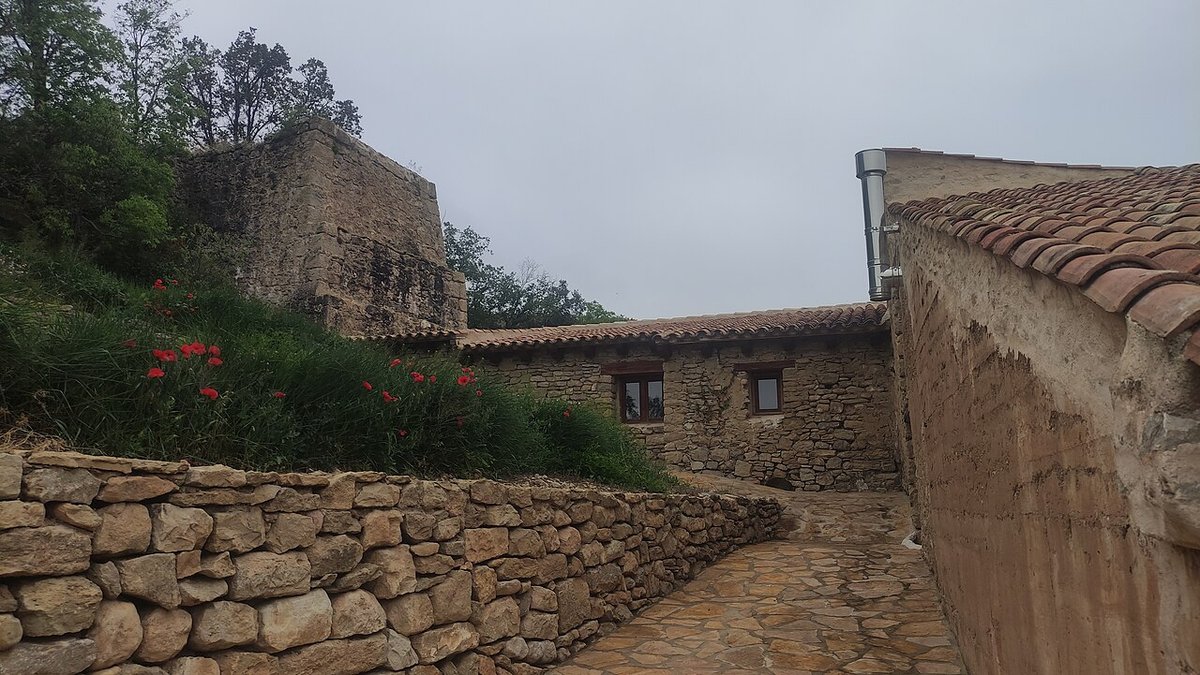
Una calle principal empedrada lo cruza de lado a lado. Otras más pequeñas bajan hacia el barranco. Las casas son de mampostería, con teja árabe y algún balcón de forja viejo. La arquitectura es la normal aquí.
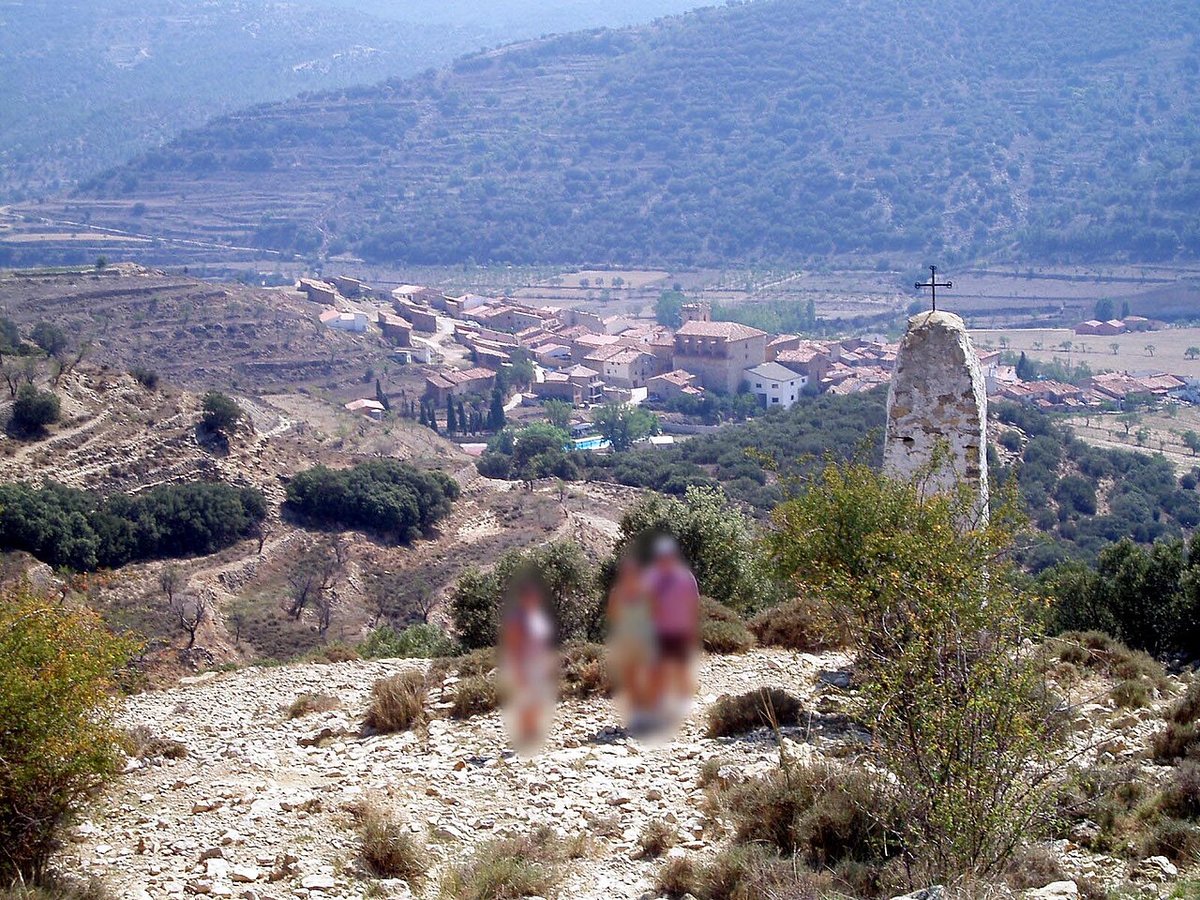
La iglesia parroquial domina el pueblo desde lo alto. Es un edificio grande para un núcleo tan pequeño, y se ve bien al llegar por carretera. El resto del pueblo se adapta a la ladera sin un plan claro: callejones cortos, escaleras y cambios de nivel.
No hace falta mapa ni guía. En treinta minutos has paseado por todo sin prisa.
Salir a caminar
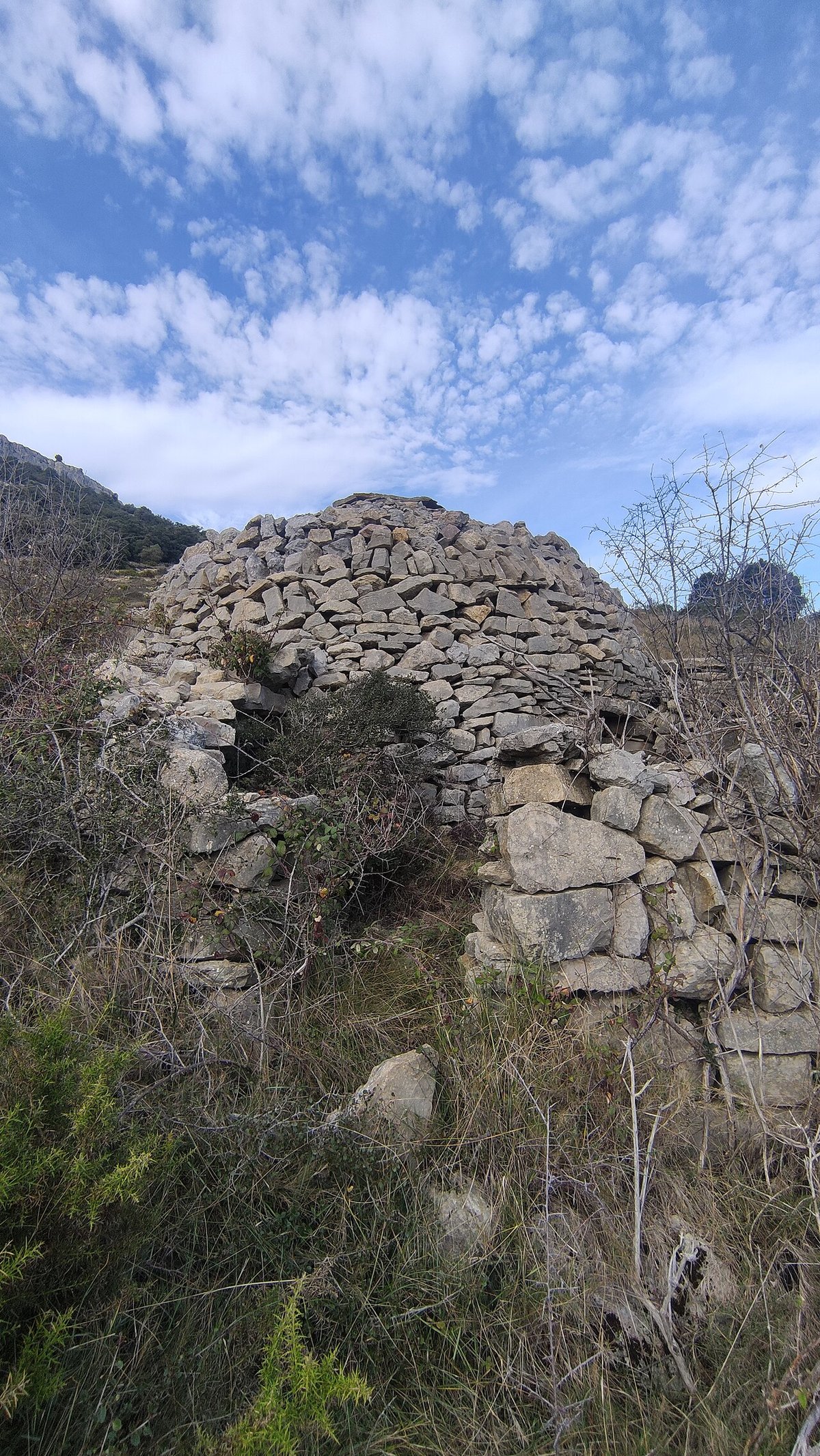
Lo mejor está fuera del pueblo. El término municipal es amplio y montañoso, con formaciones calcáreas, pinares y barrancos.
De casi cualquier esquina salen pistas rurales. No son senderos señalizados para turistas; son caminos tradicionales usados para mover ganado o ir al campo. Algunos suben con pendiente fuerte, así que lleva calzado adecuado. Lleva agua si hace calor, porque no siempre hay sombra.
No hay miradores preparados ni paneles informativos. Paras donde quieres, te sientas un rato y miras alrededor.
Si te quedas quieto y escaneas el cielo sobre los barrancos, es probable que veas aves rapaces: halcones, águilas, a veces un azor. No hay hides ni infraestructura para birdwatching; la recompensa depende de tu paciencia.
Comer y vida diaria
La cocina sigue el patrón del interior: platos contundentes, guisos lentos y producto de temporada. Setas cuando toca; carne de caza como parte de la tradición local. Las opciones pueden ser limitadas, sobre todo fuera del verano o los fines de semana.
En pueblos con tan pocos habitantes, el día a día depende mucho de quién esté allí ese día. Los horarios no están garantizados todo el año. Las cosas funcionan a pequeña escala; la flexibilidad forma parte del ritmo normal.
Ese ritmo define el ambiente: Vallibona no está pensado para turismo. Funciona primero como pueblo, aunque los residentes fijos sean pocos. Los visitantes pasan, pasean por las calles y siguen camino. La rutina cotidiana sigue ahí, pero en voz baja.
Fiestas y temporadas
Aunque la población sea reducida, se mantienen algunas celebraciones tradicionales. La fiesta de San Antonio es una fecha clave, que junta a los vecinos actuales con gente cuyas raíces familiares están aquí. Es uno de los pocos momentos en que Vallibona se anima, aunque sea brevemente.
En verano también hay un cambio modesto: vuelven algunos que ahora viven fuera y las calles se notan algo menos vacías. Aún así, el ritmo sigue tranquilo. No hay eventos masivos ni cambios drásticos en el carácter del lugar. Nunca se llena.
Estas ocasiones permiten ver cierta continuidad: incluso en pueblos afectados por la despoblación, algunas fechas del calendario aún reúnen gente. En Vallibona esos momentos se notan precisamente porque el resto del año es muy tranquilo.
Una parada sensata
Vallibona no justifica un día entero a menos que vayas a pasar horas caminando por los montes. El planteamiento habitual es otro: para un rato, paseas por las calles, miras el paisaje y sigues hacia otros pueblos de Els Ports.
Ve con esa expectativa: un paseo corto, tiempo al aire libre y otra vez a la carretera. No hay una larga lista de cosas que ver; no busques atracciones ocultas porque no las hay. Lo que ves es lo que hay.
Para quien recorra el interior valenciano, Vallibona funciona más como una pausa que como un destino principal. Muestra la realidad de muchos núcleos pequeños en la región: la actividad se ha reducido, pero no ha borrado la identidad. Las calles, la iglesia y las montañas calcáreas siguen ahí, aunque ahora la vida transcurra a otro ritmo.
No hay mucho más, y eso forma parte del asunto: Vallibona da una breve visión del mundo rural dels Ports sin distracciones. Pasea, mira alrededor y sigue camino cuando quieras