Full Article
about Zorita del Maestrazgo
A village on a bend of the Bergantes River with a sanctuary carved into the rock; spectacular landscape and high religious value.
Hide article Read full article
A Place Defined by Its Setting
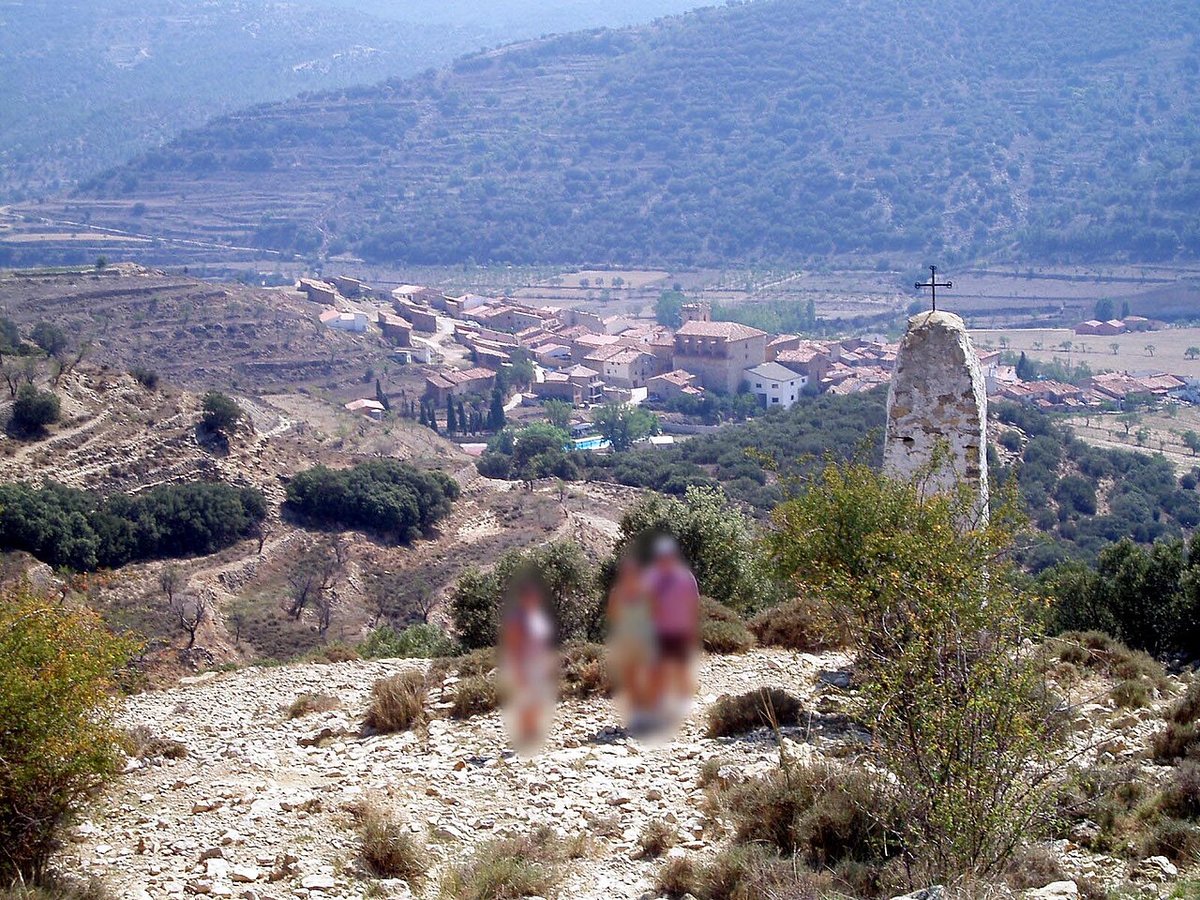
In Zorita del Maestrazgo, tourism is less about ticking off sights and more about understanding the land itself. The village sits on the northern side of Els Ports, a region of limestone terrain and Mediterranean woodland where human settlement has always had to adapt to the landscape. Just over a hundred people live here today. At around 660 metres above sea level, daily life still follows the rhythms of farming and livestock.
This is not a place that reveals itself through spectacle. Its appeal lies in how closely it reflects its surroundings, and how little that relationship has changed over time.
Built Against the Rock
The layout of the village responds directly to the uneven terrain. Streets are narrow and often steep, and many houses appear to rise straight out of the rock beneath them. There is no sense of imposed order. Instead, the architecture follows a practical logic shaped by necessity.
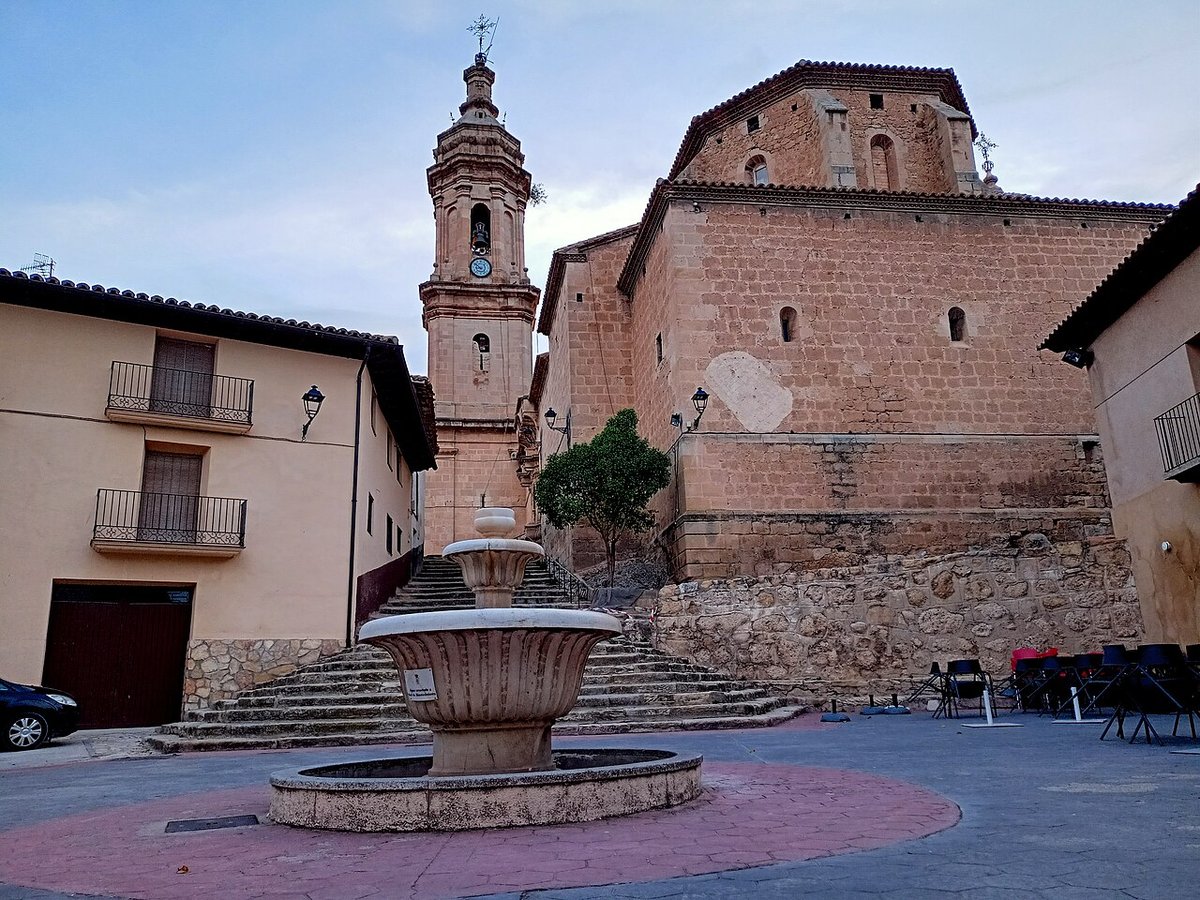
The parish church of the Asunción, originally built in the 16th century and altered over time, stands in a prominent position. Its bell tower acts as a visual anchor when moving through the village. It is not especially grand, but it helps explain how the settlement was historically organised around the parish.
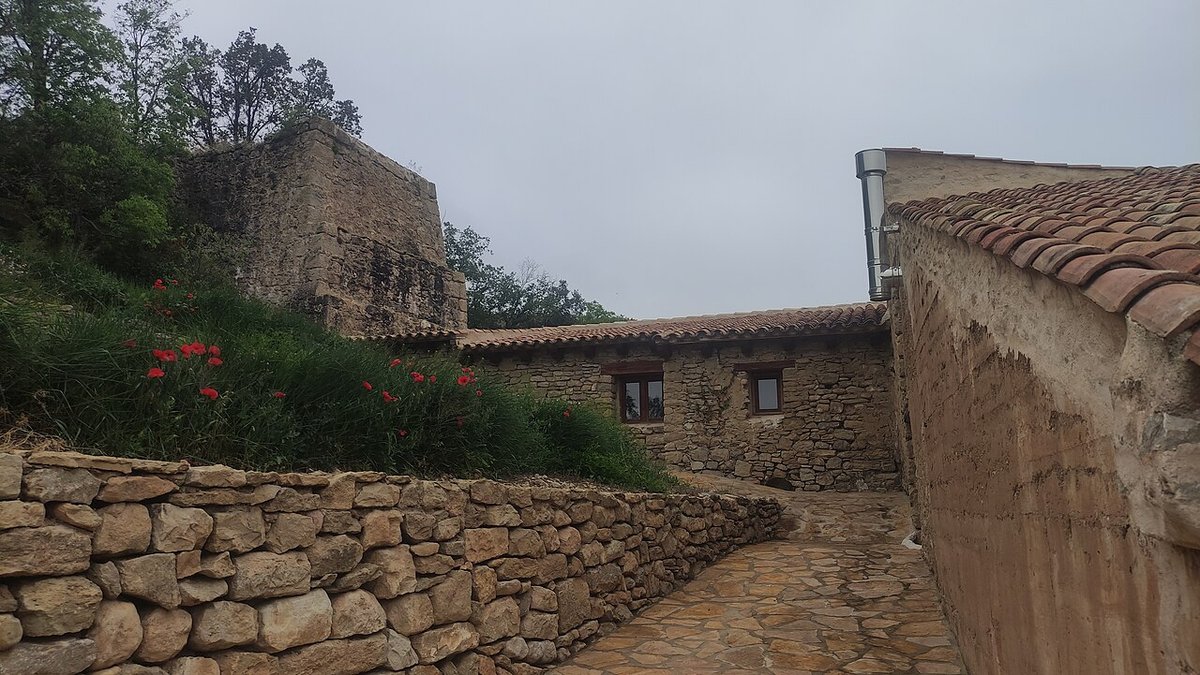
Traditional houses are built with local stone and thick walls. The reasoning is straightforward: insulation against cold winters and dry summer heat. Small interior courtyards and former animal enclosures can still be seen, reminders of a way of life closely tied to agriculture and household self-sufficiency.
The Landscape of Els Ports
Zorita’s municipal area sits fully within the landscape of Els Ports. Pine forests, particularly black pine, mix with holm oak and patches of older terraced land, alongside denser stretches of woodland.
The limestone geology leaves visible traces across the terrain. Lapiaz formations, small cavities and shallow depressions are typical features here. The shape of the land also explains the network of historic paths that once connected scattered farmhouses, water sources and small hermitages.
On clear days, some higher points around the village offer distant views of Penyagolosa. It does not always appear sharply defined, but its presence helps situate Zorita within the wider and complex geography of inland Castellón.
Walking the Old Paths
Several traditional routes begin in Zorita, once used to link farmsteads and neighbouring villages. Today, some of these paths are followed by walkers, although signposting varies depending on the stretch.
Walking these routes offers a more direct understanding of the area. Along the way, there are natural springs, dry-stone walls and abandoned terraces that hint at past agricultural use. Wildlife tends to keep its distance, but with patience it is possible to spot wild boar, roe deer or birds of prey circling above the pine forests.
The experience is not about reaching a specific viewpoint. It is about observing how movement through the landscape has been shaped over centuries.
Food and the Rural Calendar
Local cooking reflects the realities of inland life. Hearty stews, legume-based dishes and slow-cooked meals are typical, alongside products derived from the traditional slaughter of pigs. These are recipes designed to sustain long working days.
In the surrounding hills, black truffle is gathered during the winter months. When the season is good, it finds its way into local dishes, adding a distinctive element to otherwise simple cooking.
Food here follows the rhythm of the rural calendar rather than trends, with availability shaped by the land and the time of year.
Festivities and Community Life
The busiest celebrations take place in August, centred on the Virgen de la Asunción. During these days, many former residents return, and the village briefly takes on a more lively atmosphere.
In January, the festival of San Antonio Abad is still observed, traditionally linked to the blessing of animals. This custom is common across inland villages and reflects the long-standing importance of livestock in local life.
These events are less about spectacle and more about continuity, maintaining connections between people, place and tradition.
Reaching Zorita and Understanding the Visit
From Castellón de la Plana, the journey to Zorita del Maestrazgo follows inland roads that pass through several villages in Els Ports. The route, roughly seventy kilometres long, moves through increasingly mountainous terrain that prepares visitors for what lies ahead.
The village itself can be explored in a short time. It is worth slowing down, paying attention to how the buildings adapt to the rock and how the surrounding landscape continues to shape everyday life. The interest here does not come from the number of places to visit, but from understanding the context in which the village developed.
Zorita del Maestrazgo does not try to stand apart from its environment. It remains closely tied to it, and that connection is what defines the experience.