Full Article
about Albuixech
Agricultural and industrial municipality in the northern huerta, near the sea and well connected.
Hide article Read full article
Albuixech, el pueblo que aparece cuando no lo buscas
Albuixech es de esos sitios que te encuentras cuando vas a otro lado. Vas por una carretera comarcal, entre naranjos y campos abiertos, pensando que solo hay huerta. Y de repente, un giro, y ahí está: un núcleo de casas bajas, la torre de ladrillo de la iglesia sobresaliendo, y la sensación de haber llegado a un lugar que no estaba en el mapa mental. No es un destino. Es más bien una parada.
La primera impresión puede ser de lo más normal. Un pueblo valenciano más. Pero si te quedas un rato, empiezas a pillar el ritmo. El sonido del agua en las acequias, el olor a tierra mojada por la mañana, el murmullo constante del valenciano en la puerta del bar. Esto no es decorado. Es donde vive gente.
La huerta como se vive, no como se visita
Aquí la huerta no es un concepto bonito para folletos. Es el paisaje diario. Las acequias cruzan bajo las calles y siguen su camino entre los bancales. En invierno, el agua baja con fuerza; en verano, se gestiona con una precisión heredada de siglos.
Pasear por los caminos agrícolas es entenderlo. No hay carteles explicativos ni miradores con paneles. Hay surcos rectos, naranjos cargados según la temporada, y alguna alquería solitaria entre campos. A lo lejos, el ruido de un tractor. Sabes que estás en un espacio productivo, no pensado para ti.
El ritmo es lento, pero no perezoso. Es el ritmo del campo. Si vienes buscando emociones fuertes o fotos para Instagram de postal, te vas a aburrir en media hora.
Los días que el pueblo cambia de piel
Donde Albuixech cobra vida propia es en sus fiestas. El contraste es total.
Por Fallas, el pueblo se transforma. La música alta, el olor a pólvora constante, y la monumento fallera levantada en una plaza que el resto del año es solo un aparcamiento. En un pueblo así, todo el mundo está metido en algo: plantar la falla, organizar la mascletà o simplemente criticar cómo ha quedado este año. Es ruidoso, caótico y muy local.
En enero llega el Porrat de Sant Antoni. Ver a la gente hacer cola con sus perros y gatos (algunos bastante resignados) para que les echen agua bendita es de esas cosas que no ves todos los días. Después se encienden las hogueras en la plaza y huele a leña quemada y a invierno. Es tradición pura, sin filtros.
Comer como si estuvieras en casa de alguien
No vengas buscando restaurantes con estrella Michelin o cocina de diseño. Aquí se come como se ha comido siempre.
El all-i-pebre de anguila sigue siendo un plato común. Te lo advierto: es contundente. Ajo, pimentón, patata y anguila de la Albufera. No pide permiso.
La paella también está presente, normalmente de conejo y caracoles según manda la huerta. El debate sobre si tiene buen socarrat o no suele surgir solo.
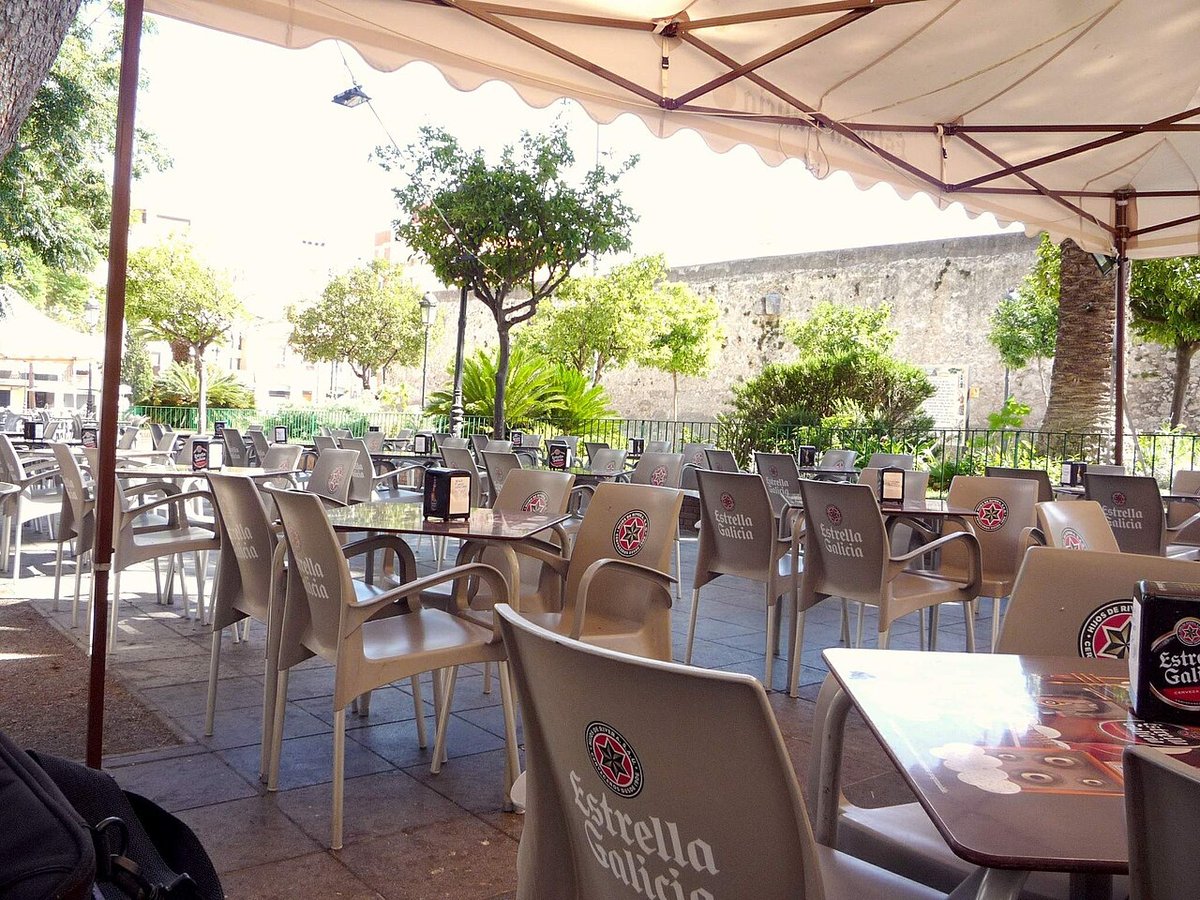
Y luego está la horchata con fartons. Cuando aprieta el calor, parece la única respuesta lógica: vaso frío, bollo blandito para mojar y una terraza donde pasar la tarde sin hacer nada más.
Hacia el mar por el cauce del Carraixet
Albuixech no tiene playa, pero el mar está cerca. Una forma curiosa de acercarse es seguir el cauce del barranco del Carraixet hacia Massamagrell.
Es un camino agrícola más que una ruta turística: tierra compactada, cañas altas a los lados del cauce seco (o no tan seco si ha llovido) y mucho silencio roto solo por algún pájaro o una moto a lo lejos. En bicicleta o andando tranquilo llegas hasta zonas cerca de la costa que son todo menos concurridas.
En el pueblo mismo, poco más que decir de la iglesia de San Pedro Apóstol aparte de que su torre es un buen punto de referencia si te pierdes (difícil). Dentro es sobria y tranquila; una parroquia de pueblo donde entra gente a rezar un rato y se va.
Vale la pena si bajas las expectativas
¿Merece una visita Albuixech? Depende totalmente de lo que busques.
Si quieres museos monumentales calles empedradas perfectamente restauradas olvídalo Este no es tu sitio
Pero si te apetece ver cómo funciona realmente la huerta valenciana pasear sin rumbo por caminos donde lo único que pasa es un agricultor con su furgoneta o sentarte en una terraza donde nadie te va a tratar como a un turista entonces puede funcionar
Es viajar para ver normalidad Y hoy en día eso ya es bastante raro