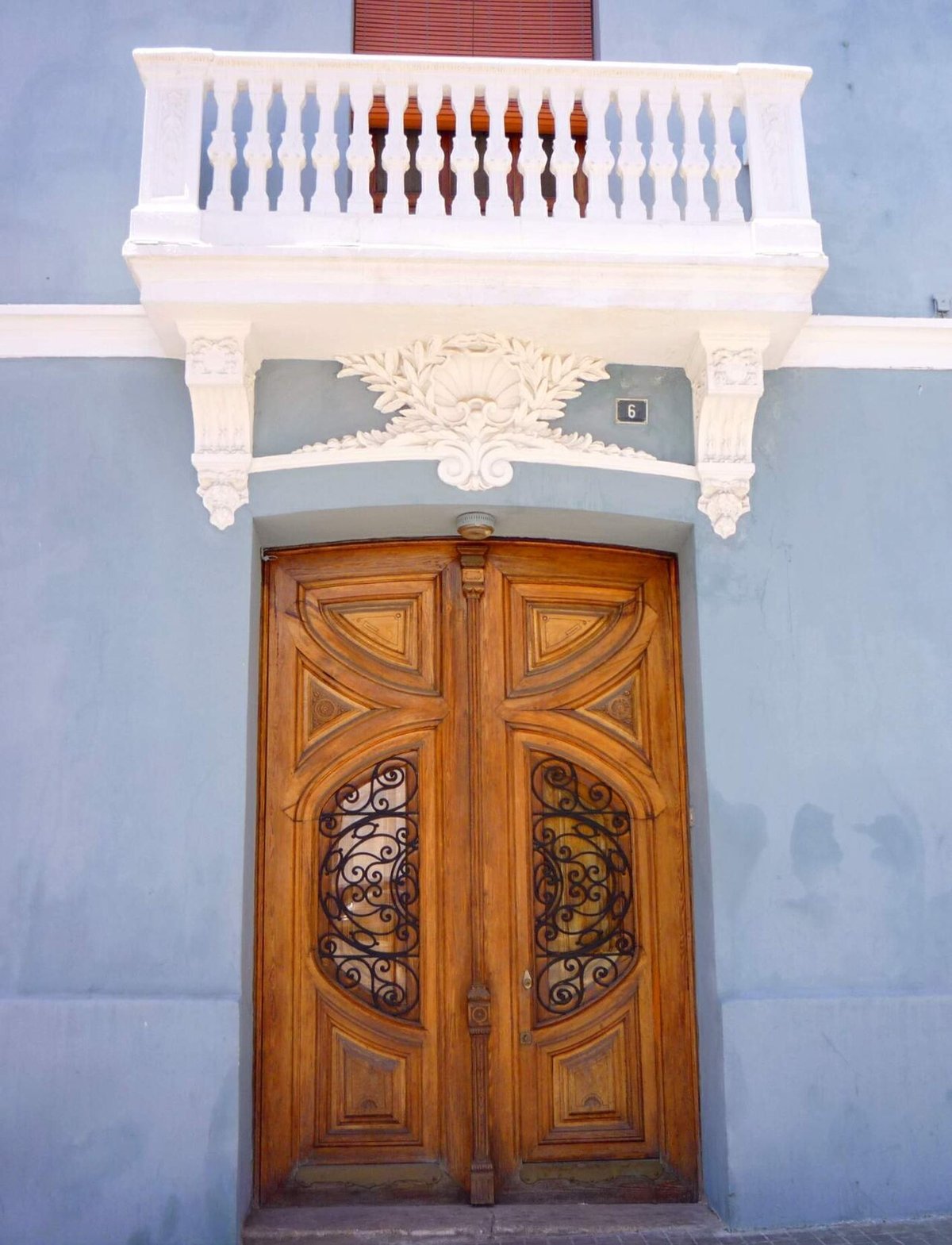
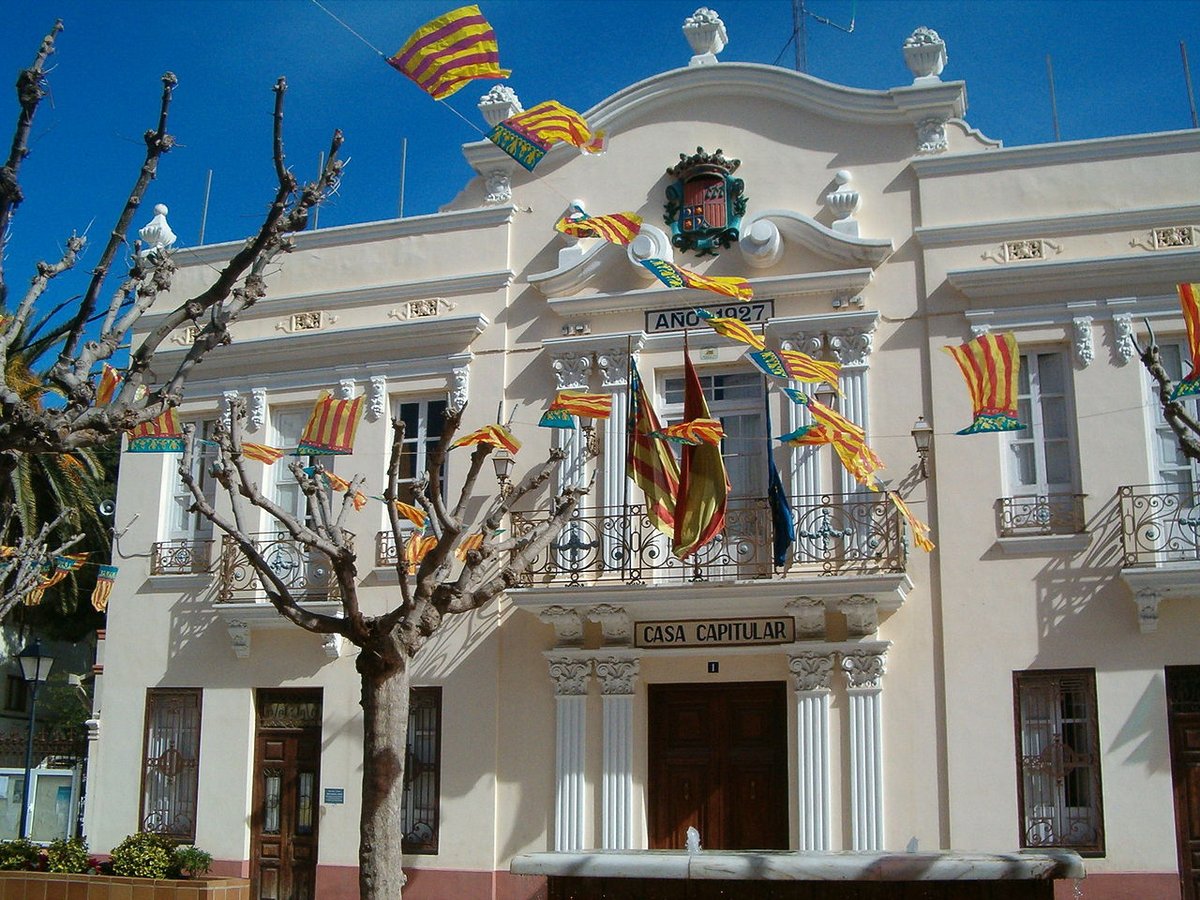
Alfara del Patriarca (Valencia, València) -España- Ciudad; de 1883.jpg
Francisco Ponce León, Jesús Tamarit, Pedro Bentabol y Antonio González Samper · Public domain
Comunidad Valenciana · Mediterranean Light

Alfara del Patriarca

The scent hits first. Not sea salt or sun cream, but orange blossom drifting across warm earth. Alfara del Patriarca sits just fifteen kilometres f...

3,740 inhabitants · INE 2025
35m Altitude

Why Visit

Palace of the Señoría Stroll through the old town

Best Time to Visit

year-round

San Bartolomé Festival (August) agosto

Things to See & Do
in Alfara del Patriarca

Heritage

  • Palace of the Señoría
  • Church of San Bartolomé

Activities

  • Stroll through the old town
  • university life

Festivals
& & Traditions

Fecha agosto

Fiestas de San Bartolomé (agosto)

Las fiestas locales son el momento perfecto para vivir la autenticidad de Alfara del Patriarca.

Full Article
about Alfara del Patriarca

A university and residential municipality with historic buildings linked to San Juan de Ribera.

Ocultar artículo Leer artículo completo

The scent hits first. Not sea salt or sun cream, but orange blossom drifting across warm earth. Alfara del Patriarca sits just fifteen kilometres from Valencia's golden beaches, yet this small agricultural town turns its back on the Mediterranean. Here, life orbits around citrus groves rather than coastal currents, creating a different kind of Spanish experience altogether.

The Huerta Holds Its Ground

Modern Valencia keeps sprawling northwards, swallowing villages whole. Alfara del Patriarca has resisted better than most. Walk five minutes from the church square and tarmac gives way to dirt tracks between rectangular plots. Orange trees stand in neat rows, their branches heavy with fruit from November through May. The irrigation channels - acequias - still follow Moorish patterns from a thousand years past, channelling water from the Turia river to thirsty roots.

These aren't postcard views polished for tourists. Farmers work these fields daily, their battered Renault vans pulled up beside weathered toolsheds. Early mornings bring tractors rumbling past traditional barracas - rectangular farmhouses with steep thatched roofs that once housed agricultural workers. Some now serve as weekend retreats for Valencian families, others stand empty, their clay tiles crumbling under fierce summer sun.

The town itself houses barely 3,400 souls. Narrow streets radiate from the 18th-century church of La Virgen del Rosario, its bell tower visible from every approach. Iron balconies sag with geraniums. Elderly men occupy bench space outside Bar Central, arguing over football while nursing small glasses of beer. Nothing moves quickly, especially during afternoon hours when even the dogs seek shade beneath parked cars.

What Grows Here, Stays Here

Food arrives from metres away, not miles. The weekly Friday market stocks vegetables harvested that morning from surrounding plots. Seasonal availability dictates menus at the three restaurants along Calle Mayor. In winter, expect hearty stews thick with chickpeas and chard. Spring brings tender artichokes and broad beans. Summer means tomatoes bursting with flavour, their juice staining crusty bread alongside local olives and salty anchovies.

Paella appears everywhere, but locals favour arroz al horno - baked rice with pork ribs, chickpeas and morcilla blood sausage. It's stick-to-your-ribs fare designed for agricultural labourers, not beach bodies. Portions border on enormous. Prices don't. Three courses with wine rarely tops €15, even at the smarter end of town.

The bakery on Plaza de la Constitución opens at 6 am, selling warm coca - flatbread topped with roasted vegetables - to workers heading for the fields. By 9 am, the same counter serves coffee and pastries to office commuters who've traded rural life for Valencia's suburbs but return for proper bread. Everything closes between 2 pm and 5 pm. Plan accordingly or go hungry.

Festivals Without the Fanfare

October's fiesta patronal transforms quiet streets into something approaching chaos. Processions wind past houses draped with blue and gold bunting. Brass bands march at ear-splitting volume. Fireworks explode at all hours. The scent of gunpowder mingles with orange blossom, creating an uniquely Valencian perfume. Locals take it seriously - every balcony displays the Virgin's portrait, every grandmother attends dawn mass.

March brings Fallas, Valencia's famous fire festival, in miniature. Alfara constructs just three satirical sculptures rather than the capital's hundreds. They're still spectacular, still burn on March 19th, but you can actually see the flames without thousand-deep crowds. The town's pyromaniacs practise year-round - random bangs echo most weekends as teams perfect their craft.

Summer evenings mean outdoor cinema in the church square. Plastic chairs fill slowly as darkness falls. Children chase between rows while parents share bottles of chilled white wine. Films are invariably dubbed into Spanish, occasionally Valencian. Plot matters less than atmosphere. Bring a cushion. The chairs are unforgiving.

Getting Here, Getting Around

Valencia airport sits twenty-five minutes away by taxi - €35 during day hours, more after midnight. Car hire proves cheaper for stays longer than three days, plus you'll need wheels to reach the best walking routes through citrus groves. The CV-300 road connects directly to Valencia's ring road, though morning traffic stacks up badly from 7.30 am.

Public transport exists but requires patience. Bus 115 departs Valencia's Avenida de Aragón every thirty minutes, terminating at Alfara's modest bus station. Journey time drags to forty minutes with stops. Trains serve nearby Moncada - three kilometres distant - requiring taxi connection or sturdy legs. Sunday services reduce to skeleton frequency. Miss the last bus back and you're sleeping alfresco.

Accommodation within Alfara itself remains limited. Most visitors base themselves in neighbouring Moncada at SH Campus Lyceum, a modern complex with pool and restaurant eight minutes drive away. The converted 19th-century convent Hostal El Convent offers more character at similar prices. Both fill quickly during Valencia's July Formula 1 weekend and March Fallas. Book early or prepare for lengthy transfers.

The Honest Assessment

Alfara del Patriarca won't suit everyone. Beach addicts face twenty-five minutes drive to the coast. Nightlife means one bar staying open past midnight. English disappears completely - restaurant menus, bus timetables, everything assumes Spanish comprehension. The town's authenticity stems from serving locals first, visitors second. Some find this refreshing. Others feel stranded.

Yet for travellers seeking agricultural Spain beyond coastal clichés, Alfara delivers. Morning walks between irrigation channels reveal herons hunting frogs. Farmers sell oranges from car boots, trusting customers to leave payment in old biscuit tins. The bakery remembers your order after two visits. Children play football in church squares without parental paranoia. Life continues as it has for decades, modified but not overwhelmed by modern proximity to Valencia.

Come for two nights, three at most. Base yourself here, explore Valencia's delights by day, return for evening tranquillity. Or simply wander the groves at dawn when mist rises from damp earth and the only sounds are birdsong and distant tractors. That's when Alfara del Patriarca reveals its particular magic - not dramatic, not spectacular, but real as the scent of orange blossom on warm spring air.

Key Facts

Region
Comunidad Valenciana
District
Horta Nord
INE Code
46025
Coast
No
Mountain
No
Season
year-round

Livability & Services

Key data for living or remote work

2024
ConnectivityFiber + 5G
TransportTrain nearby
HealthcareHospital
EducationHigh school & elementary
Housing~5€/m² rent · Affordable
CoastBeach nearby
Sources: INE, CNMC, Ministry of Health, AEMET

Official Data

Institutional records and open data (when available).

  • Casa de la Serena o de la Sirena
    bic Monumento ~1.4 km
  • Castillo de la Señoría
    bic Monumento ~0.1 km
  • Casa de la Serena o de la Sirena
    bic Monumento ~1.4 km

Planning Your Visit?

Discover more villages in the Horta Nord.

View full region →

More villages in Horta Nord

Traveler Reviews