Burjassot 011.jpg
Zarateman · CC0
Comunidad Valenciana · Mediterranean Light

Burjassot

The 08:03 metro from Valencia’s Plaça d’Espanya squeals to a halt twelve minutes later in Burjassot-Godella. Half the carriage step out: junior doc...

41,299 inhabitants · INE 2025
59m Altitude

Why Visit

The Silos Walk through Los Silos

Best Time to Visit

year-round

San Roque festivities (August) Agosto y Septiembre

Things to See & Do
in Burjassot

Heritage

  • The Silos
  • The Farm
  • Church of Saint Michael

Activities

  • Walk through Los Silos
  • Cultural activities

Full Article
about Burjassot

University town with the historic Silos de Burjassot and a lively cultural scene.

Ocultar artículo Leer artículo completo

The 08:03 metro from Valencia’s Plaça d’Espanya squeals to a halt twelve minutes later in Burjassot-Godella. Half the carriage step out: junior doctors in scrubs, students clutching thermos flasks, and a pair of British retirees who have sussed that a one-zone ticket costs €2.20 compared with €3.60 to stay in the city centre. By 08:15 they are already seated at an aluminium table outside Horchatería Morera, dunking fartons (elongated iced buns) into ice-cold horchata that tastes, inexplicably, like rice-pudding milkshake.

Burjassot sits 59 m above sea level on the flat coastal plain of l’Horta Nord, not in the mountains. The only thing that rises sharply is the decibel level when the church bells of San Miguel Arcángel strike the hour. Otherwise the town is horizontally laid out: grid after grid of low-rise houses painted the colour of pale sangria, interspersed with orange trees whose fruit nobody picks because the traffic fumes settle on the peel.

A Campus with a Market Attached

The University of Valencia’s science faculties occupy a brutalist slab on the western edge. Lecturers pop into the Monday street market for a €2 jamón baguette between lectures, queuing behind Moroccan mothers haggling over pyramids of pimentón. Stallholders start packing up at 13:30 sharp; if you arrive after noon the churros van has usually sold out and you’ll be left with the healthy stuff—loquats, chard, bunches of herbs that still carry garden soil.

The market stretches the length of Carrer Major, Burjassot’s nearest thing to a high street. There is no medieval core to speak of; the town grew piecemeal around 18th-century farmsteads, then 1960s apartment blocks, then 1990s duplexes with satellite dishes pointed at Sky News. What holds it together is rhythm: coffee at 10:00, three-course menu del día at 14:00, paseo with prams at 18:00, and shutters down by 23:00. British residents on Facebook groups warn newcomers: “If you want nightlife, get the metro back to Valencia. Here the loudest sound after midnight is the bottle-bank.”

Palaces, Parks and Other Surprises

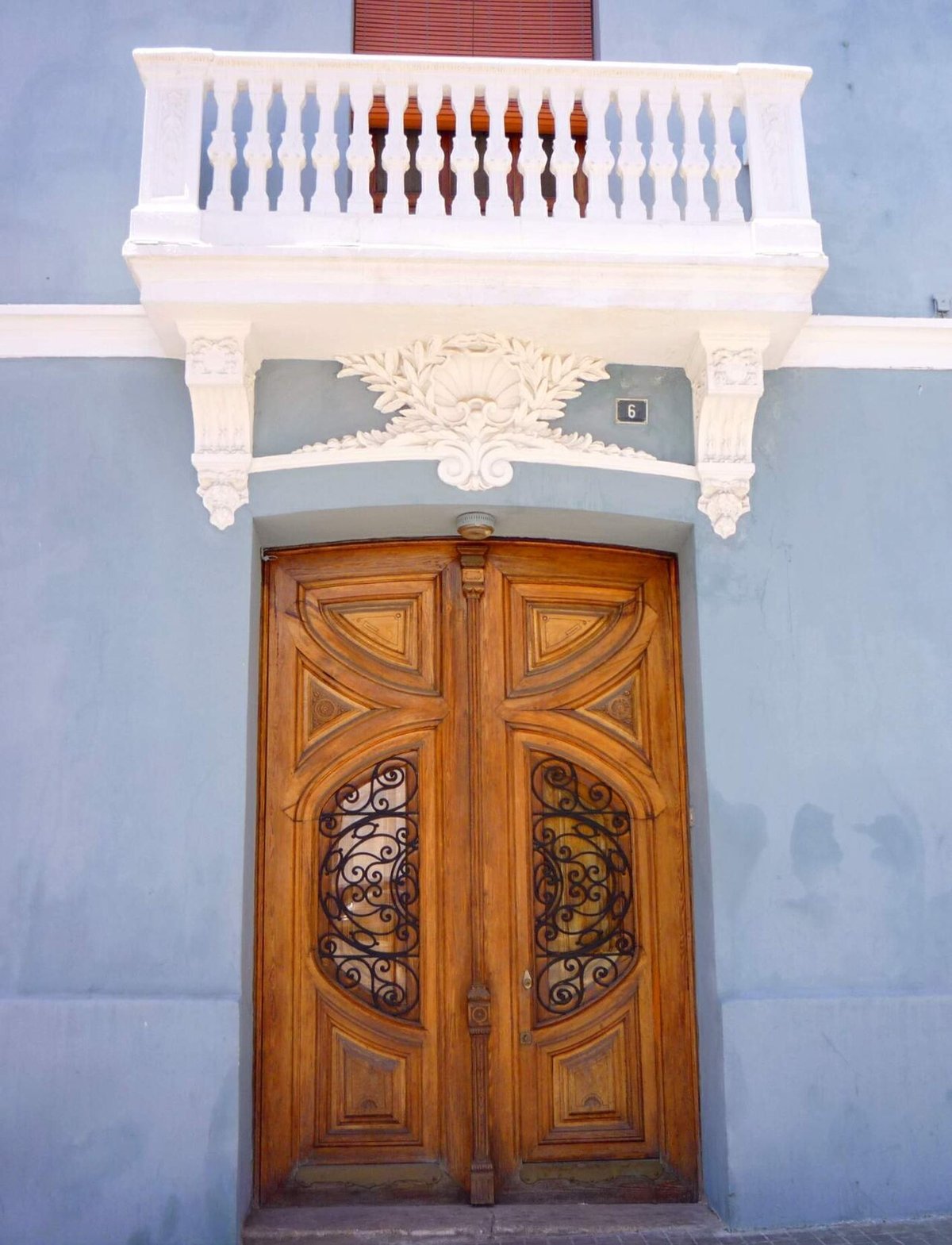
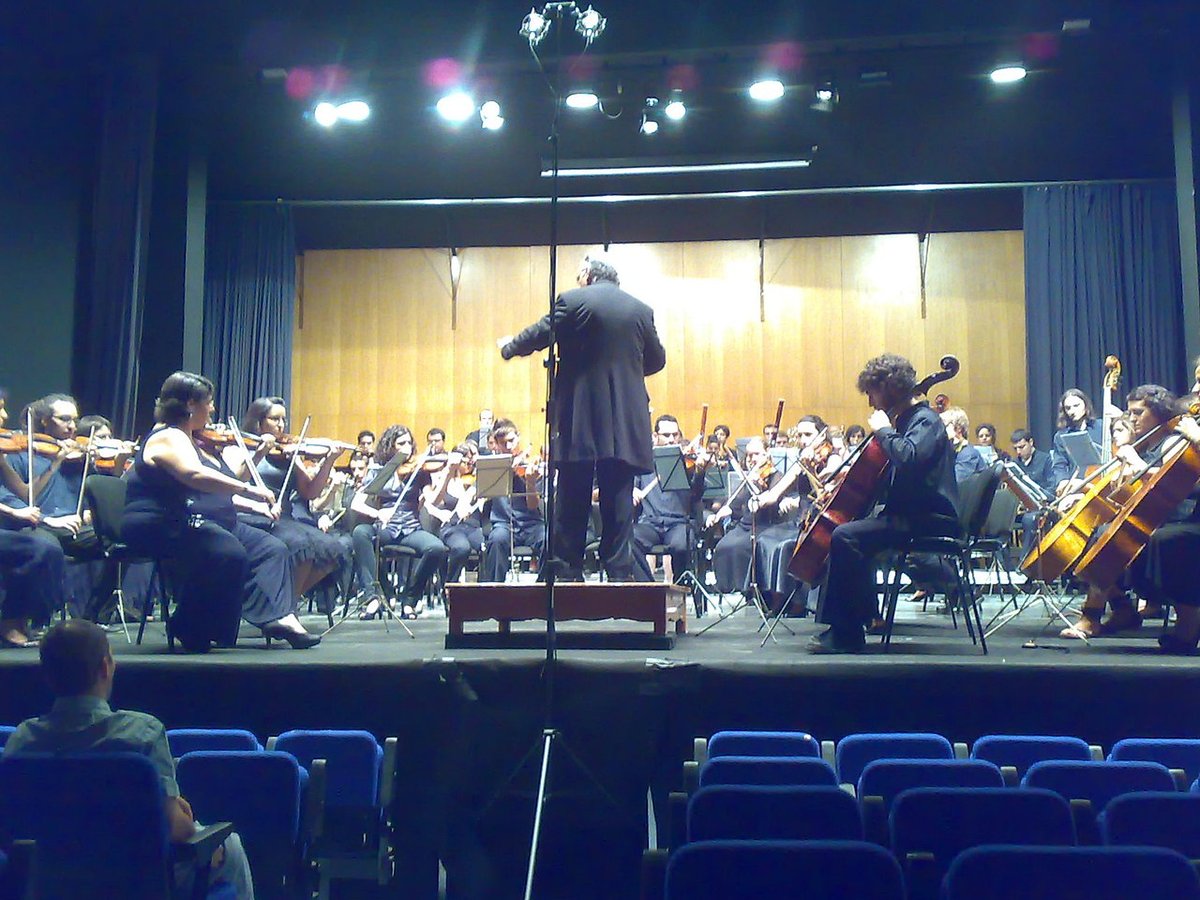
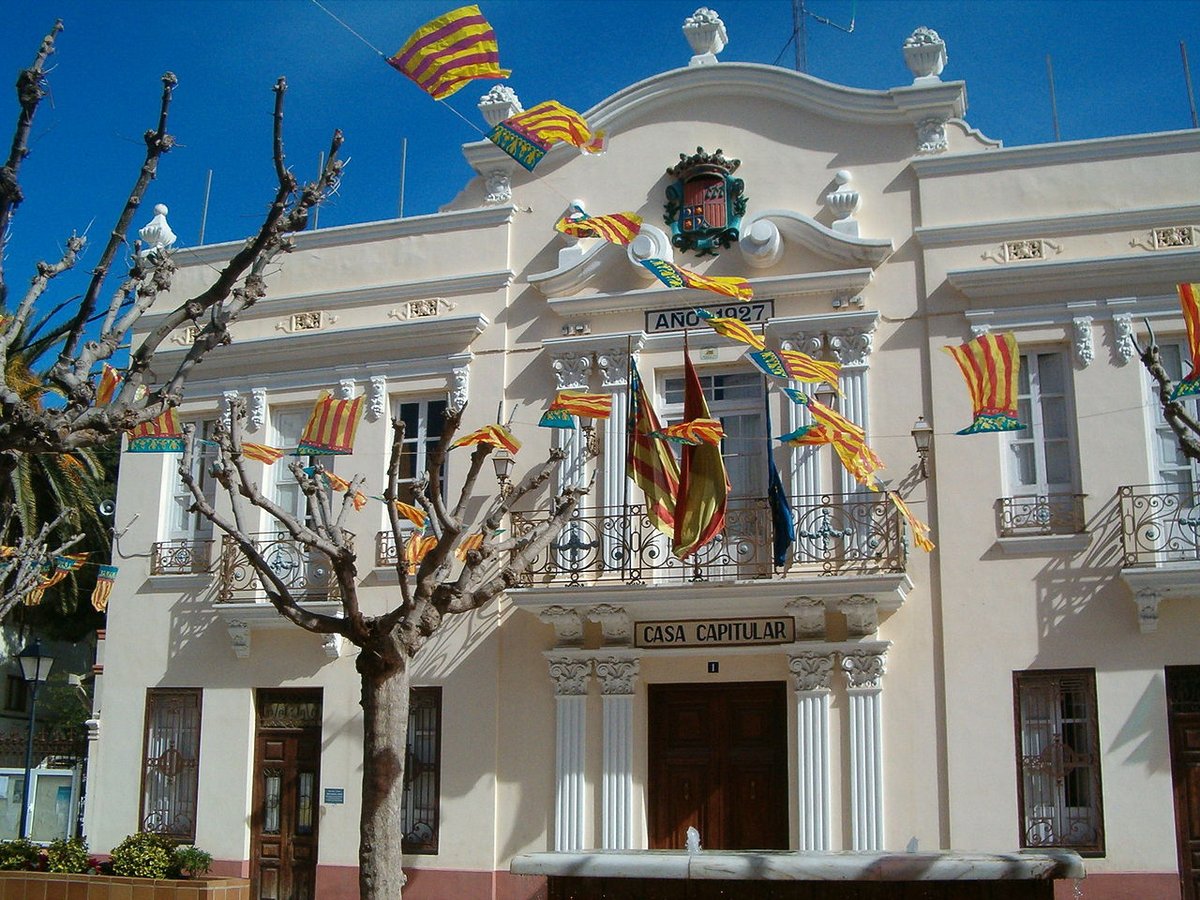
Still, the place is not architecturally blank. The Palau dels Marquesos de Bélgida, a stone mansion wedged between estate agents and a driving school, has Rococo balconies wide enough for a Shakespearean scene. The town hall uses it for civil weddings on Friday mornings; you can wander into the courtyard provided you dodge the confetti. One wing houses the local music conservatory, so corridors echo with trumpet scales mingling with the scent of bridal roses.

Across the road, the parish church of San Miguel hides a 15th-century Gothic rib-vaulted ceiling beneath a 19th-century neoclassical wrapper. Inside, the side chapel displays a painted wooden Christ whose knees are worn smooth from centuries of petitioning. Sunday Mass at 12:00 is still in Valencian; stand near the back and you’ll catch the cadence even if your Spanish stops at “dos cervezas”.

Green space comes in pocket-handkerchief sizes. The Jardí de la Senyoria, once the vegetable patch of the palace, contains 40 species of rose and one heroic palm that survived the 2020 storm Gloria. Larger is Parc de la Germandat, where basketball hoops outnumber benches and teenage skaters practise kickflips to a soundtrack of reggaeton. In July the town lays down a temporary artificial beach—two tons of imported sand and a paddling pool—because Burjassot is 11 km from the sea and parents refuse to fight for parking at Malvarrosa.

What to Eat Without Showing Off

Local gastronomy is resolutely weekday. Quitín restaurant on Avinguda d’España serves a £12 menu del día that starts with chickpea-and-spinach stew and ends with chocolate sponge soaked in custard. Ask for “solomillo a la pimienta” and the waiter will enquire whether you want it medium; chips arrive automatically, no need to negotiate away the patatas bravas. Vegetarians survive on escalivada (roasted aubergine and peppers) and the house wine, which tastes better after the second glass.

Horchatería Morera opens only from March to October; the rest of the year the owners head to their village in Castellón where oranges actually ripen. Order a “mitjana” (medium) and you receive half a litre of iced tiger-nut milk plus four fartons. The correct technique is to grip the bun like a cigar, dunk for three seconds, and eat before it collapses. Wear white at your peril.

Getting In, Getting Out

The metro remains Burjassot’s biggest selling point. Lines 1 and 2 continue north to Bétera and Llíria if you fancy a mountain hike afterwards, while southbound trains reach Valencia’s old town in 15 minutes. A Bonometro ten-trip ticket works out at €1.52 per ride and can be shared between two people—tap once on entry, pass back, tap again. Driving is painless outside rush hour; the CV-35 motorway skirts the town, but parking by the market is limited to blue-zone bays at €1.20 an hour. On Fallas week (15–19 March) forget the car entirely—police close the centre and traffic filters become a horn-honking rehearsal for purgatory.

When to Come, When to Skip

Spring and autumn deliver 24 °C afternoons and cool enough evenings for a cardigan. Summer is torrid; thermometers touch 38 °C and the artificial beach sand will blister bare feet. Winter is mild—12 °C at midday—but the tramuntana wind can whip across the plain, making that twelve-minute metro ride feel like an Arctic expedition. If you visit during Fallas, bring ear-plugs; petardos (fire-crackers) start at 08:00 and continue every half-hour until the midnight finale. The town’s modest monuments mean crowds stay manageable, unlike Valencia’s centre where you queue twenty minutes for a £5 bottle of water.

The Bottom Line

Burjassot will never make the cover of a glossy Spain supplement. It has no hill-top castle, no Michelin stars, no flamenco tablaos. What it offers is a working slice of Valencian life where a British visitor can eat well for under £15, ride a £2 metro, and still be back in Valencia for opera at 20:00. Turn up on Monday morning, grab a churro, watch the world haggle over saffron, and you will have seen the province without the postcard filter. Just remember: by 23:00 the lights are off, and the last metro home leaves at 22:40.

Key Facts

Region
Comunidad Valenciana
District
Horta Nord
INE Code
46078
Coast
No
Mountain
No
Season
year-round

Livability & Services

Key data for living or remote work

2024
ConnectivityFiber + 5G
TransportTrain nearby
HealthcareHospital
EducationHigh school & elementary
Housing~5€/m² rent · Affordable
CoastBeach nearby
Sources: INE, CNMC, Ministry of Health, AEMET

Official Data

Institutional records and open data (when available).

  • Los Silos
    bic Monumento ~0.1 km
  • Colegio Mayor San Juan de Ribera
    bic Monumento ~0.6 km
  • Los Silos
    bic Monumento ~0.1 km
  • Colegio Mayor San Juan de Ribera
    bic Monumento ~0.6 km
  • Alquería del Moro
    bic Monumento ~1.6 km
  • Escudo heráldico de los Cervelló Gibertó
    bic Monumento ~1.1 km

Planning Your Visit?

Discover more villages in the Horta Nord.

View full region →

More villages in Horta Nord

Traveler Reviews