Full Article
about Puig
Historic reconquest site with a striking monastery and beaches
Hide article Read full article
A hill on the edge of Valencia
El Puig de Santa Maria sits a few kilometres north of Valencia, where the historic huerta meets the coastal strip. The local train from the capital passes through this transition: first the irrigation channels, then the orange groves, and finally, rising from the flat terrain, the outline of a monastery on a low hill.
That modest elevation is the reason for the town’s existence. In the 13th century, James I of Aragon established his camp here during the siege of Valencia. The monastery he later founded anchored the new Christian territory. Its continued presence on the skyline still dictates how the town is perceived.
The monastery and its strategic hill
“Puig” means hill. It is not high, but on this plain, it was a tactical vantage point for controlling access to Valencia and watching over the huerta.
The Real Monasterio de Santa María dominates because of its position. The current structure shows later modifications, but its foundation is 13th century. The architecture is restrained, functional, closer to a fortified residence than an ornate church.
Inside, the cloister follows the measured scale common to Valencian monasteries. Built in the medieval period and modified over time, its design served the rhythm of monastic life, not spectacle.
The monastery houses the image of the Virgen de los Ángeles. Each September, during the town’s main festivities, the image is traditionally carried in procession—an event that still mobilises a large part of the local community.
Between huerta and marsh
Within a few kilometres, the landscape of El Puig shifts. To the west lies the huerta, with its network of medieval acequias still directing water through fields.
Moving east, the ground softens. Reed beds and active rice fields appear, remnants of the Albufera marshlands that once dominated this coast. This transition zone, shaped by agriculture and water, is significant for birdlife.
Beyond lies the beach: a long, open stretch of sand. For decades, it has functioned as a straightforward summer destination for Valencian families seeking proximity over remoteness.
This proximity between field and sea informs local cooking. Dishes often combine garden produce with fish or preserved seafood. The olla de Sant Pere is a winter preparation, while arroz al horno is a common weekend dish in local homes, as it is across much of the region.
Concrete memories of the Civil War
During the Spanish Civil War, El Puig was within the Republican zone. The hill regained strategic importance, and a network of air-raid shelters was dug into its slopes to protect the population.
Several of these shelters have been restored and are sometimes accessible with guided explanation. They are simple concrete galleries, built for urgent protection. Their presence helps contextualise a period that is not distant history; some residents still recall childhood memories of sirens and descending into these spaces.
The mechanics of making books
Housed in the monastery’s former abbot’s palace is the Museo de la Imprenta. Its collection consists of old presses, cases of movable type, and workshop tools.
It is considered one of Spain’s first museums dedicated to printing. Beyond that fact, its value lies in demonstrating the physical process: composing text with lead type, applying viscous ink, and operating a manual wooden press. Some workshops allow you to handle the materials, making the labour and precision of pre-industrial book production tangible.
Getting there and moving around
El Puig is connected to Valencia by local train (C-6 line) and by the V-21 road. From the train station, it’s a short walk into town through cultivated fields.
The historic centre is compact. The walk up to the monastery is the main route, passing through a handful of streets around the plaza. For a longer walk, a path leads from the town towards the beach, tracing the change in landscape.
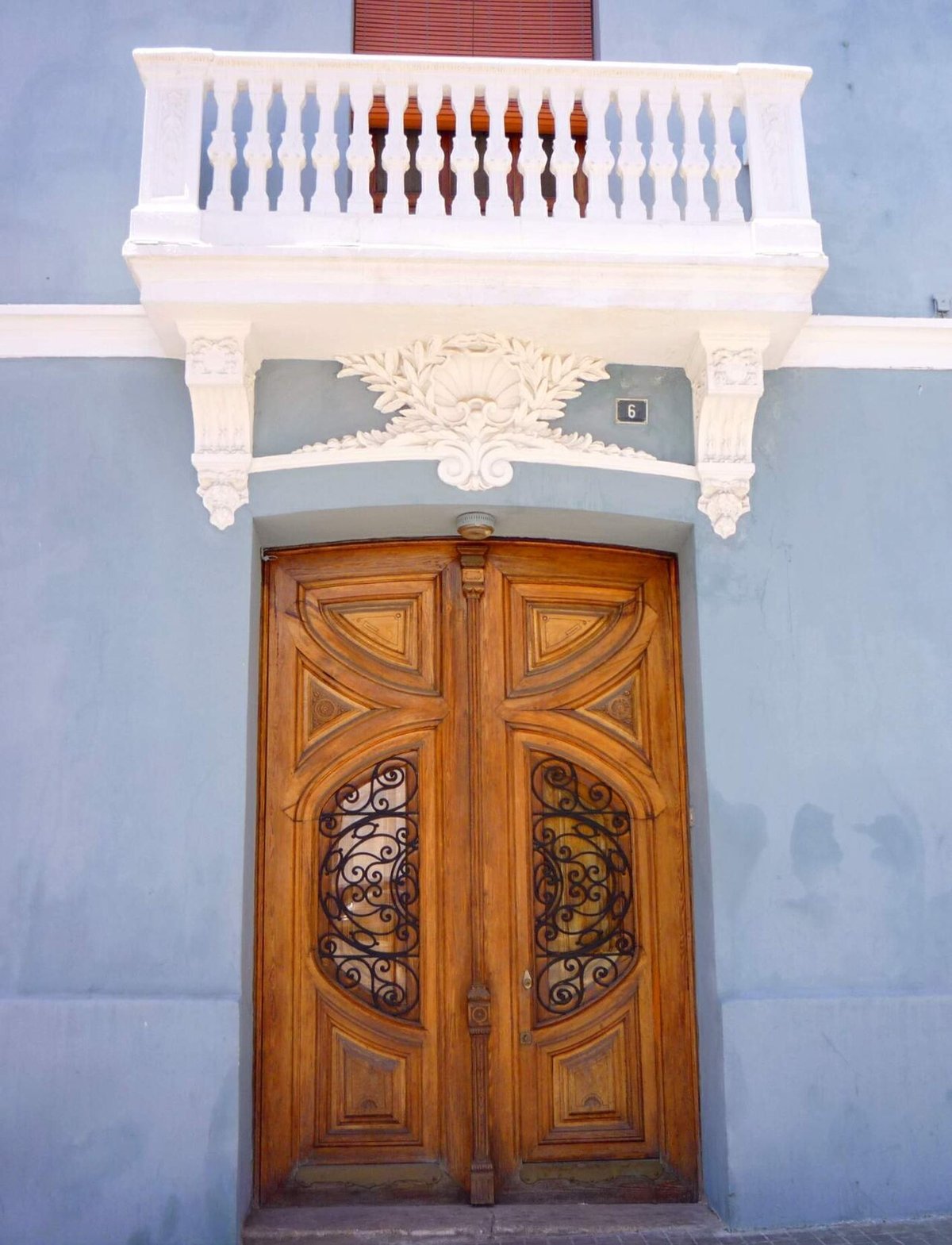
Look for details of traditional architecture among newer builds—some older houses still show their functional connection to agricultural life.
The town’s rhythm changes at specific times. Weekly market days generate activity, while the September fiestas, with their parades of Moors and Christians and street bands, make the community’s fabric more visible. In a town of this size, these events still mark the passage of the year.