Full Article
about Foios
Market-garden town with a notable church and farming heritage
Hide article Read full article
The name Foios appears in medieval documents as Foveos, although its roots seem older. It is often linked to the Latin word foveus, meaning a hollow or depression. The place name makes sense on the ground. Foios lies in a slight dip within the fertile market garden belt known as the huerta, just a few kilometres from Valencia.
Archaeological remains from the Roman period have been found within the present municipal area, associated with agricultural estates. That is no surprise in this productive stretch of l’Horta Nord, where farming has shaped both landscape and settlement for centuries.
A huerta still in use
Foios is not about viewpoints or sweeping panoramas. It reveals itself best on foot. Once you cross from the built-up area into the surrounding fields, the change is immediate. Small plots sit side by side, irrigation channels carry water along routes laid out generations ago, and narrow tracks still see tractors pass through.
Rows of orange trees line the fields. An occasional old carob tree stands apart. Scattered farmhouses appear, often with a traditional forn de paella outside, a wood-fired structure used to cook the region’s most emblematic dish during family gatherings and celebrations.
Here, the huerta remains a working environment rather than a backdrop. In the municipal market, open several days a week, it is common to find produce that has come directly from nearby fields. Citrus fruits, seasonal vegetables and sweet potatoes are among the goods on sale. The same sweet potato later turns up in pastissets, small pastries prepared in local homes.
Across different parts of the municipality, former rajolars can still be seen. These brickworks once fired tiles and bricks using local clay. Some retain their vaulted kilns and the open areas where pieces were left to dry in the sun. For generations, this craft was tied to the village and to the very construction of the huerta landscape, providing materials for farm buildings and houses.
Sant Miquel and the historic streets
At the heart of the old town stands the church of Sant Miquel Arcàngel. The current building dates back to the medieval period, although it has undergone later alterations. Gothic elements remain visible alongside additions from subsequent centuries. Its brick bell tower rises above the surrounding streets and acts as a clear point of reference when approaching from the rural paths.
Inside the church, the Virgen del Patrocinio is venerated. According to tradition, she has been the local patron since the seventeenth century. Religious celebrations linked to her still hold an important place in the annual calendar, particularly in September.
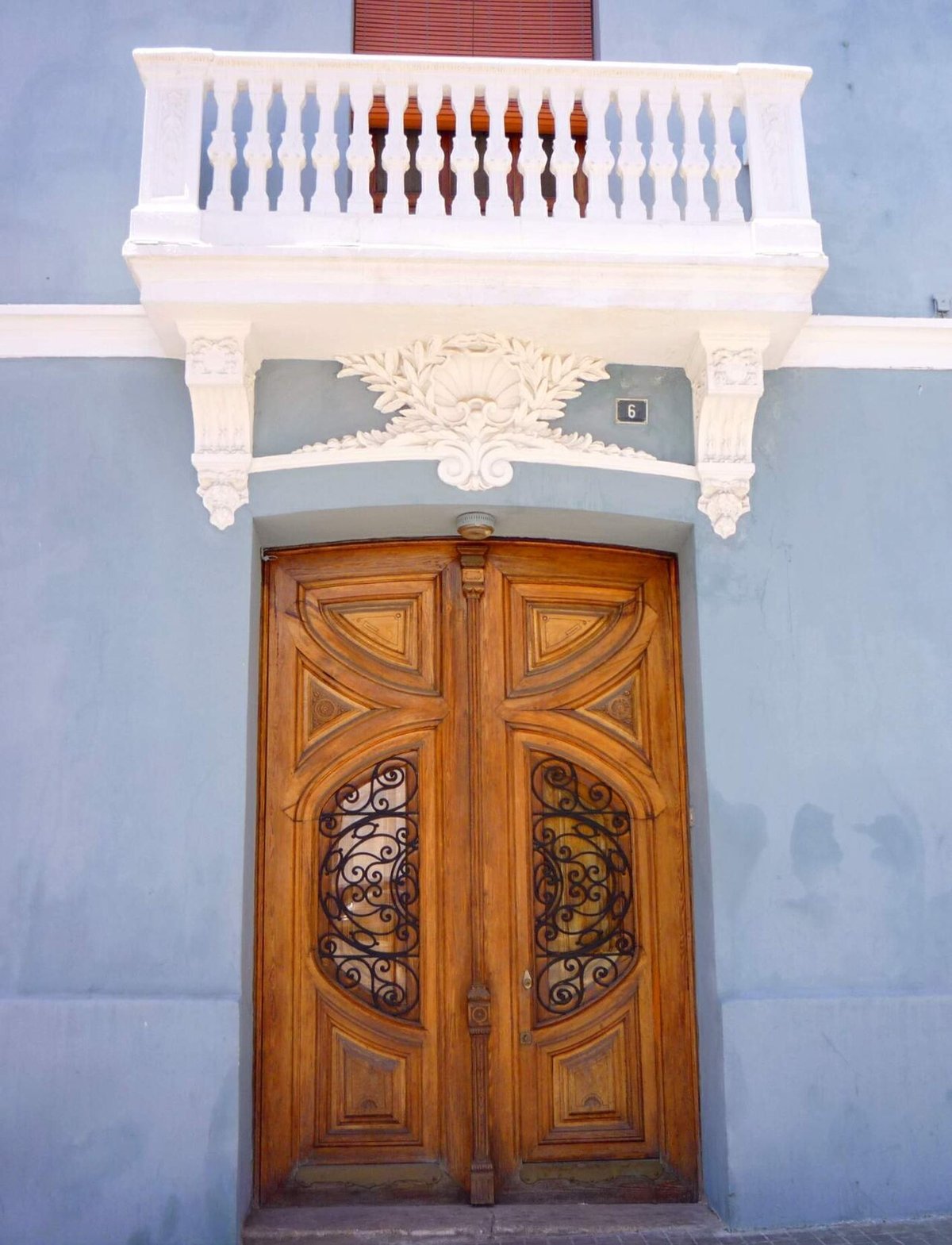
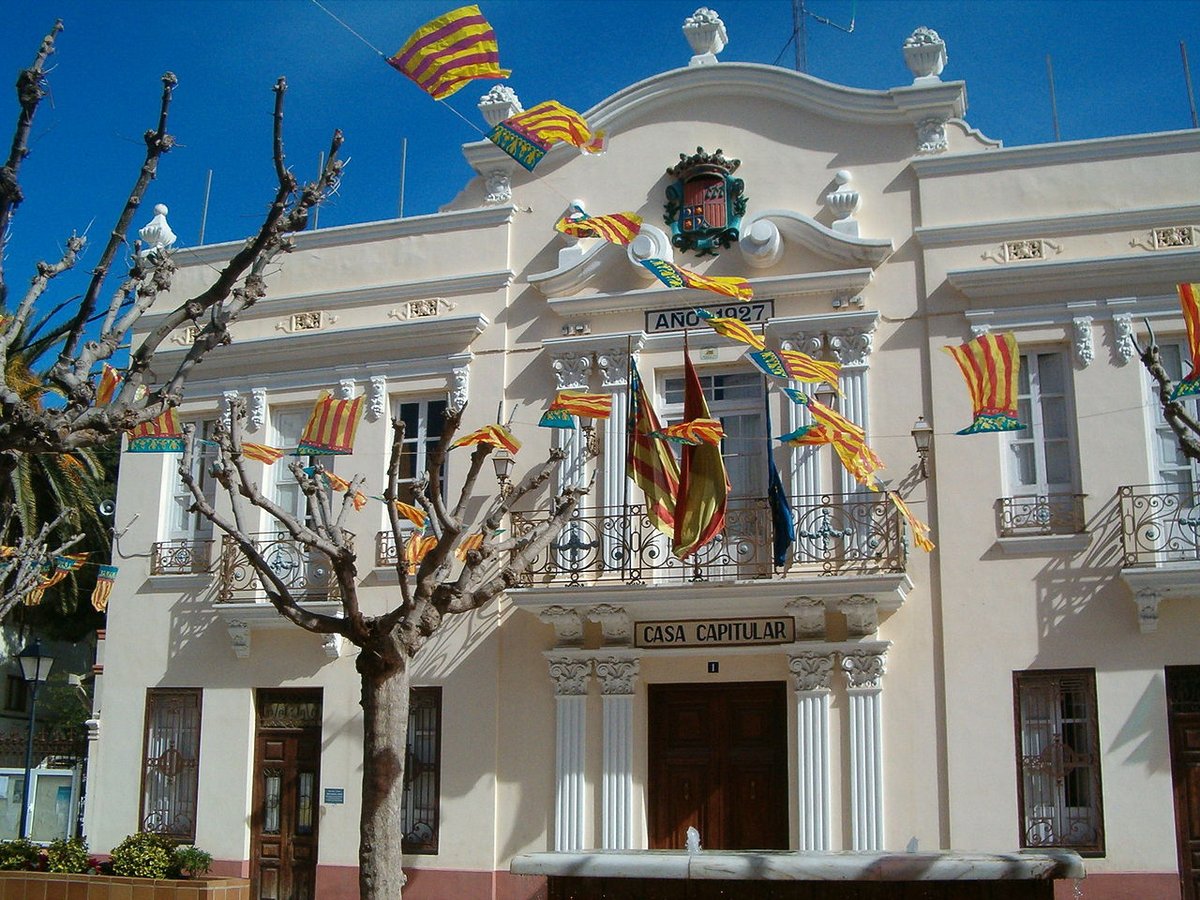
Around the church, the oldest street layout has been preserved. Carrer Major features several houses built between the eighteenth and nineteenth centuries. Many display wrought-iron balconies and wide doorways designed for carts. Small domestic details survive on some façades, such as brackets for lamps or ceramic tiles set into corners. They hint at the agricultural prosperity that marked the huerta during that period.
The scale is modest and easy to explore. A short walk connects the church, the main streets and stretches where the original agricultural layout can still be sensed within the urban fabric.
Cooking from the fields
One dish closely associated with this part of l’Horta is arròs amb fesols i naps. This is a soupy rice, hearty and substantial, combining white beans, turnip and pork. Traditionally it was prepared when families gathered together or during neighbourhood festivities, a recipe suited to feeding a group.
Local sweets are equally tied to the pantry of the huerta. Pastissets filled with sweet potato are common, particularly in cooler months. There is also coca Cristina, a thin flat cake made with ground almond and sugar. These are homemade preparations that continue to circulate during family celebrations and at village festivities rather than everyday bakery items.
Food here reflects what grows in the surrounding fields and what has long been available in local kitchens. The connection between land and table remains direct.
When the festivals arrive
The festive calendar in Foios combines celebrations widely observed across the Comunidad Valenciana with its own traditions. During the Fallas, a large sculptural monument is erected in the centre of the village. Social life revolves around the casal fallero, fireworks and shared meals. The Fallas, celebrated each March, are known across the region for their satirical figures and the ritual burning that closes the festivities.
Throughout the year, several revered images from the parish are carried in procession. Among them is the Cristo de la Fe, an old carving that neighbours have protected over generations. It forms part of the village’s collective memory and appears on key religious occasions.
September brings the patronal festivities dedicated to the Virgen del Patrocinio. Over those days there are religious acts, music in the streets and communal meals that draw together a large part of the population. The balance between devotion and social gathering reflects patterns seen across many Valencian towns, yet the scale in Foios remains distinctly local.
Getting there and walking around
Foios lies around fifteen minutes from Valencia by road via the V‑21. It can also be reached by metro from the city, with a station a short distance from the centre.
The urban area can be covered in little time, taking in the church, the main streets and fragments where the agricultural past is still evident. For those who prefer to walk further, it is enough to head out towards the paths of the huerta. They are flat and link Foios with other nearby towns in l’Horta Nord.
Closed footwear is advisable if venturing onto dirt tracks after irrigation, as the fertile soil of the huerta can be slippery underfoot. At certain times of year it is also common to encounter farmers burning pruning remains. The light smoke has formed part of this agricultural landscape for generations, a reminder that in Foios the fields are not a relic of the past but an active, working environment.