Full Article
about Godella
Residential municipality with historic orchards and quarries and a cultural vibe.
Hide article Read full article
A place that sits between village and city
Godella feels like it’s trying to hold onto its village identity while standing right next to Valencia. It’s close enough to reach easily by metro, yet it insists on behaving like a small town. That tension is exactly what makes it interesting.
At first glance, it doesn’t look especially distinctive. You arrive, step out, and see fairly ordinary streets, blocks of flats, parked cars. It could be any town on the edge of a city. Then the terrain starts to tilt upwards. In Godella, you are often walking uphill, and that slow climb begins to change what you see.
The place reveals itself gradually. What seemed unremarkable at street level turns into something more unusual as you move higher, where older forms of living still shape the landscape.
Cave houses before they were fashionable
One of the most surprising features of Godella sits quietly on its slopes: cave houses.
In the 19th century, when people from Valencia looked for cooler air away from the coastal heat, some came here and adapted the land in a very direct way. They dug homes into the hillside. These cave dwellings included rooms carved into the earth, with chimneys and sometimes a small open space at the front, which today is often filled with potted plants.
In the early 20th century, a magazine referred to the residents as “modern troglodytes”, not without a hint of irony.
A fair number of these homes still exist. Walking through this area can be slightly disorienting at first. Without context, the houses seem small, with low façades. Once it’s explained that entire rooms extend into the hillside behind them, the scale shifts in your mind.
There is a short, signposted route through the cave area. It doesn’t require planning or much time. It’s more of a gentle wander than a formal visit, and it leaves a distinct impression: something unusual, very close to Valencia, and easy to miss if you don’t know where to look.
From farmland to summer retreat
Godella doesn’t overwhelm visitors with historical storytelling, but its past is present if you pay attention.
Roman remains have been found within the municipality, including a tombstone uncovered during construction work. That tells you people were passing through here nearly two thousand years ago. The settlement as it exists today took shape after the Christian conquest in the 13th century, when a former Muslim alquería came under the control of feudal lords linked to the Crown.
For centuries, it was a straightforward agricultural community within the Valencian huerta. Fields, irrigation channels known as acequias, and rural paths defined daily life.
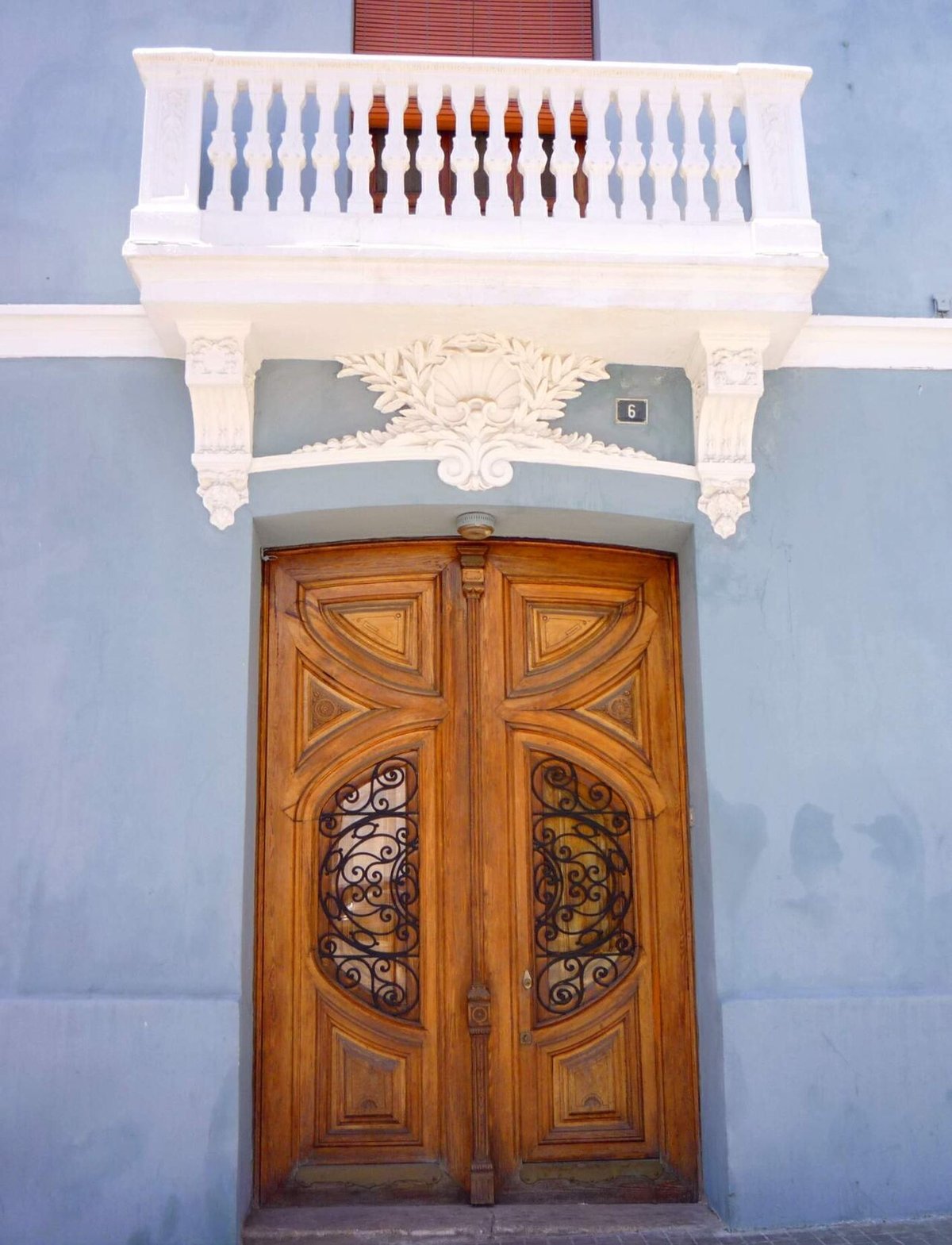
The shift came in the 19th century. Wealthier families from Valencia began to use Godella as a summer escape or second home. They were looking for cleaner air and a bit of distance from the city, without going too far. Larger houses started to appear, some with modernist details that can still be spotted on certain façades.
That dual character took hold and never quite left. On one side, working farmland. On the other, a place shaped by seasonal residents seeking comfort and space.
Local festivals that feel like they belong to locals
The main celebrations in Godella don’t feel designed for visitors, and that is part of their appeal.
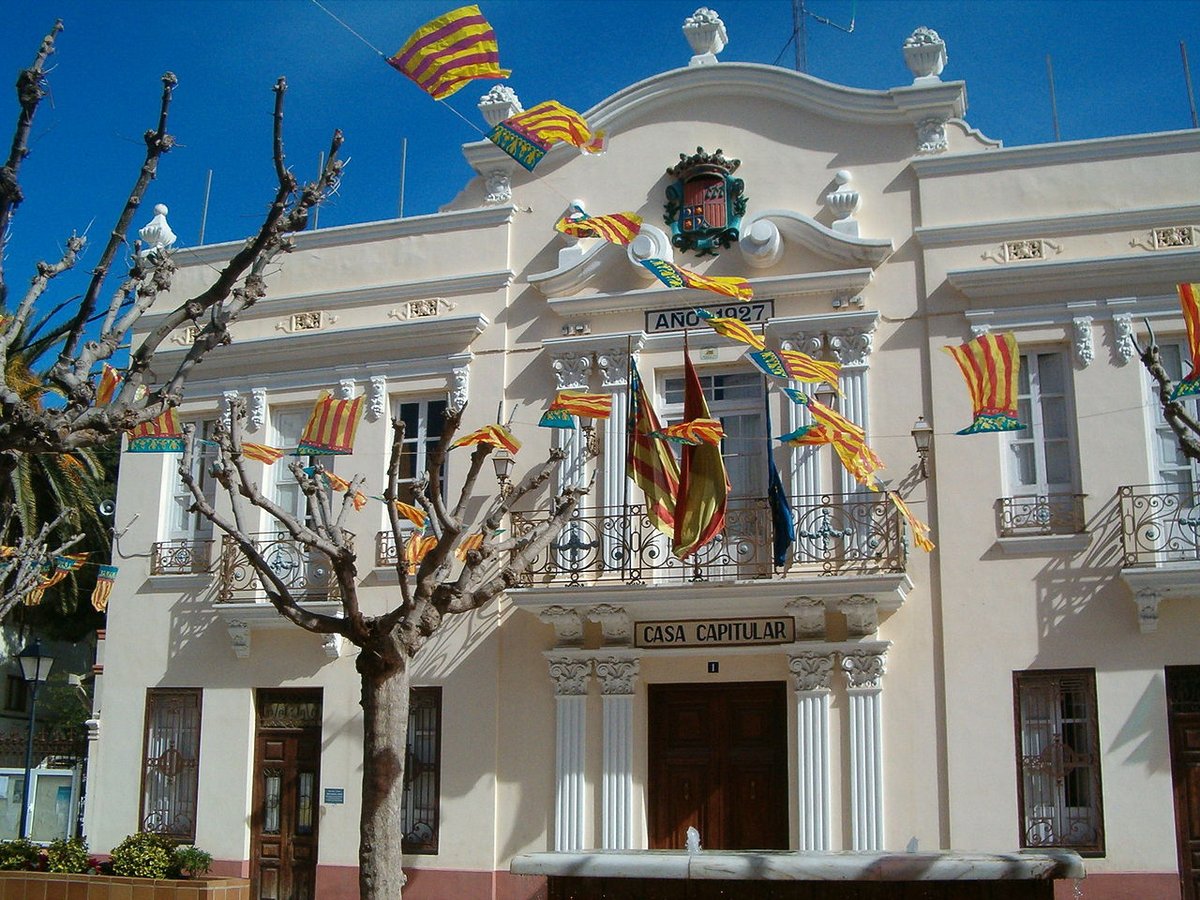
The patron saint festivities of San Bartolomé take place around mid-August. This timing is slightly ironic, as many people in Valencia are thinking about the beach. In Godella, the atmosphere stays firmly rooted in local life. There are groups of friends, music in the square, religious events, and plenty of familiar faces. It feels more like a large neighbourhood gathering than a show.
In spring, there is usually a romería, a traditional pilgrimage, to the Ermita del Salvador, set in a higher part of the area. The route passes through pine trees and cultivated land. Many people walk together in groups. Once there, the custom is simple: eat something light, often cocas saladas or other small bites, and spend the morning outdoors.
Corpus Christi, when celebrated, also keeps long-standing traditions. Some streets are covered with floral carpets made by residents the night before. The following day, a procession walks over them. By the end, everything is cleared away and daily life resumes as if nothing unusual had happened.
Eating well without making a fuss about it
Godella is not the kind of place people travel to purely for food. Still, being in the middle of the Valencian huerta has its advantages.
One dish appears frequently at family gatherings: arroz al horno. It is a baked rice dish that typically includes pork, sausage, chickpeas and, when in season, artichokes from nearby fields. It’s the sort of meal associated with long, unhurried Sundays.
After eating, the surroundings invite a walk. Several simple paths begin near the town centre and lead towards cultivated land or small pine groves, including areas such as El Poyo or La Dehesa. This is not rugged countryside. These are calm routes where you pass irrigation channels, fields, and the occasional cyclist.
Within a short distance, the sounds of traffic give way to the smell of damp earth and orange blossom when the season is right.
So, is it worth the trip?
It depends on expectations.
Anyone looking for a postcard-perfect village with medieval streets and stone houses will not find that here. Parts of Godella feel like a typical town within a metropolitan area.
But for those interested in places that don’t fit neatly into one category, it offers something different. A mix of hillside cave homes, agricultural surroundings, and traces of a past as a summer retreat, all within easy reach of Valencia.