Full Article
about Paterna
Large industrial city known for La Cordà and its historic cave dwellings.
Hide article Read full article
A neighbour just outside Valencia
Paterna sits right on the edge of Valencia, close enough to feel connected yet far enough to have its own rhythm. It has the air of a place that quietly goes about its business, surrounded by farmland, newer residential areas and large industrial estates. Watching over it all is its most recognisable feature, the Torre Árabe, standing above the old quarter like a constant presence.
Recent figures put the population at over 70,000. Even so, many locals still react with surprise when that number comes up. Growth has been steady for years, driven largely by people who work in Valencia but choose to live a little further out. The result is a place that shifts between different identities. Some streets remain calm and local, others feel closer to a busy town.
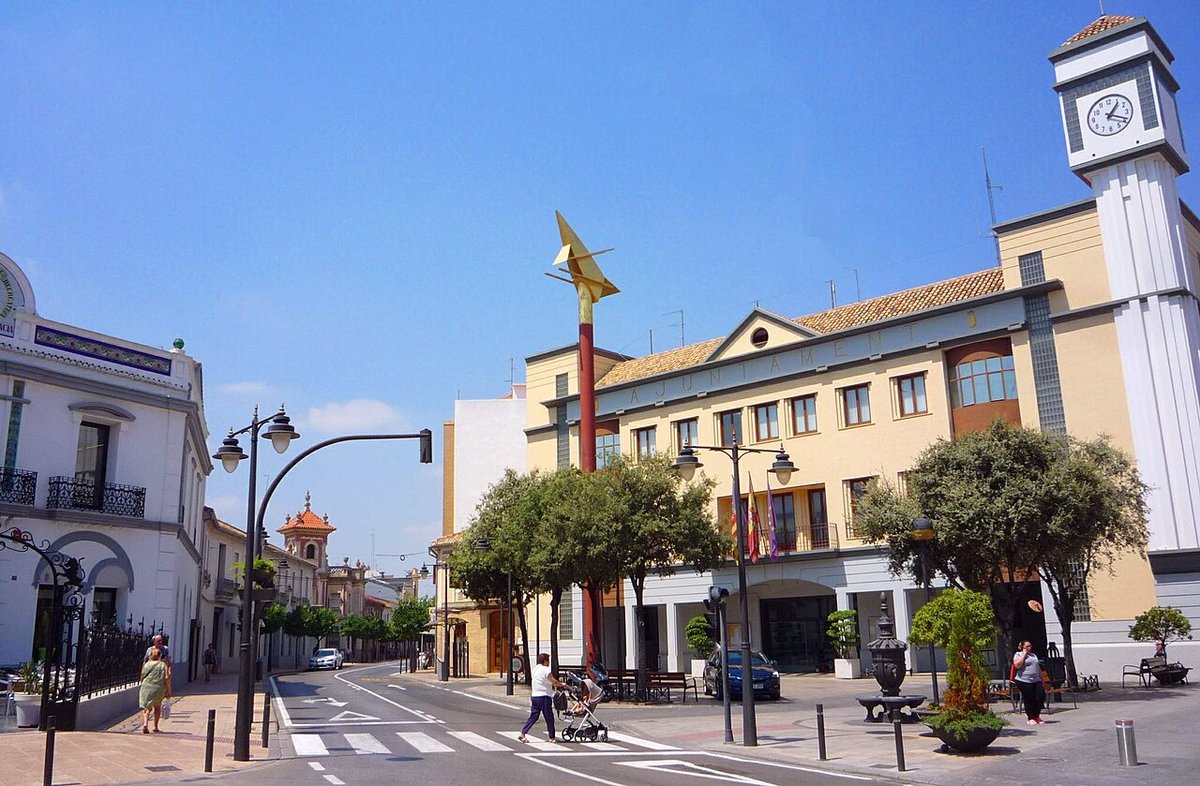
Industry plays a big role here. Several industrial areas surround Paterna, some so large they resemble entire districts devoted to work. In contrast, the historic centre is compact. It can be covered quickly, a small cluster of streets gathered around the tower.
Between earth and memory: the caves
One of the more unexpected features of Paterna is the Cuevas del Batà. These are not caves in the natural sense but homes carved directly into the earth. For many years they were lived in by local families, complete with kitchens, sleeping areas and everything needed for daily life.
Today, some of these cave houses are open as part of a small ethnological museum. It is not a vast or elaborate exhibition, but it gives a clear sense of how people lived here in the not so distant past. The interiors are simple: low ceilings, earth walls and that distinct coolness typical of underground spaces.
The Ruta de las Cuevas links several of these points through a short walk in the old quarter. It begins near the Torre Árabe and winds down narrow streets where doorways appear half hidden in the slope. After rain, or when the ground is damp, the soil tends to cling to shoes, a small detail that adds to the sense of place.
When the town shifts into celebration
Certain times of year bring a noticeable change in pace. San Blas, held in February, is one of the key moments. For a few days, the streets fill with stalls, the smell of bunyols de calabaza and plenty of fireworks. It does not match the scale of Valencia’s famous Fallas, but the atmosphere feels close-knit. Families head out together, even in the cold, and the town takes on a more communal rhythm.
Summer brings another well-known event: the Nit de l’Albà. Fireworks are launched from different points across the municipality, lighting up the sky for an extended display. Many people watch from the street or from their own terraces, often with folding chairs and something cold to drink. There is usually someone nearby commenting on each firework as if narrating a live event, adding a familiar, local touch.
The tower that defines the skyline
The Torre Árabe is the landmark that anchors Paterna. It has stood for centuries at the top of the historic centre, remaining a reference point even as the town has expanded around it.
When open to visitors, it is possible to go inside and climb up. The main appeal lies in the views. From above, the surrounding landscape comes into focus: farmland, newer neighbourhoods, industrial zones, and on clear days the sense that Valencia is very close. The visit itself is not long, and the tower is not especially large, but it helps explain how the area once functioned as a defensive position.
Afterwards, many people end up in the square below, looking back up at the tower. It is the kind of place that invites a pause, if only to consider how many generations have passed through the same spot.
Rice at the centre of the table
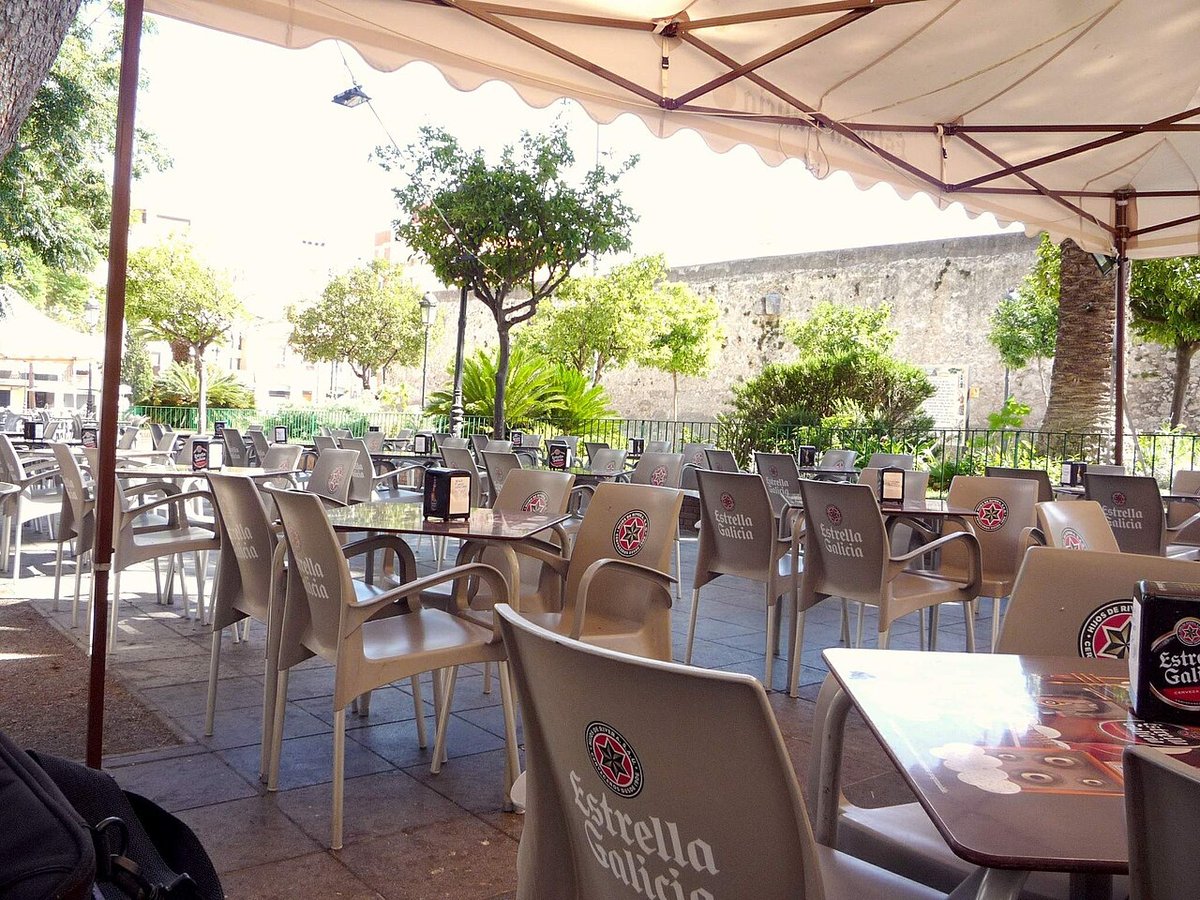
Food in Paterna leans towards the familiar and the traditional. Rice dishes are not prepared with visitors in mind but as part of everyday life, especially for weekend meals and family gatherings. In the centre, it is common to find classic combinations such as rabbit, chicken and garrofón, a large local bean, cooked into rice with a slightly toasted base that many people look for.
Arroz al horno also appears frequently. It is served in a clay dish with a golden crust on top, along with ingredients like panceta, morcilla and potato. It may not stand out visually at first glance, but its popularity locally says enough about its appeal.
Another local speciality is the tortà de Paterna, an almond sponge cake known in the area. It seems simple at first, yet becomes more interesting with each bite.
A short visit that stays with you
Getting to Paterna is straightforward. It is very close to Valencia by road and also connected by metro, with a line that reaches near the centre.
This is not a destination that demands a full day. It works better as a shorter plan, perhaps a morning visit or a long lunch. A walk through the historic centre, a look at the caves, a climb up the tower, and a relaxed meal are enough to get a sense of the place.
In a few hours, the essentials come into focus. Paterna leaves an impression that is less about standout sights and more about atmosphere, the feeling of having spent time somewhere that continues to live at its own pace just beyond the edge of a larger city.