Full Article
about Puçol
Municipality between sea and mountains with a quiet beach and the natural area of La Costera.
Ocultar artículo Leer artículo completo
The 09:17 from Valencia's Estació del Nord pulls into Puzol station with just three carriages. No-one fights for seats. No-one brandishes selfie sticks. Instead, retired Brits in hiking boots shuffle off with Ordnance Survey-style maps of the orange-blossom trails, while locals wheel tartan shopping trolleys towards the Sunday market. Twenty-five minutes earlier these same passengers were dodging stag parties in Plaza de la Reina. Here, the platform clock ticks slower and the air smells of sea salt and citrus.
Puzol's beach stretches two kilometres, wide enough that August families can still find space without paying for sun-loungers. The sand mixes fine grains with pea-sized pebbles—pack flip-flops rather than bare feet. A simple paseo marítimo parallels the shore: no karaoke bars, no foam parties, just a low white chiringuito called El Pirata that does plates of chipirones and, inexplicably, battered merluza with vinegar for homesick Brits. Lifeguard posts fly the blue flag, yet outside July and August you'll share the shallows with local pensioners doing widths and the occasional windsurfer tacking south towards El Puig.
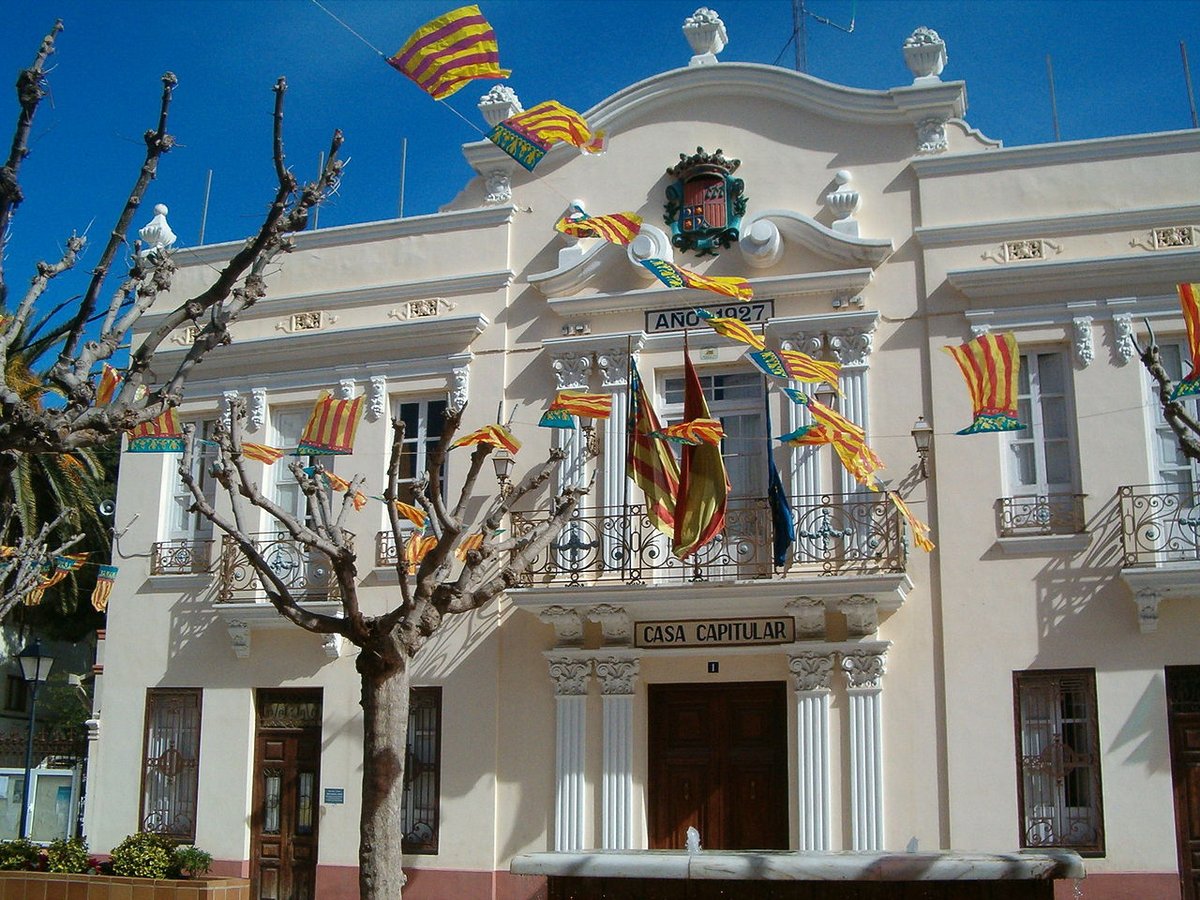
Behind the frontline of 1970s apartment blocks lies the original village, population 5,000 once the summer caravan crowd departs. Narrow lanes open onto the Plaza de la Iglesia where the Santos Juanes church squats—part-Gothic, part-Baroque, wholly shuttered between 13:00 and 17:00. Its bell tower serves as orientation: lose sight of it and you've wandered into the huerta, the irrigated plain that still feeds Valencia city. Concrete irrigation ditches run between rectangular plots of orange and lemon trees; farmers on tiny tractors raise a hand as you pass. In April the blossom releases a scent strong enough to drown out the roadside exhaust from the AP-7.
The Sunday market fills Avenida País Valencià from 08:00 until the sun overheats the produce. Stalls hawk knobbly tomatoes, coriander bunches thicker than Waitrose bouquets and plastic cups of fresh juice for €1.50. The 1950s Mercado building at the top of the hill houses permanent stalls—one butcher advertises "Bacon like UK" beside strings of morcilla. Upstairs, spotless loos provide relief before the train ride back; downstairs, Café d'Ana serves builder's tea and fry-ups to caravaners who've clocked the handwritten notice: "English breakfast €6.50, brown sauce available."
Food elsewhere sticks to rice. Arroz al horno arrives in earthenware cazuelas at lunchtime, the pork rib and chickpea version substantial enough to sink a small spade into. Paella de verduras appears on Thursdays at Camping Puzol's bar—no need to pre-order outside Easter or August, just wander over from your pitch and they'll start the gas burner. Evenings belong to caldereta: fish stew thickened with potatoes and saffron, best mopped with supermarket baguettes because local bakeries close at 14:00.
Cycling defines the shoulder seasons. The coastal plain is flat, signed lanes run north to coastal Sagunto (Roman theatre free entry, Wednesday mornings quietest) and south to mass-packed Malvarrosa if you miss crowds. Mountain bikes can head inland on farm tracks, though the serious climbs begin 15 km west where the Calderona range rises. Bring spare tubes: thorns from fallen oranges puncture cheaper tyres. Bike hire is non-existent; Reception at either campsite will lend tools but not bicycles.
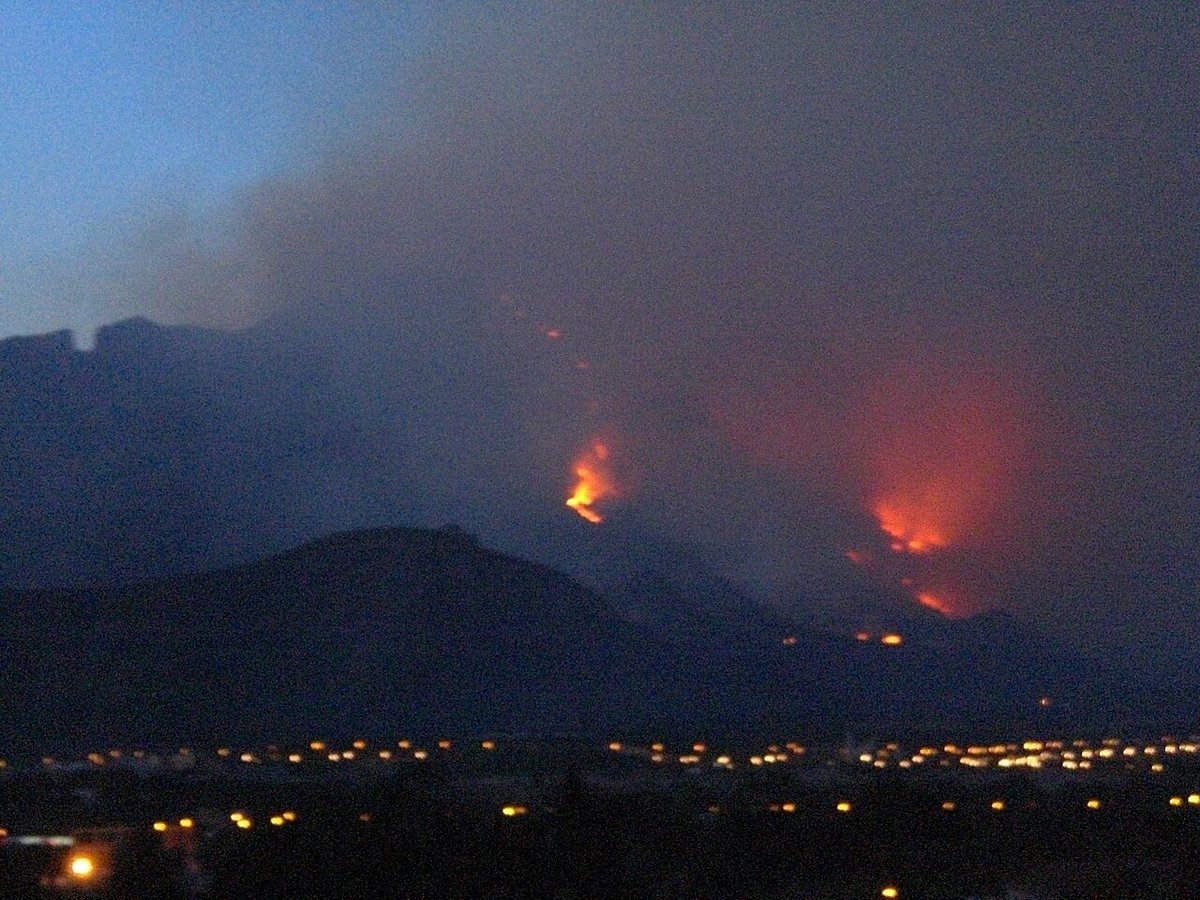
Winter visitors find a different town. Beach bars dismantle their terraces, fishermen mend nets on the promenade and rental blocks stand half-empty. Daytime temperatures hover around 16 °C—perfect for walking the GR-92 coastal path, less perfect for swimming. Trains still run every thirty minutes but the last service back from Valencia shifts to 22:52; miss it and a taxi costs €40. January brings the Sant Antoni bonfires: locals drag old furniture onto scrubland near the dry riverbed, add fireworks and stand well back. It's community theatre without risk assessments.
Practicalities remain straightforward. The Bonometro ten-journey ticket (€23.40) covers the 25-minute Cercanías ride plus Valencia's metro and buses—cheaper than five day returns. Parking near the beach is free October–March; summer Sundays fill by 10:30 and the blue-zone charge is €1.80 an hour. Both campsites—Puzol and Altomira—accept tourers and will mind rucksacks if you want a beach day before check-in. Wi-fi reaches the washing-up sinks; signal drops among the orange groves.
What Puzol refuses to supply is postcard perfection. Apartment blocks rise too close to the dunes, graffiti tags the underpass and the evening passeggiata can feel like a parade of tracksuits. Yet that same everydayness delivers cheap beers, uncrowded sands and a market where produce prices are written in felt-tip, not chalked for Instagram. Come for the citrus-scented lanes, the €3.50 menu del día and a beach that doesn't require wristbands. Leave before you start correcting newcomers who still call it "Puçol"—proof you've stayed long enough to belong.