Full Article
about Vinalesa
Market-garden village whose landmark is the former Royal Silk Mill.
Hide article Read full article
At half past eight in the morning, sunlight cuts through the orange trees and lays golden rectangles across the asphalt of Calle Mayor. A man waters his potted plants with a hose while exchanging a few words in Valencian with a neighbour taking out the rubbish. Water runs along the gutter in small streams that smell of damp earth and orange peel. This is how Vinalesa often begins the day: unhurried, with that low, domestic murmur of a town tied closely to the surrounding huerta, the fertile agricultural belt typical of this part of Valencia.
It lies just a few kilometres from the city of València, within l’Horta Nord, yet it still holds on to its agricultural edge. Walk a couple of streets away from traffic and the soundscape shifts quickly. Roosters can be heard, along with irrigation motors and the occasional bicycle moving along paths between fields.
The murmur of silk
The former Fábrica Nacional de la Seda appears suddenly among low houses and small gardens. The building, with its reddish brick and pale stone corners, has a restrained, formal look that points to the late eighteenth century. At that time, a silk manufacturing operation was established here, promoted by entrepreneurs of French origin and authorised by the crown. For decades it served as one of the town’s economic drivers.
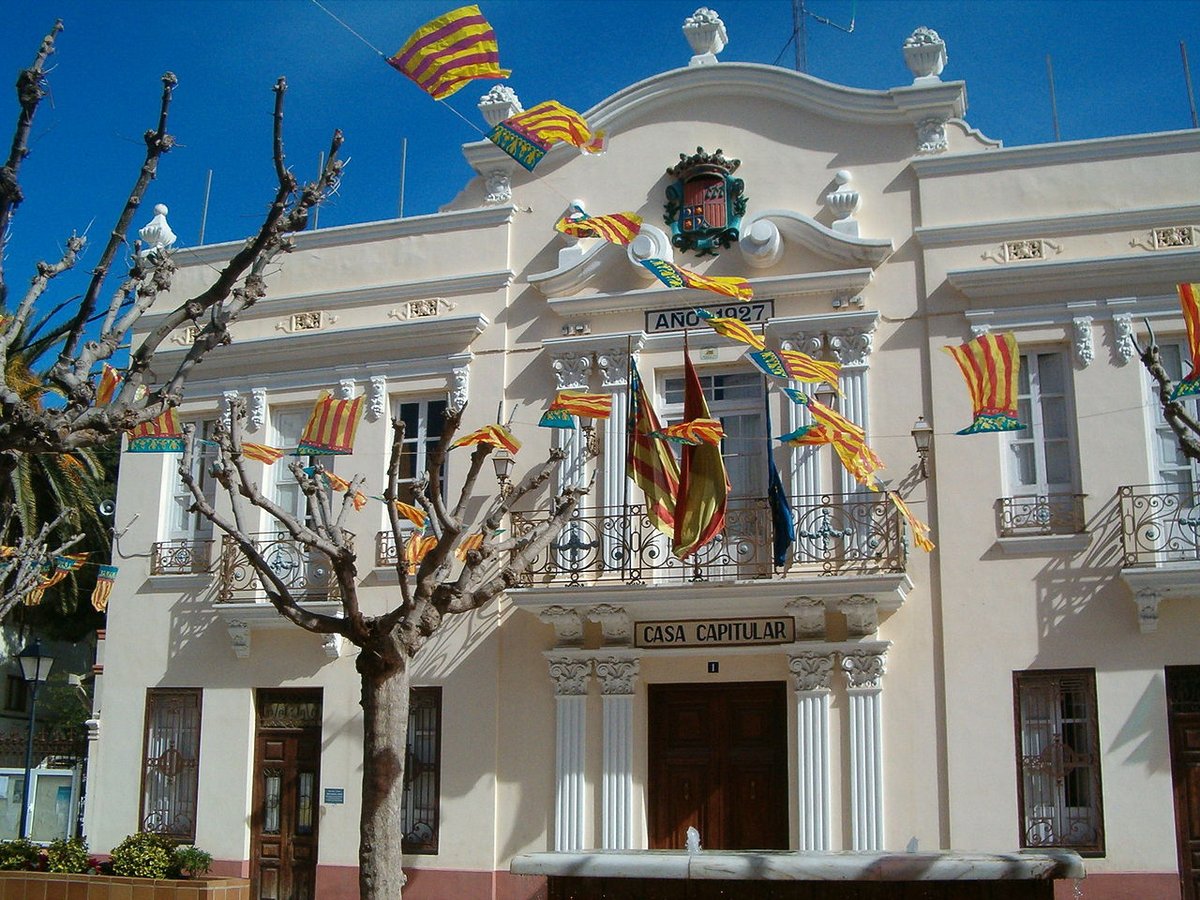
Today, the building functions as the town hall. Enter during quieter hours, when the place is nearly empty, and the corridors still carry a faint mix of lime, aged wood and stored papers. Some rooms recall the old looms and machinery that once filled the factory, a system of pulleys and transmissions that must have been quite advanced for its time. It is said that during the nineteenth century, industrial innovations not commonly seen in the Valencian huerta were introduced here, including steam-powered machinery.
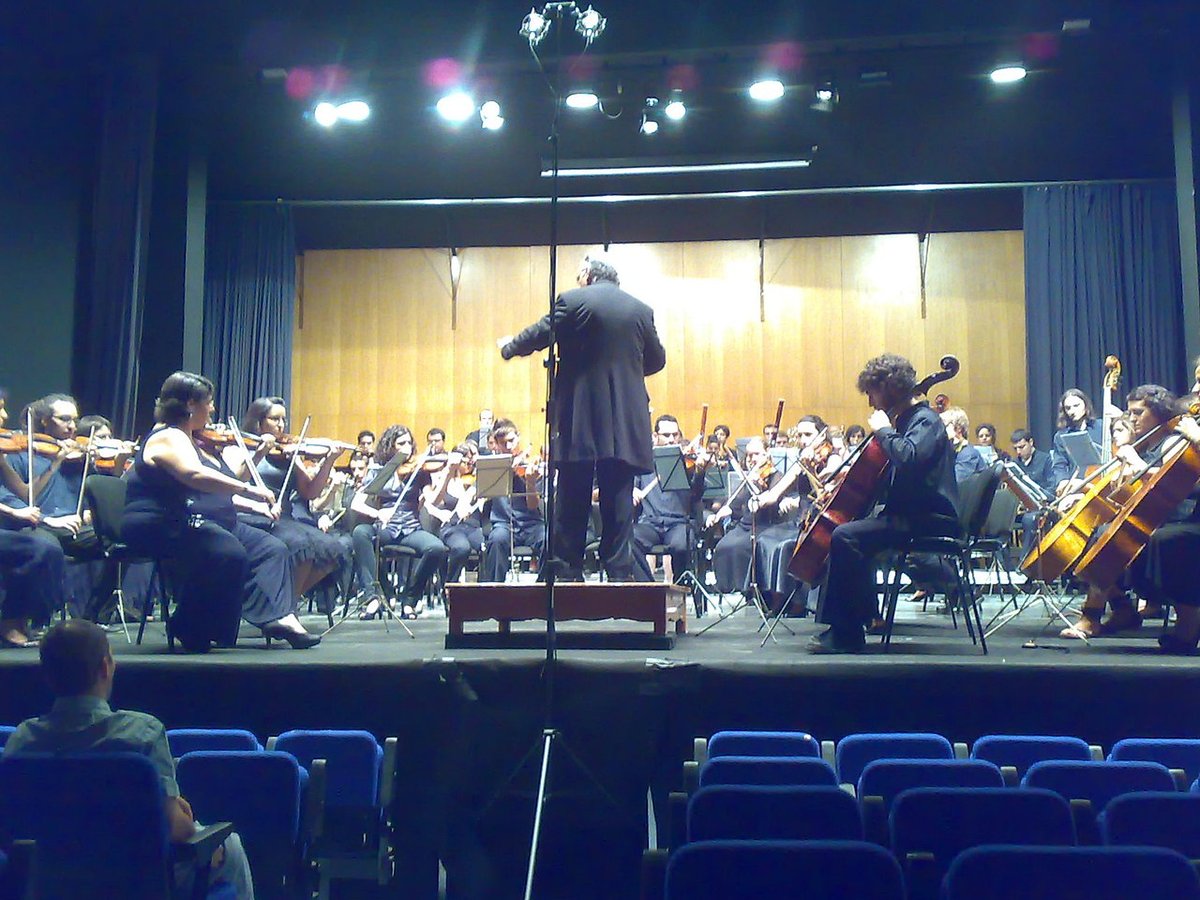
Activity declined well into the twentieth century. For years the building stood partly abandoned until the municipality restored it in the 1980s. It is now used for public events and everyday administrative tasks. Where looms once sounded, footsteps now echo on tiled floors, and on certain days, music students rehearse their instruments inside.
Bells and brick
The tower of the church of San Honorato rises above the red-tiled roofs. Parts of the complex date from the eighteenth century, although the brick section has an older feel, with a reddish tone that shifts noticeably depending on the light.
Climbing the bell tower is not always straightforward. Access is sometimes granted during organised visits by the town hall or on special open days. When the opportunity arises, the narrow stone staircase, worn along its edges, leads up to a wide view over the huerta. From this height, the structure of the landscape becomes clearer: rectangular plots, irrigation channels tracing straight lines, and patches of onions, potatoes or citrus depending on the season.
Inside the church, the atmosphere changes. There is a scent of wax and incense, and the light filters softly through high windows. In the afternoon, as the sun lowers to the west, the pale marble of the altar reflects a cooler light that casts faint bluish tones across the interior. In a side chapel stands the figure of San Honorato, the town’s patron saint, who is carried in procession during the May festivities.
Houses facing the sunrise
The alquerías, traditional rural houses scattered around Vinalesa, are not simply remnants of the past. Many are still lived in. Some are easy to recognise by their stone gateways or open porches where herbs and tools were once left to dry. On one, bunches of lavender still hang; on another, an old sign painted in blue hints at trades that once shaped the town.
Their orientation is deliberate. Many face east to catch the early sun and shield themselves from the drier winds coming from inland. These are practical choices repeated throughout the huerta.
Walking along these paths early in the morning, before engines start and dogs begin to bark, brings a slower rhythm. Rammed-earth walls show repairs from different periods. In some courtyards, old bread ovens can still be identified. They were once used to bake bread for several days at a time. Today they are often absorbed into gardens or storage spaces, though the brick arch remains visible.
May and its firecrackers
The festivities of San Honorato usually take place in May and shift the pace of the town for several days. Flags appear on balconies, chairs are brought out onto the street, and music can be heard from mid-afternoon.
At night, gunpowder defines the atmosphere. Tracas, strings of firecrackers typical of Valencian celebrations, run through certain streets with a sharp, echoing sound that bounces off the façades. For those unfamiliar with it, the intensity can come as a surprise.
The main procession moves slowly under the midday sun. Residents of all ages take part, and the local band plays a central role. When pasodobles begin, many doors open and people step out to watch from their thresholds or from the pavement.
Around the football ground and nearby areas, crowds often gather during the pyrotechnic events. Entire families come along with sandwiches, children running about nearby, as the town settles into a shared rhythm that blends noise, light and community.