Full Article
about Alaquàs
Metropolitan Valencia town noted for its striking Renaissance castle and cultural life.
Hide article Read full article
A town shaped by water and proximity
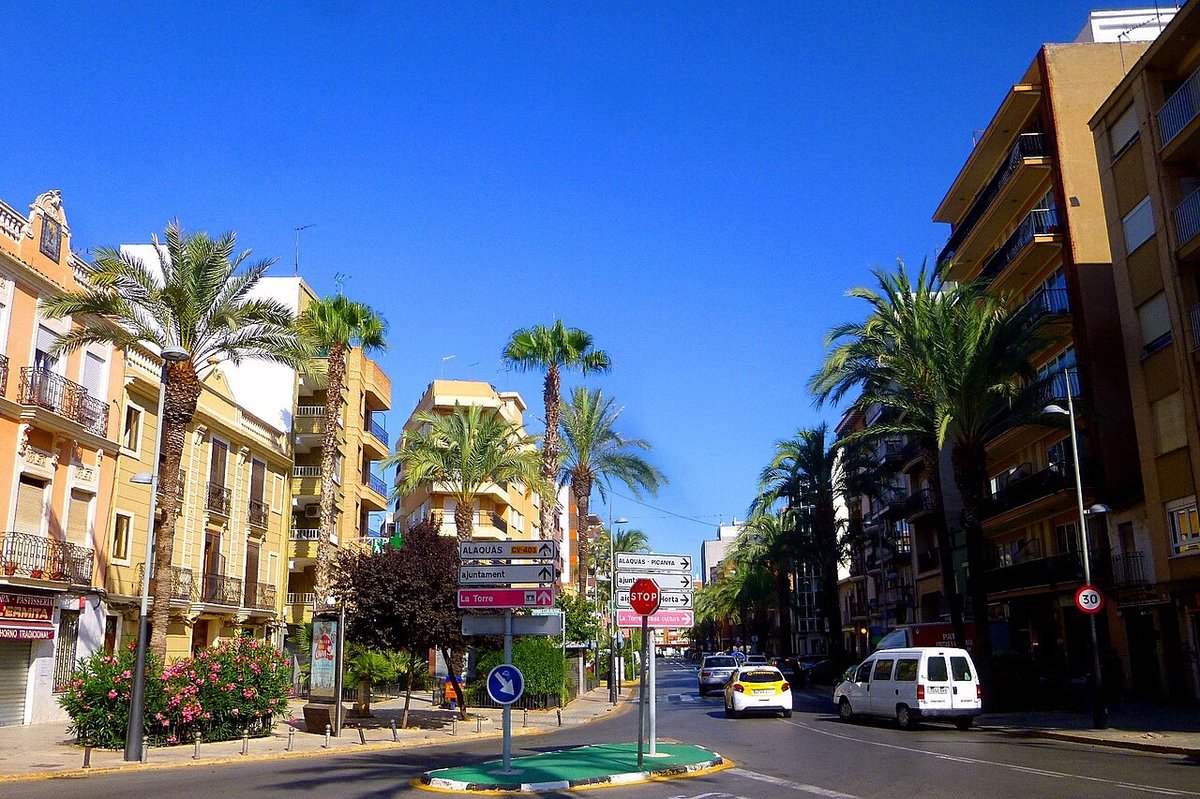
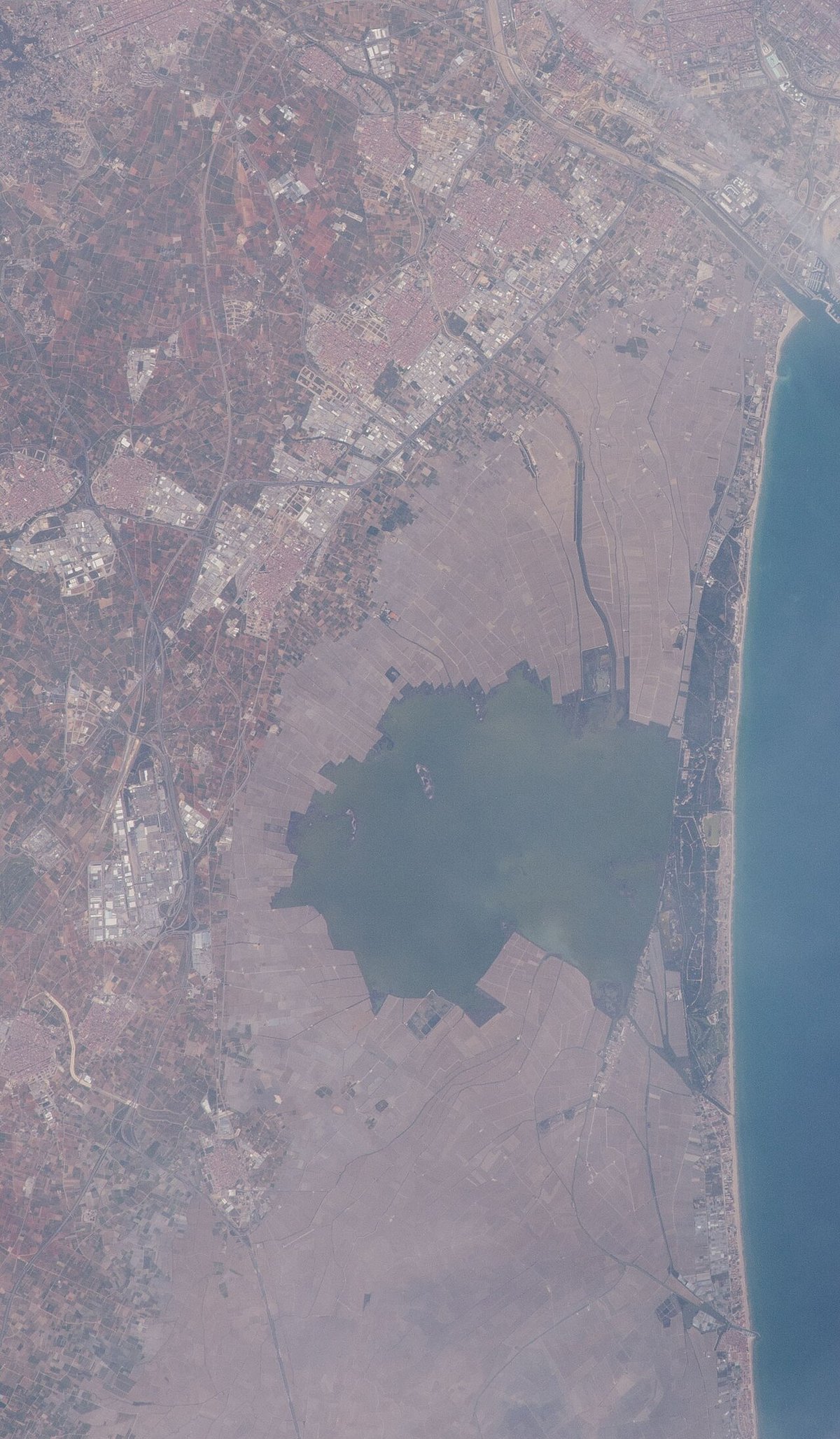
Talking about Alaquàs means starting with its setting. This is a municipality in l’Horta Sud, physically joined to Valencia and historically tied to the fertile farmland that supported the whole plain for centuries. Today, the continuous urban spread of the metropolitan area covers much of that landscape, yet traces remain. Patches of cultivated land still survive, along with the network of acequias, the irrigation channels that explain why settlement took root here rather than a short distance away.
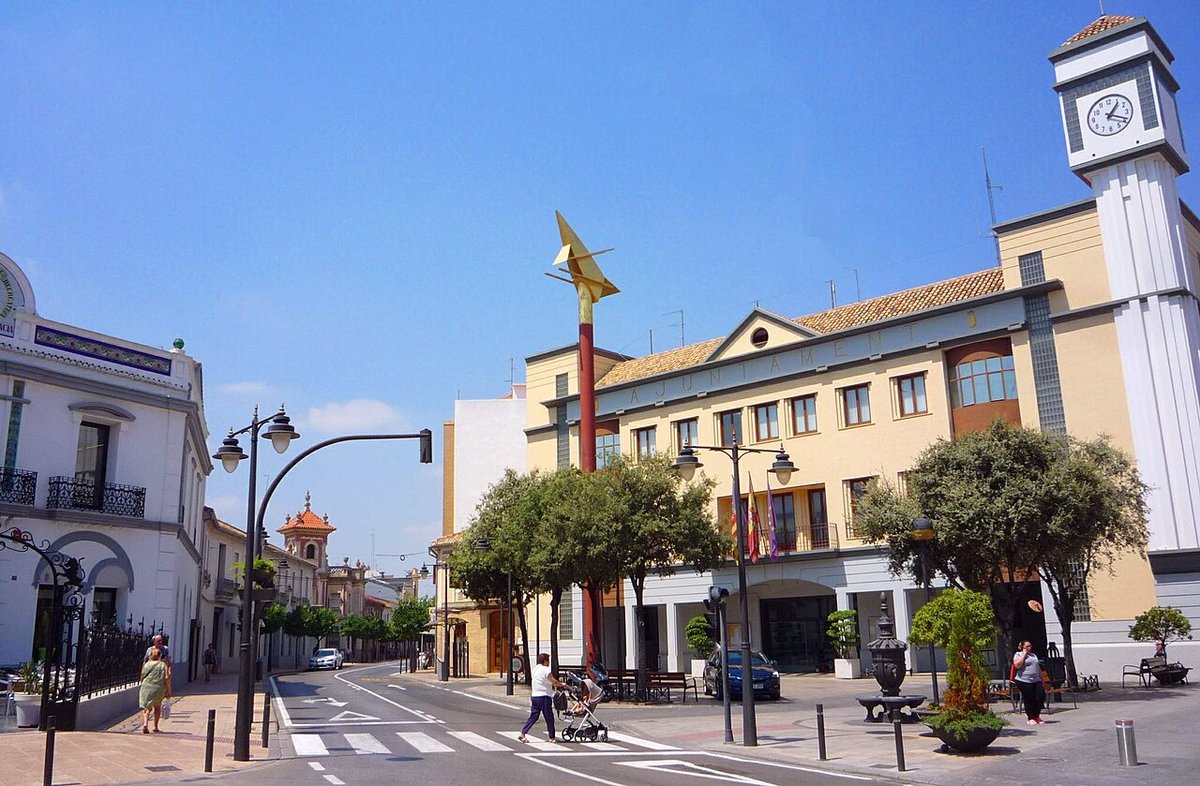
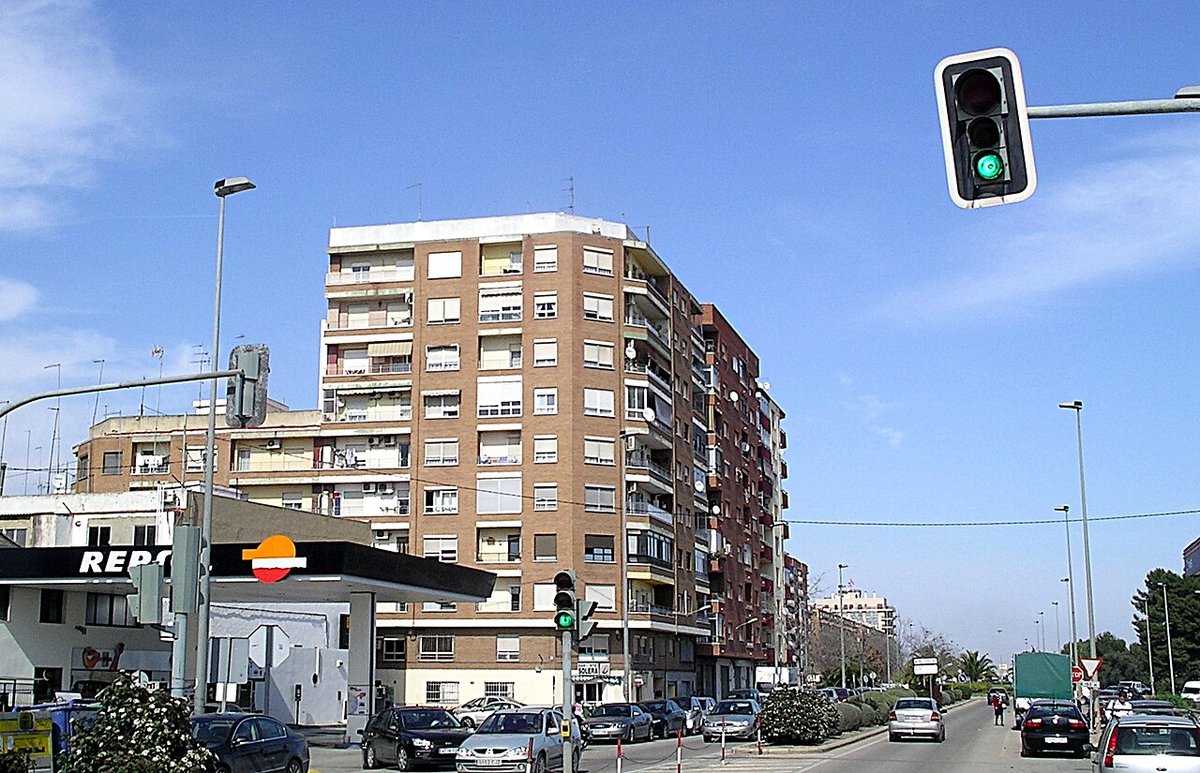
Just seven kilometres from the centre of Valencia, Alaquàs has expanded quickly since the mid-20th century. Even so, the historic core is still easy to recognise. Its layout revolves around a single building that anchors the town’s identity: a Renaissance castle-palace.
The castle at the heart of Alaquàs
The name Alaquàs is often linked to an Arabic term interpreted as “the arch”, although its exact origin is not entirely clear. What is certain is that the location once held a practical position within the network of routes crossing the Valencian huerta.
The focal point is the castle-palace of Alaquàs, built in the 16th century as a fortified noble residence. It does not resemble the typical medieval castle with extensive walls and imposing towers. Instead, it is a solid, square-plan structure organised around a central courtyard, with towers at each corner and relatively restrained defensive features.
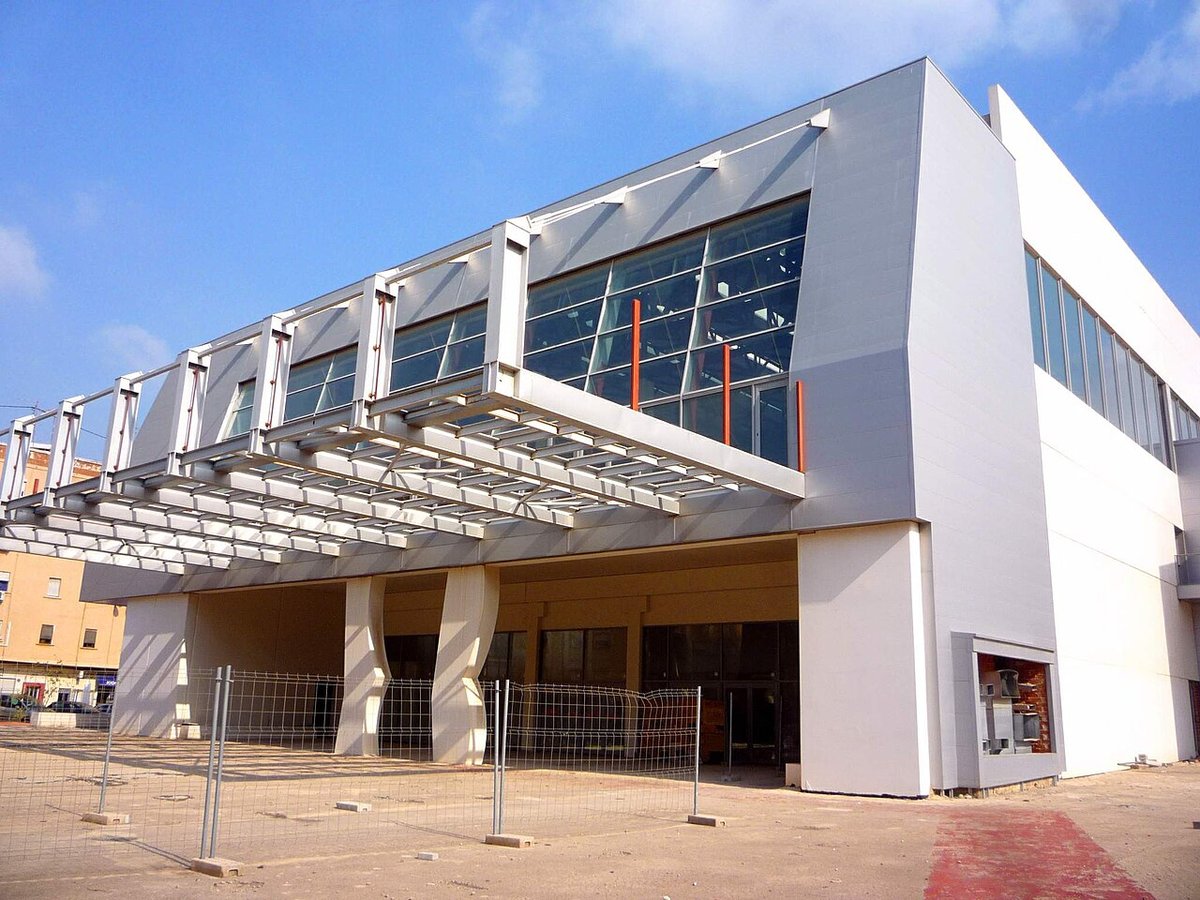
Its history reflects changing uses rather than dramatic events. For centuries it served as a noble residence, later taking on administrative and educational roles. Since the early 21st century, it has been adapted as a cultural venue and public library. The restoration that made this possible preserved much of its Renaissance character, particularly the arcaded courtyard and the interior staircase.
Today, the building is not a static monument but a functioning part of local life. Much of Alaquàs’ cultural activity is organised around it, making it a central reference point rather than an isolated historic site.
The huerta on the town’s edge
Although Alaquàs has more than thirty thousand inhabitants and a fairly dense urban layout, sections of huerta still fringe the town. This is part of the wider agricultural plain that defines l’Horta de València.
Here, what stands out is less the landscape itself, which has become increasingly fragmented, and more the traditional irrigation system. Several historic acequias cross the municipal area and continue to distribute water according to established turns. In many cases, these schedules have been passed down through generations. Some channels retain old names linked to the days their gates were opened or to the paths they followed.
Walking along these margins offers a clear sense of how the huerta once functioned before urban expansion. The pattern is simple: narrow plots, dirt paths between fields, and small hydraulic elements that control the flow of water. It is not a monumental route, but it reveals the practical organisation behind this agricultural landscape.
Santa María del Olivar and the lost convent
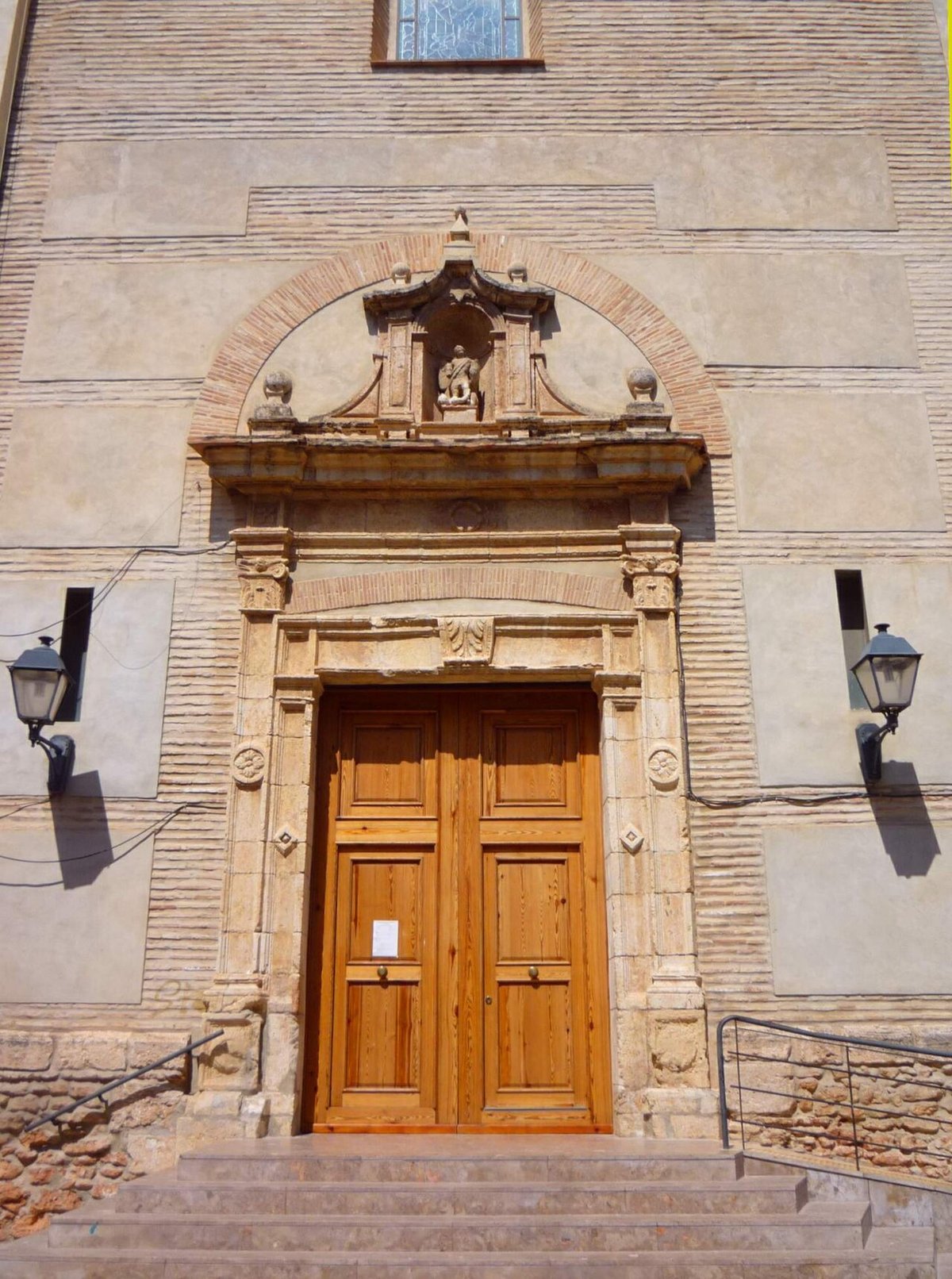
The church of Santa María del Olivar stands on the site where a convent of the Order of Minims was established in the 16th century. Its foundation dates to the first half of that century, a period when noble families promoted religious institutions across the Valencian huerta.
The convent disappeared following the disentailment processes of the 19th century, which led to the closure and redistribution of many ecclesiastical properties. What remains today is the parish church. Its interior largely reflects later alterations, with a main altarpiece in a restrained Neoclassical style. Local tradition also points to the preservation of an older image of the Virgin, associated with the town’s celebrations.
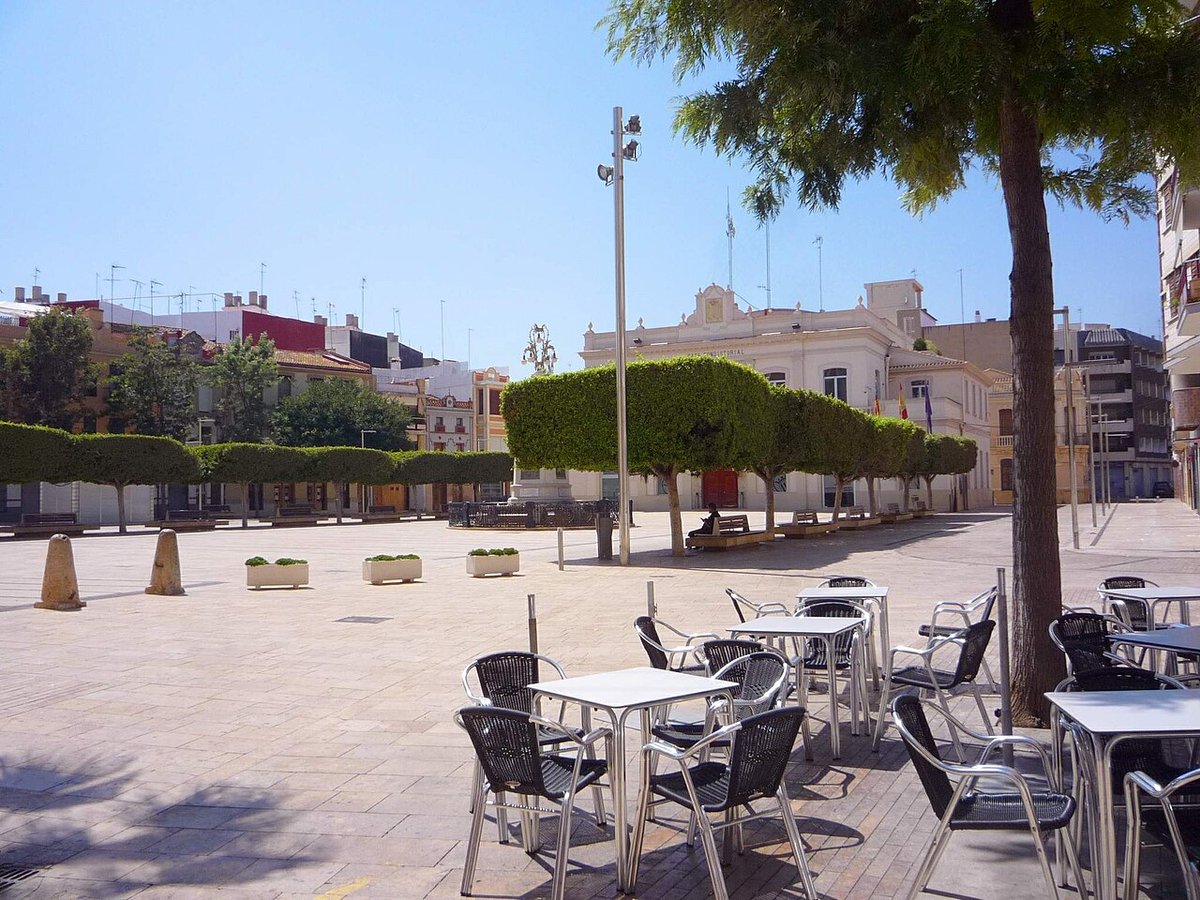
Around the church lies one of the few areas where the earlier layout of Alaquàs can still be sensed, before the rapid urban growth of the last century reshaped much of the town.
Food linked to the land
Local cooking in Alaquàs continues to reflect what the huerta provides. Cocas saladas, savoury flatbreads topped with ingredients such as tomato, vegetables or preserved fish, are part of the everyday repertoire in homes and bakeries across the Valencian area, and here as well.
During family gatherings and festive occasions, paella appears in versions that combine meat with seasonal vegetables. As in many towns across the huerta, each household has its own approach. There is no single recipe that everyone would identify as uniquely tied to Alaquàs.
Rather than a distinct culinary identity, what comes through is continuity with the broader food traditions of the Valencian plain.
Getting there and the rhythm of a visit
Alaquàs forms part of the metropolitan area of Valencia and is easily reached by road from the city. There is also a suburban train connection on the line that runs through l’Horta Sud.
The castle-palace usually opens as a cultural space and municipal library, although access can vary depending on scheduled activities, so checking in advance is advisable.
The town becomes livelier during local festivals and traditional celebrations, when events tend to gather around the castle and nearby squares. Outside these periods, the pace is much quieter and the visit can be covered in a short time. The experience is less about ticking off major sights and more about understanding how a historic settlement has adapted to the expansion of a modern metropolitan area while still holding on to fragments of its agricultural past.