Full Article
about Albal
A dynamic municipality near La Albufera, with the Torre Mora as a symbol of its Moorish past.
Hide article Read full article
Arrival Through the Huerta
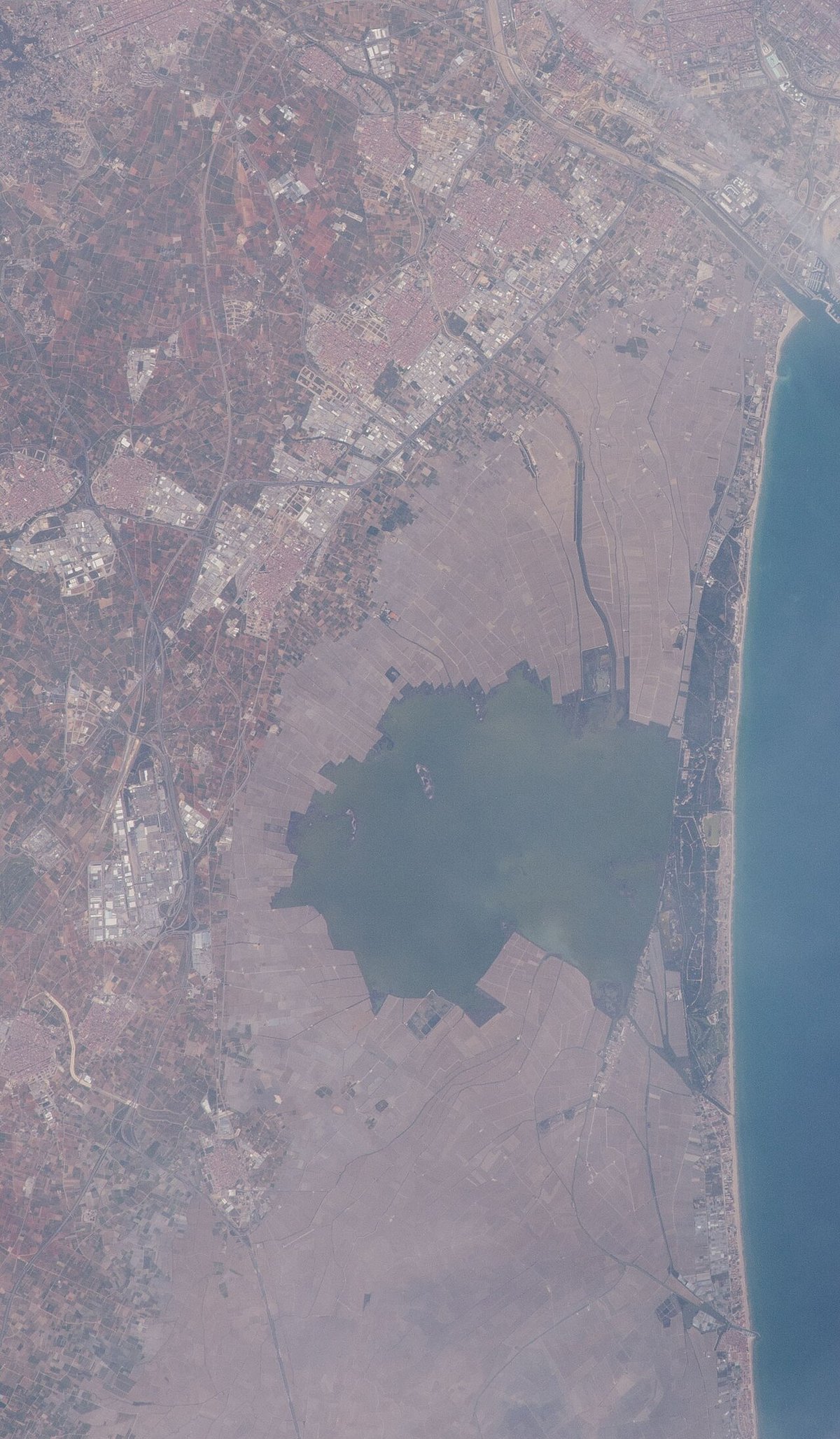
The sat nav leads you down a track lined with orange groves that feels more like the entrance to a relative’s countryside house than a route to a town. Irrigation channels on one side, plots of land on the other, and in the distance the outline of Valencia. In the middle of it all sits Albal, in l’Horta Sud: cultivated land, quiet streets, and that sense of being right next to a city while moving at a different pace.
Stepping out of the car feels like arriving in the late afternoon, when the important part of the day has already passed and everyone is getting on with things. Tractors heading in, neighbours chatting in doorways, the smell of damp earth. Nothing staged. This is just how it is.
A Tower That Watched Everything Change
The Torre Árabe de Albal appears almost unexpectedly. You walk past modern houses and then, suddenly, a square brick tower stands there, solid and serious, as if it had been placed centuries ago and nobody dared move it.
It is usually dated to the Islamic period, around the 11th century, when towers like this were used to watch over the huerta and the irrigation system. There were several in this area, although the one in Albal is among those that have survived best.
Up close, its purpose is clear: control of the land. It is not especially large or decorative. It feels practical. Inside, it is said to have a narrow staircase leading to the top, the kind that makes you climb slightly hunched, like entering an old storage room.
There is a story often repeated in the town. During building work in the 1980s, old inscriptions were found on the walls and removed without much thought. When specialists later heard what had happened, the reaction was one of disbelief. A reminder of how things were handled in another time.
Food That Comes Straight From the Land
In Albal, food is not presented as “local cuisine”. It is simply what people eat at home.
In summer, during the Santa Ana festivities, bakery windows often show monas: sweet bread topped with a boiled egg. It may look unusual at first, but it quickly makes sense once you try it.
Buñuelos de calabaza, pumpkin fritters, appear regularly at celebrations and fairs. Freshly made, they are hot to the touch and taste exactly as expected: fried dough with sugar.
Then there is the local boniato, a variety of sweet potato grown for years in land near the marshes. In winter, roasted with the skin split open and a bit of oil on top, it becomes clear why people buy it in large quantities.
For something more substantial, the natural choice is arroces de la Albufera. Rice dishes made with vegetables from the huerta, sometimes eel, and that slightly smoky note from cooking over a fire that is hard to replicate indoors.
There is rarely much ceremony. The pan in the centre, a spoon, and conversation.
Festivities That Still Take Over the Streets
The festive calendar remains very much alive here.
In mid-January, for San Antonio, it is common to see the blessing of animals: dogs, cats, the occasional caged bird, and always at least one neighbour turning up with something unexpected.
At the beginning of February, San Blas continues the sequence of religious celebrations and provides another reason to gather outside.
The Fallas in March are also marked in the town, though on a scale that allows you to walk between the monuments without feeling swept up in a crowd. Still, staying near a falla group means accepting fireworks at inventive hours.
In summer, the festivities of Santa Ana bring together processions, fairs and evening street parties. It is the time of year when the whole town seems to head outside once the heat eases.
A practical note: in July, the asphalt holds heat like a frying pan. Light footwear helps, otherwise walking becomes uncomfortable.
Walking the Huerta
One of the defining features of Albal is how quickly the urban area gives way to farmland.
Simple routes follow the course of historic acequias, such as the Favara channel, which runs through much of this part of l’Horta. Walking alongside the water, you pass cultivated fields and hear conversations in Valencian among farmers still at work.
These are not marked trails in the style of a natural park. They are working paths that also happen to be used for walking.
Another common route links the town centre with the ermita de Santa Ana, looping back around cultivated plots. It is an easy walk, often done in the evening when the sun drops and the colours of the huerta begin to shift.
If you continue further, paths connect one municipality to another across the comarca. At some point, a pattern becomes clear: each town has its own tower, its own church and its own fields, yet none feels quite the same.
Is It Worth the Detour?
Whether it is worth heading to Albal depends on what you expect.
If you are looking for a historic centre