Full Article
about Alcàsser
A town with strong industrial and farming activity that keeps local traditions and an active social life.
Hide article Read full article
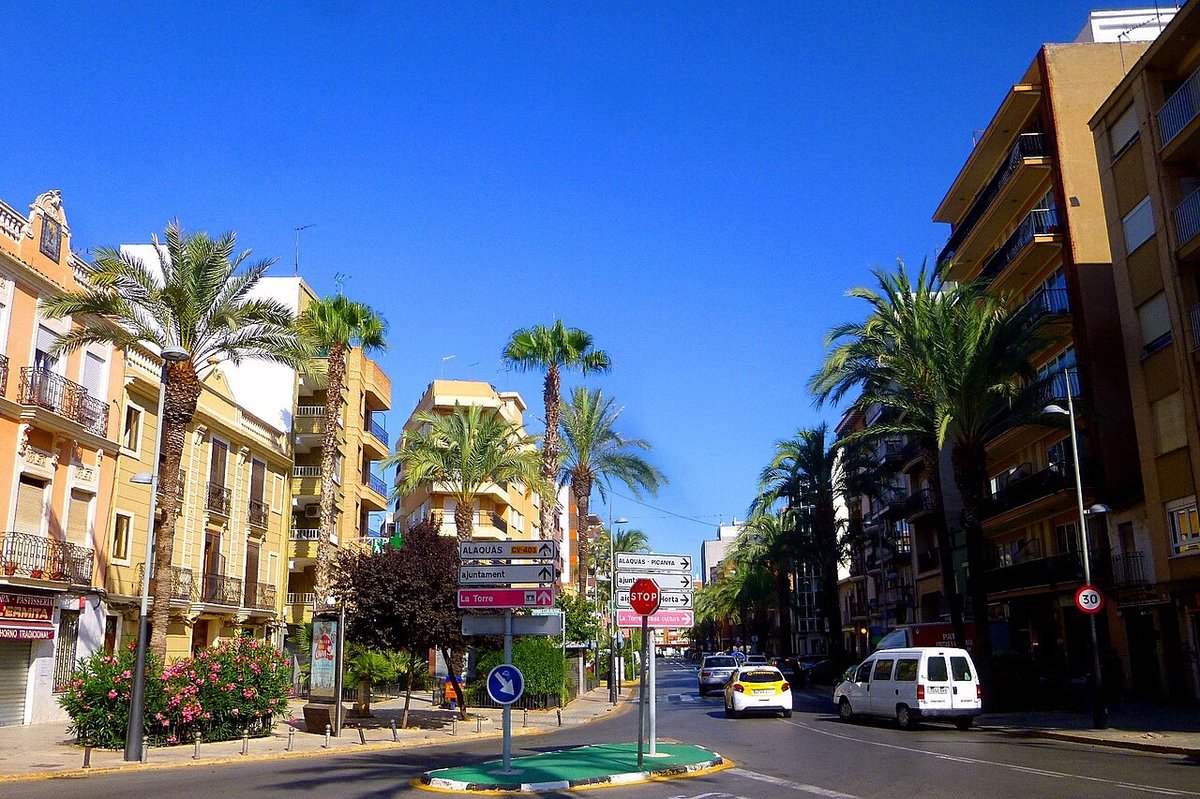
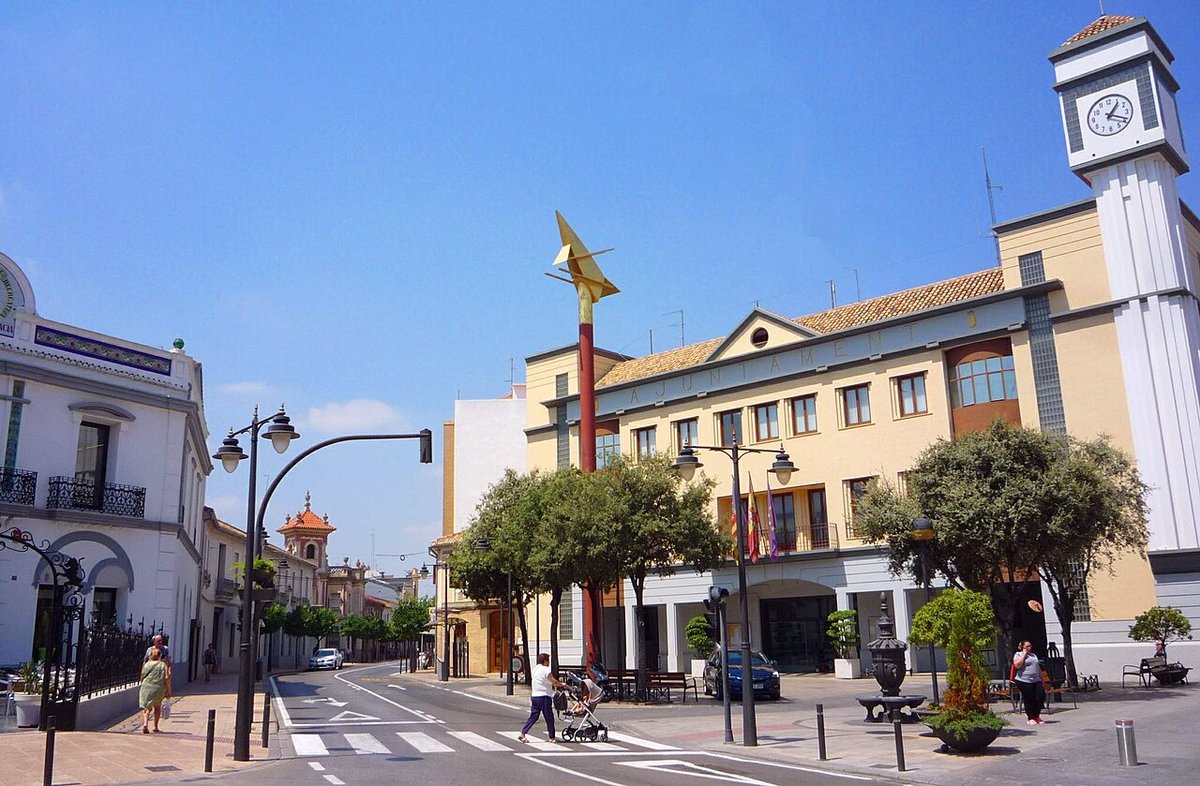
Alcàsser sits a short distance from Valencia, close enough for an easy half‑day visit yet firmly rooted in the agricultural landscape of the comarca. It is a small, mostly flat town where distances are short and expectations should be realistic. You can see the centre in an afternoon without rushing.
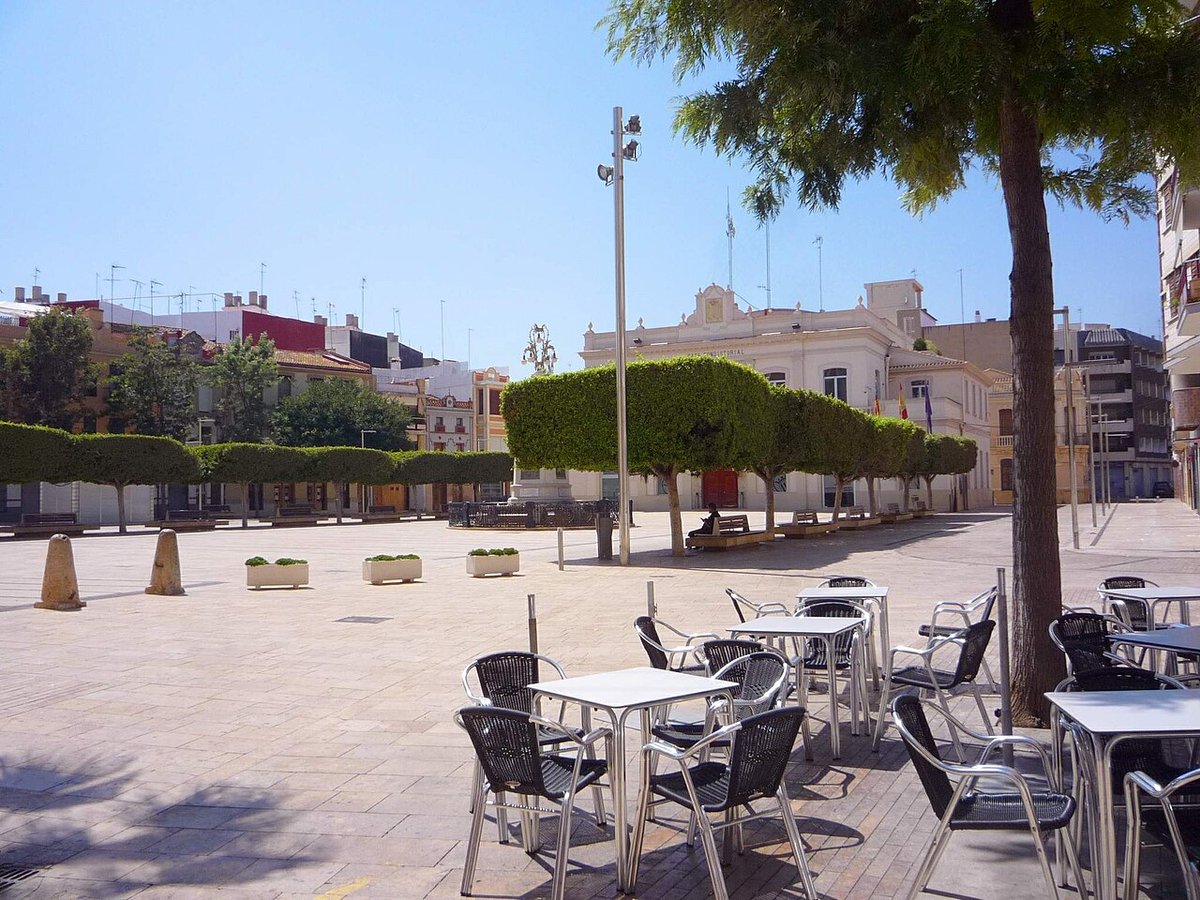
Parking in the centre is usually straightforward outside school hours and market times. If there is no space in the main square, a quick loop around the surrounding streets normally solves it. From there, everything is within walking distance.
A Compact Historic Core
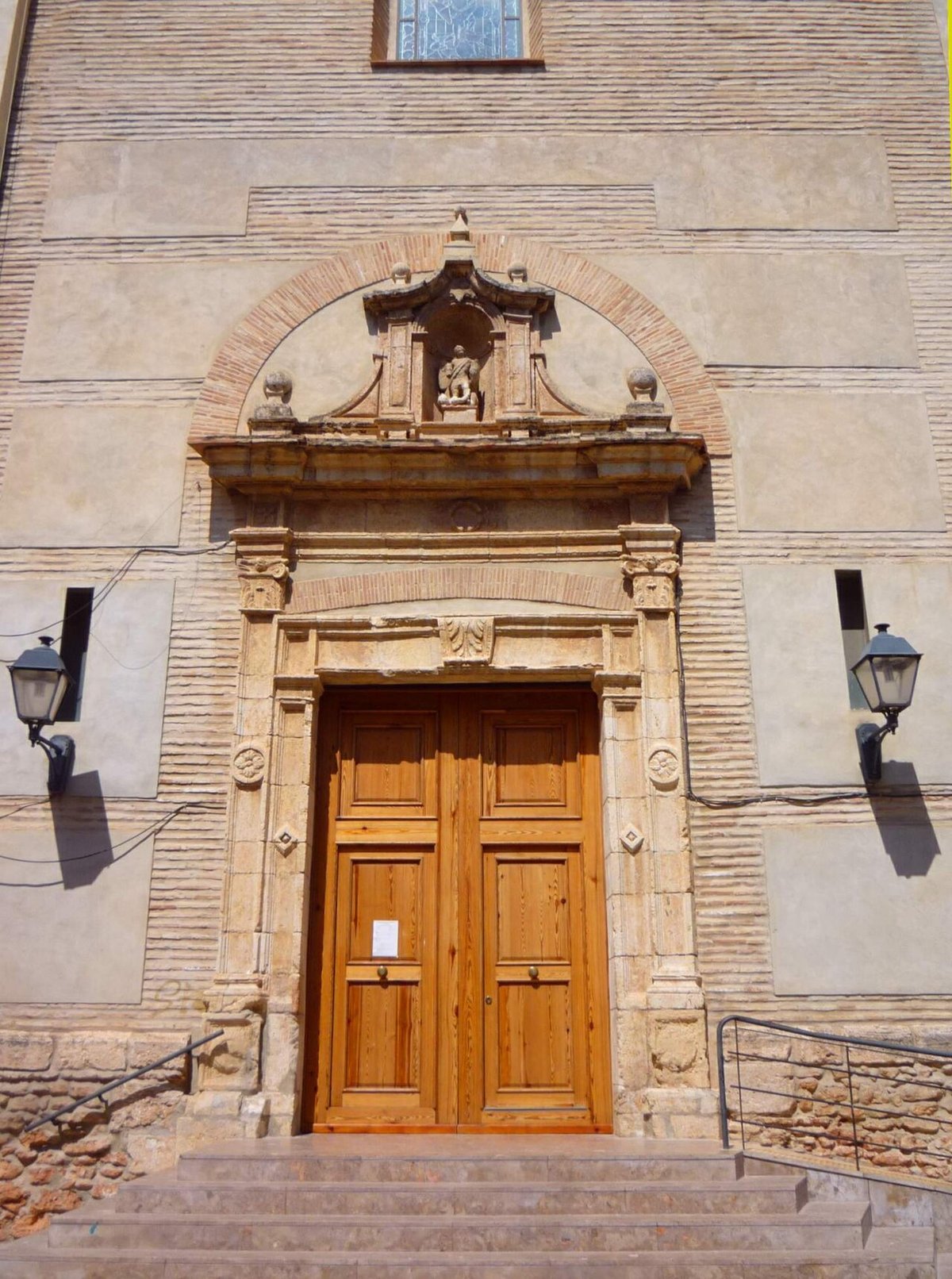
The most recognisable building in the urban centre is the Iglesia de San Martín. Its base dates back to the 17th century, with later extensions added over time. From the outside it stands out clearly among the surrounding streets. Inside, there are frescoes sometimes attributed to the circle of Vicente López. Not everyone agrees with that attribution, but the interior is worth at least a brief look.
The former Palacio de la Baronía has been heavily altered and is not usually open to visitors. From the street you can see part of the wall and little more. It is one of those buildings whose history outweighs what can actually be experienced today.
There is also a tower of Islamic origin incorporated into a private dwelling. It is not signposted as a visitable monument. If you happen to walk past, the older masonry makes it recognisable, but there is nothing else to do beyond observing it from the outside.
On the edge of town lies the Visigothic necropolis of the Senda de l’Horteta. It is a small archaeological site excavated years ago. Today there is fencing and the occasional information panel. Those with an interest in local archaeology may find it mildly engaging. Others might walk by without noticing much at all.
Taken together, these sights confirm Alcàsser’s long history, yet they do not demand hours of exploration. The appeal here is modest and local rather than monumental.
Walking into the Huerta
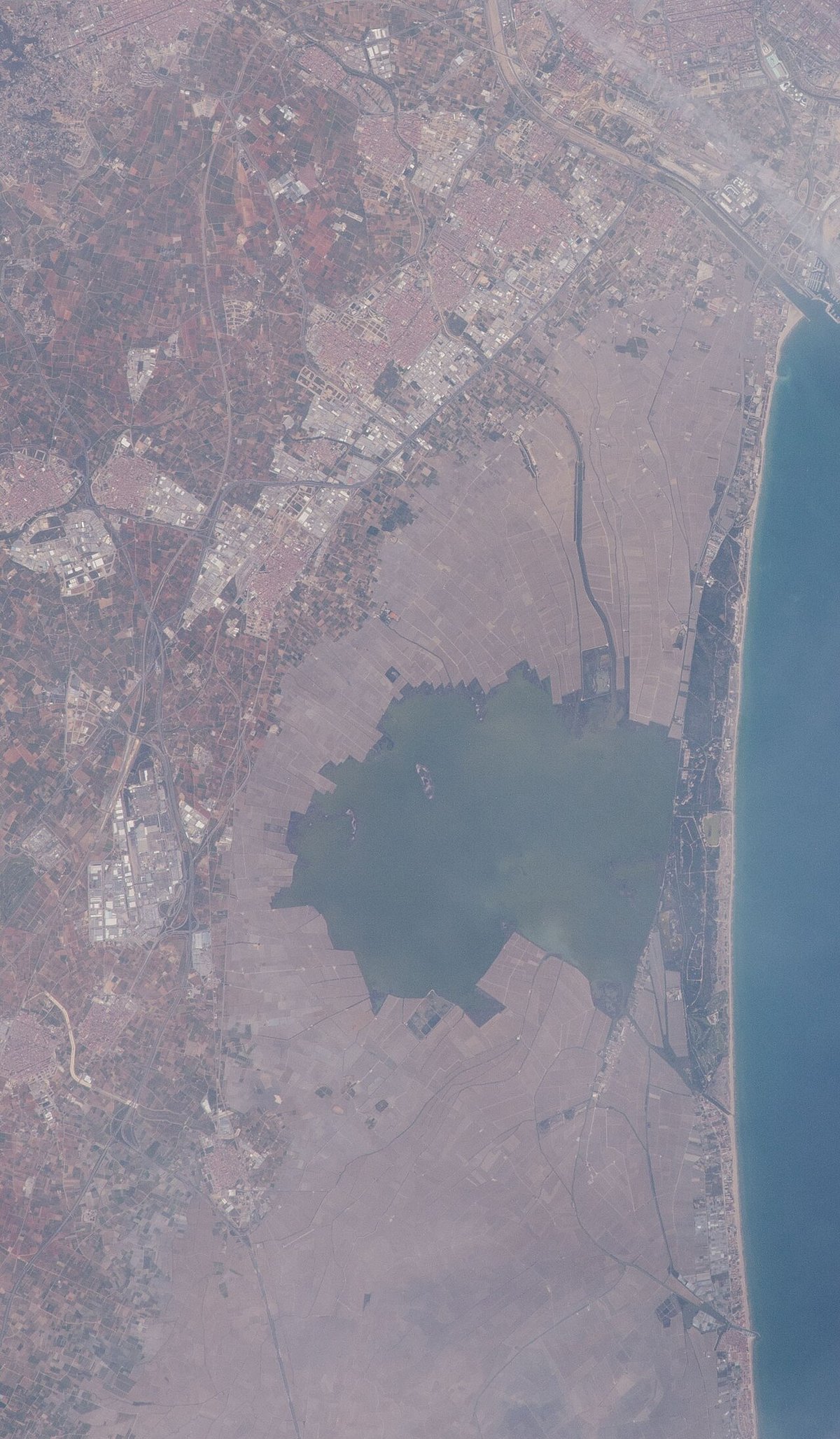
What defines Alcàsser more clearly than its buildings is its relationship with the huerta, the irrigated agricultural land that characterises much of the Valencian plain. Step beyond the urban edge and the landscape shifts quickly to cultivated plots.
Fields of citrus and persimmon trees dominate, with some vegetable crops as well. The so‑called Ruta de la Huerta is essentially a stroll along agricultural tracks. It runs for a few kilometres between irrigation channels and cultivated land. The terrain is flat and uncomplicated.
In summer the sun can be relentless. Shade is scarce, so water and a hat are sensible precautions. The heat can be intense in August, and at times there may be a noticeable smell from fertilisers used in the fields.
A marked footpath also passes through the area, linking Alcàsser with nearby towns in the comarca. It offers a way to walk for a while among fields, without dramatic views or steep gradients. This is gentle countryside, defined by cultivation rather than wild scenery.
After heavy rain, some of the agricultural paths can become muddy. In winter and spring, conditions are generally more comfortable for walking. These cooler months are the most pleasant times to explore the huerta on foot.
Local Cooking Without Fuss
Food in Alcàsser reflects what grows around it. Rice dishes are common, often prepared with rabbit and vegetables from the huerta. You will also find savoury cocas topped with tomato or tuna, and plenty of alioli accompanying different meals.
At Easter, rosquilletos dulces appear in local bakeries. There is no single definitive recipe. Each bakery and household prepares them in its own way. Some strike the right balance, others can be overly sweet. That variation is part of the tradition.
The cooking here is straightforward and based on local produce rather than elaborate presentation. It mirrors the agricultural setting that surrounds the town.
Festive Dates and Practicalities
The main fiestas usually take place in mid‑August. Expect religious events, music at night and a lively atmosphere in the streets. It is a time when the town feels busier and more animated than usual.
During Semana Santa, the procession of the Santo Entierro takes place and is widely followed by local residents. Around the feast of San Martín in November, events are organised in honour of the town’s patron saint.
If planning a visit during fiesta periods, one practical point matters. Alcàsser does not have tourist accommodation as such. The usual arrangement is to stay in Valencia and travel in by car or train.
Getting There and Making the Most of a Visit
By car, Alcàsser is reached quickly from Valencia via the A‑7 or the Pista de Silla. By train, it is served by the Cercanías line heading towards Gandía, with the journey from Valencia taking around twenty minutes.
Given its size and facilities, Alcàsser works best as a short stop rather than a weekend destination. A simple plan makes sense: arrive in the morning, take a walk through the centre, visit the Iglesia de San Martín, then head out along the paths of the huerta for an hour or two. Afterwards, return to Valencia at an unhurried pace.
Alcàsser does not aim to impress with grand monuments or dramatic landscapes. Its appeal lies in its scale, its proximity to the city and its ongoing connection to the cultivated land that surrounds it. For travellers curious about everyday life in the Valencian huerta, it offers a brief and grounded perspective, easily fitted into a wider trip through Comunidad Valenciana.