Full Article
about Aldaia
Industrial and service-oriented town with a notable fan museum and historic heritage.
Hide article Read full article
A town shaped by the road
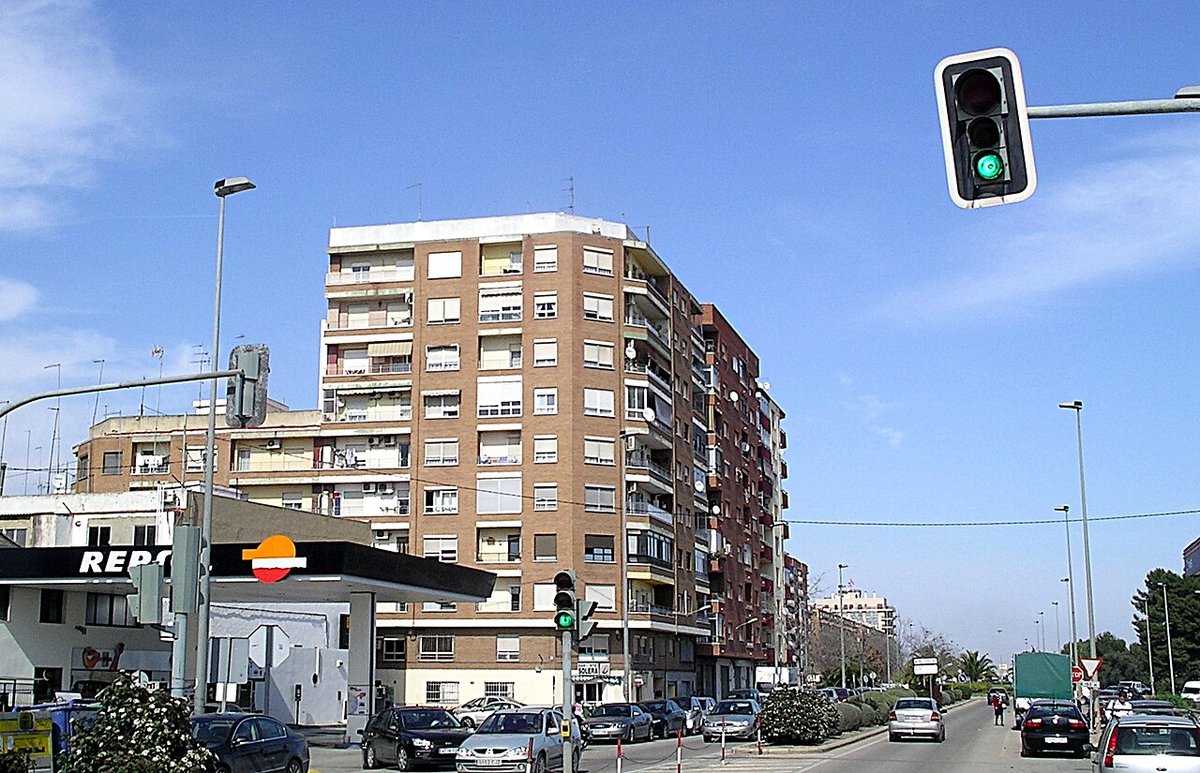
Telling people you are heading to Aldaia for the weekend can raise a few eyebrows. It does not immediately suggest a classic getaway. The town grew alongside industry and the A‑3 motorway, with a clear divide between farmland and concrete. That contrast is still very much part of its identity.
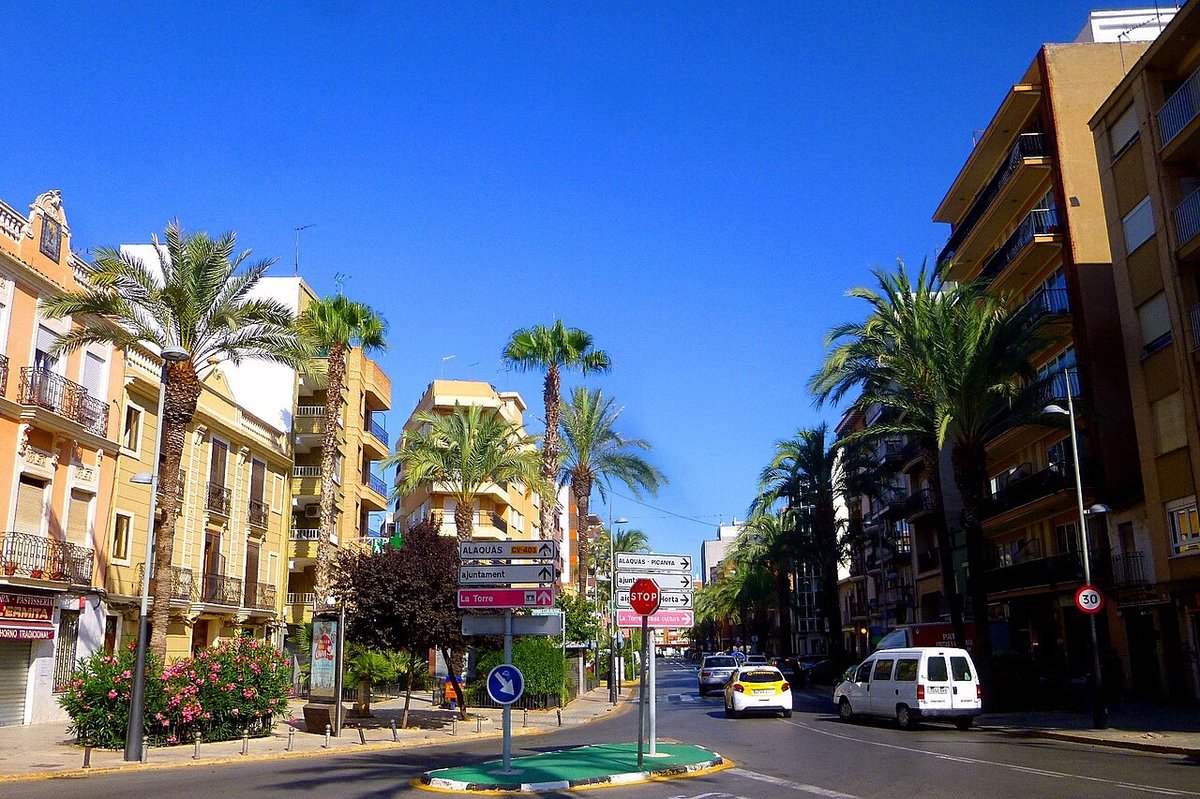
Getting there is straightforward. Aldaia sits just a few kilometres from Valencia, with frequent commuter trains linking it to the city. The journey is short, and on arrival there is that familiar shift found on the edge of many Spanish cities: urban life close at hand, yet fields still holding their ground between roundabouts and new developments.
This balance defines the place. On one side, there are onion fields and remnants of the traditional huerta, the irrigated farmland typical of the region. On the other, the industrial area of Fuente del Jarro brings constant movement, with hundreds of companies and a steady flow of lorries and workers. It may not match postcard expectations, but it offers a clear picture of how this part of Valencia’s metropolitan area functions.
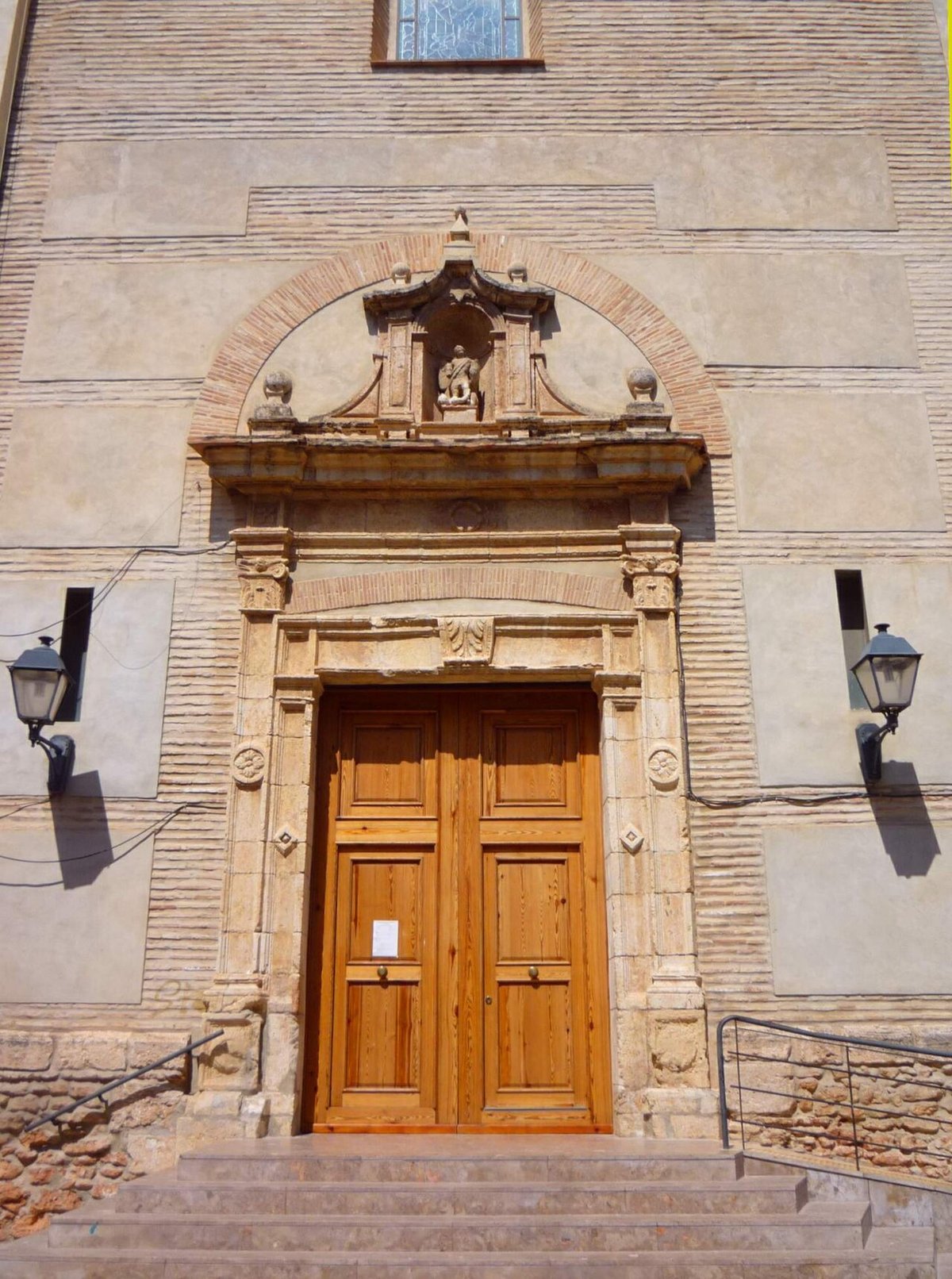
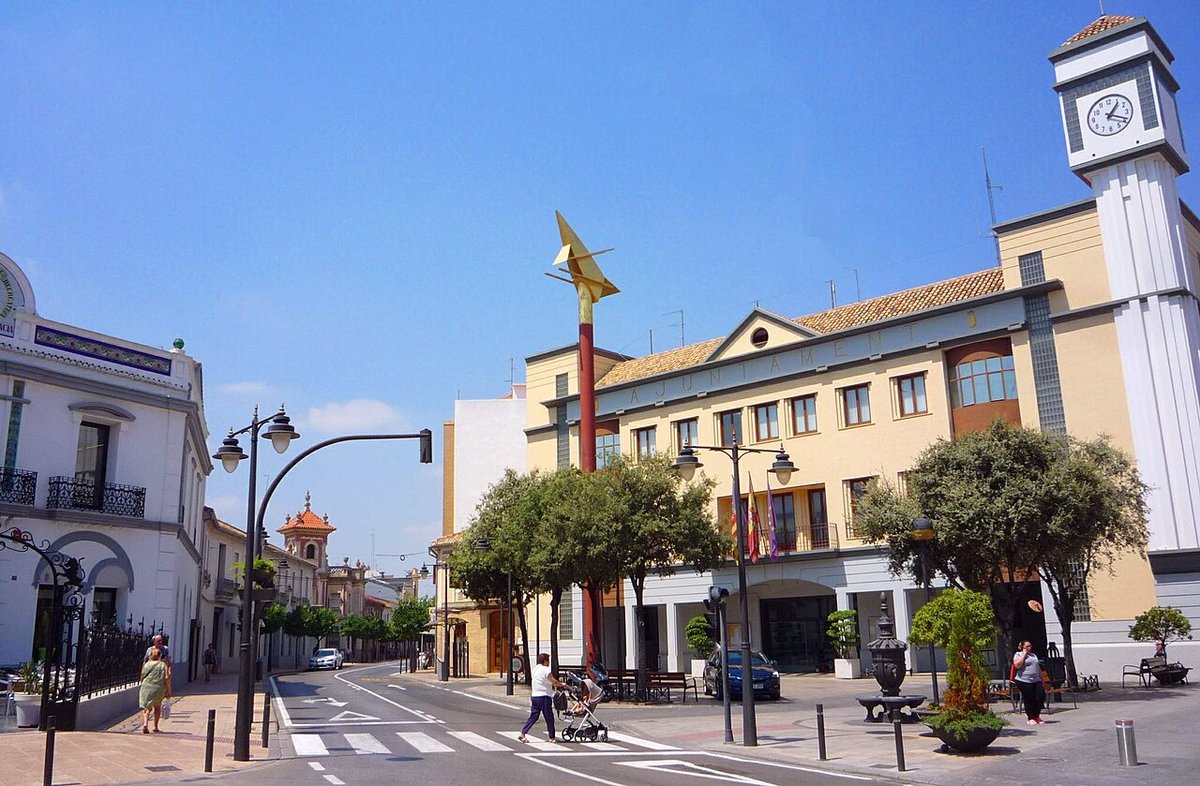
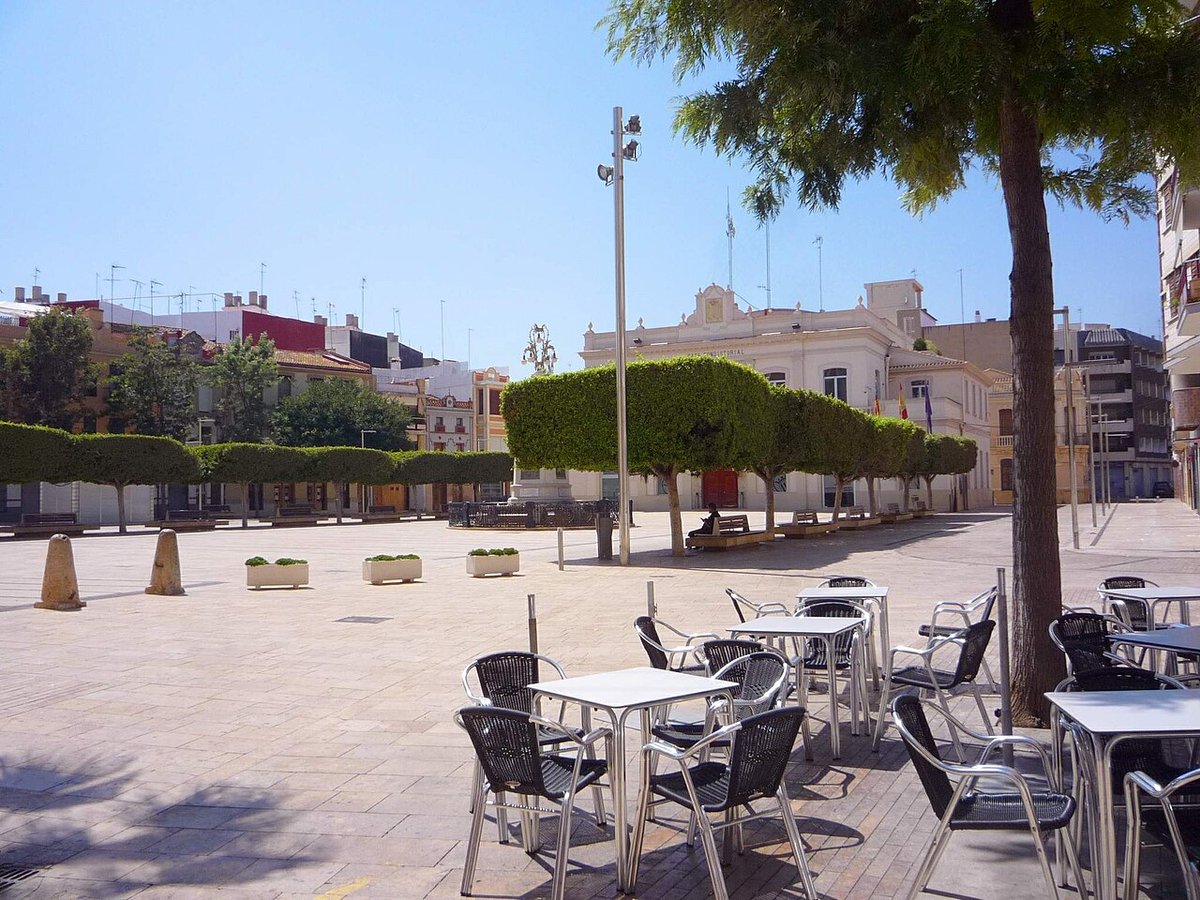
A walk through the centre reveals another layer. Many streets feel relatively modern, yet every so often something older appears, a reminder that Aldaia existed long before motorways. The historic cistern beside the town hall, thought to date back to the 16th century, stands out. So does the Church of the Annunciation, where a mix of architectural styles appears in a way that is quite typical across the Valencian Community.
When Aldaia made fans for half of Spain
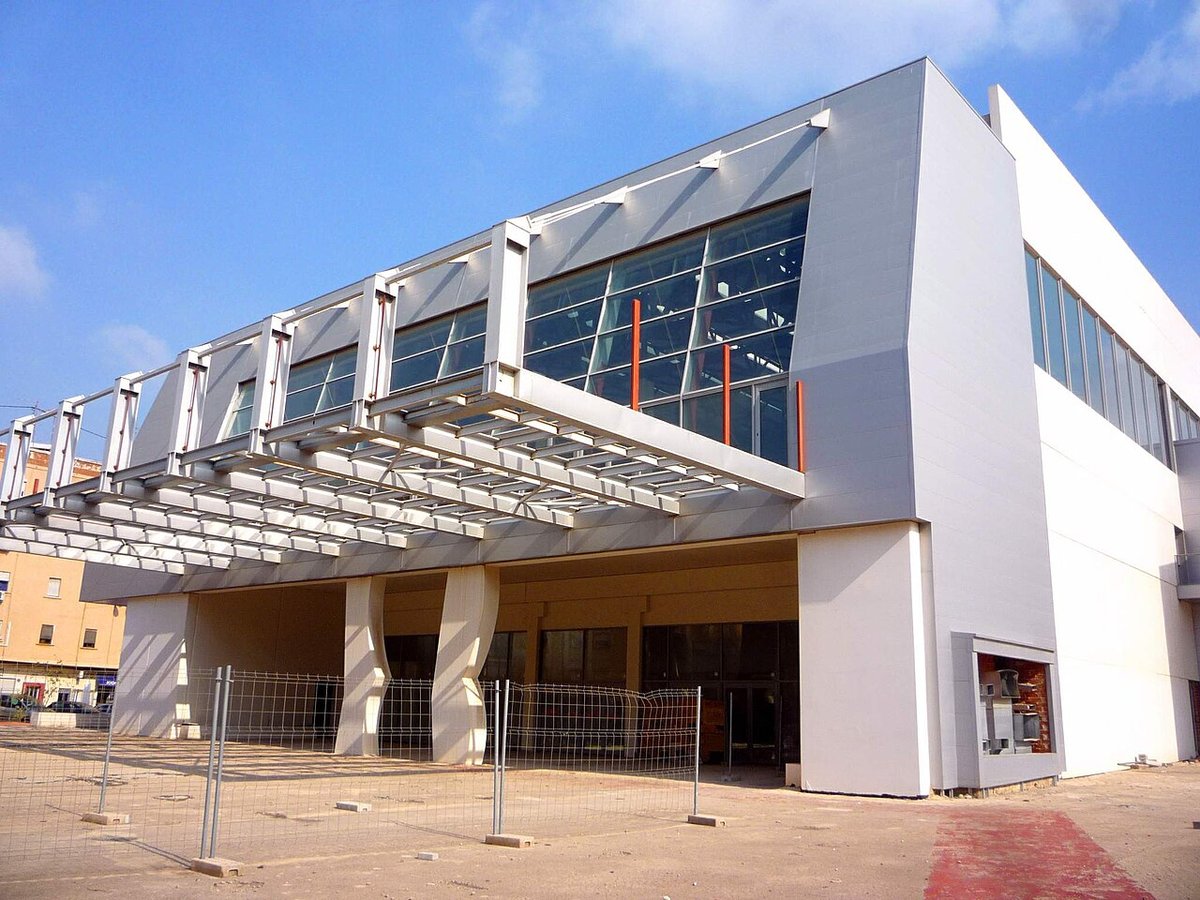
One story comes up again and again in conversations about Aldaia: fans, or abanicos. For a long time, the town was closely tied to their production. This tradition is preserved in the MUPA, the Museu del Palmell, dedicated to the craft.
Inside, the collection feels like opening a drawer full of keepsakes, multiplied many times over. Fans from different periods and styles fill the space, showing how something now often seen as a souvenir was once a serious trade that supported many local families.
The town’s history stretches back further. Aldaia appears in documents from the medieval period, when the alquería, a rural settlement, was handed over to a monastic order after the Christian conquest. Over the centuries, disputes over land and taxes with neighbouring towns were common. Arguments about who owes what, it seems, are nothing new here.
Festivals you hear before you see
Visit Aldaia in late July and the atmosphere makes itself known quickly. The Moros y Cristianos celebrations, which commemorate historical battles between Moors and Christians and are widely celebrated across eastern Spain, are marked here with real intensity. They are closely linked to devotion to the Cristo de los Necesitados, an important figure in local life.
Expect parades, brass bands and fireworks that echo across much of the town. The sound of gunpowder is part of the experience. At certain moments, the entire neighbourhood seems to spill out into the streets. For anyone unfamiliar with this tradition, the first nearby mascletà, a daytime firework display focused on noise and rhythm, can come as a surprise.
A short escape from the noise
One of Aldaia’s quieter strengths is how quickly the surroundings change once you step away from the built-up areas. Within a short distance, traffic fades and agricultural paths take over.
The Ruta de las Ermitas links several small chapels scattered across the municipality, including San Miguel and the Virgen de la Saleta. It is not a long walk, just a few kilometres, but it offers a different perspective on the area. The route passes irrigation channels, fields and stretches of dirt track, all reminders that this landscape was once dominated by farmland.
Seen from the motorway, Aldaia can appear entirely industrial. On foot, the picture becomes more varied.
What ends up on the table
Food in Aldaia leans firmly towards tradition. In many households, arroz al horno remains a centrepiece, especially on Sundays. It is the kind of dish that invites strong opinions, with debates over ingredients like chickpeas or morcilla never far away.
Another familiar sight is coca de tomata i tonyina, a simple flatbread topped with tomato and tuna that is typical in this part of Valencia. It is the sort of dish that rarely lingers long once served.
Then there is the local speciality that often catches people off guard: sopà d’Aldaia. Despite the name, it is not a soup. It is a festive sweet made with honey and almonds, known for its sticky texture and rich flavour. The first taste tends to clarify why it is so often mentioned. It leaves a lasting impression, quite literally.
A different kind of visit
Aldaia is not a destination built around medieval streets or stone houses. Anyone arriving with that expectation may find it underwhelming at first glance.
Seen from another angle, it becomes more interesting. This is a place that reflects everyday life on the edge of a major city: industry providing work, traditions continuing year after year, and pockets of farmland still surviving where they can.
A short visit can be enough to understand that mix. A walk through the centre, time spent at the fan museum, and a brief wander along the rural paths nearby give a sense of what Aldaia is about. It may not fit a conventional idea of a weekend escape, but it offers a grounded look at a side of Valencia that often goes unnoticed.