Full Article
about Alfafar
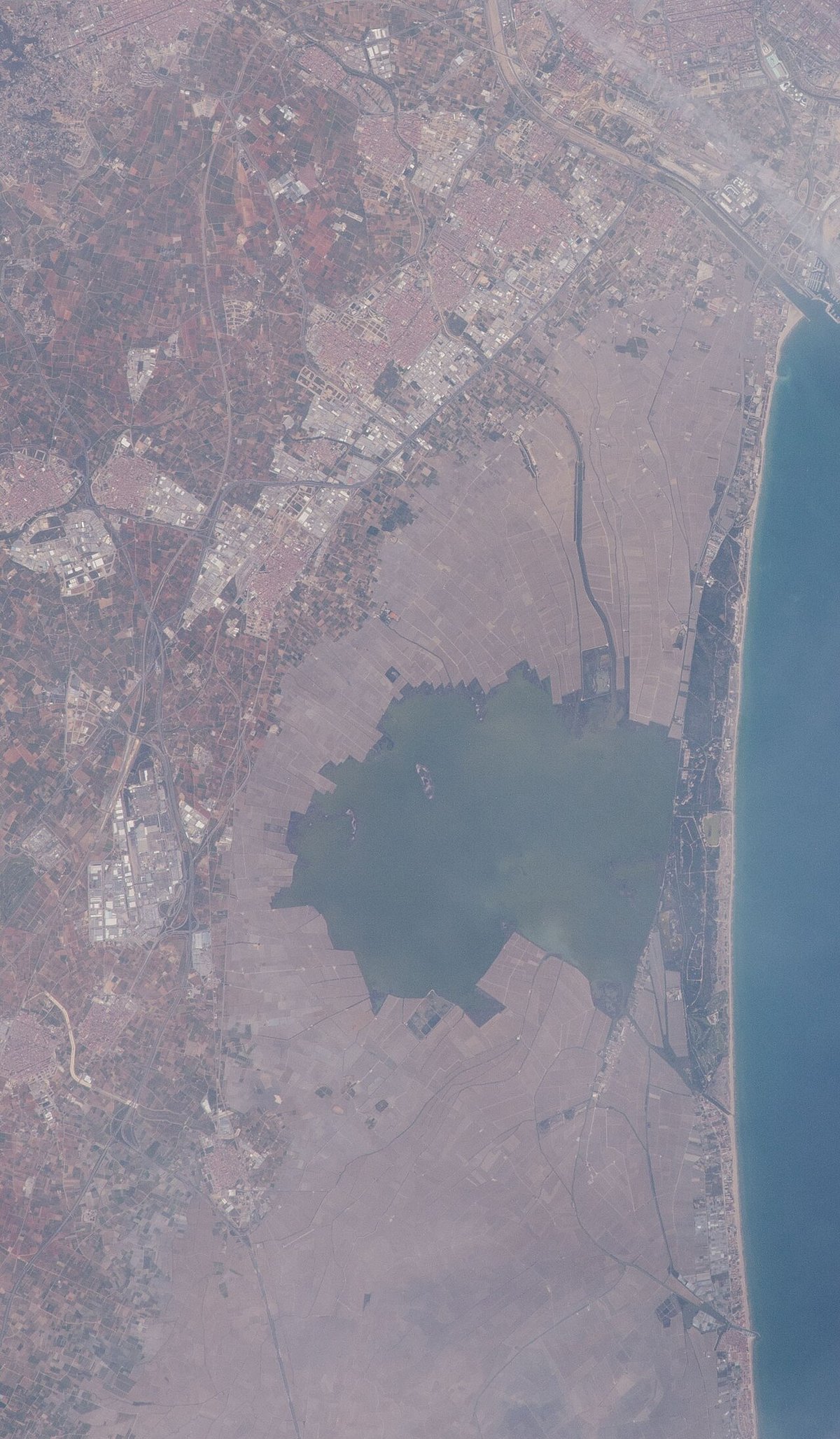
A commercial and residential municipality next to Valencia, with part of its territory in l’Albufera.
Hide article Read full article
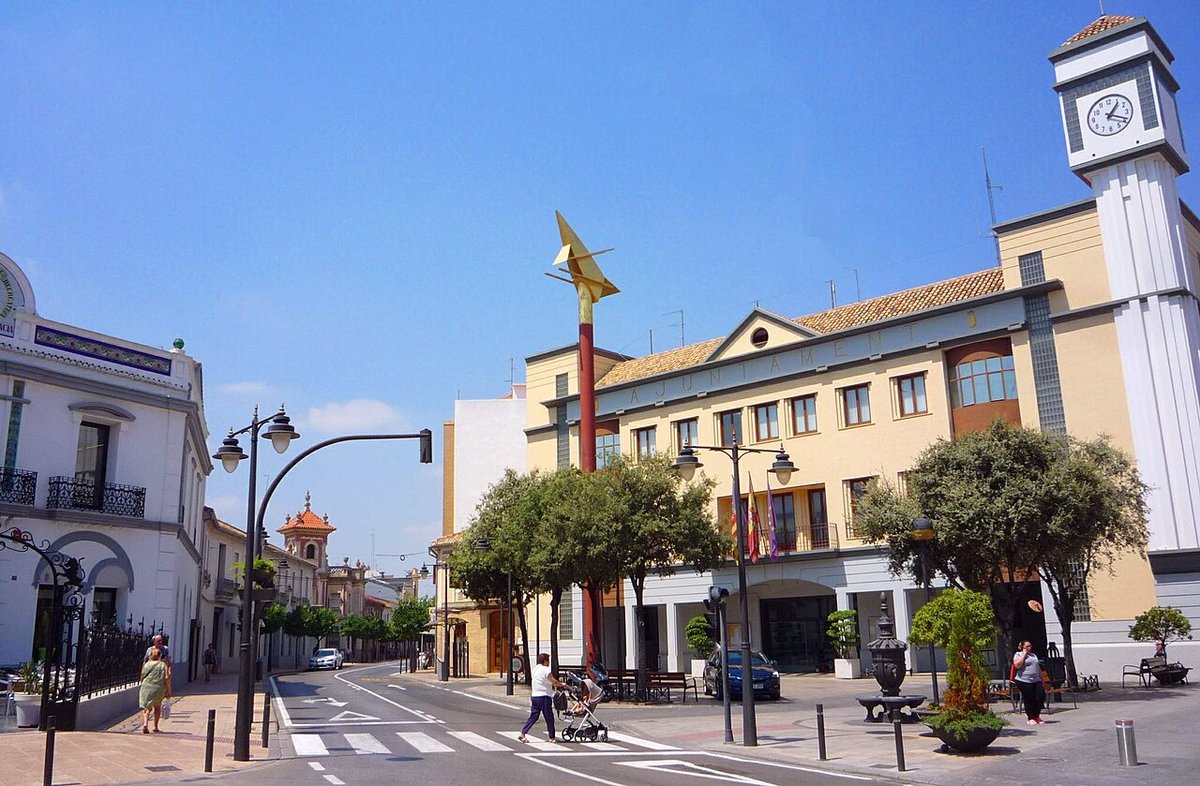
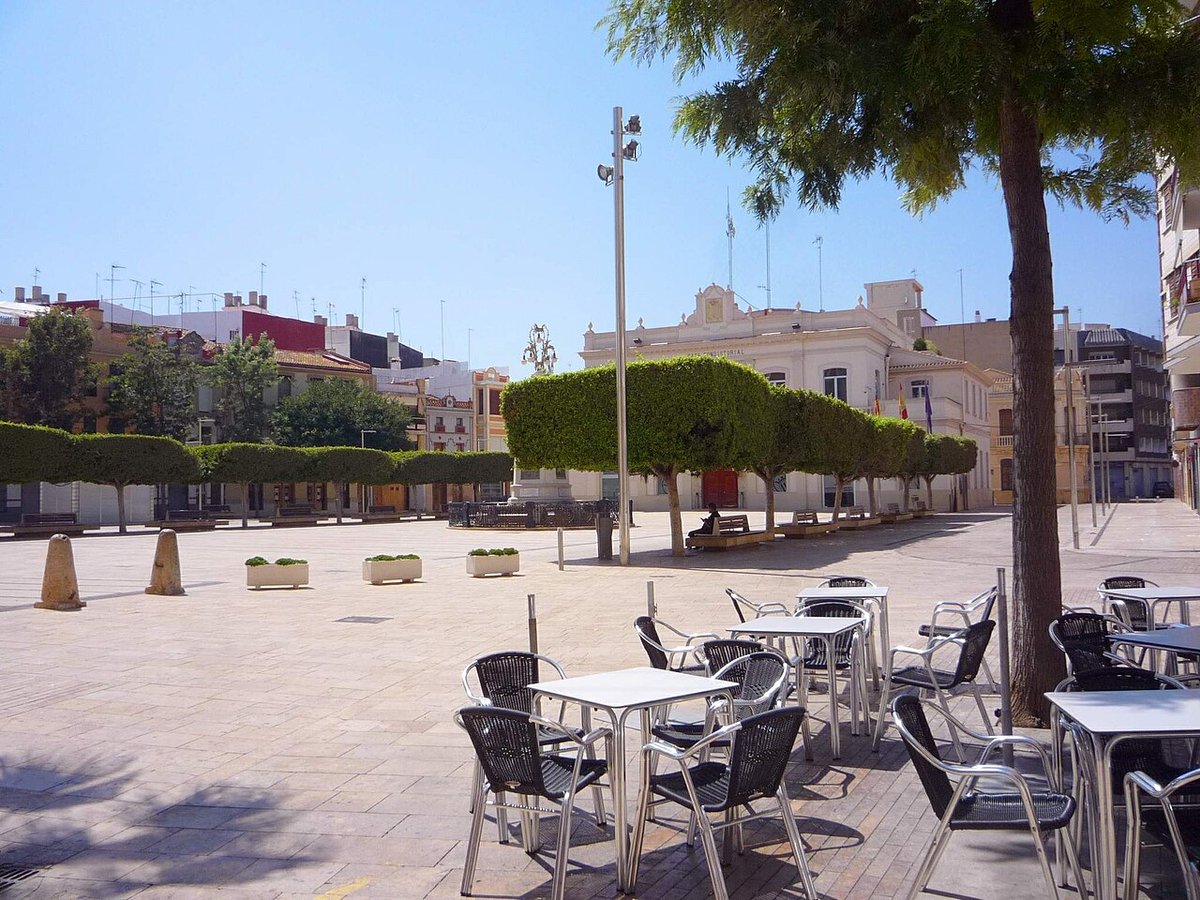
The air at seven carries the smell of damp earth from the marjal, a cool, vegetal note that mixes with the scent of baking bread from a panadería on Calle Mayor. Church bells mark the half-hour. In the plaza, men in work clothes drink coffee standing at the bar, their voices a low murmur under the fluorescent light. Alfafar begins its day like this, methodically, while the sky over the huerta turns a pale, watercolour blue.
This is not a town you visit for its looks. It’s a place you notice on the way to somewhere else, a blur of low buildings between Valencia’s southern ring road and the endless flat green of the rice fields. But stop, and the details settle: the sound of water in a canaleta beside the pavement, the view down a side street that ends abruptly in a field of artichokes, the worn stone of a well in a forgotten corner.
Water is the map here
To understand Alfafar, you have to leave its centre. Walk east, past the last block of houses, and the asphalt gives way to compacted earth. The land is perfectly flat, a geometric puzzle of small fields divided by straight irrigation channels. The water moves slowly, almost imperceptibly, with a quiet gurgle where it passes under a footbridge. This is the huerta, and it operates on a schedule centuries old. You see it in the opened sluice gates in the morning, in the glint of standing water between rows of broad beans.
Further out, the vegetable plots yield to the marjal. Here, the rice fields stretch to a distant line of trees, their colour shifting with the season—a sharp, almost artificial green in June, a dry gold by September. The paths here are functional, used by farmers on motorcycles. They’re not scenic trails, but they are honest. The air is heavier, and in summer, mosquitoes rise in clouds at dusk. Come at dawn if you walk here; the light is soft, and the heat hasn’t yet risen from the earth.
A different kind of noise
For most of the year, Alfafar’s soundtrack is traffic from the V-31 and the distant hum of industry. But in March, it changes. The Fallas arrive with a physical presence: the smell of gunpowder that sticks to your clothes, the bass from temporary speakers set up in plazas, the all-night chatter from crowded casales. It’s loud, communal, and exhausting.
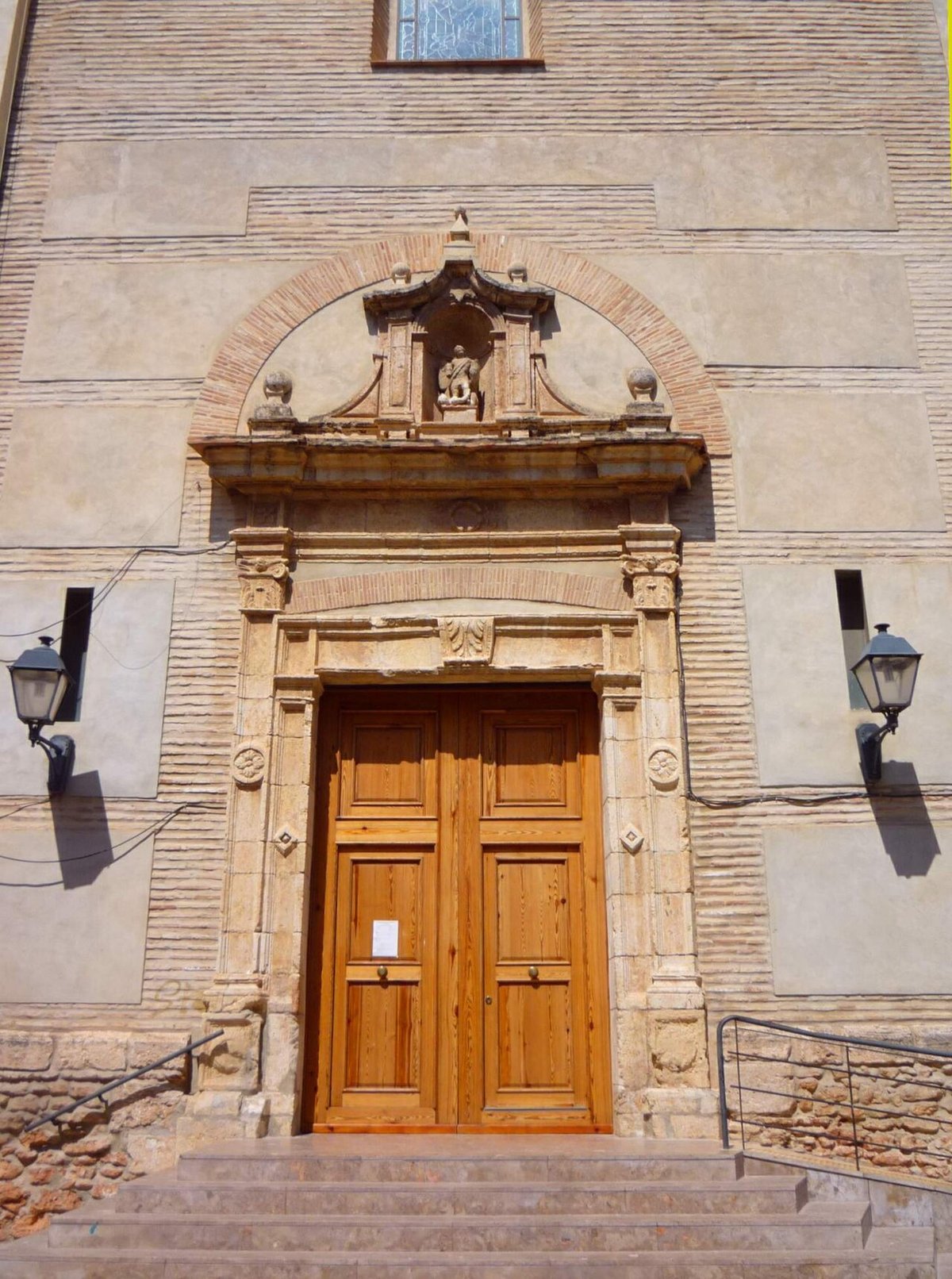
Amidst this, there’s a pause: the Ofrenda a la Virgen del Don. For an afternoon, the side streets fill with women and girls in traditional vestidos de fallera, their intricate hairstyles pinned with pearls, carrying bouquets wrapped in cellophane. The procession moves slowly towards the church. It’s quieter than the rest of the festival, focused and deliberate. The flowers are stacked against the Virgin’s frame until she disappears behind a wall of carnations and roses. It feels less like a show and more like something kept within.
Two landscapes sharing one postcode
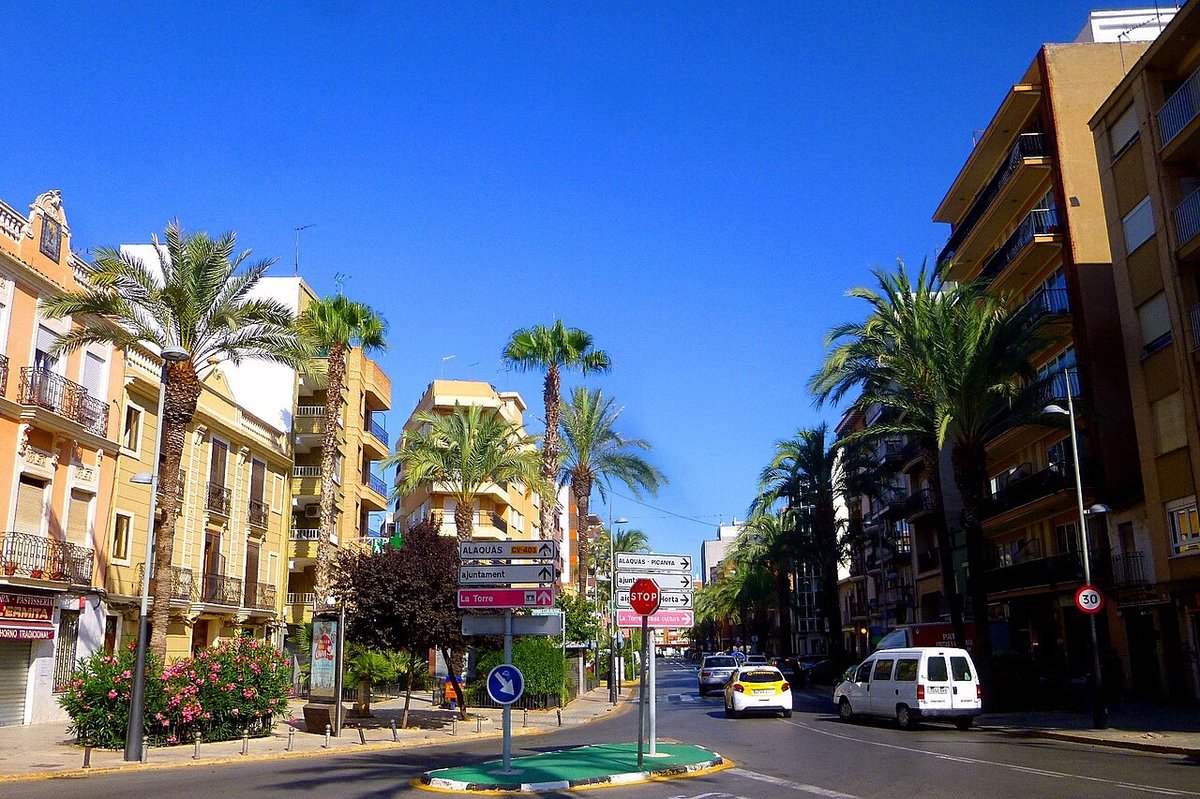
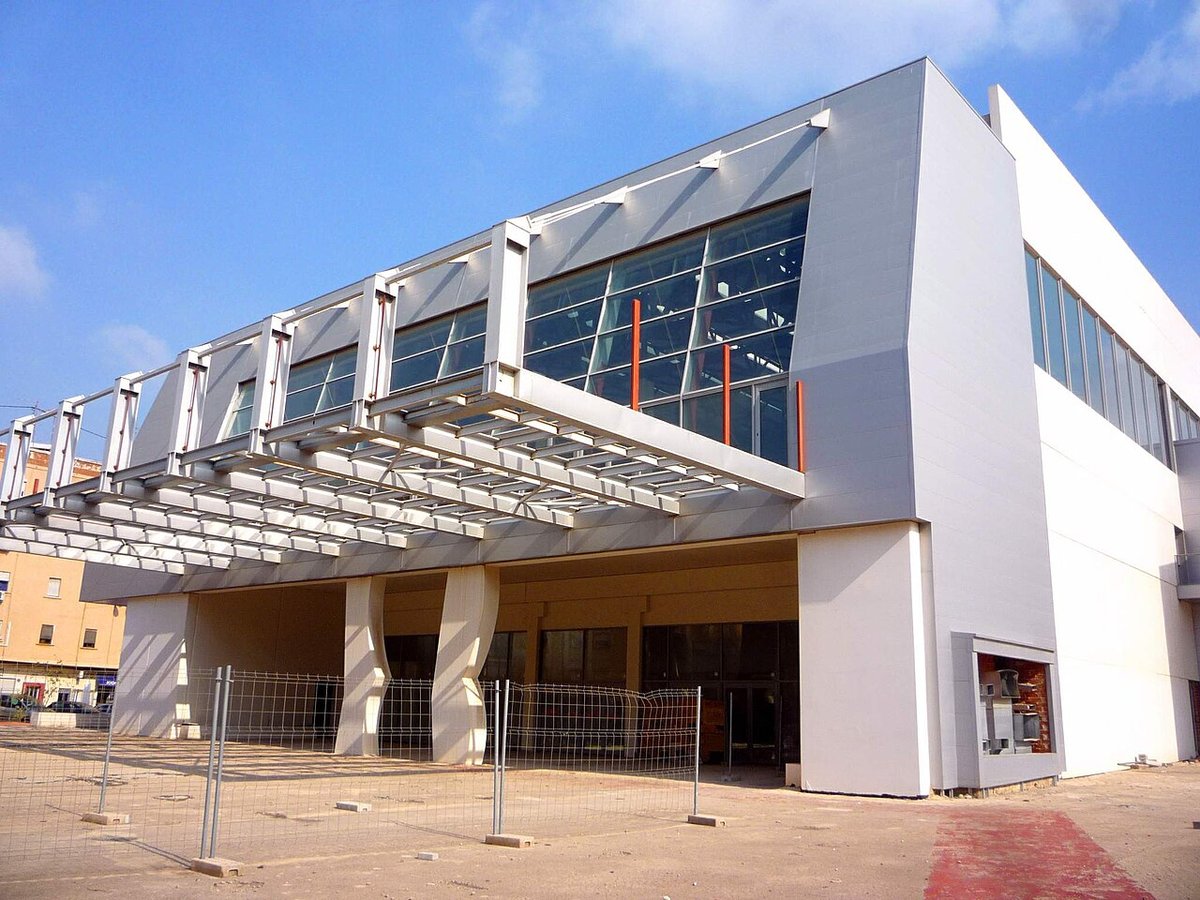
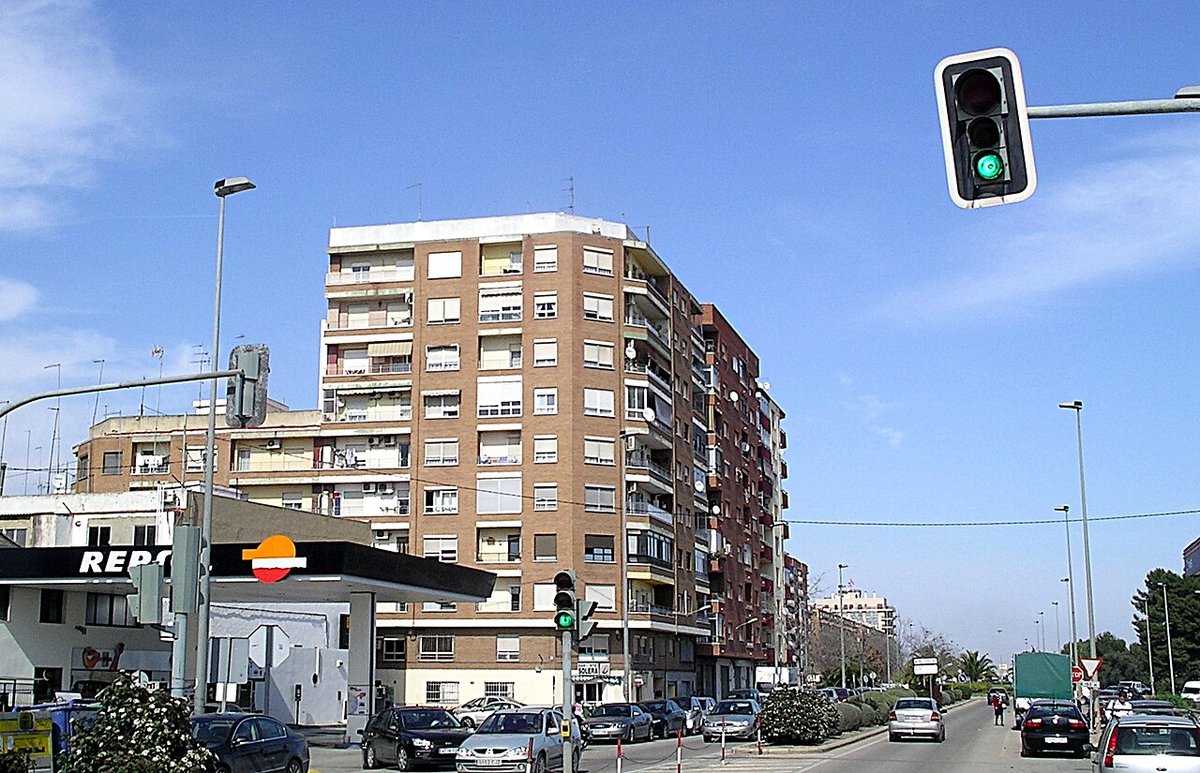
Drive south from the old town for five minutes and you’ll think you’ve left. Wide avenues cut through zones of vast warehouses and sprawling retail parks. This is where many people encounter Alfafar—not for its history, but for its furniture stores and supermarkets. The transition is abrupt. One moment you’re passing an old alquería with crumbling plaster and a pigeon loft; the next, you’re circling for a parking space under the glare of massive signage.
This duality isn’t a conflict; it’s just how life is structured here now. The Alquería del Pi, with its thick walls built to stay cool, sits not far from air-conditioned megastores. Both are part of the same municipal territory. The town doesn’t hide one face for the sake of the other.
What grows here ends up here
You won’t find elaborate gastronomy in Alfafar, but you will find meals that belong to this specific patch of land. Arroz al horno is Sunday food here. It’s still common for families to take their clay pot to a communal wood-fired oven in certain neighbourhoods—you can smell it baking around midday, a deep aroma of paprika and pork fat.
Then there’s all i pebre de anguila. This isn’t restaurant food; it’s society food, cooked in large quantities for falla commissions or family gatherings. It’s served steaming in wide bowls, the eel soft in a garlic-and-paprika sauce that’s rust-coloured and pungent. You eat it with chunks of bread to mop up the sauce, and it tastes unmistakably of the lagoon system just a few kilometres away.
A practical rhythm
The best time to walk the perimeter is winter or early spring. The fields are flooded then, creating vast mirrors that reflect huge skies streaked with cloud. The light has a clear, liquid quality you don’t get in summer.
In August, avoid being outdoors between noon and five. The heat is dense and still; even the cicadas go quiet. If you must be out then, you’ll find shade under the few carob trees along some paths.
Come on a weekday morning if you can. The through traffic hasn’t yet built up towards the commercial zones, and you can hear your own footsteps on some streets. Look for water channels running alongside roads like quiet companions. Notice how many front doors are left open to catch a breeze from a patio inside.
Alfafar doesn’t offer postcard views or curated experiences. It shows you what it is: a working town where history is written in water channels and warehouse receipts. Turn off any main road onto one of those farm tracks though, and within fifty metres Valencia feels far away. There’s just the green line of a levee ahead and the sound of your own breath in air that smells like wet soil and growing things