Full Article
about Benetússer
Densely populated municipality with a Fallas tradition and a Semana Santa of tourist interest.
Hide article Read full article
The pavement was still damp from a morning watering, the scent of wet concrete mixing with bread from the panadería and the distant, fertile smell of turned earth. A man wheeled his bicycle past shuttered garage doors. This is Benetússer just after seven, when the commuter train has emptied and the day belongs to those who live here. Valencia is a ten-minute drive away, a constant silhouette to the north, but the sound here is different—the clatter of a shop grate, a radio in a kitchen, the call of a rooster from a hidden corral.
The Light on Calle Mayor
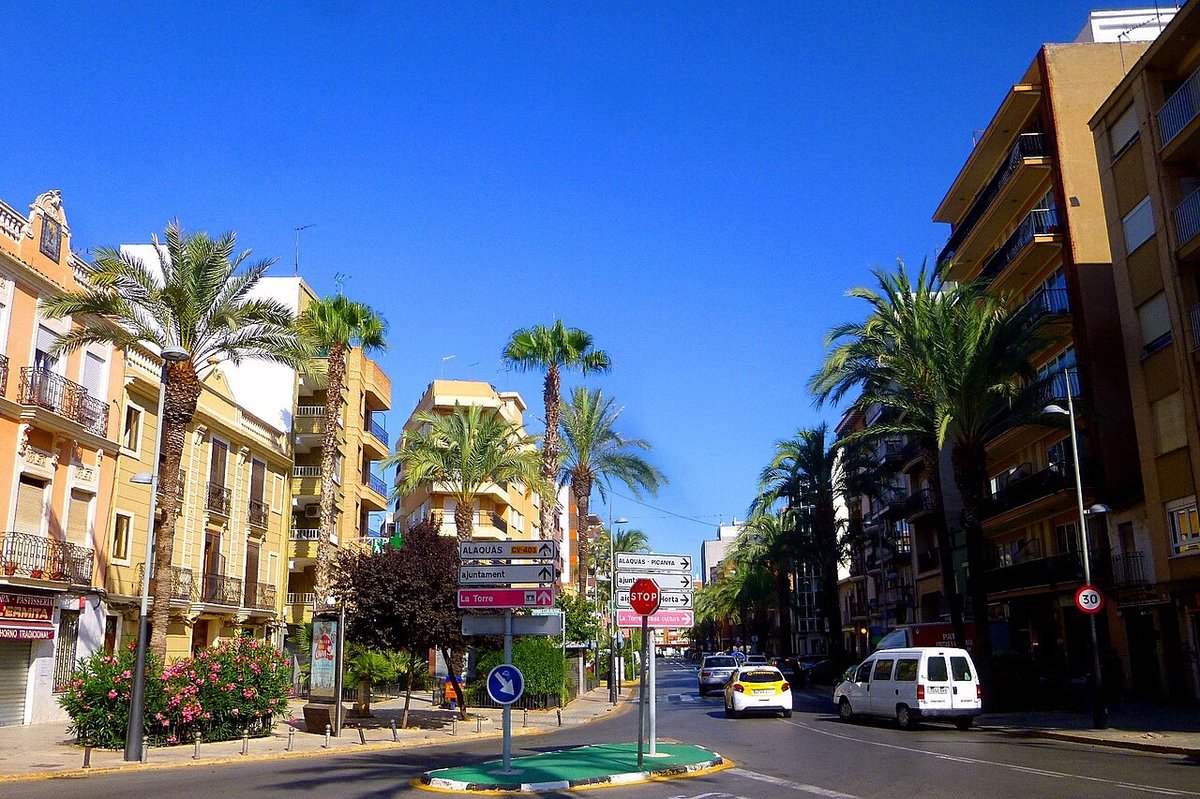
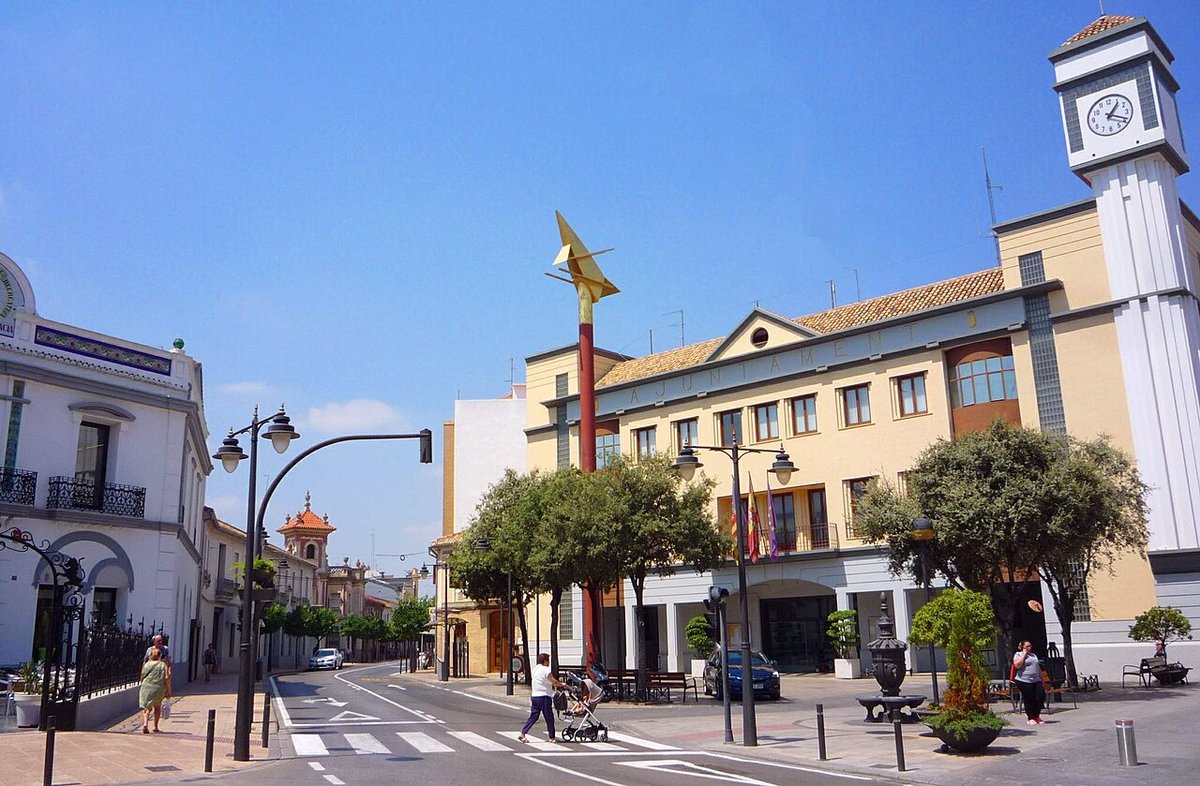
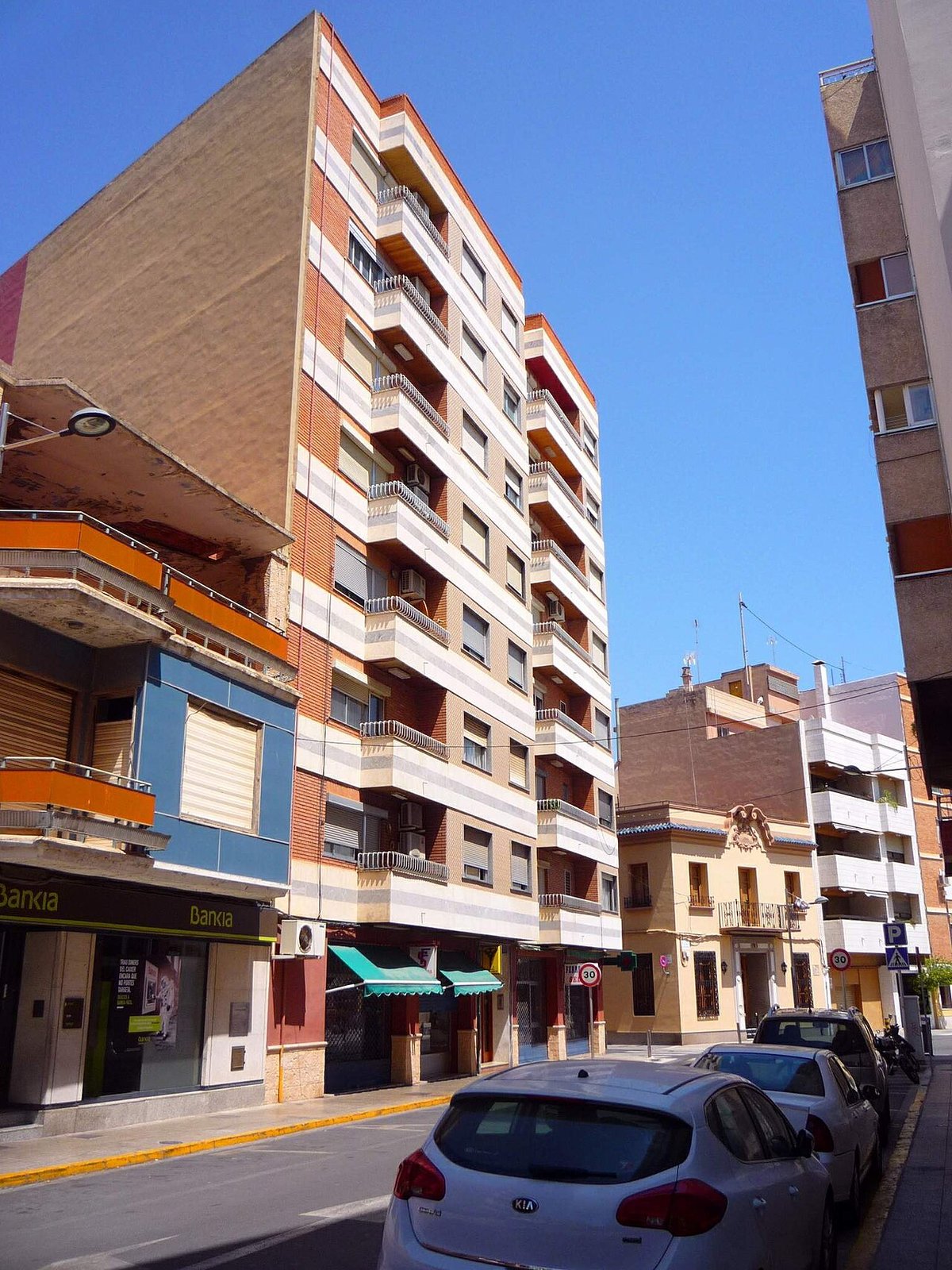
The awnings on Calle Mayor were going up. At a corner table, a man held a café amb llet with both hands, the steam rising into the cool air. The buildings here show their age in a practical way: faded orange wash on plaster, iron window grilles painted and repainted, ceramic tiles around a doorway chipped at the edges. The morning light arrived low and clean, painting long, pale rectangles across the asphalt and the metal shutters of closed shops. It was the kind of light that reveals texture, not postcard perfection.
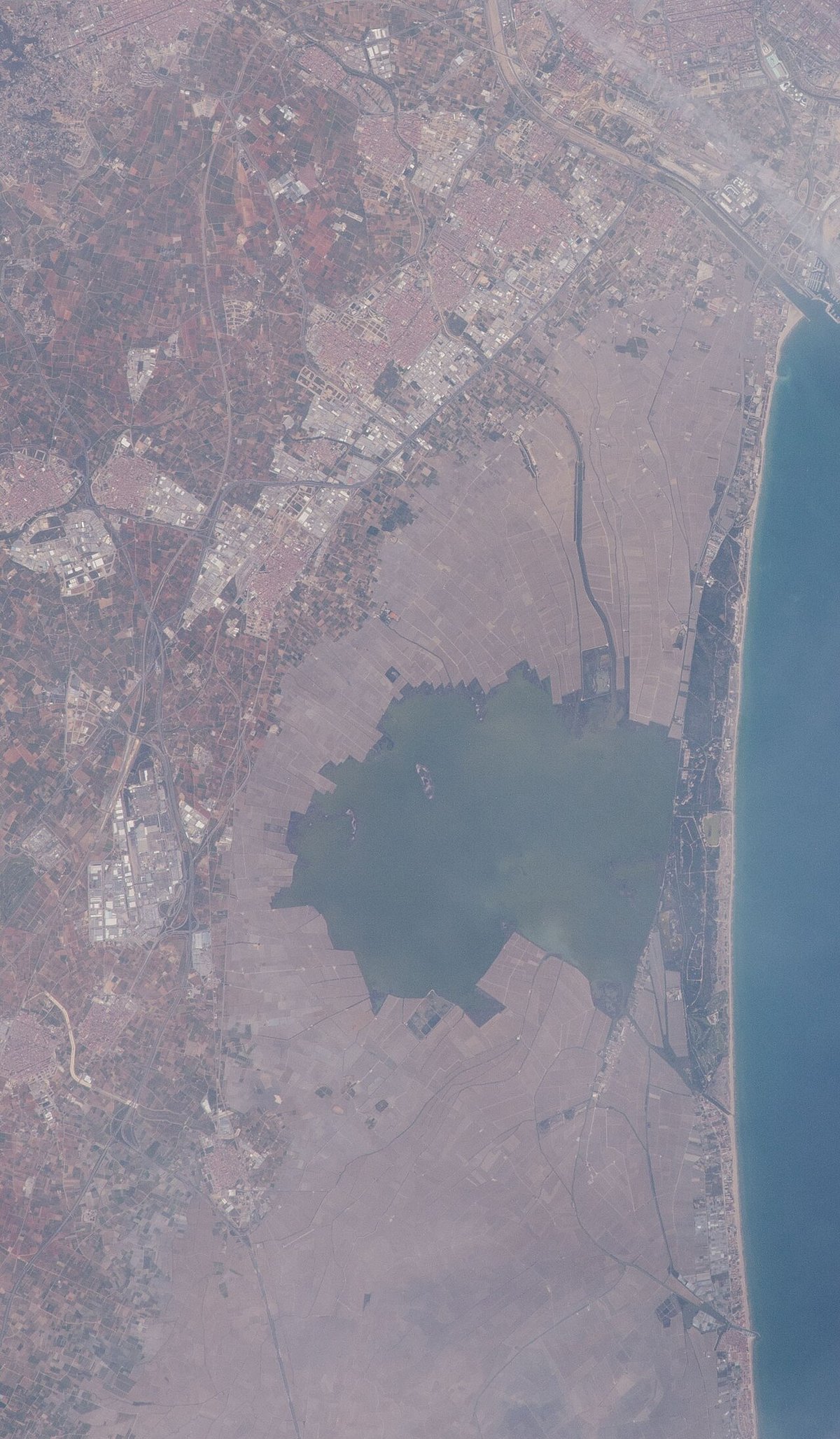
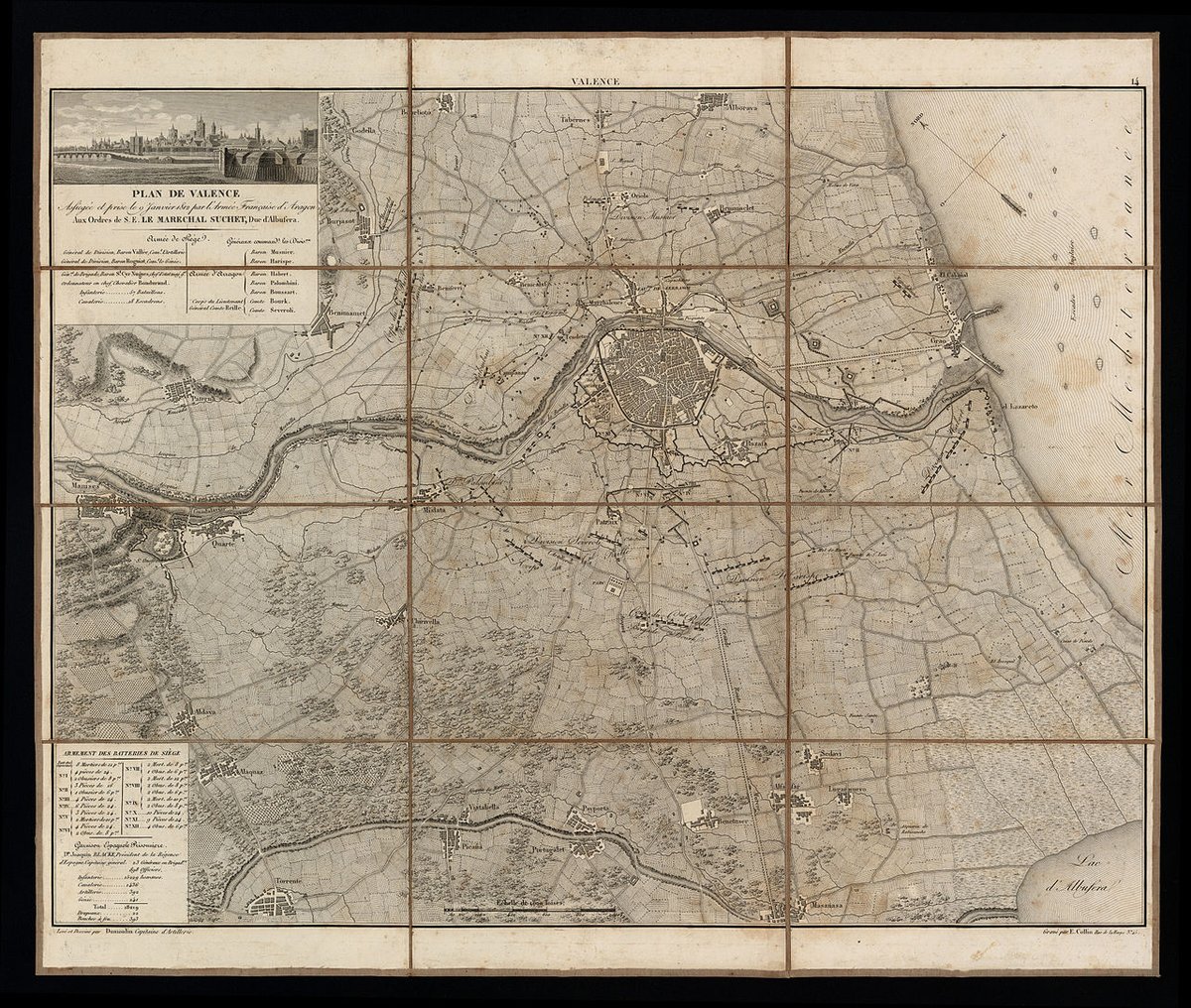
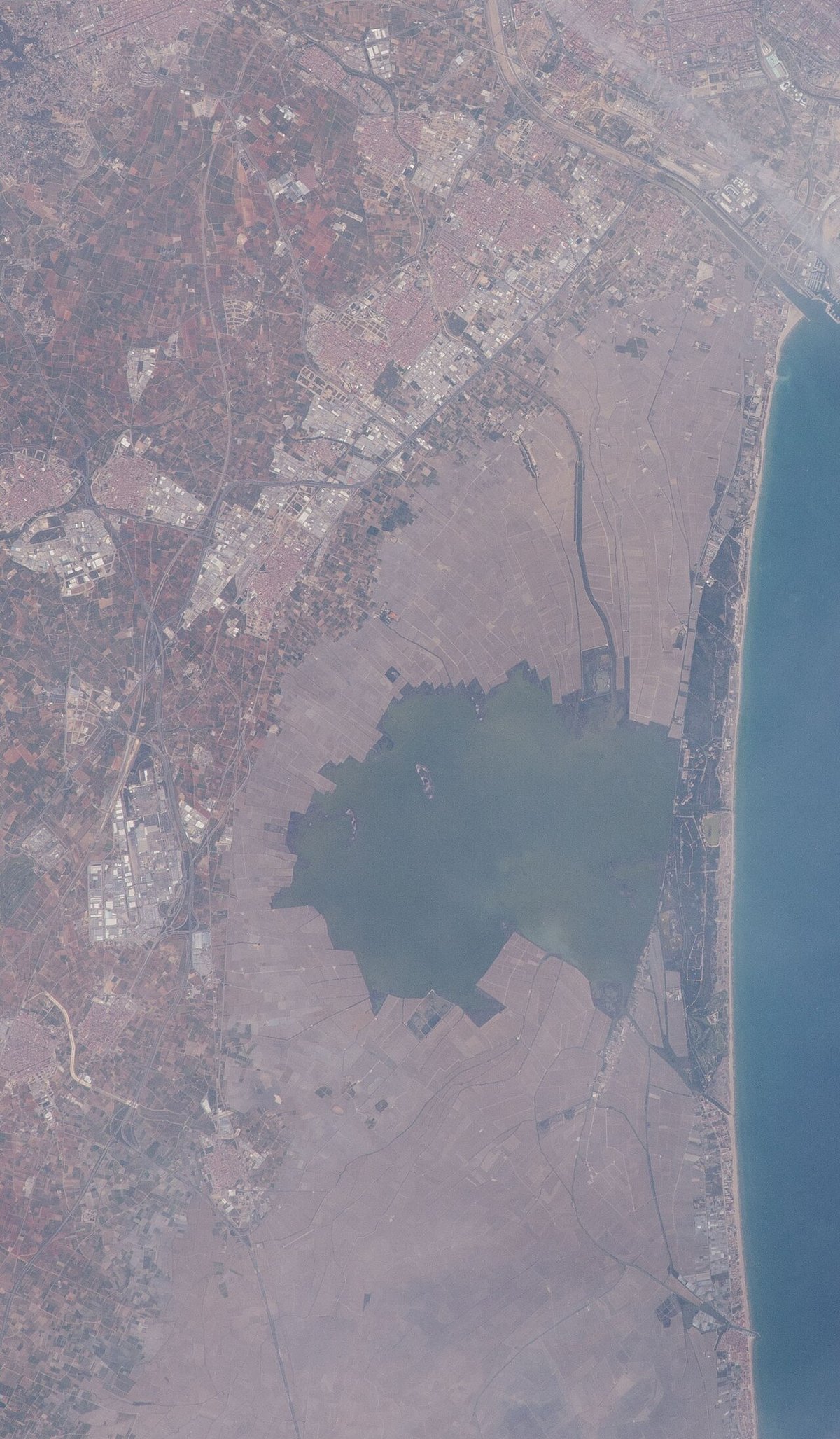
The huerta starts where the last pavement slab ends. Between apartment blocks and the low warehouses of the polígono, plots of dark soil hold rows of chufa or citrus trees. An older man in a blue jacket moved slowly between irrigation channels, a hose in his hand. Time in these fields still follows its own rhythm, a quiet counterpoint to the metro line that runs alongside it.
The Church and Its Quiet
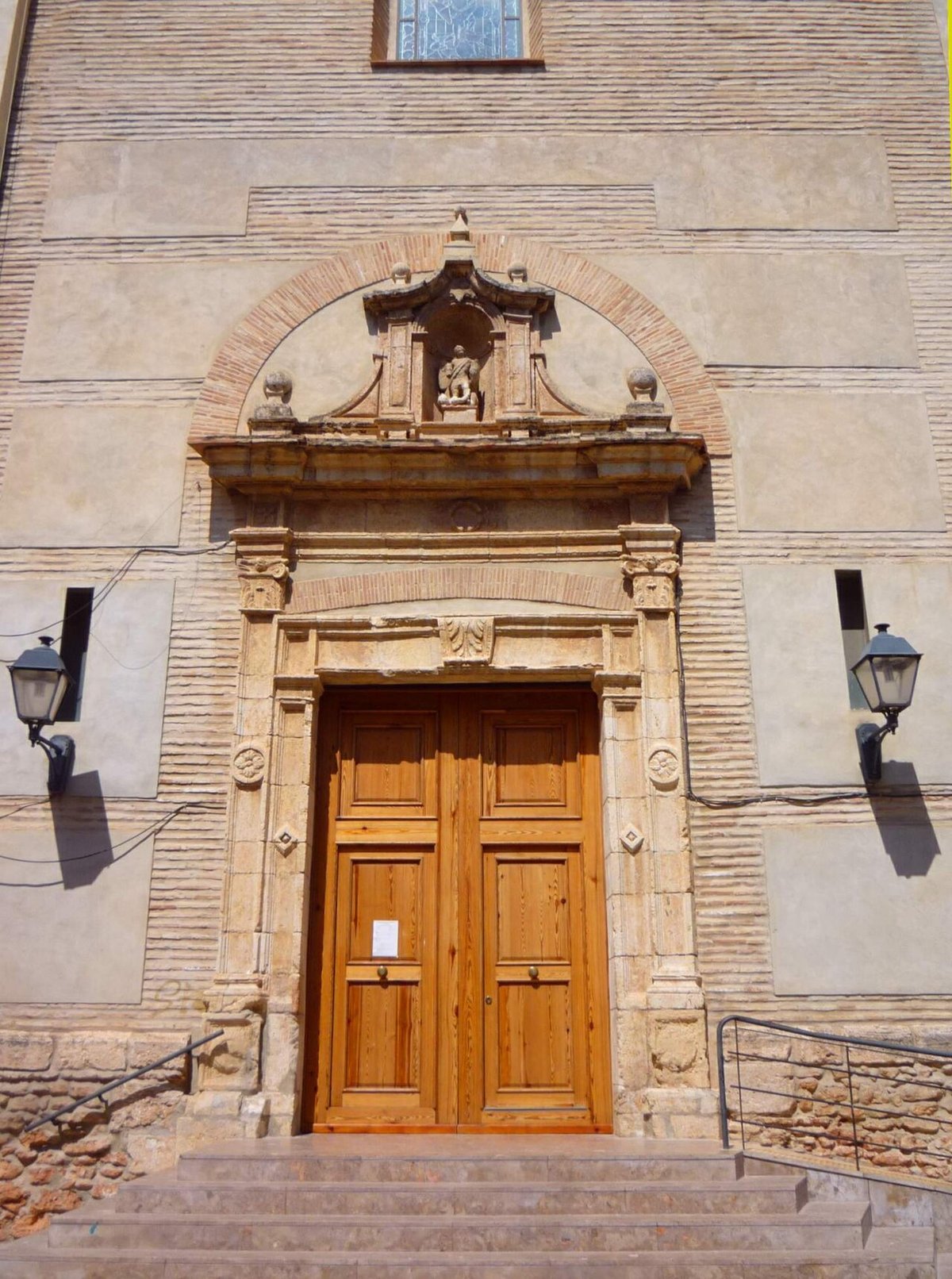
The parish church of Sant Nicolau de Bari feels like part of the street’s furniture. Its doors are often open. Inside, the air is cool and carries the faint smell of wax and old wood. The pews are smooth along the edges from use. On a side wall, an image of the Virgen de los Desamparados had a crack in the paint across her cheek; at her feet lay a small bunch of carnations, their stems wrapped in damp paper. No one explained it. None was needed.
A short walk away, the municipal cemetery is small and meticulously kept. Reading the names on the niches is like reading a map of the town—the same surnames appear on doorbells and businesses a few streets over. The continuity is quiet but absolute.
The Fire and the Smoke
March rewrites all the rules. The Fallas arrive with a daily barrage of firecrackers that startle you no matter how expected they are. The acrid smell of gunpowder hangs in the air for weeks. Some houses keep their wooden shutters closed to protect the windows.
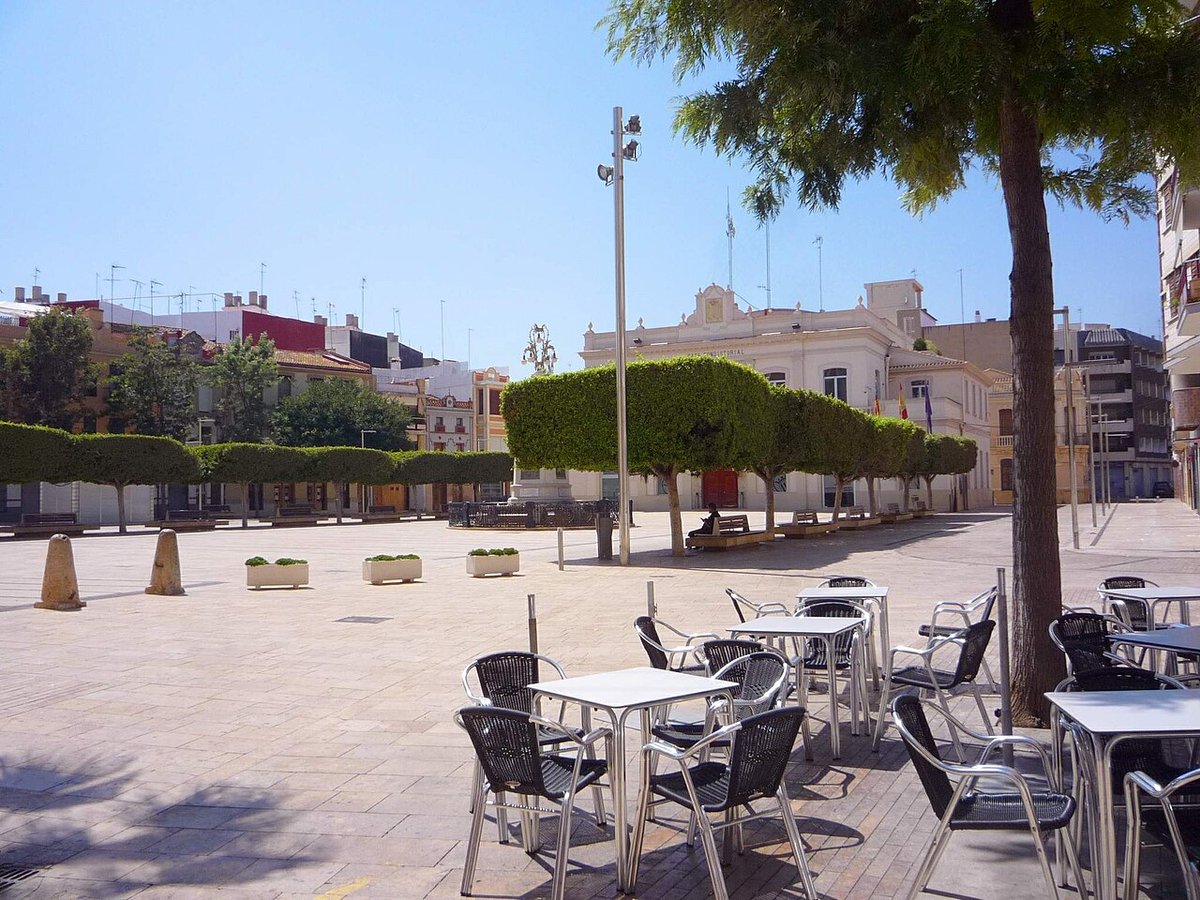
The fallas committees build their monuments in hidden workshops. The ninots often depict local scenes—a neighbour known for his garden, a joke about last year’s water levy. On the night of the cremà, when the sculptures burn, heat washes over the crowded plaza. The smoke is thick and sweet if the orange trees are in bloom, carrying flakes of blackened paper into the dark sky. For those days, Benetússer is not a suburb. It is its own loud, chaotic, entirely self-absorbed world.
A Meal at Midday
Lunch here mirrors what happens in local homes. Portions are generous, presentation an afterthought. You might find croquetas with a creamy interior that spills out, or a tortilla so thick it needs two plates. At midday, workers from the industrial estates fill tables for the menú del día: perhaps a sopa de fideos, then arroz al horno or rabbit with tomato. The cooking is straightforward, seasoned with conversation about frost threats to the citrus or the price of diesel.
For dessert, horchata is common—the local chufa makes it here—served cold and slightly gritty at the bottom of the glass.
A Practical Moment
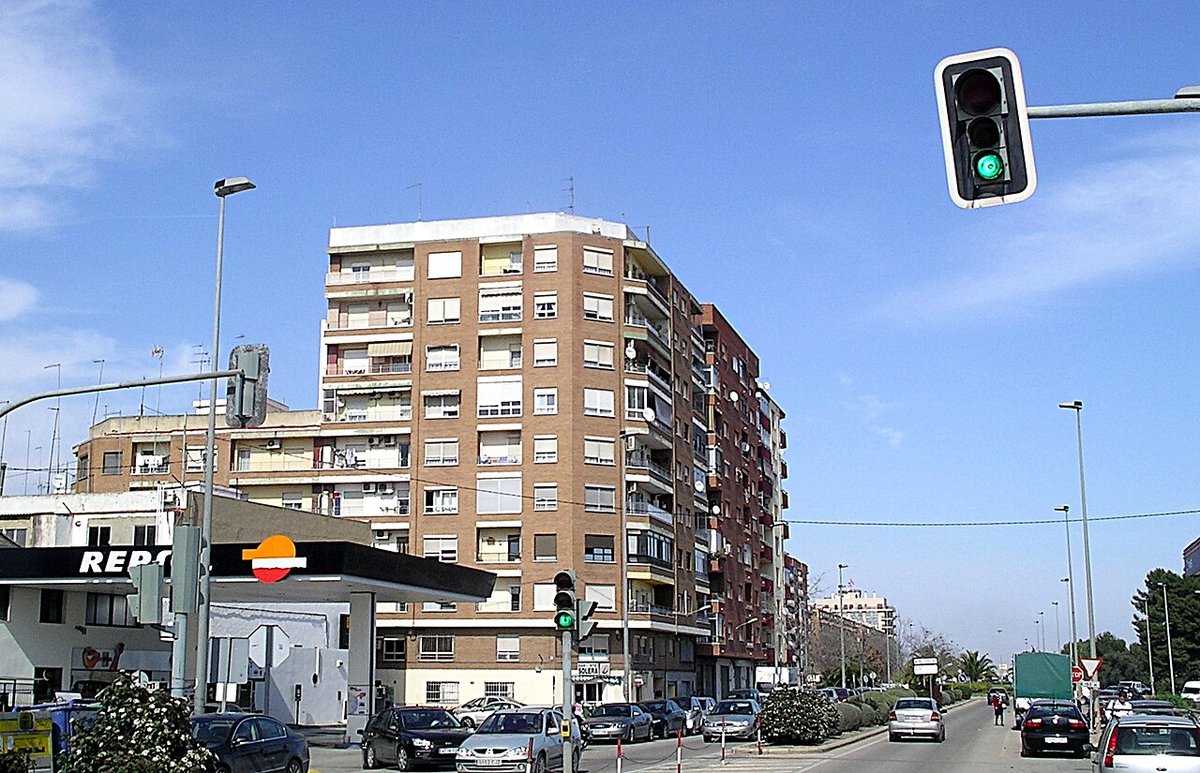
Benetússer is connected to Valencia by frequent commuter trains; the journey is short. If you drive, park on the outskirts near the sports complex. The centre’s streets are narrow and reserved for residents.
Come in March only if you seek the festival’s frenzy. In high summer, especially August afternoons, the heat is heavy and many streets are silent behind closed shutters. A better moment is early autumn, when the evening air softens and carries the scent from the irrigated fields, and you can sit outside without rushing.