Full Article
about Beniparrell
Small but highly industrialized municipality with a historic church.
Hide article Read full article
A Village Where the Huerta Still Works
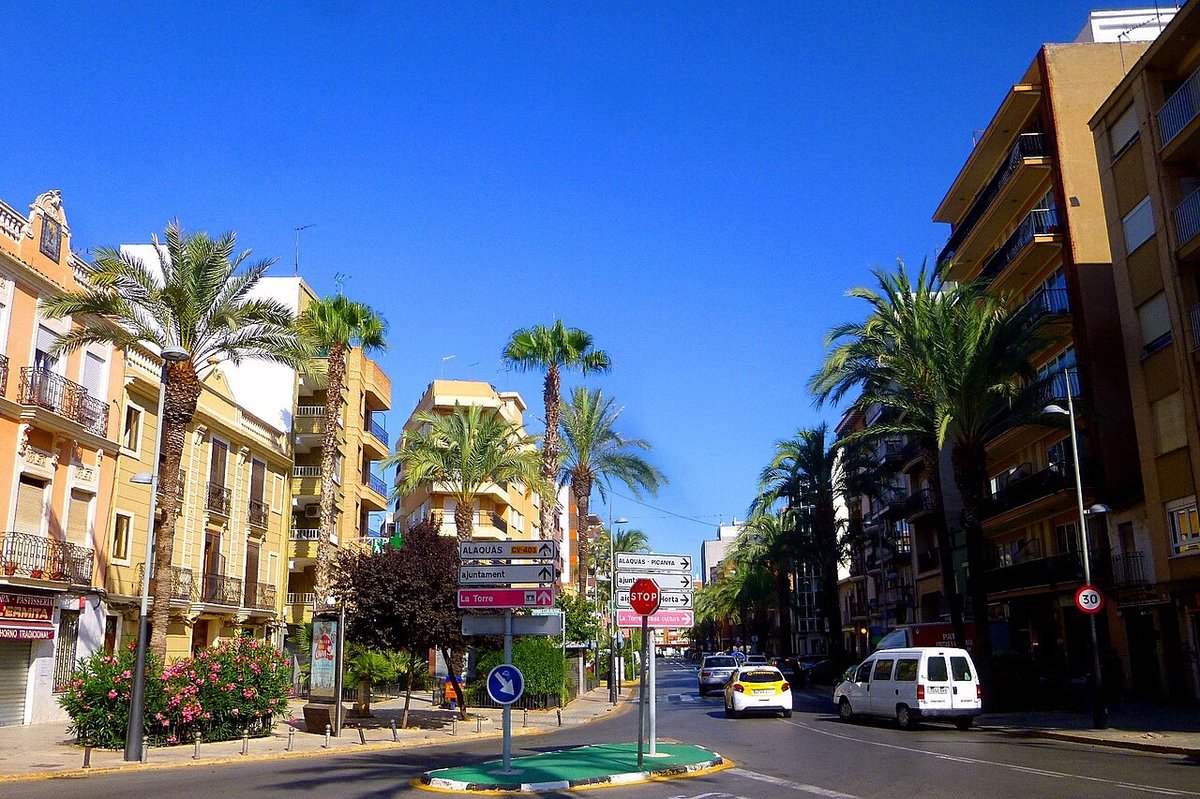
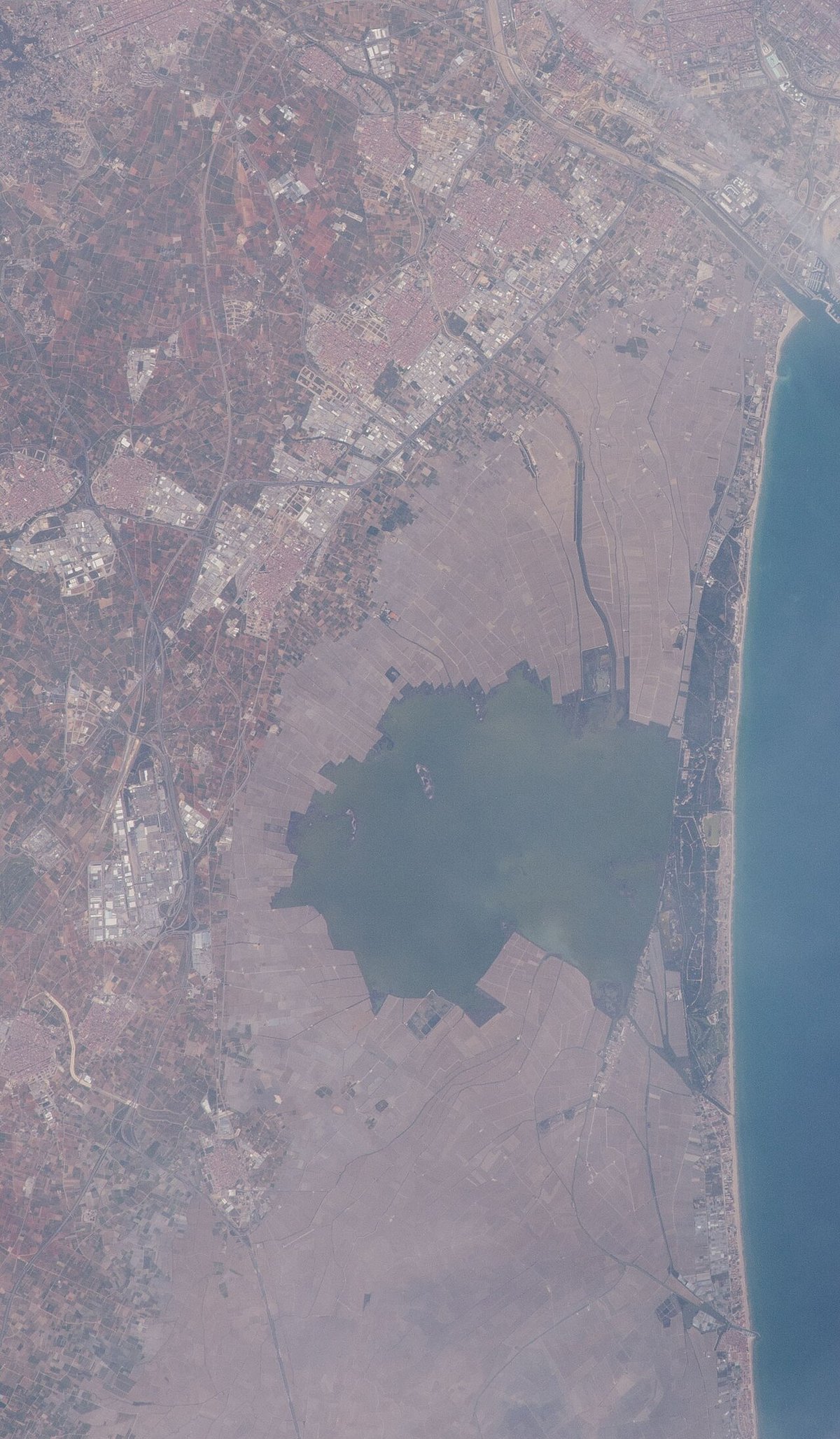
Tourism in Beniparrell has little to do with the postcard image often associated with the Huerta de Valencia. Here, the huerta, the historic market garden that surrounds the city, remains above all a working landscape. The municipality is small and flat, covering just a few square kilometres where citrus groves stretch almost to the first houses. There is barely any transition. A road, a roundabout, and suddenly the streets of the village begin.
As in other parts of l’Horta Sud, the present-day landscape makes more sense when seen through the lens of its historic irrigation network. The acequias, irrigation channels that organise the fields, form part of the traditional hydraulic system of the Valencian huerta. Developed from the Andalusí period onwards and adjusted over centuries by farmers themselves, this system still shapes daily life. Many of these channels continue to run beneath streets or between plots that are actively cultivated.
Beniparrell does not set out to impress with monuments or grand avenues. Its character lies in how closely the built-up area and farmland sit together, and in the fact that agriculture is not a backdrop but an ongoing activity.
Santa Bárbara and the Memory of a Lordship
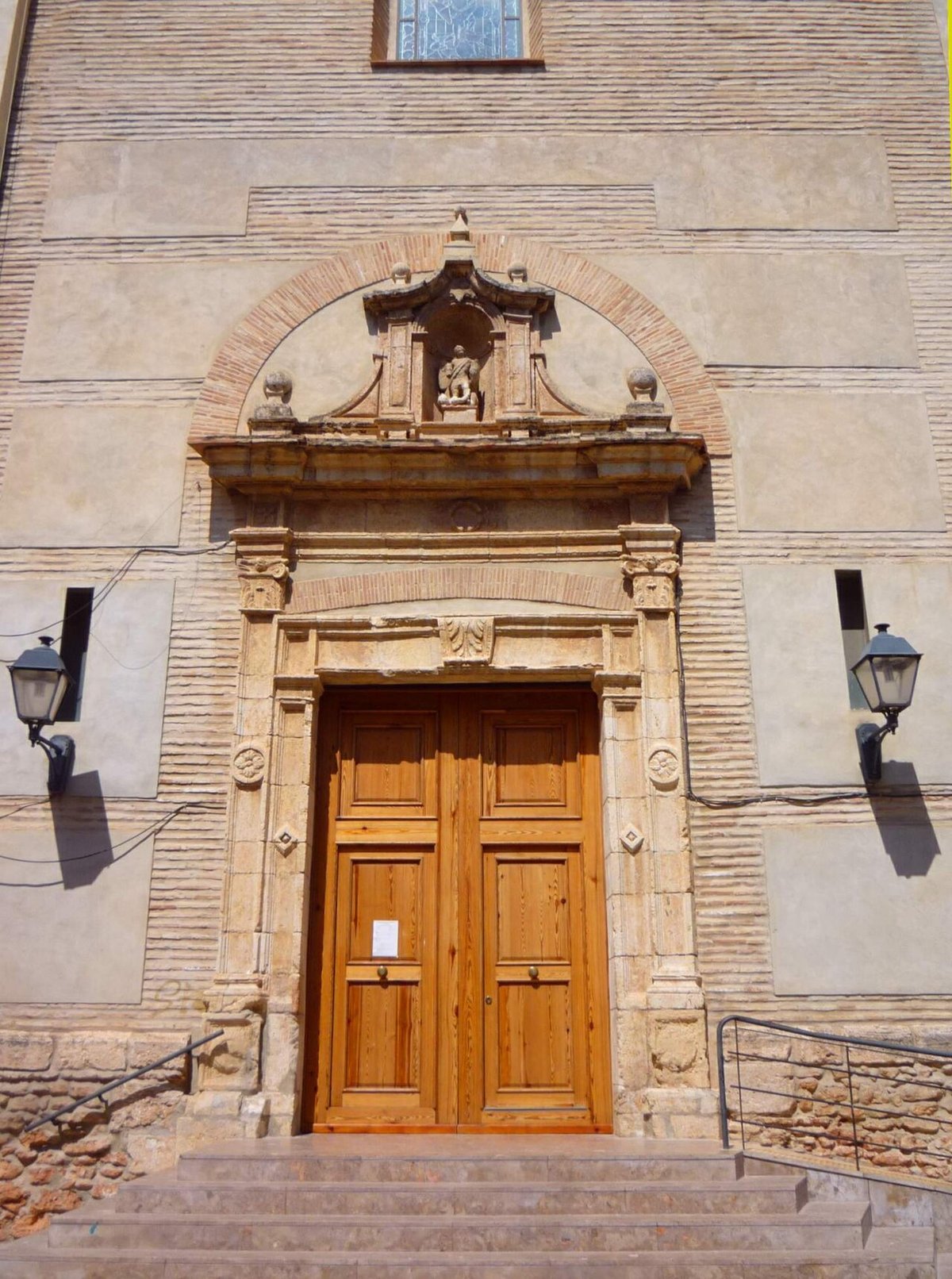
The parish church of Santa Bárbara stands near the centre of the urban area. The current building largely dates from the eighteenth century, although, as with many parish churches in the huerta, later alterations have softened its original appearance.
Inside, mural paintings dedicated to Saint Barbara can be seen. Her devotion is widespread in different parts of the Comunitat Valenciana, and in Beniparrell she is the patron saint. The church’s importance is tied less to its size than to its place in local history. For centuries, Beniparrell was a seigneurial estate linked to the Escrivá de Romaní family, the barons of Beniparrell.
In the family pantheon lies María de las Nieves de Mora y Aragón, sister of Queen Fabiola of Belgium. When she died in the 1980s, the presence of members of the Belgian royal family briefly brought this small municipality of l’Horta Sud into the news beyond the comarca. Today, her tomb attracts little attention unless you already know it is there. It forms part of the quiet continuity between past and present that characterises the village.
The church usually opens during normal times of worship. If it is closed, asking nearby often clarifies when it will open again. Visits depend largely on parish life rather than a tourist schedule.
Fields at the Doorstep
Early in the morning, tractors can still be seen crossing the centre of the village on their way to the fields. The dominant crop remains citrus, especially orange trees, which occupy much of the municipal area.
There are no marked trails or designated routes for strolling among the fields. Even so, it takes very little effort to grasp the scale of the landscape. Leaving by any of the agricultural tracks that surround the village, the houses quickly fall behind. Within minutes there are only rows of trees, acequias and dirt paths linking one plot to another.
After rain, the mud clings easily to shoes. It is the same dense, damp soil typical of many parts of the Valencian huerta. In spring, the scent of orange blossom drifts across the fields and into the streets of the village itself. The agricultural calendar shapes the atmosphere as much as the civic one.
What stands out is the lack of clear boundaries. The village does not end and the countryside begin in any dramatic way. Instead, they overlap. The proximity helps explain why the irrigation channels are not relics but working infrastructure, and why the huerta here feels practical rather than decorative.
Festive Moments in a Small Municipality
The local festive calendar revolves around two main moments. In July, celebrations linked to the Virgen del Carmen bring processions, events organised by peñas, and communal meals in streets and squares. The peñas are local social groups that play a central role in many Spanish village festivals, helping to coordinate activities and maintain a sense of shared identity.
Around the feast of Santa Bárbara, the town’s patron saint, further festivities are organised. Comparsas and parades of moros y cristianos form part of the programme. These performances, common across the Valencian Community, recall the medieval conflicts between Muslim and Christian kingdoms in the Iberian Peninsula. In Beniparrell they do not correspond to a specific historical episode from the village itself. They are relatively recent compared with those of other towns, yet over time they have become integrated into local life.
As in many small municipalities, these celebrations temporarily alter the rhythm of daily routines. Streets that on most days see tractors and local traffic fill instead with neighbours, music and shared tables.
Getting There and Getting Around
Beniparrell lies a few kilometres south of Valencia. By car, the journey from the city is short. Its compact urban area can be explored easily on foot.
There are a handful of local establishments where cooking revolves around rice dishes and the usual specialities of the area. The culinary offer reflects the broader traditions of the Comunitat Valenciana rather than anything designed specifically for visitors.
Beyond the village itself, the most revealing experience remains a simple walk along the agricultural paths of the huerta. It is there, among citrus trees and irrigation channels, that the nature of Beniparrell becomes clear. This is not a place that has reshaped itself around tourism. Instead, it continues to function as part of a historic agricultural system on the southern edge of Valencia, where fields and houses share the same ground with little ceremony.
Understanding Beniparrell means accepting its scale. There are no grand attractions or carefully staged viewpoints. What it offers is proximity: to Valencia, to the land, and to a way of organising territory that has endured since the Andalusí period. In that continuity between past irrigation systems, eighteenth-century parish church and present-day citrus harvests lies the quiet identity of the village.