Full Article
about Catarroja
Main gateway to l'Albufera and birthplace of All i Pebre
Hide article Read full article
At six in the morning, Catarroja’s market smells of fresh sardines and bread just out of the oven. Beneath the metal frame of the building, fishermen unload damp crates still dripping water from l’Albufera. Someone calls out prices at the top of their voice while the shutters of nearby shops begin to rattle upwards. Outside, towards the port, the air carries the slight coolness of the marjal, the wetland that surrounds the lagoon. It is hard to believe that Catarroja is only a short train ride from Valencia.
The spirit of l’Albufera
The port of Catarroja is one of the access points to l’Albufera most used by local residents. Some traditional fishing boats still set out before dawn, their nets heavily mended and their engines starting with a dry rattle that breaks the silence.
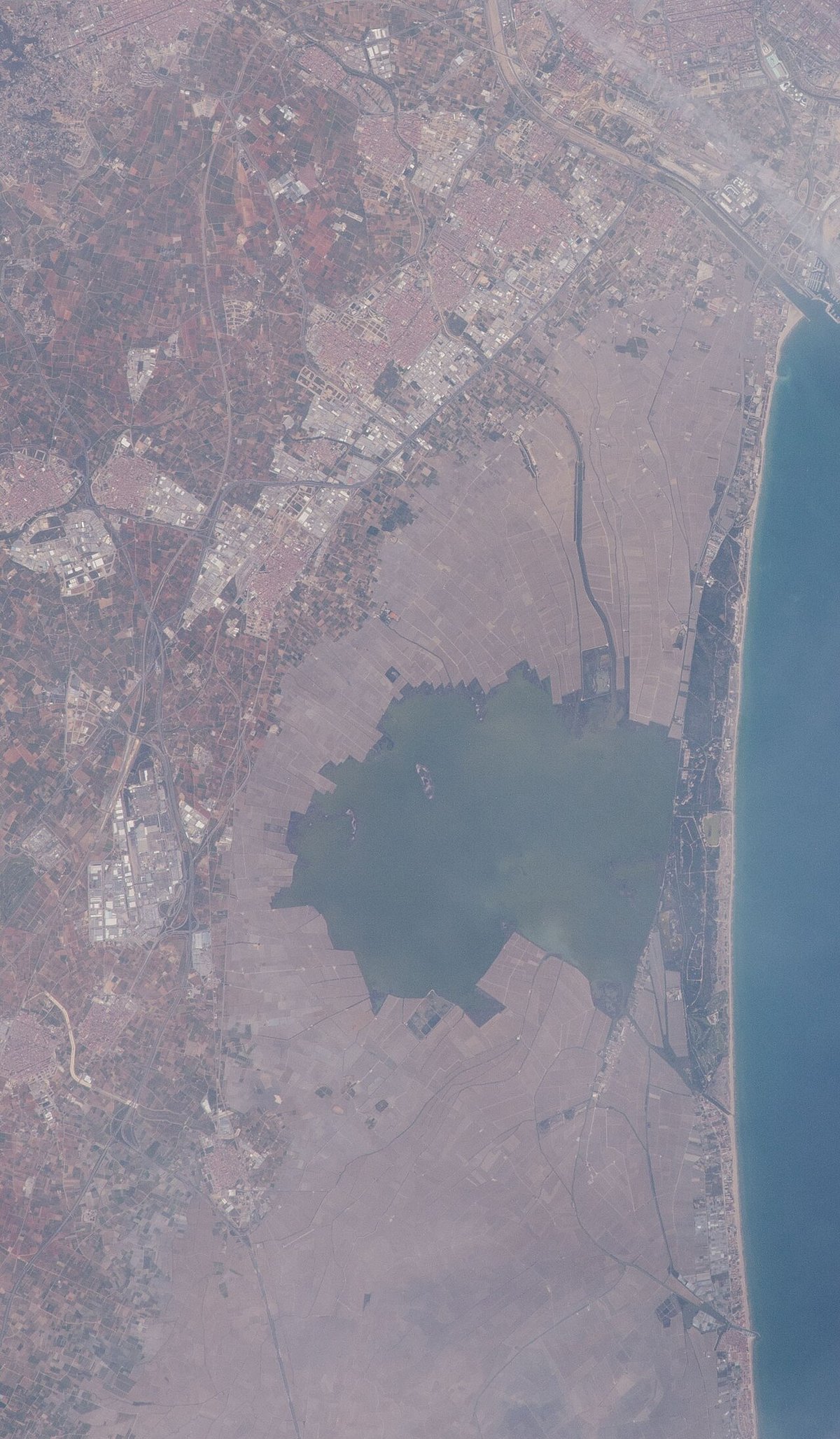
From the jetty, a flat path leads into the marjal, winding between irrigation channels and rice fields. Early in the day, mist tends to sit low over the water, and the only sounds are the brush of reeds and the soft knock of oars. Now and then a cyclist passes, or a farmer on a small motorbike heading towards the fields.
This stretch of l’Albufera can also be explored by boat. Trips usually follow the canals that connect to the open lagoon. The boatman moves slowly, pushing aside plants that float on the surface, while herons stand motionless among the reeds on the banks. On calm days, the water reflects the sky like a dark sheet of glass.
A simple tip: come early or towards the end of the afternoon. At midday the sun falls directly over the rice fields and there is barely any shade.
Streets that hold their past
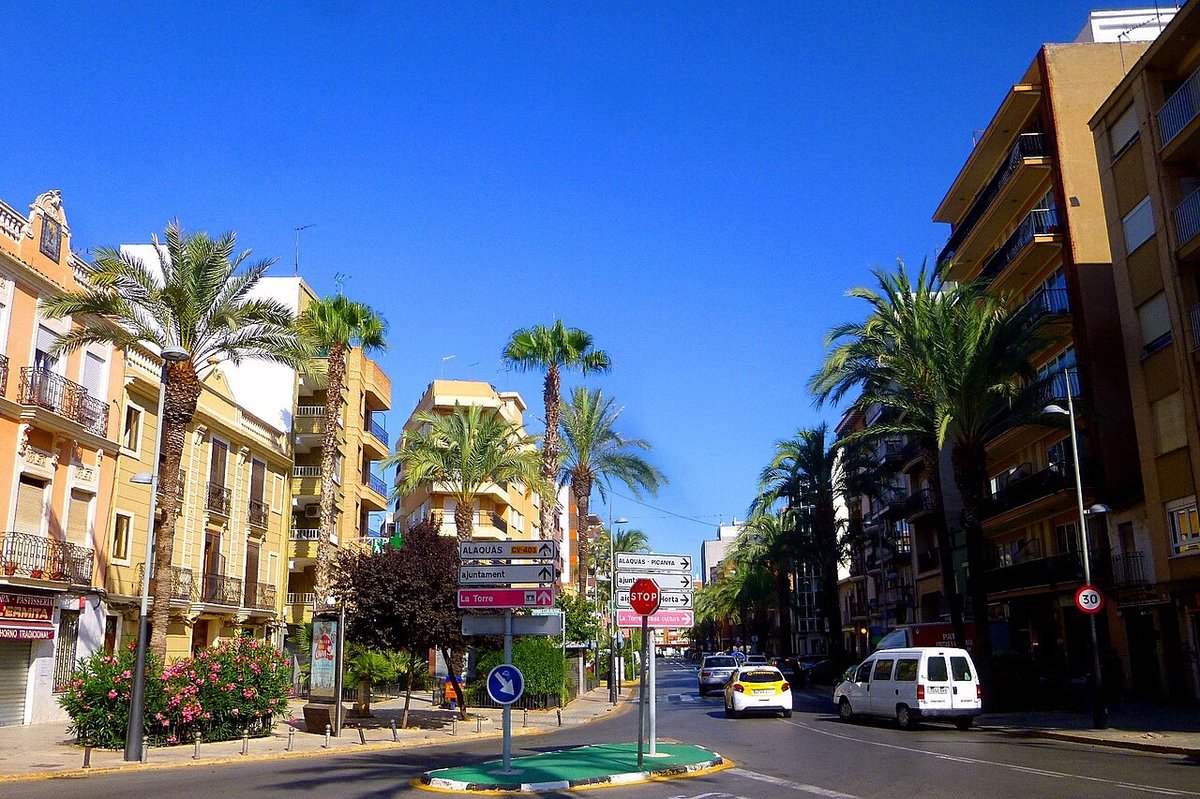
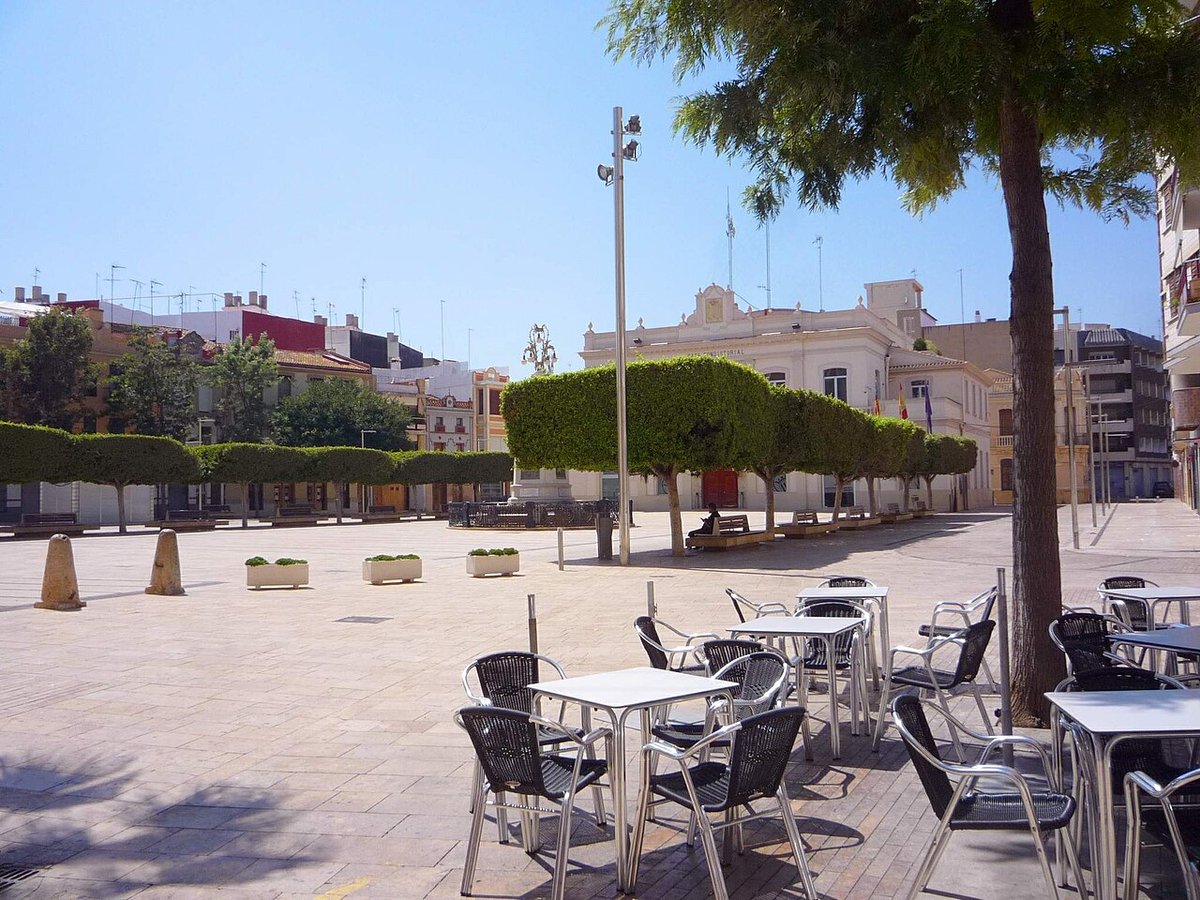
In parts of the old quarter, the original layout of the town is still visible: narrow streets, façades pressed close together, large doors opening into interior courtyards. When the sun slants in from the side, light bounces off whitewashed walls and leaves the ground half in shadow.
There are also a few stately houses from another era, with wrought-iron balconies and decorative plasterwork worn down by time. Not everything has been restored. Darkened wood, chipped ceramics along the eaves and doorways that creak when opened give a clearer sense of age than any polished façade could.
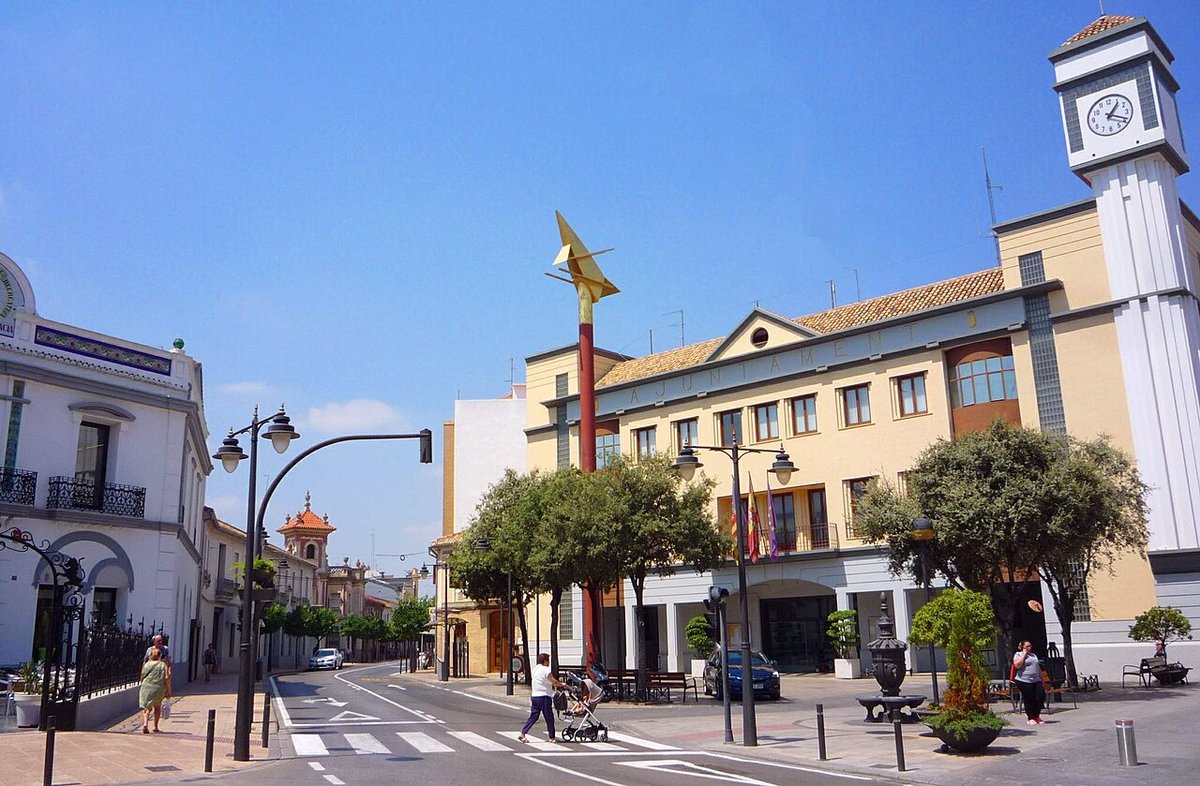
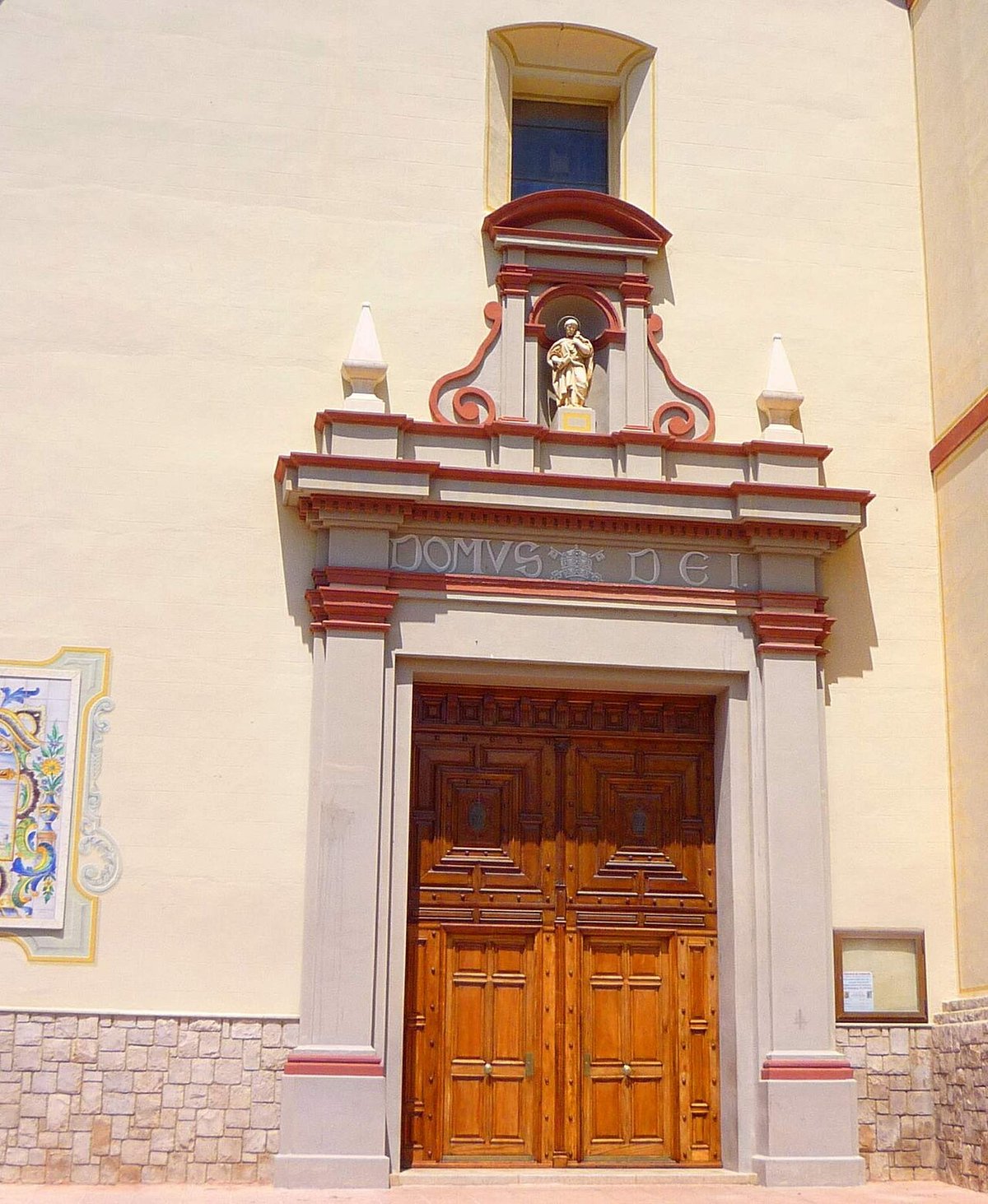
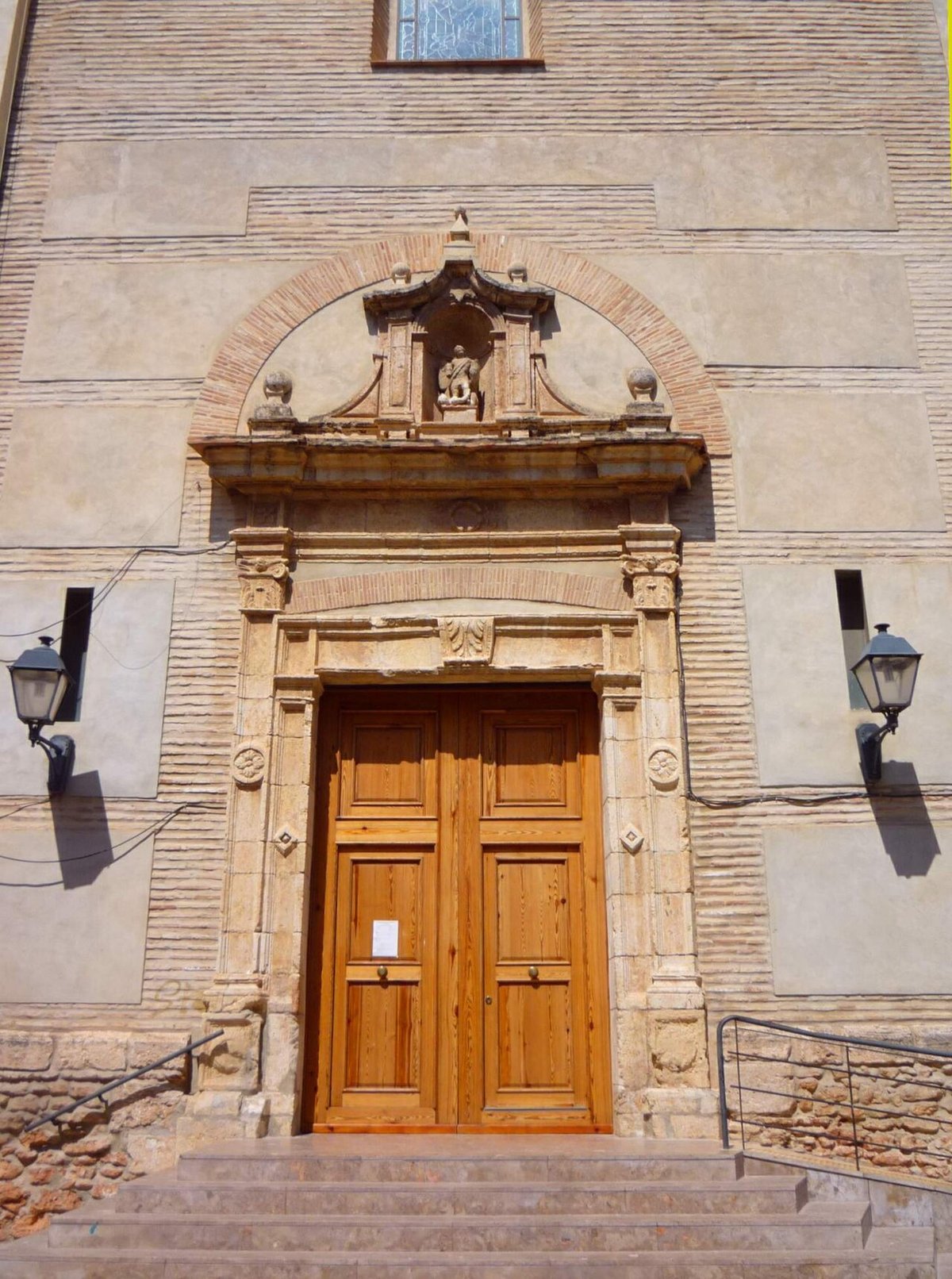
The church of Sant Miquel marks the centre of the town. Inside, there is the familiar blend of candle wax and cold stone found in older churches. At certain times of day, neighbours drift in and out quietly, changing flowers or lighting a quick candle before getting on with the rest of their routine.
The taste of the marjal
Cooking here is closely tied to what comes from l’Albufera and the rice fields around it. When eel season arrives, traditionally in the colder months, all i pebre returns to many tables in Catarroja. The name means “garlic and paprika” in Valencian, and the dish is a thick sauce of garlic, paprika and potato in which the eel is cooked slowly until tender.
The rice grown in the area has a reputation for absorbing stock well. Whether in brothy rice dishes eaten with a spoon or in drier versions, the base is often similar: water from the lagoon itself, slightly more mineral, and a sofrito prepared without rushing.
In March, during the Fallas, the atmosphere changes completely. Fallas is the major festival in much of the Valencia region, known for its large satirical sculptures and fireworks. From early morning, bunyols de carabaza, pumpkin fritters, begin to sizzle in many homes and in the casales falleros, the social spaces of each Fallas group. The sweet aroma mingles with the sharp scent of gunpowder from firecrackers and the smoke of the first paellas of the day.
When Catarroja celebrates
Festivities dedicated to Sant Miquel usually take place at the beginning of autumn. During those days, the centre fills with brass band music, street parades and processions in which much of the town takes part. One of the most distinctive moments is the arrival of branches of murta and other aromatic plants, which are spread across the streets. As people walk over them, a fresh green scent rises from the ground and lingers in the air for hours.
There are also Moros y Cristianos celebrations in spring. These festivals, common in parts of the Valencian Community, recreate the historical clashes between Muslim and Christian kingdoms through parades and ceremonial mock battles. In Catarroja they are smaller in scale than in some nearby towns, and that makes them feel closer to everyday life. Costumes are finished at home, whole families come out to watch the processions, and the echo of arcabucería, the ceremonial firing of arquebuses, rebounds off the industrial warehouses on the outskirts.
Getting there and choosing your moment
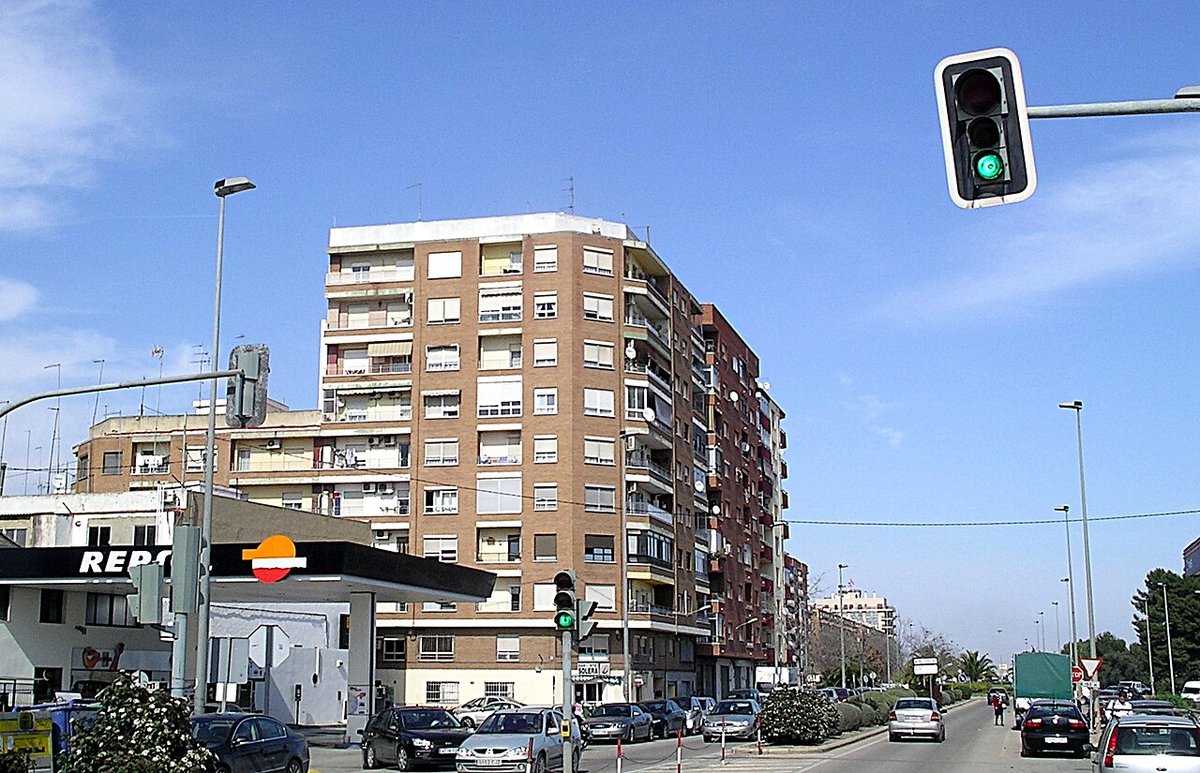
Catarroja is connected to Valencia by frequent commuter trains throughout the day. The station is within walking distance of the centre.
If arriving by car, it is worth allowing extra time early in the morning or towards late afternoon. Tractors heading to the fields share the road with steady traffic in and out of the industrial area.
Spring is one of the most pleasant times to visit. The rice fields begin to fill with green and birdlife is especially active across the marjal. August has a different rhythm. Many residents move towards the coast and the heat settles between asphalt and façades. If there is a choice, come on a weekday and early in the day. With the market in full swing and the port just waking up, Catarroja shows its character most clearly.