Full Article
about Llocnou de la Corona
One of the smallest municipalities, surrounded by Alfafar and Sedaví
Hide article Read full article
A tiny place beside Valencia
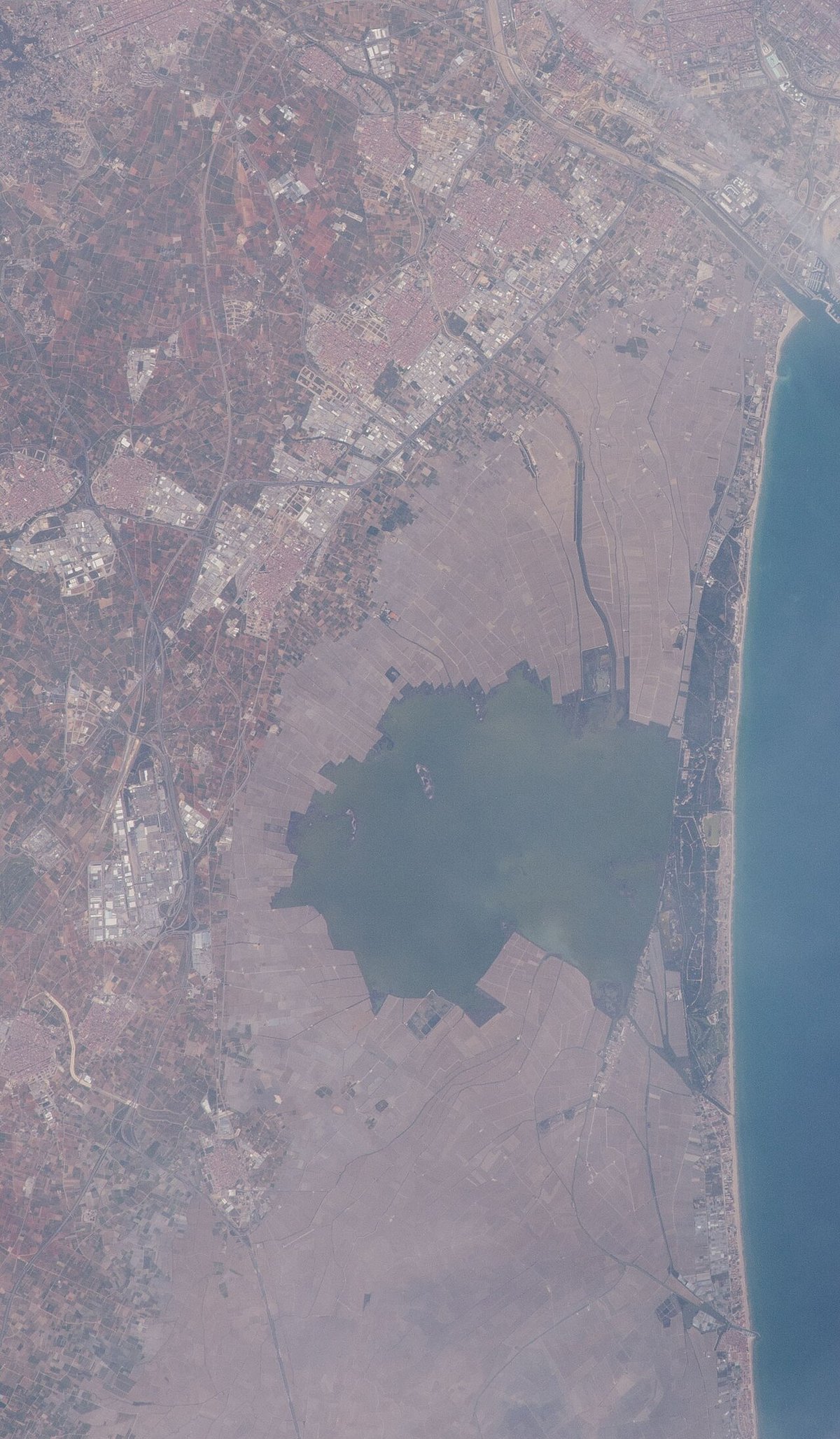
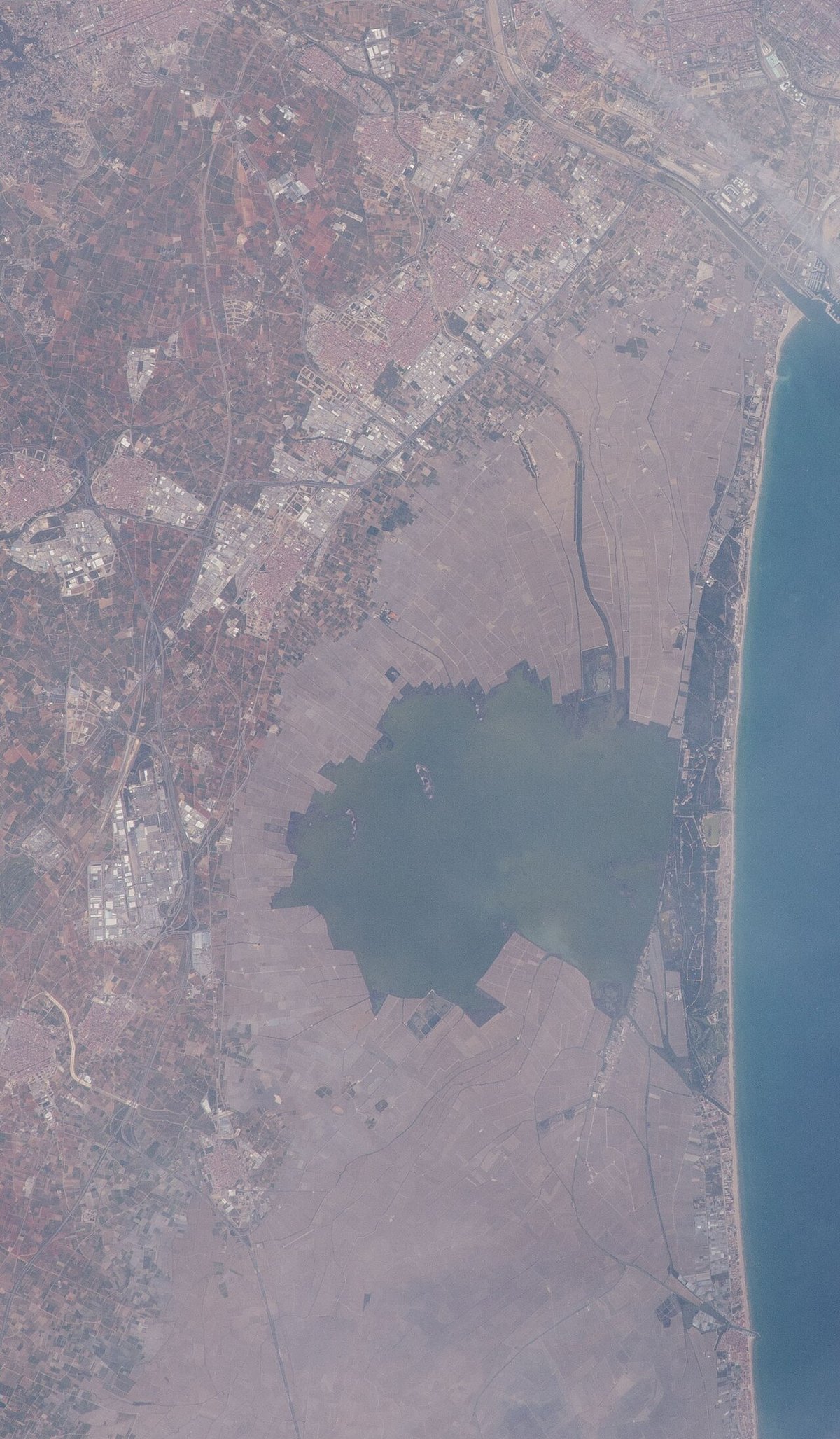
Llocnou de la Corona is the kind of place you could drive past without ever realising it is there. Even people from the Valencia area have done exactly that, more than once, without noticing they have just passed a municipality in its own right. With just over a hundred residents, it sits quietly in l’Horta Sud, close to the city yet moving at a much slower pace.
Anyone looking up tourism in Llocnou de la Corona should adjust expectations early on. There are no major monuments, no old quarter lined with photogenic streets. What you find instead is something much simpler: a very small village embedded in farmland, where daily life still revolves around the huerta, the traditional agricultural landscape that surrounds Valencia.
A village shaped by the huerta
The municipal area is so compact that you can walk across it in no time at all. Streets are short, houses are low, and the buildings follow a practical style long associated with the Valencian huerta. These are places built for living and working, not for show.
Beyond the houses, farmland continues to define the surroundings. Orange trees appear in many plots, alongside small vegetable fields. The network of irrigation channels, known locally as acequias, runs through the area and keeps the land productive. Many of these channels have very old origins, largely inherited from irrigation systems developed during the Andalusí period, and they still shape how the landscape is organised today.
The paths that cut through this farmland are not designed for visitors. They are working routes used by farmers to access their fields. Even so, they double as simple walking or cycling routes for anyone who wants a quiet stroll. Early morning and late afternoon tend to be the most pleasant moments, when the light softens and activity in the fields picks up or winds down.
The centre in just a few steps
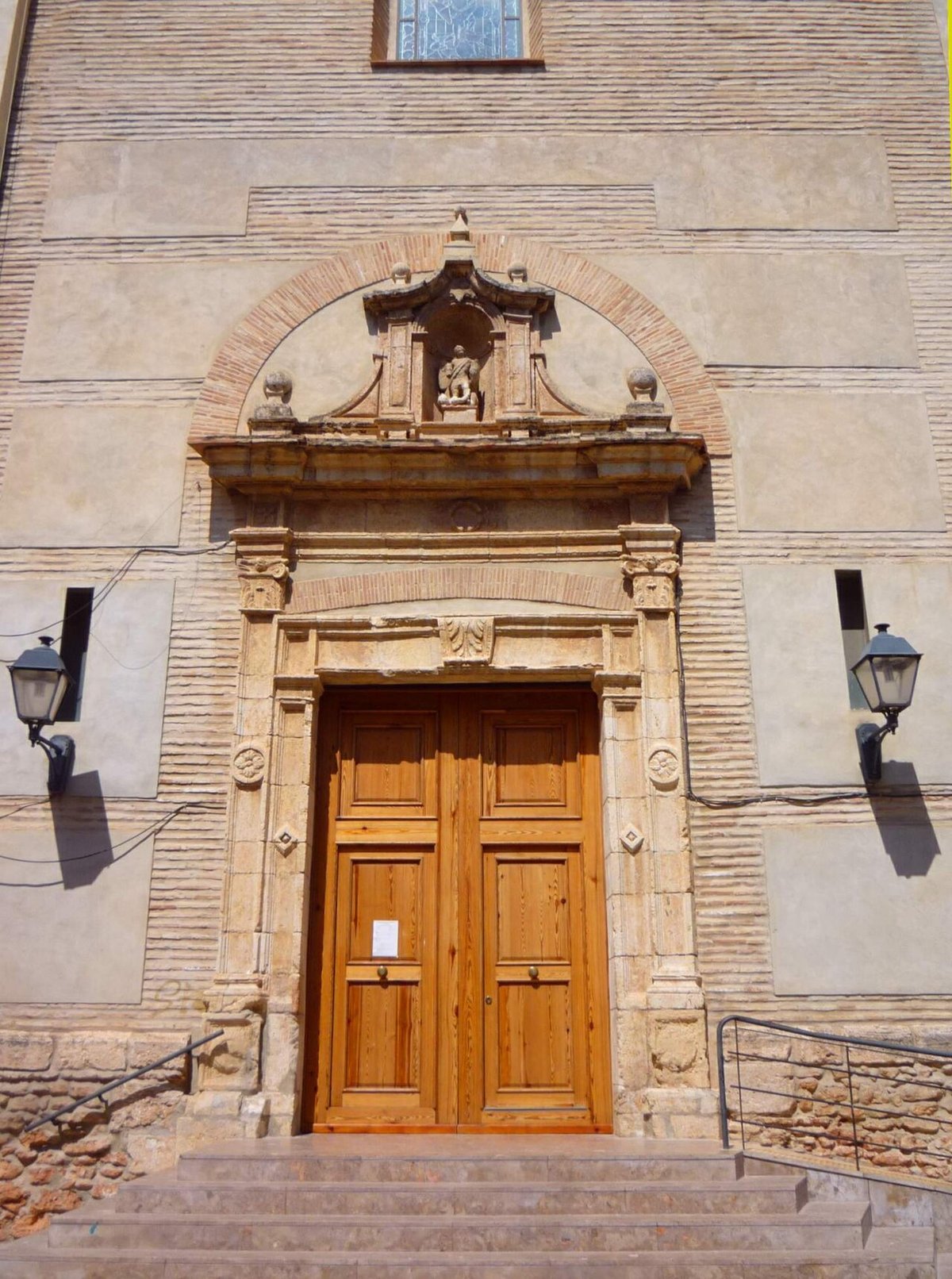
The village centre is genuinely small. At its heart stands the parish church, a modest building that serves more as a meeting point than as a monument. Local celebrations and events are centred here, marking the rhythm of the village calendar.
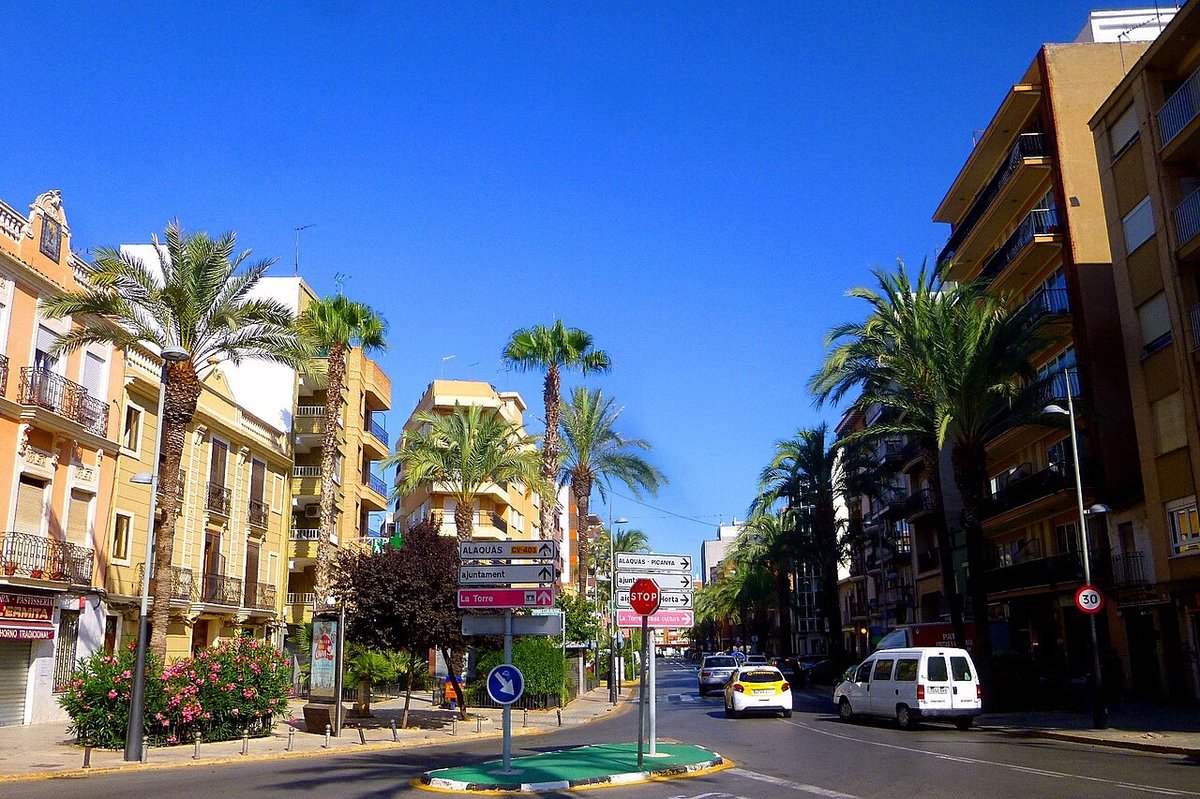
The surrounding houses reflect the typical look of many towns in l’Horta. Facades are light in colour, heights remain low, and windows often have metal grilles. Doorways open into interior courtyards, a feature closely tied to traditional ways of living in this region.
Not everything has been restored or polished. Some buildings show signs of age or everyday wear, and that gives the place a more grounded feel. The streets do not look arranged for photographs, and that is part of the appeal. A short walk of ten or fifteen minutes is enough to form a clear picture of the whole village.
Walking the surrounding farmland
The main interest of Llocnou de la Corona lies just outside its streets. The huerta around it is still active, and many plots are worked on a daily basis. Depending on the time of year, it is common to see people harvesting citrus fruit, preparing the soil, or checking the irrigation channels.
Cyclists often arrive here from Valencia, as the area connects easily through local roads and rural paths. This stretch of land still reflects how the huerta looked before the wider metropolitan area expanded so extensively. It is not remote countryside, nor is it completely urban. What stands out is the balance between the two, something that defines much of the region around Valencia.
For anyone interested in how agriculture and city life coexist, this setting makes it easy to observe that relationship up close. The fields are not decorative. They are part of a working landscape that continues to support local activity.
Nearby towns within easy reach
Another point worth knowing is how close Llocnou de la Corona is to neighbouring towns. Alfafar, Sedaví and Picanya are all just a short distance away. Because of this, many visitors combine a brief walk around the village with a longer route through the surrounding area.
Each of these nearby municipalities has its own character and scale, yet they share the same agricultural setting that frames the southern edge of Valencia. Moving between them highlights how the huerta connects different communities, even as urban growth has brought them closer together.
Getting there without fuss
One of the most striking aspects of Llocnou de la Corona is its proximity to Valencia. The journey from the city takes only a few minutes by road, passing through the southern urban area. In fact, many people arrive almost by accident while travelling between towns in l’Horta Sud.
It is also easy to reach by bike. Local roads and rural paths link the area with the city, making it a common option for short rides out of Valencia.
A place that keeps things simple
Llocnou de la Corona does not try to position itself as a tourist destination. It remains a very small village, surrounded by farmland and overshadowed by a much larger city nearby.
That simplicity is part of what defines it. There is no need for attractions or elaborate plans for visitors. A short visit, a walk through the streets, and a look at the surrounding fields are enough to understand how this small corner of the Valencian map functions. Life here moves at its own steady pace, shaped by the huerta and by routines that have changed little over time.