Full Article
about Manises
City of Ceramics, world-famous and home to Valencia’s airport.
Hide article Read full article
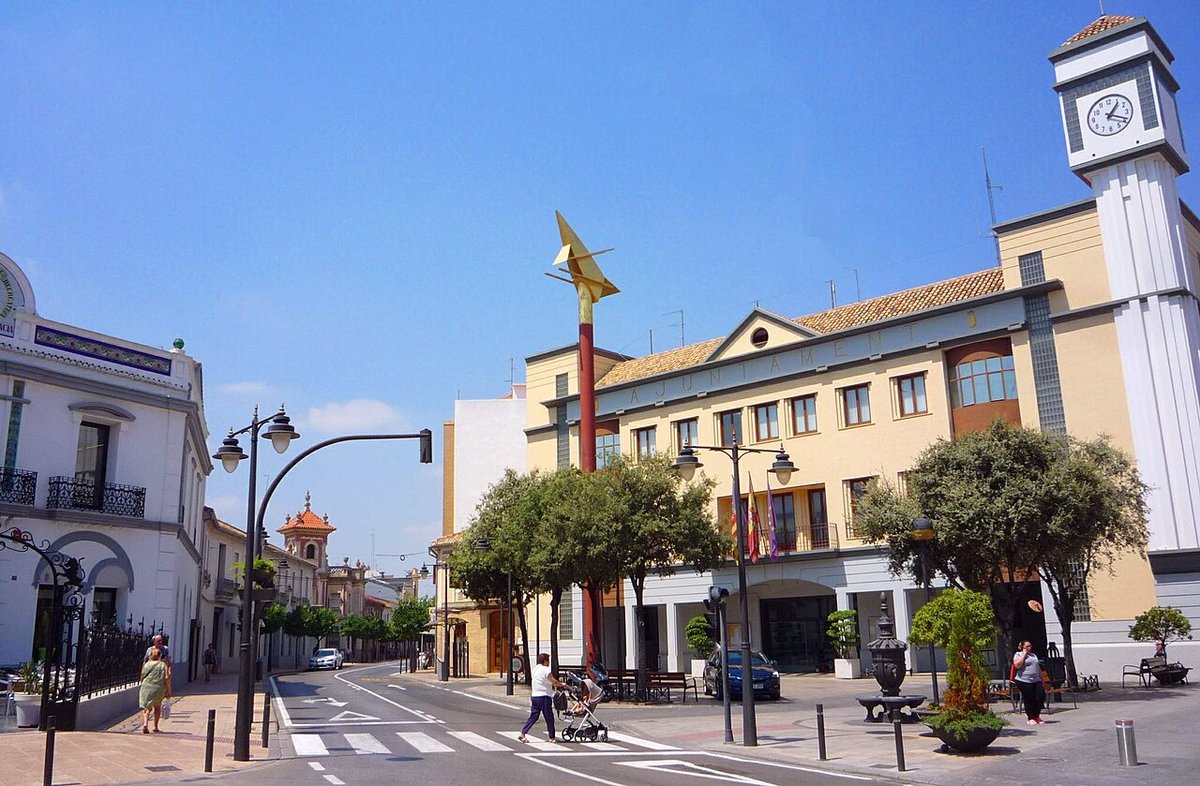
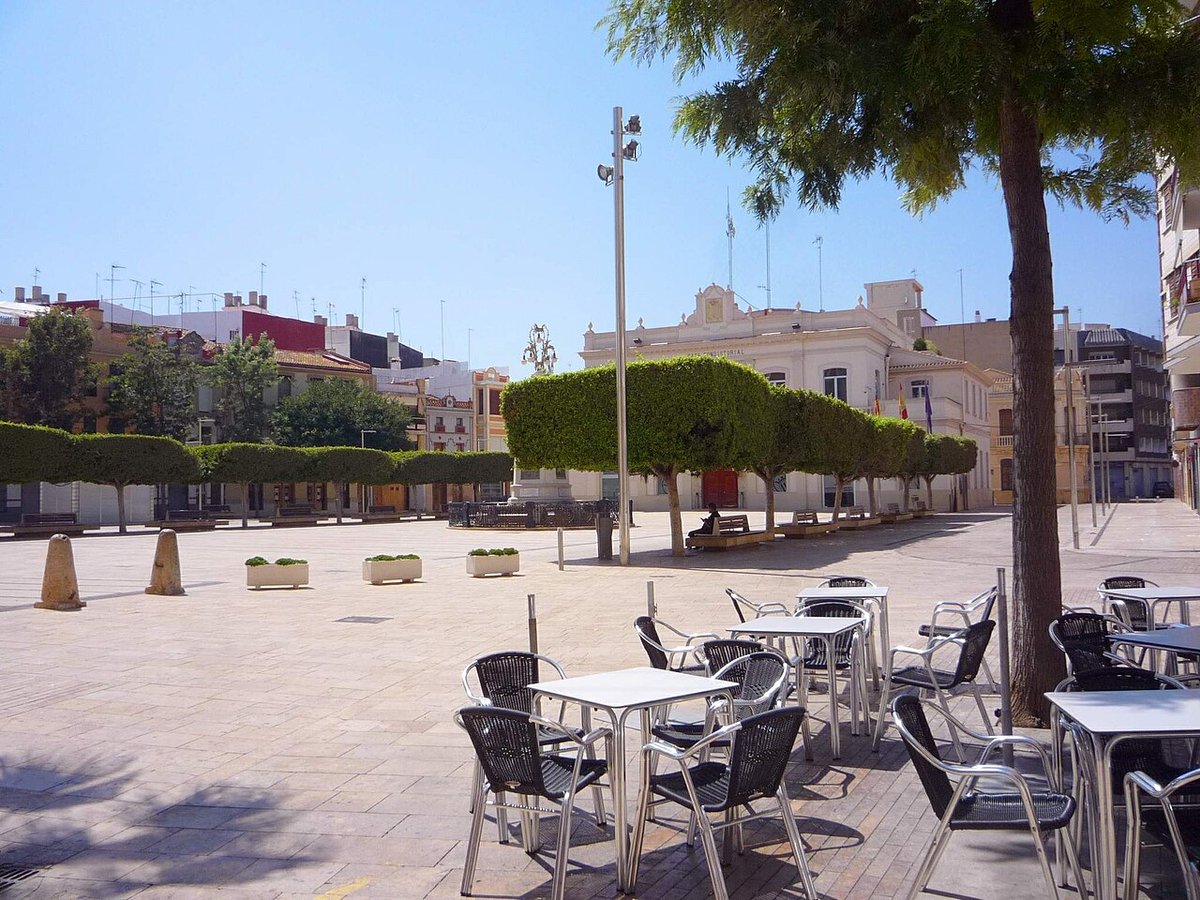
A plane flies so low it seems, for a second, about to land in the main square. The hum of its engines blends with the steady clatter of potters’ wheels still turning in nearby workshops. It is midday, the light is sharp and white, and the scent of damp clay drifts past oranges set out to dry on window grilles. This is how a walk through Manises often begins, in l’Horta Sud, where the open sky of the airport and the earth of the workshops sit only metres apart.
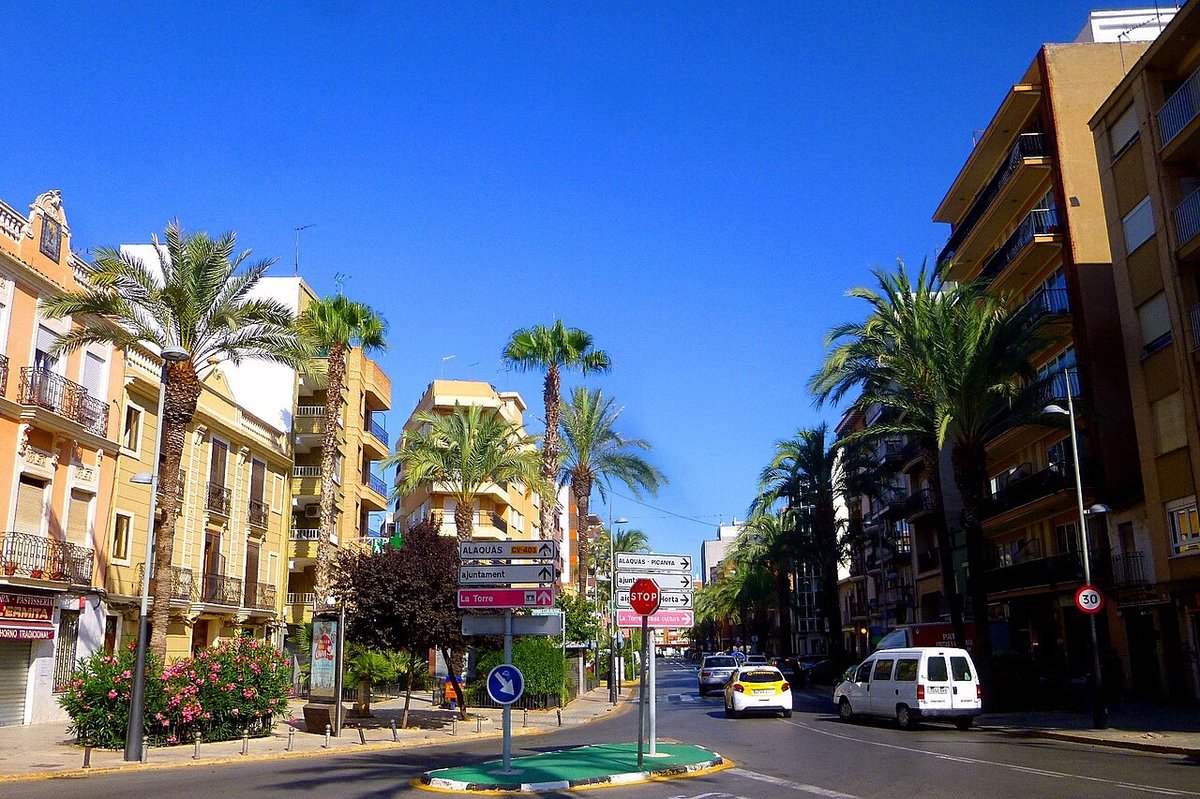
Manises is close to Valencia, yet it feels shaped by its own rhythm. Here, aircraft descend overhead while, at street level, traces of a centuries-old craft remain visible in doorways and courtyards.
When Clay Was Worth Its Weight in Gold
For centuries, Manises lived from ceramics. In the Middle Ages, its workshops produced pieces decorated with metal lustre, a technique that creates a golden sheen shifting in tone depending on the light. It was not gold, but it looked close enough to find its way onto noble tables and into palaces across much of Europe. From nearby Valencia’s port, these shimmering wares travelled far beyond the town where they were made.
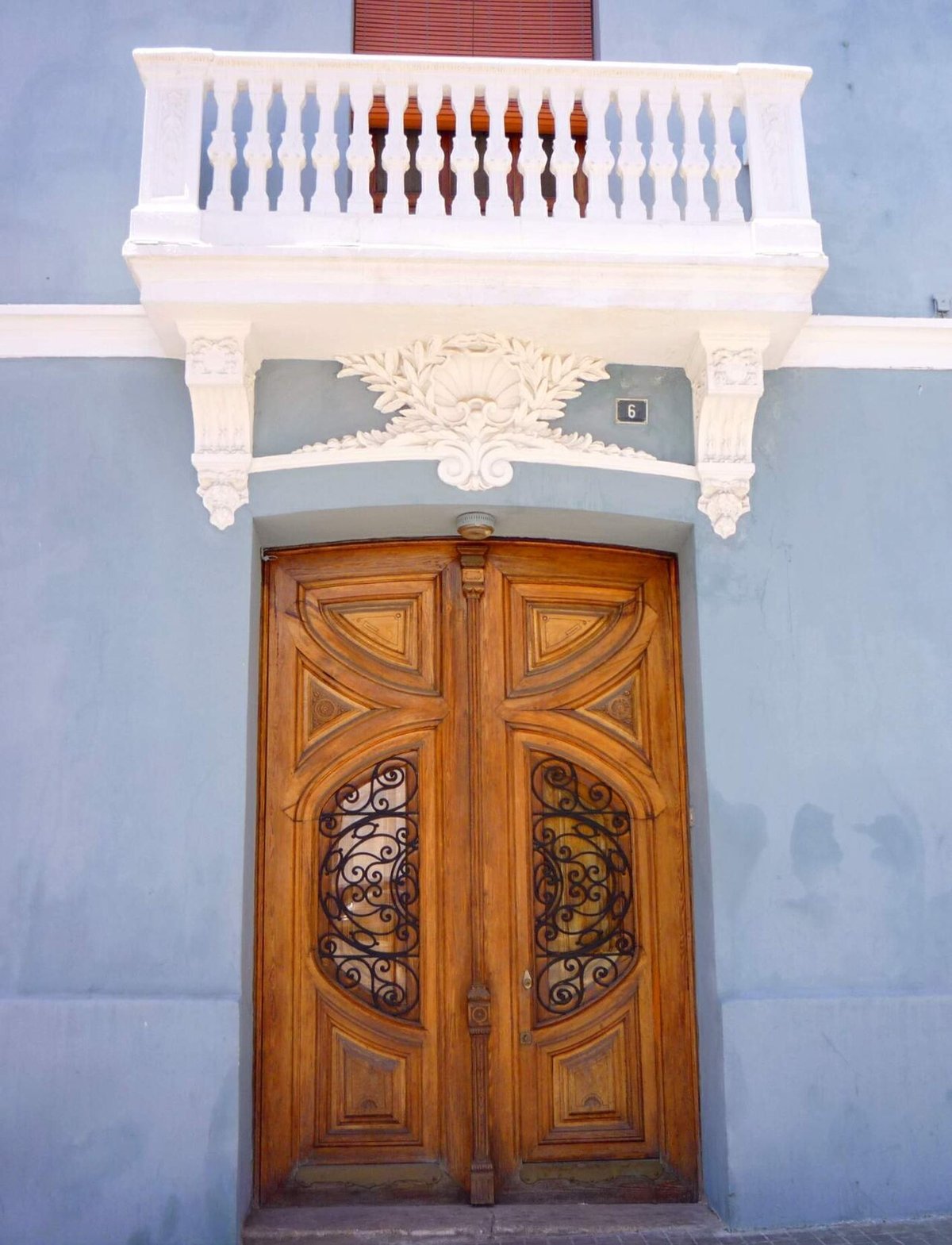
Walk through parts of the old quarter and that past is still readable in the architecture. Wide gateways once allowed carts loaded with firewood to enter. Inner courtyards housed kilns. Walls stained a deep orange hint at decades of heat and smoke. Many of those kilns are no longer in use. Some survive behind railings or partially concealed among renovated homes, quiet reminders of a time when fire and clay sustained the local economy.
The Museu de la Ceràmica stands in the centre of town and rewards an unhurried visit. It is not large, yet pausing in front of a single piece of metal lustre is enough to grasp why Manises became known for its ceramics. The play of light across the surface makes the technique instantly recognisable. At times, someone from the town might begin to share stories of former workshops or explain how, when trenches are dug in certain streets, fragments of plates and tiles still surface from the soil. Clay, once shaped and fired, never quite disappears.
Water and Stone on the Edge of Town
On the outskirts rise the arches of the old aqueduct known as Els Arcs. For centuries, this hydraulic structure carried water towards the farmland near the Turia River. The stone is worn, smoothed in places by time and weather. It is not an imposing monument and there are no elaborate interpretation panels, yet standing close to it reveals its practical intelligence: the barely perceptible gradient, the channels, the patient understanding of terrain that made the system work.
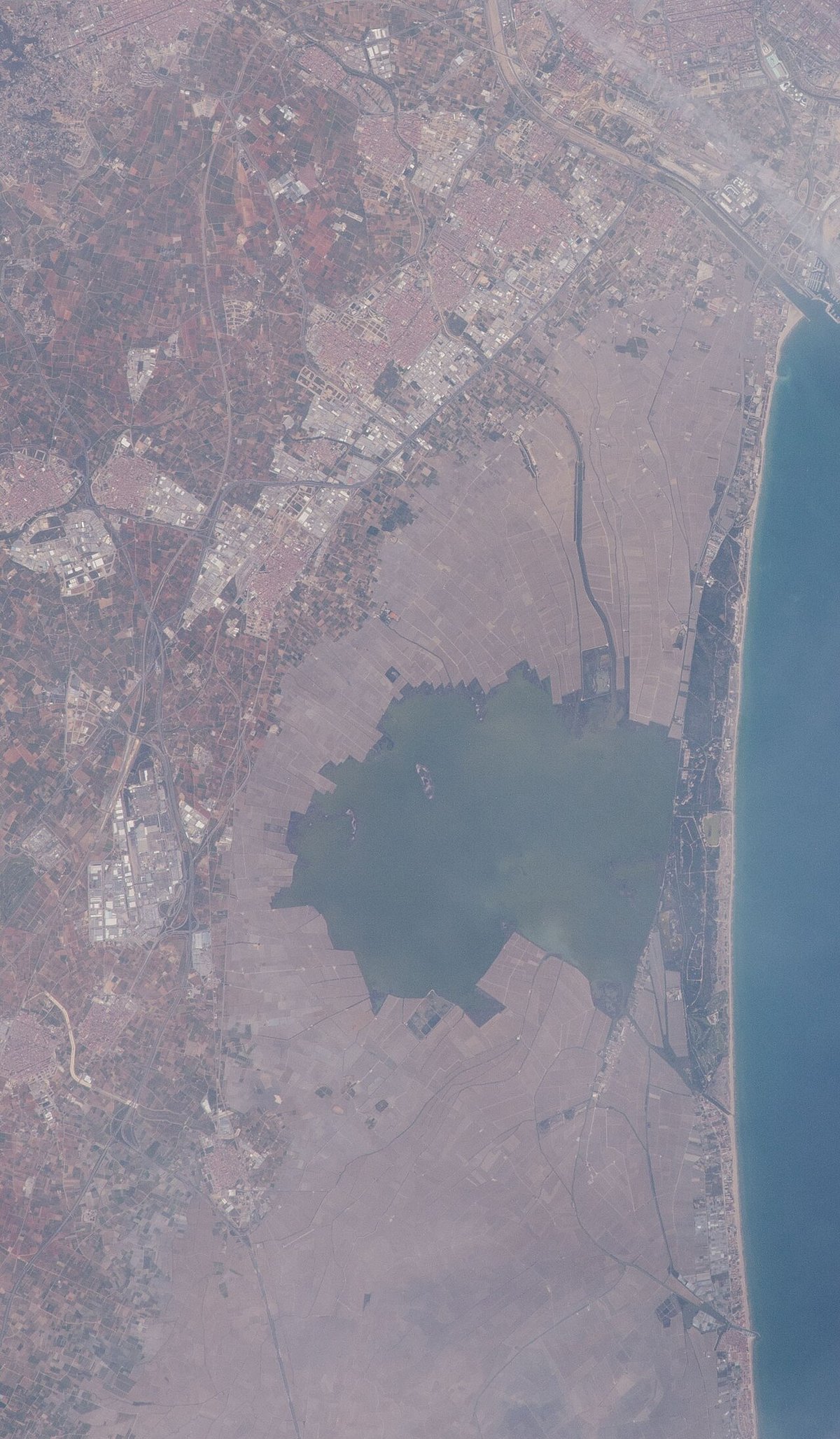
From this area, dirt paths lead out between cultivated plots that still survive alongside industrial estates and roads. Irrigation channels thread through the land. Small pools collect water. Parcels of crops continue a tradition that has long defined the landscape around Valencia. In autumn, the air often carries the scent of freshly turned soil and citrus fruit. Closed shoes are advisable if irrigation has taken place recently, as the mud clings stubbornly to soles and follows for some distance.
The presence of water infrastructure here is not decorative. It speaks of the close relationship between settlement and farmland, between the town and the Turia’s wider network of irrigation that has shaped l’Horta for generations.
Local Fallas and Clay on Your Hands
In Manises, the Fallas are experienced above all at neighbourhood level. Fallas are the region’s famous festival involving the creation and burning of large sculptural monuments, but here the focus feels local. Casales, the social centres of each fallas group, are spread across different districts. During the celebrations, the atmosphere shifts to outdoor dinners, firecrackers and long conversations in the street. Rather than a show designed primarily for visitors, it comes across as a festival built by and for neighbours who have spent months preparing their falla.
Another date closely tied to the town is the ceramic festival, usually held in summer. During these days, some workshops open their doors and allow a glimpse of how a wheel operates or how a kiln was loaded. The smell of fired clay lingers on clothes and hands. At times, demonstrations take place in the street and anyone can have a go. The plate that emerges is almost always slightly misshapen, yet the sensation of clay spinning beneath the fingers leaves a lasting impression.
These events underline that ceramics in Manises are not confined to museum displays. They remain part of lived experience, passed on through practice as much as through objects.
Arriving and Finding the Right Moment
Manises is quickly reached from Valencia by metro. If travelling by car, it is generally easiest to leave it in one of the larger parking areas on the edges of the centre and continue on foot. The urban area is compact and many streets are best explored at walking pace.
High summer can be intense, especially around midday when the sun reflects off the asphalt and the air seems to hang motionless between buildings. Spring and autumn are gentler seasons to visit. The light softens and orange groves are still visible in the surrounding fields.
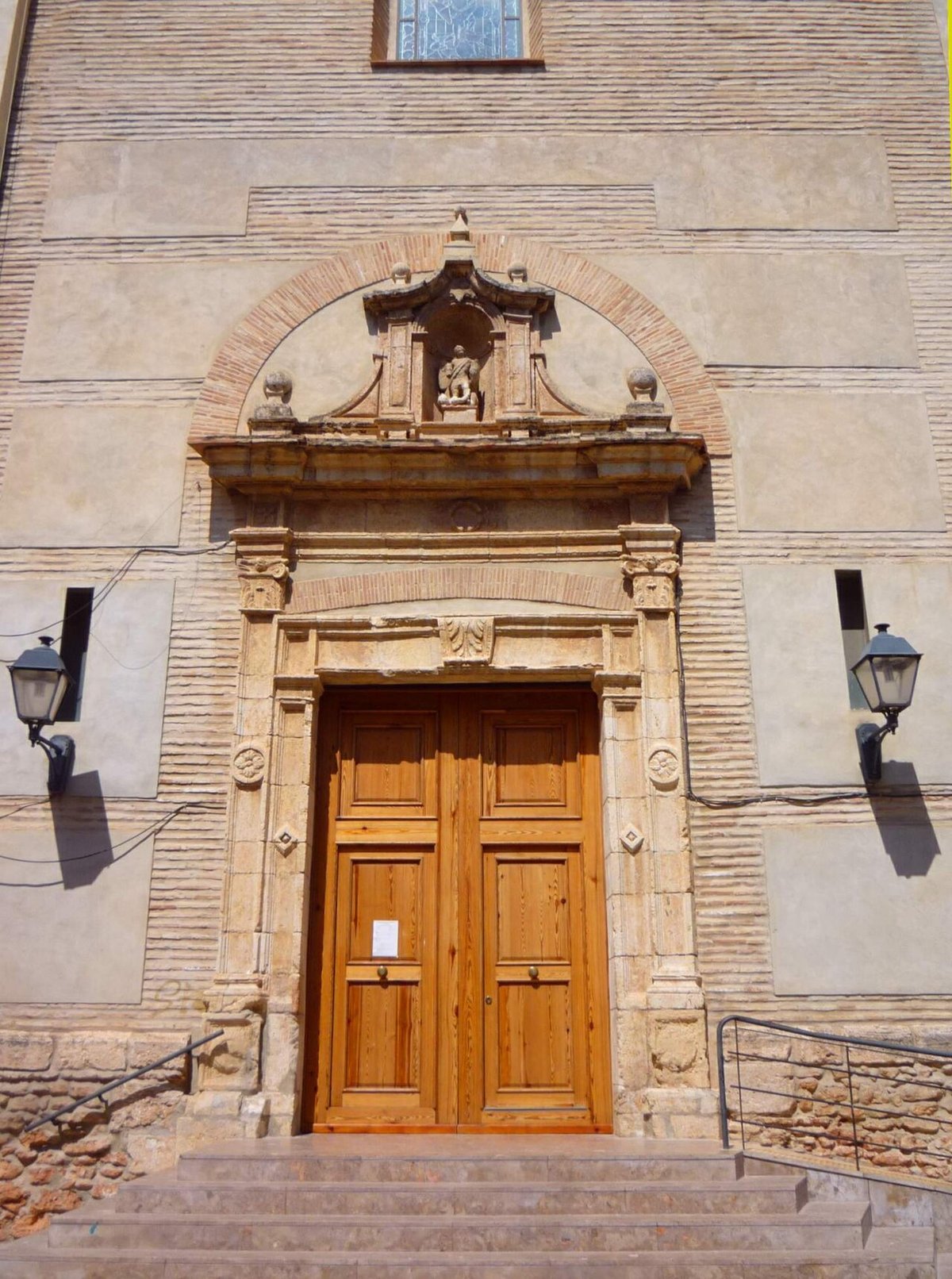
Early risers may notice a particular moment in the square in front of the church before the day gathers speed. First come the sounds of shop shutters lifting, then a delivery van passing through. Above it all, the distant roar of a plane descending towards the airport. In Manises, that sound is part of the landscape, as familiar as the clay that continues to turn on a handful of wheels.
Between low-flying aircraft and centuries-old kilns, Manises holds together two elements that might seem at odds: sky and earth. The result is a town where industry, agriculture and craft sit side by side, and where a simple walk can move from stained workshop walls to open fields in a matter of minutes.