Full Article
about Massanassa
Municipality bordering Albufera with a commercial area and traditional old town.
Hide article Read full article
The Huerta as a Map
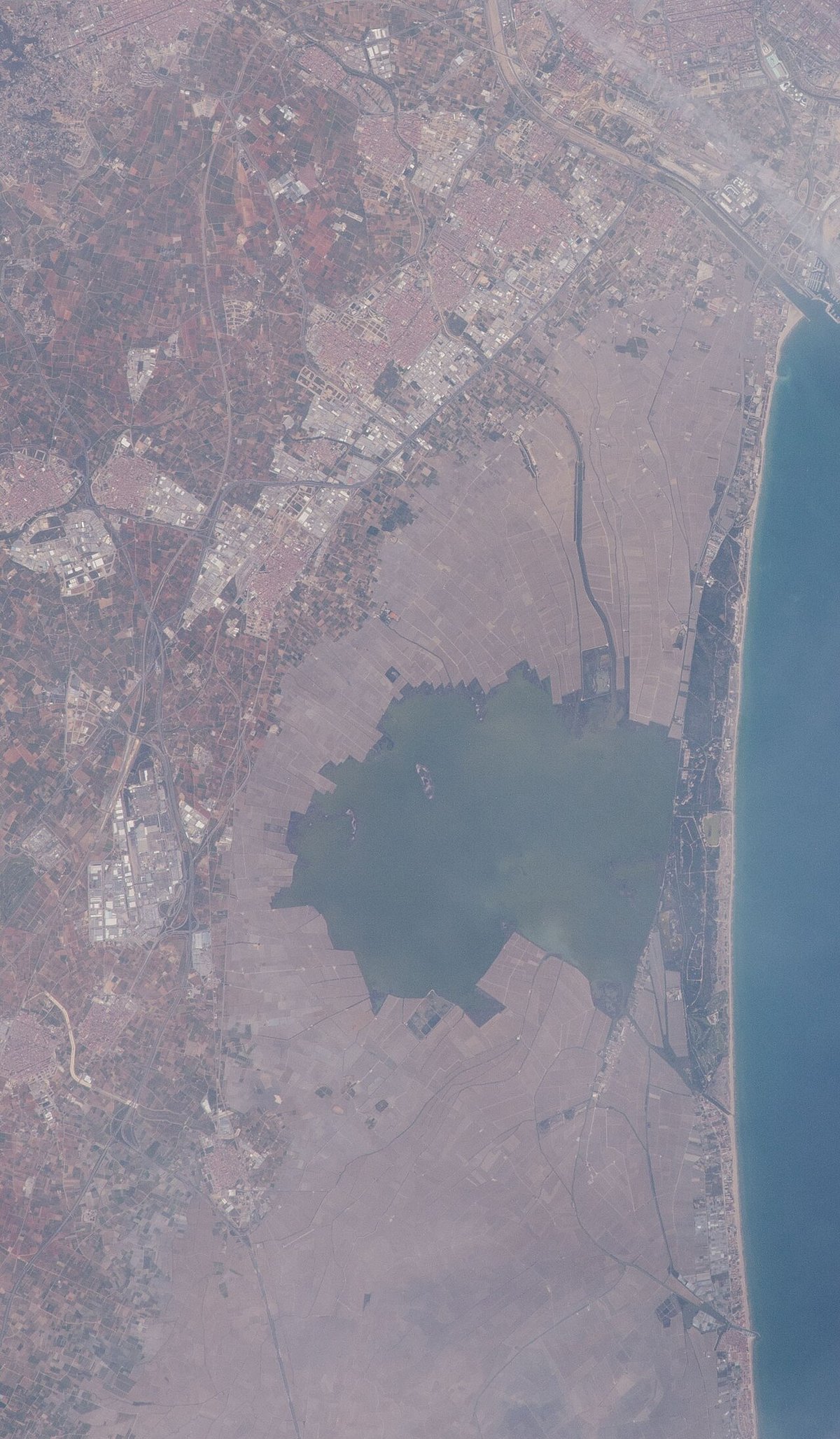
To read Massanassa, start with its water. The town sits in l’Horta Sud, a few kilometres south of Valencia, within the ancient irrigation system that channels the Turia river towards the sea. The medieval acequia de Faitanar still runs through its territory, dividing the land into narrow, fertile plots. This is not just scenery; it is the reason the town exists. The urban grid of Massanassa, home to just over ten thousand people, follows the logic of these canals and the agricultural tracks between them.
A Town Between Lordships
The historical tension in Massanassa was one of ownership. After the Christian conquest, the land was split between two feudal lordships, those of the Boïl family and the Rabaça de Perellós. This division influenced the town’s growth for centuries, creating a centre that consolidated slowly around the main road and its church.
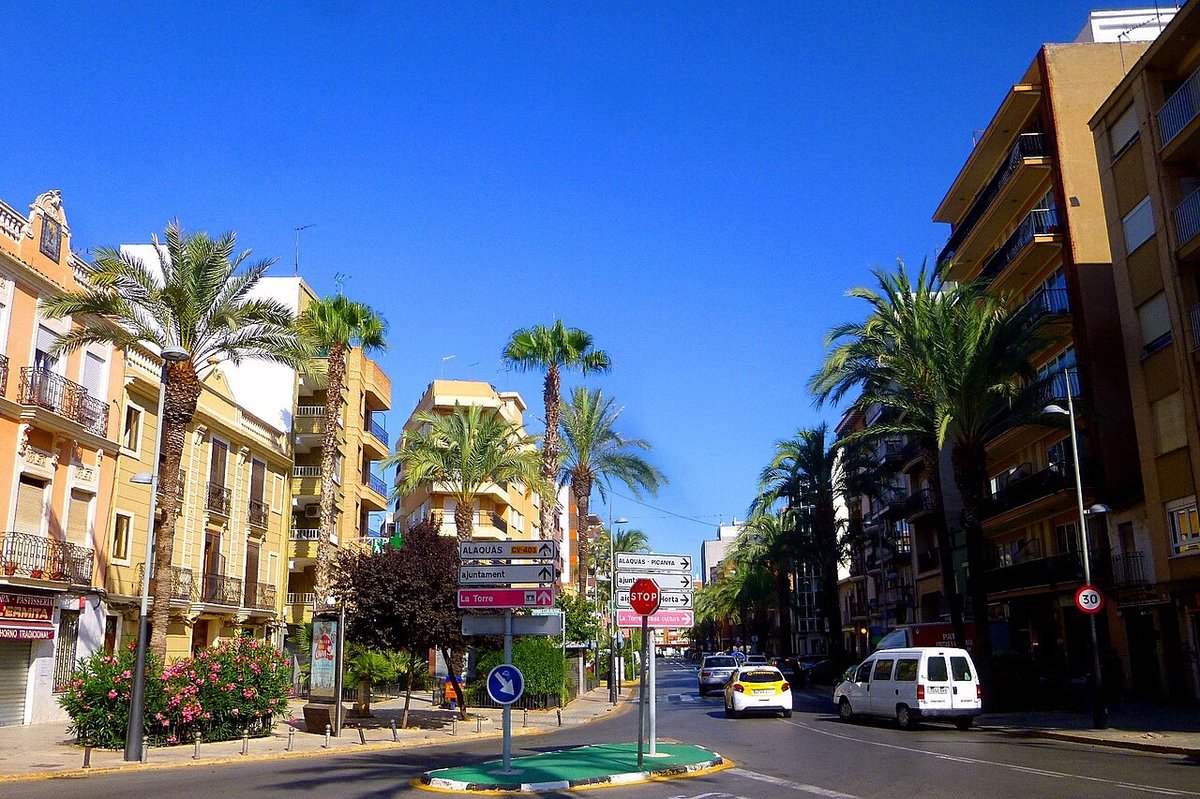
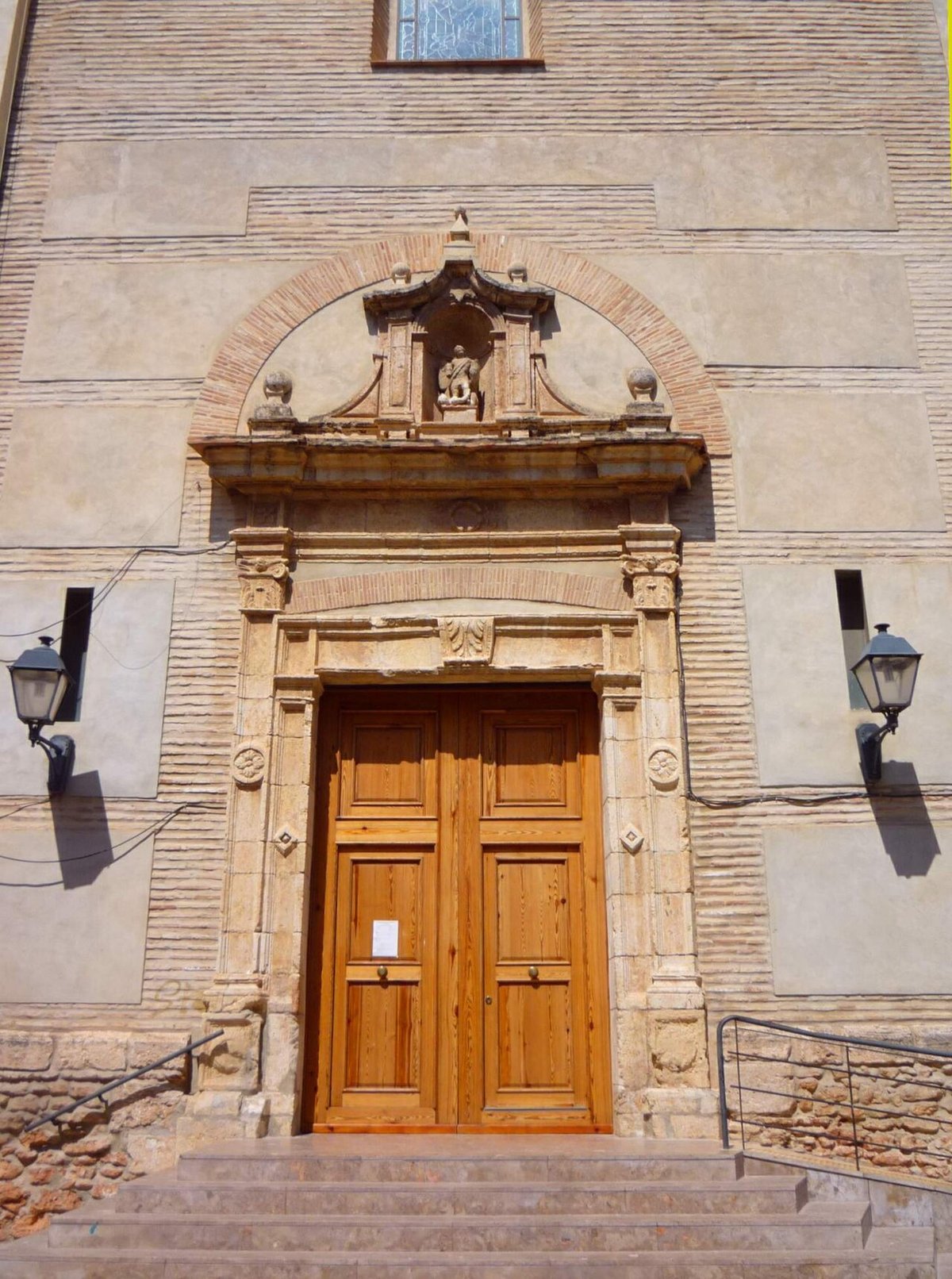
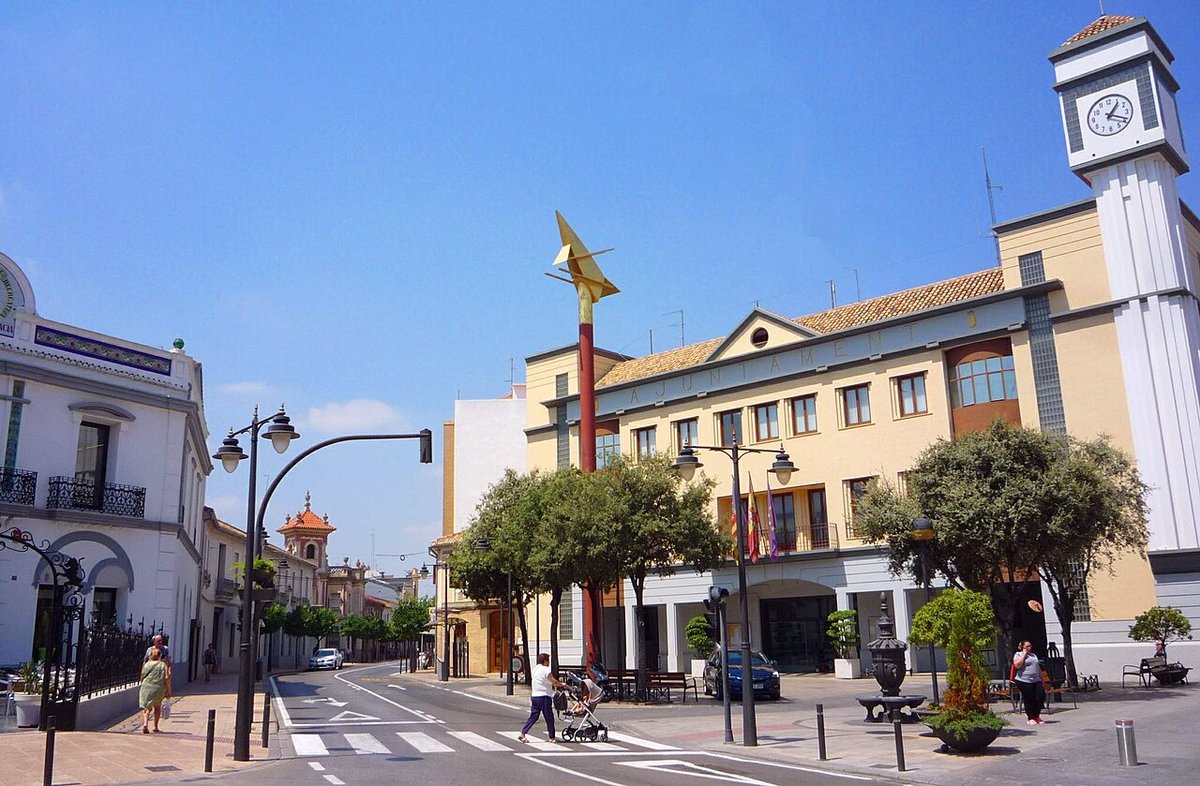
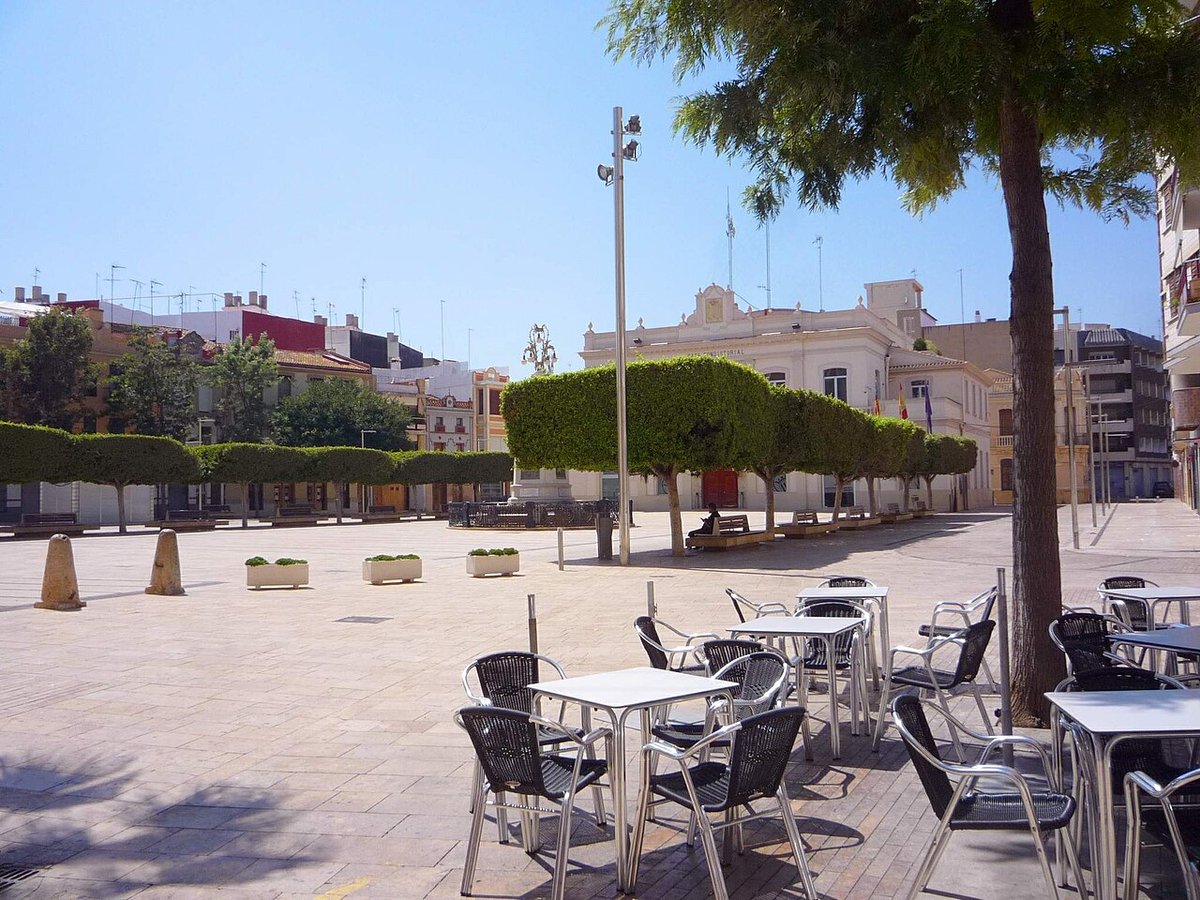
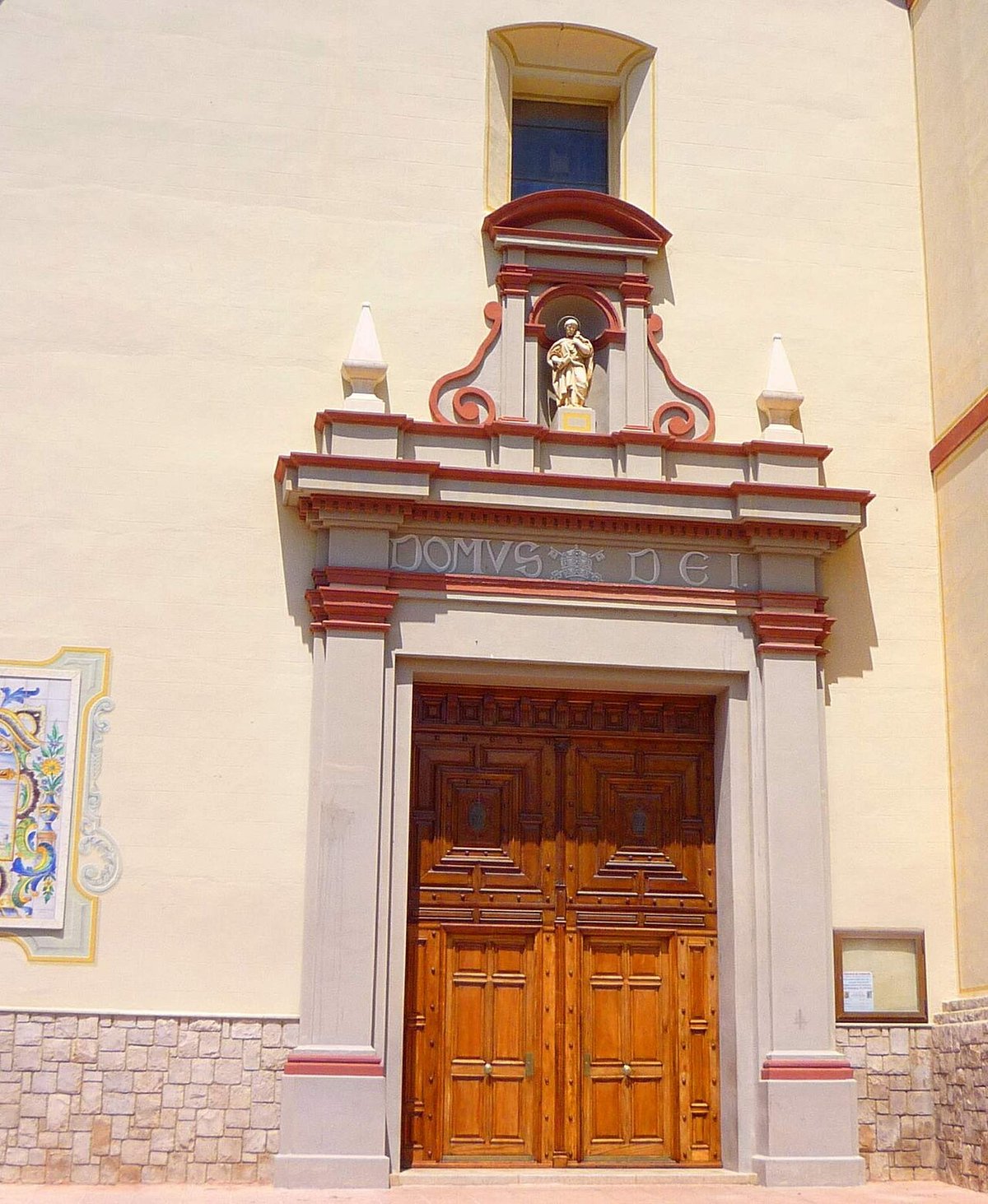
The church of Sant Pere Apòstol stands on the site of a former mosque, a common practice in the reconquered huerta. The building you see now is the result of successive modifications, primarily from the 17th and 18th centuries. Its bell tower, added later, is the town’s vertical marker, visible from the fields. The surrounding plaza and short streets are lined with two-storey houses, some with façades that speak of the agricultural prosperity this area saw when Valencia’s huerta was at its peak.
Walking the Water Lines
The most direct way to understand Massanassa is to leave its centre and follow an acequia. The terrain is entirely flat, so a walk or a bicycle ride is less about vistas and more about observation. The acequia de Faitanar is a working piece of infrastructure. Along its course you can see the partidors where water is divided, the sluice gates that control its flow, and the small, masonry huts that once sheltered the sequier who managed it.
If you continue south, the landscape shifts. The vegetable gardens and citrus groves gradually give way to the expansive rectangles of rice fields, marking the transition towards l’Albufera. This route makes the region’s dependency on water physically clear.
Calendar and Kitchen
The annual rhythm here is Valencian. Fallas in March involve the construction and subsequent burning of monuments in the streets. The summer brings patron saint festivals, and the night of San Juan is marked by bonfires and the participation of local groups like the town’s longstanding band.
The local cooking is a product of the land it comes from. Rice is the staple, with paella prepared using rabbit and garrofón beans from the huerta. In winter, spoon dishes based on cardoon, beans or turnip reflect a practical, seasonal cuisine. While horchata and fartons are enjoyed here, their production is more typical of towns further north; in Massanassa, they are a refreshment, not a tradition.
A Practical Note
Massanassa is connected to Valencia by road and by metro; the station is a short walk from the town centre. Spring and autumn are the most comfortable seasons for exploring the huerta on foot. Summer brings intense heat and humidity from the nearby lagoon.
This isn’t a town of monumental sights. A visit here is about tracing the relationship between water, land, and a way of life that continues to be shaped by both. It can be seen in a few hours, best as part of a wider exploration of l’Horta Sud.