Full Article
about Mislata
Spain’s most densely populated municipality, right next to Valencia and with a life of its own.
Ocultar artículo Leer artículo completo
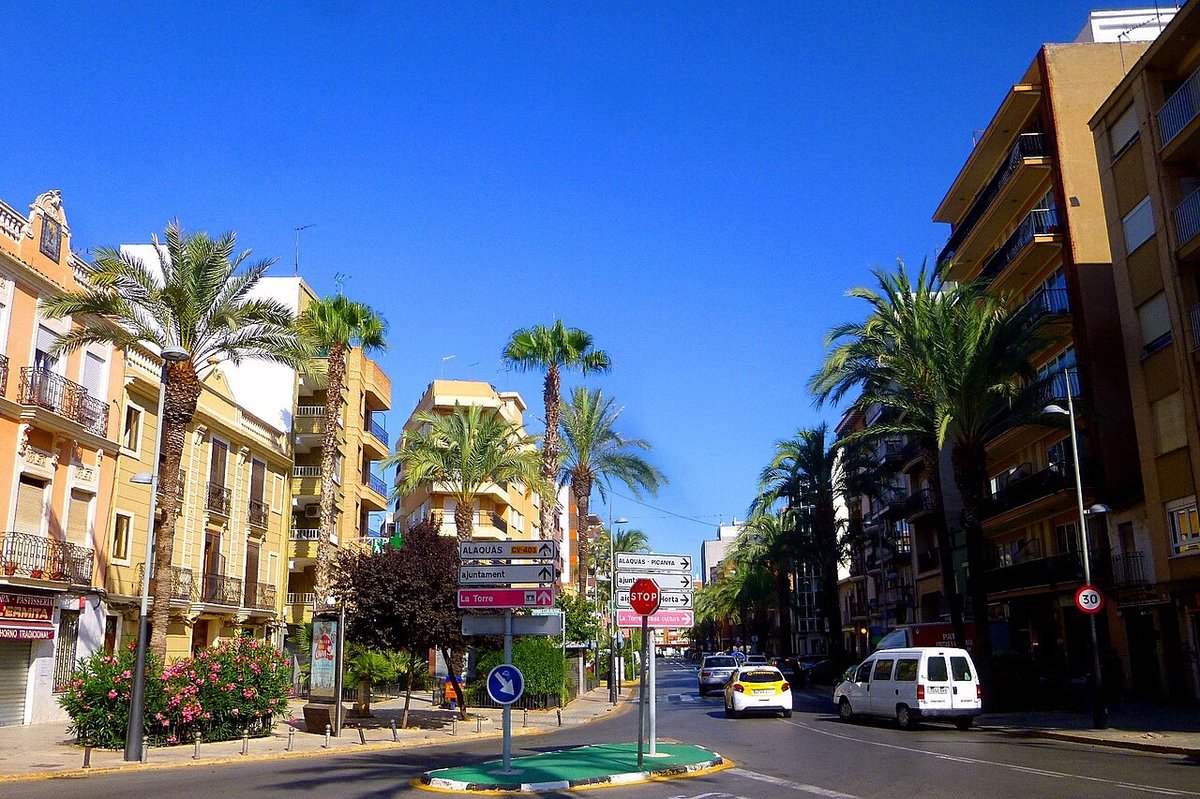
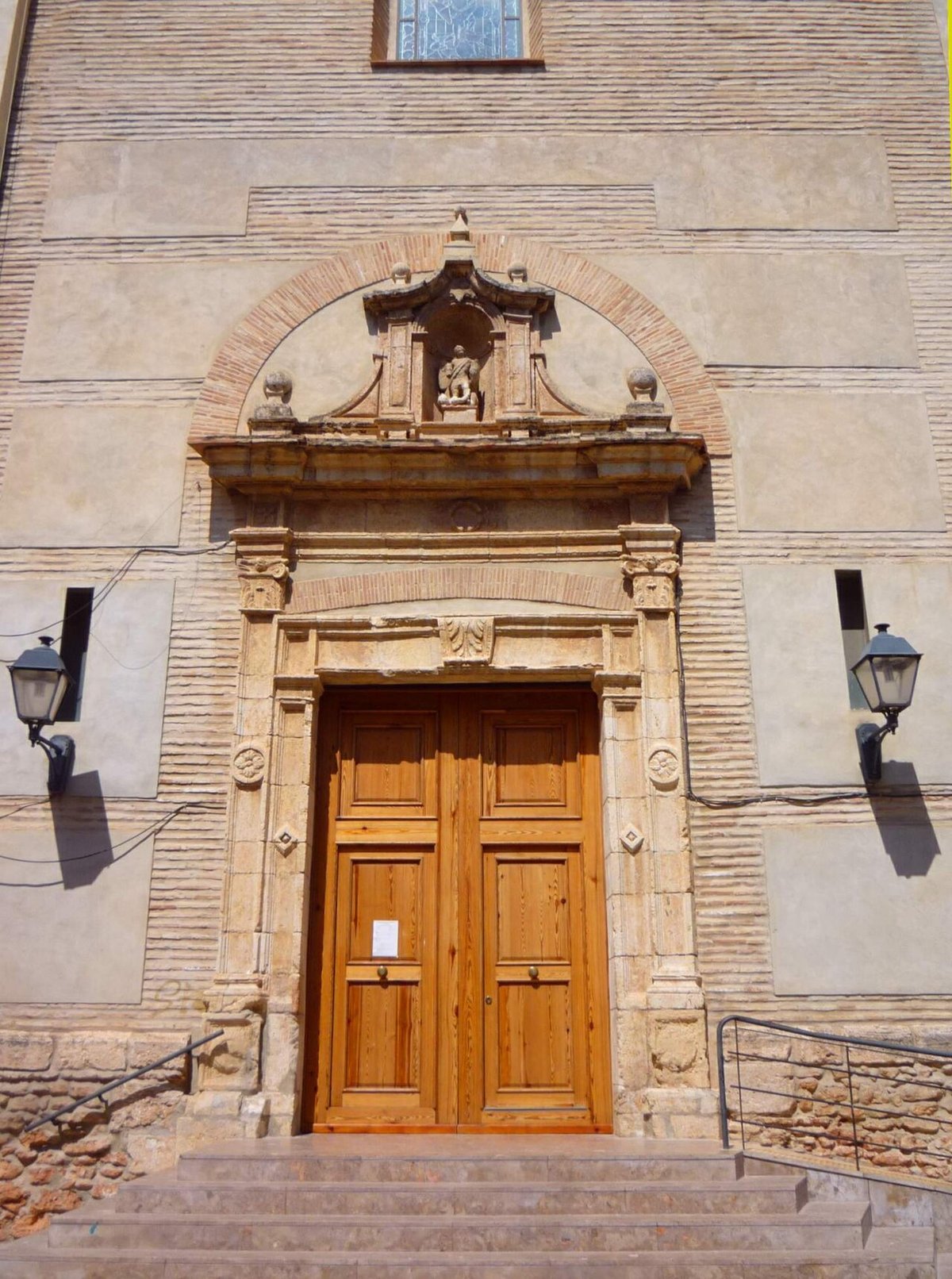
The 18th-century bell tower of Nuestra Señora de los Ángeles rises above a landscape of apartment blocks and corner cafés, its weathered stone standing sentinel over what might be Spain's most misunderstood municipality. Mislata isn't quite city, isn't quite village – it's something far more interesting entirely.
The Urban Village That Valencia Swallowed
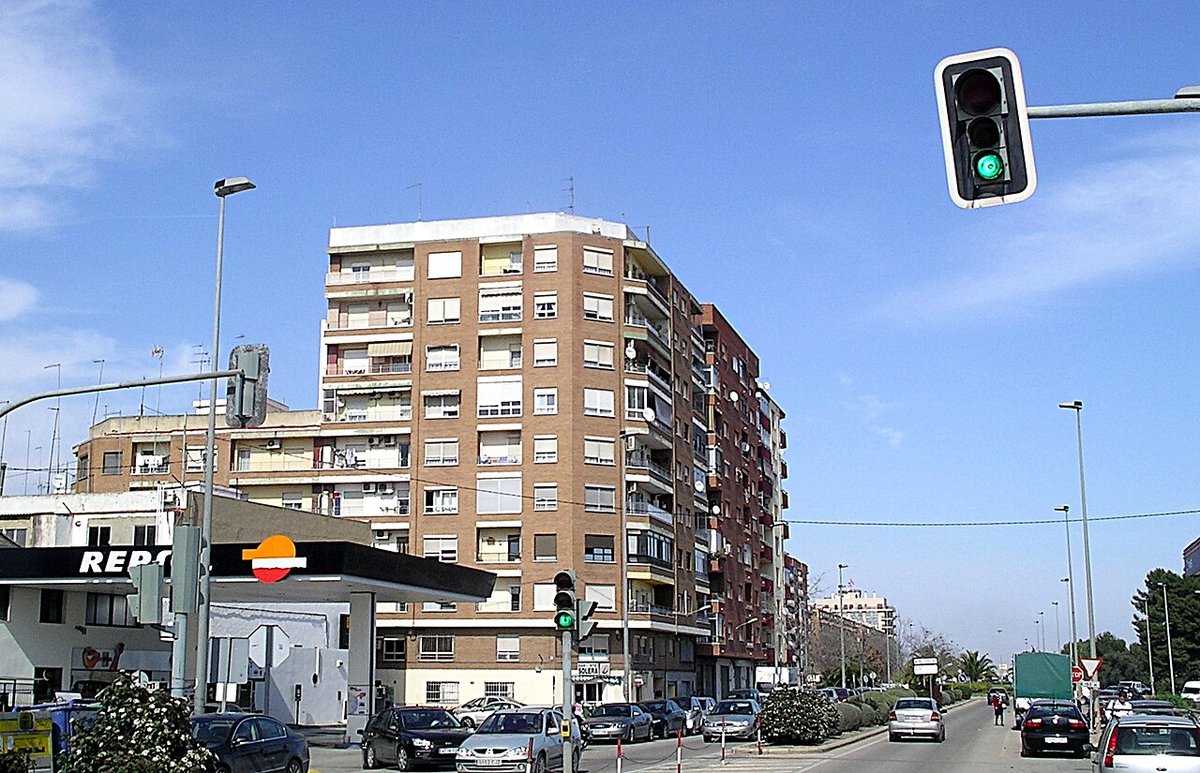
At just 29 metres above sea level and barely two square kilometres in size, Mislata packs 44,700 residents into a space so compact that walking from one end to the other takes less time than queuing for coffee in central London. This density creates an intensity of local life that proper cities often lose – everyone knows the baker, the butcher, and crucially, where to find parking after 6 pm (answer: you don't).
The relationship with Valencia proper is complicated. Technically independent, Mislata functions as the capital's overspill – a place where Valencians move when city centre rents bite, bringing their traditions with them. The result is suburban Spain without the blandness: proper neighbourhood bars serving proper neighbourhood prices, where a coffee still costs €1.20 and the morning rush involves more abuelas than influencers.
Between the Huerta and the Housing Estate
Morning in Mislata starts early, especially at the Mercado Municipal where traders arrange oranges from nearby groves and debate the price of artichokes with customers who've been buying from the same families for decades. This isn't a market for tourists – there's no organic quinoa or artisanal sourdough. Instead, find proper Valencian produce: tomatoes that actually taste of something, properly cured olives, and butchers who'll explain exactly how to cook that cut of meat you're eyeing suspiciously.
The market sits five minutes' walk from Parque de la Canaleta, Mislata's primary lung. It's not large – perhaps ten minutes to stroll around – but on summer evenings it fills with families escaping apartments that weren't designed for Mediterranean heat. Children chase footballs between palm trees while grandparents hold court on permanent benches, discussing the day's gossip with the intensity of constitutional scholars debating precedent.
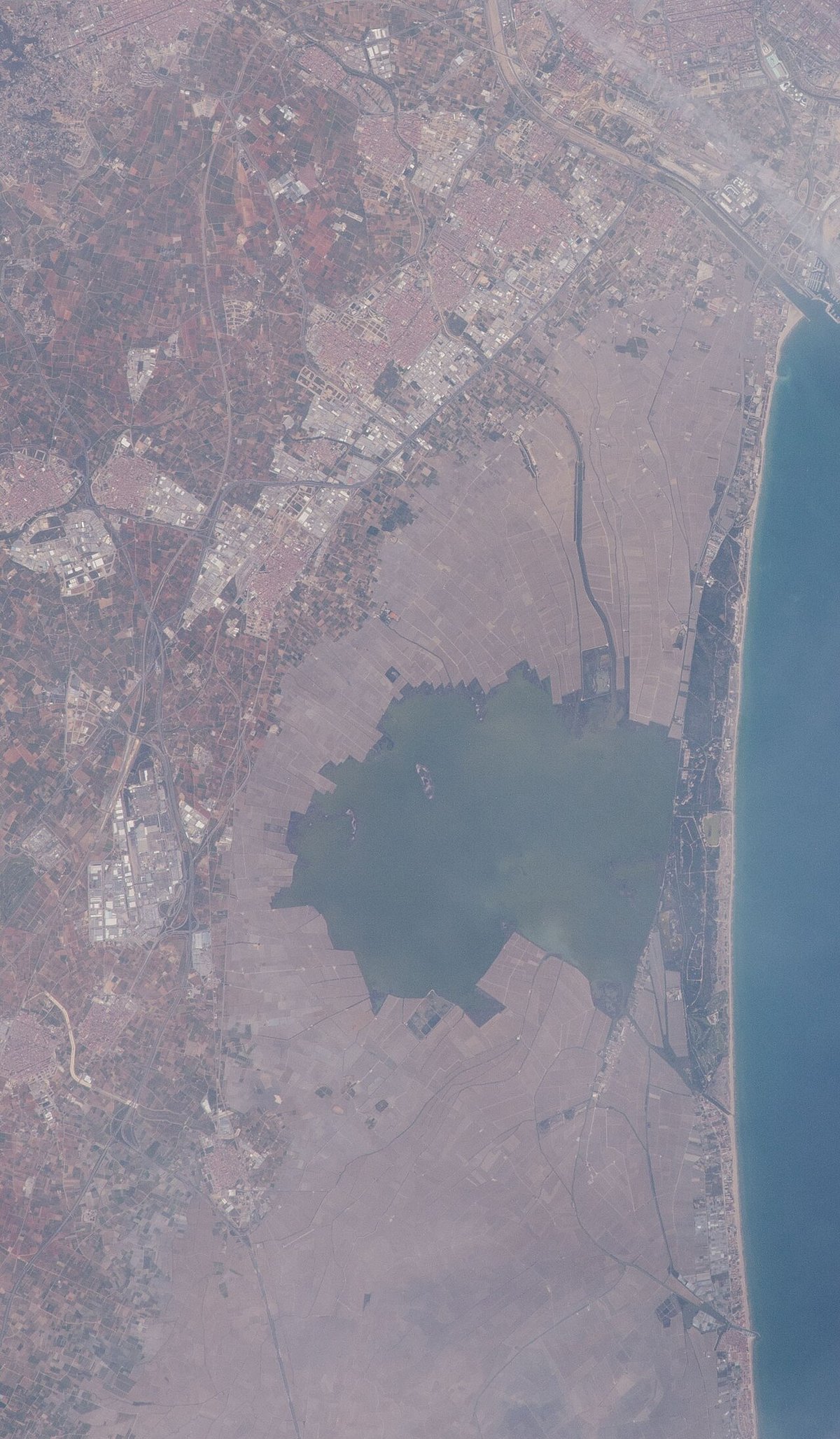
The park's paths connect to something unexpected: proper agricultural tracks leading into l'Horta Sud, Valencia's historic market garden. Within ten minutes, suburbia dissolves into irrigation channels and orange groves, the city's roar replaced by birdsong and the occasional tractor. These paths aren't signposted – locals assume you know where you're going – but follow anyone carrying shopping bags and you'll find routes that have connected villages for centuries.
Saints, Firecrackers and Suburban Fiesta
August's Fiestas Patronales transform Mislata completely. The first week brings street parties that would give British health and safety officers nightmares: paella competitions stretching down entire streets, brass bands marching at 3 am, and firecrackers exploding with enough enthusiasm to wake the dead. This isn't tourism – it's neighbours letting off steam after months of commuting to Valencia's offices and factories.
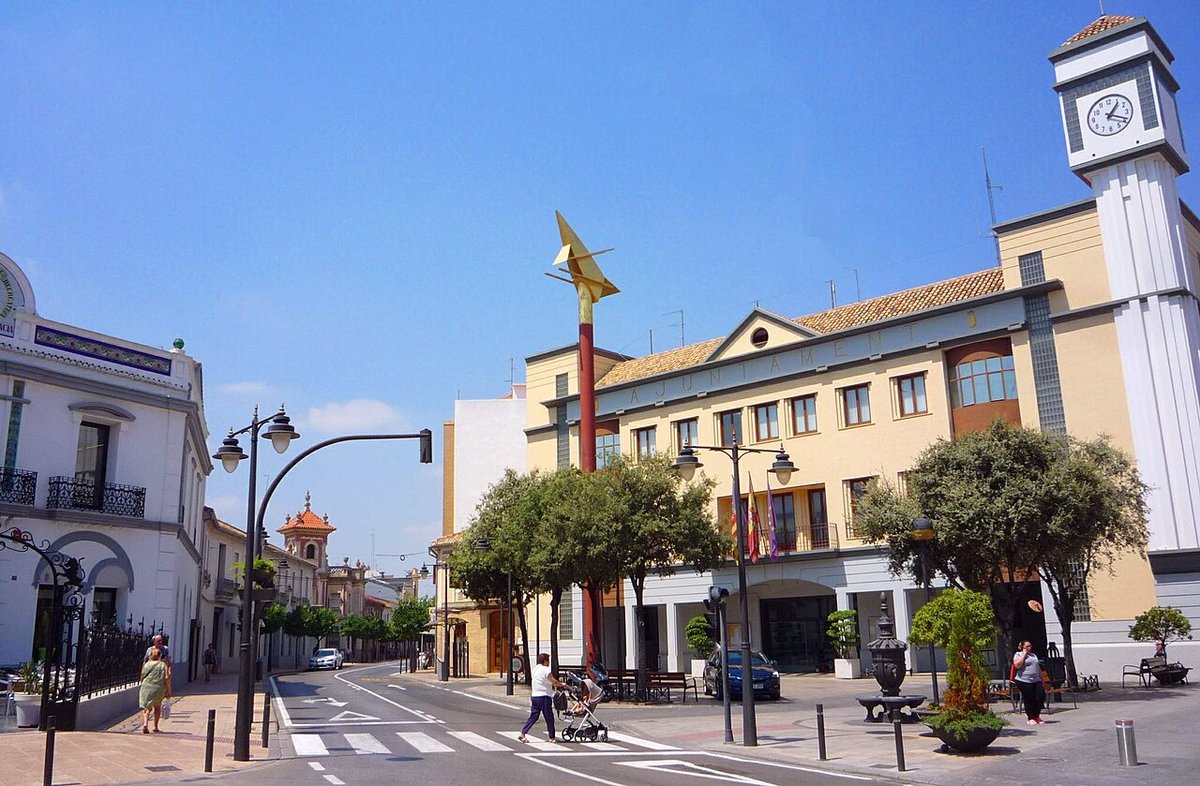
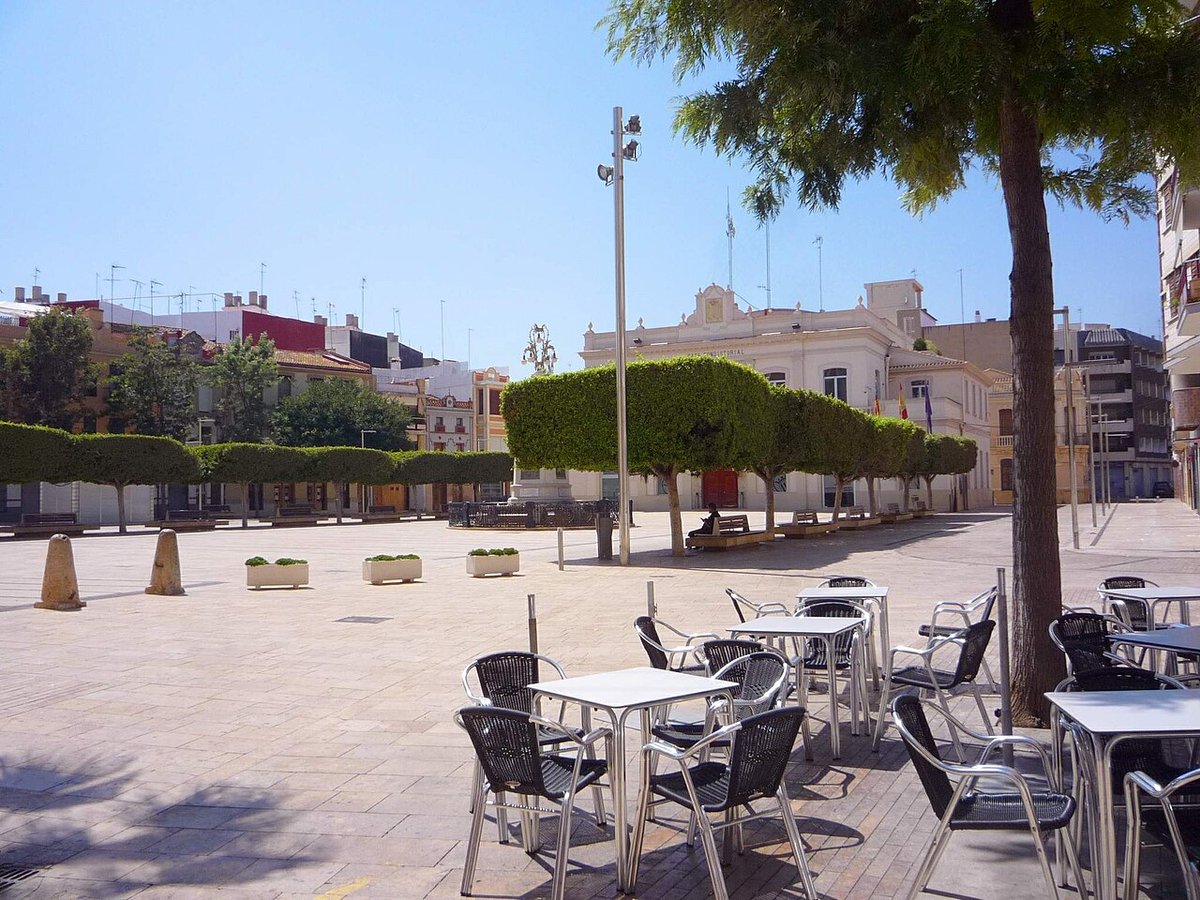
The fiesta's centre is Plaza del Ayuntamiento, where the early 20th-century town hall faces the 18th-century church across a square that manages to feel intimate despite the surrounding traffic. During festivals, temporary bars appear serving horxata and cold beer to plastic tables that fill by late afternoon. The demographic is revealing: teenagers mixing with pensioners, recent immigrants chatting with families whose Mislata roots stretch back generations.
March brings Fallas, Valencia's explosive spring festival, and Mislata participates with particular enthusiasm. Neighbourhood associations spend months building satirical sculptures – ninots – that tower above the narrow streets. The final night's crema, when these elaborate constructions burn in spectacular conflagrations, brings the entire population into streets that suddenly feel medieval. British visitors often find the casual approach to pyrotechnics alarming; locals treat it as civic duty.
The Practical Reality Check
Getting here requires planning. The metro connects Mislata to Valencia's centre in fifteen minutes, but the station sits at the municipality's edge – a ten-minute walk from the heart. Buses are more frequent but traffic-clogged, especially during morning rush when commuters queue at stops with the resigned patience of the daily damned. Driving seems logical until you discover that Mislata's streets were designed for 1950s traffic volumes, not modern SUVs.
Parking becomes philosophical after 7 pm. The multi-storey by the town hall fills early, street spaces disappear faster, and newly arrived drivers circle like vultures until surrendering to paid parking or settling for somewhere technically illegal but tolerated. The Spanish solution – double-parking with hazards on – works because everyone knows everyone else and can track down offenders. Visitors lack this social network.
Summer heat hits differently here. Valencia's coastal breeze doesn't penetrate this far inland, and temperatures regularly exceed 35°C by noon. The sensible schedule involves early starts, substantial lunch breaks, and evening activity resuming around 6 pm. British habits – midday summer walks, outdoor lunches, ambitious sightseeing schedules – prove actively dangerous. Hydration isn't Instagram-worthy here; it's survival.
Eating Like You Live Here
Food follows neighbourhood logic rather than tourist expectations. The daily menú del día – three courses with wine and coffee for €12-15 – appears everywhere, but quality varies dramatically. The best options fill with construction workers and office staff at 2 pm sharp; empty restaurants at lunchtimes should trigger alarm bells.
Rice dishes dominate, but not the paella tourists expect. Find arroz al horno baked with beans and morcilla, or soupy arroz caldoso served in individual bowls. Portions assume you've been working physical jobs, not sitting at laptops. Ordering individual plates defeats the purpose – these places cook for communities, not couples.
Breakfast means tostada con tomate and coffee at counters where conversation flows between strangers. The concept of breakfast lasting twenty minutes seems wasteful; here, it's a transition between home and work that deserves proper attention. Attempting to rush this ritual marks you immediately as foreign.
The Honest Verdict
Mislata offers something increasingly rare: authentic suburban Spanish life without tourist gloss or marketing spin. It's neither beautiful nor ugly, simply functional – a place where people live rather than visit. The attractions won't fill postcards: a decent church, a pleasant park, some decent bars. The experience lies in observing how modern Spain actually works when nobody's watching.
Come here for half a day, perhaps combining with Valencia's centre or the beach at El Saler. Stay longer and you'll either fall into the rhythm – morning market, afternoon siesta, evening paseo – or find yourself slightly bored. Mislata doesn't cater to visitors; it barely acknowledges them. Which, depending on your perspective, is either the whole point or precisely why you should go elsewhere.
The best time is spring or autumn, when temperatures allow proper exploration and the fiesta calendar provides local colour. Summer works if you adopt Spanish schedules; winter brings empty streets and closed bars that feel depressing rather than peaceful. Treat it as anthropology rather than tourism and you'll understand something essential about contemporary Spain. Expect monuments and you'll leave disappointed.