Full Article
about Paiporta
Metropolitan municipality crossed by the Chiva ravine with green areas
Hide article Read full article
At six in the evening, when the sun drops behind the apartment blocks and the air begins to move at last, two smells define Paiporta: sofrito and orange blossom. The first drifts out from interior courtyards and terraces, where many families still bring out the paellero when there is time to cook without rushing. The second arrives from the few fields that survive around the town’s edges. It is not a scene arranged for visitors. It is simply the hour when the town opens up and people come down to the street.
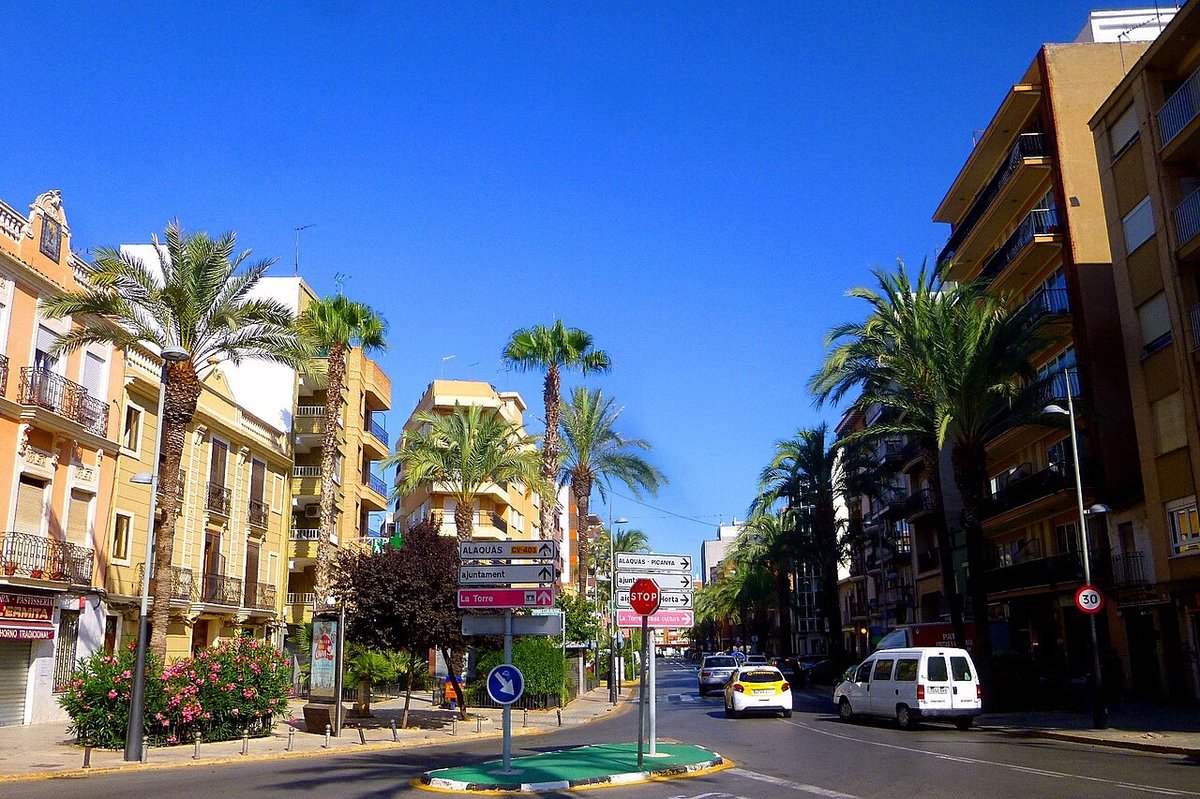
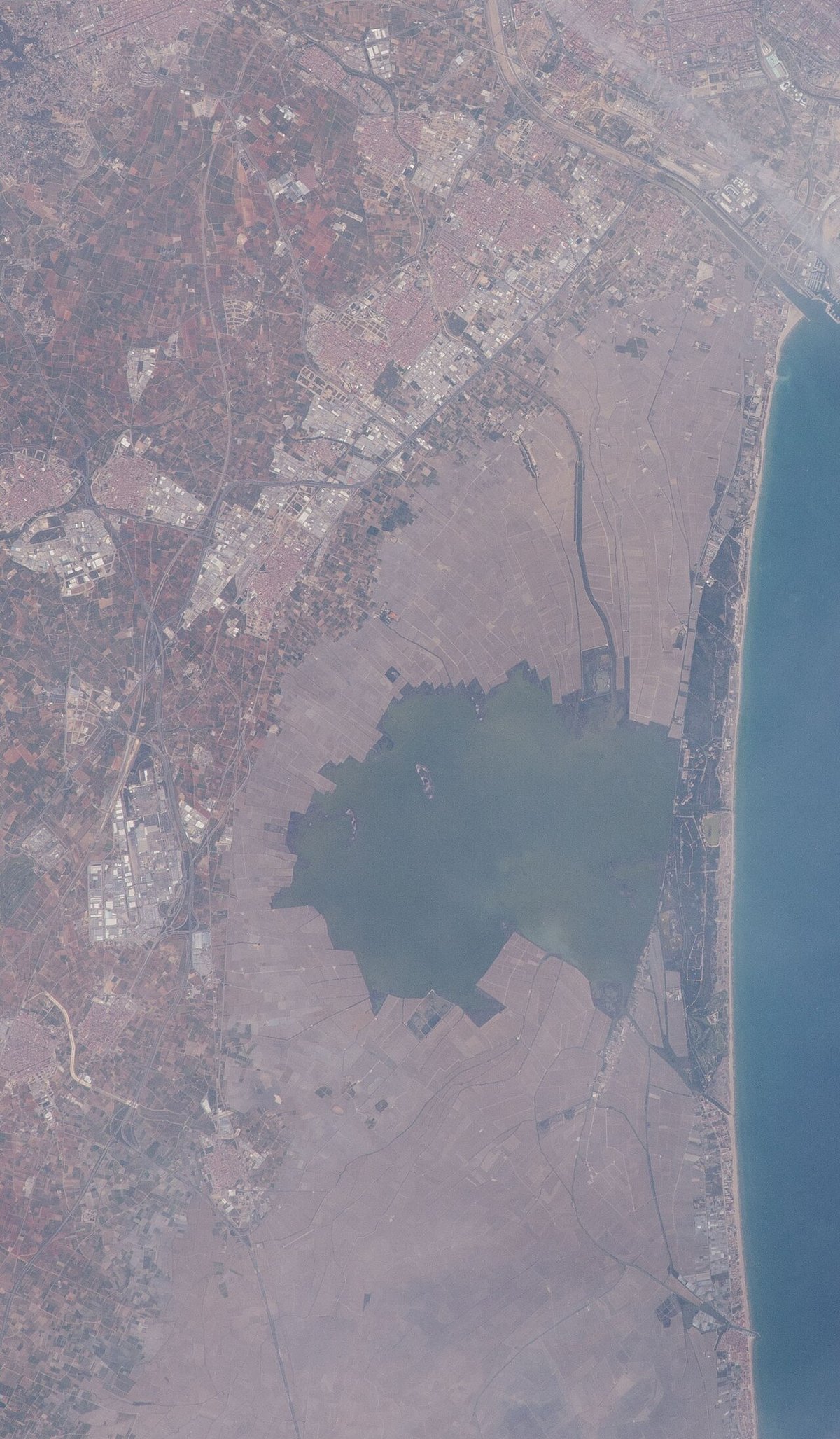
Paiporta sits a few kilometres south of València, close enough to feel the city’s pressure, yet still tied to the rhythms of the huerta, the irrigated market gardens that have shaped this part of the Comunidad Valenciana for centuries. The contrast between concrete and cultivation defines the place.
The Town That Was Huerta
To understand Paiporta, it helps to walk beyond the main avenues. Between brick apartment blocks and industrial units, strips of huerta still appear: narrow plots, straight irrigation channels known as acequias, and dirt tracks where bicycles pass and the occasional tractor rolls by.
The huerta of l’Horta Sud did not vanish overnight. It retreated gradually as València expanded southwards. Even so, at the edges of the municipal boundary there are still orange trees, winter artichokes and the occasional freshly watered field that smells of damp earth at dusk.
One of the natural boundaries here is the barranco del Poyo, which many locals continue to call the barranco de Chiva. For most of the year it looks harmless, a wide, dry riverbed cutting through the landscape. When heavy rain arrives, that impression changes quickly. This terrain has always lived with water, and the memory of sudden downpours remains close to the surface.
For those who enjoy walking, the agricultural tracks around the barranco offer a way to leave traffic noise behind within minutes. The shift is abrupt. Asphalt gives way to earth, and the horizon opens out. It is wise to avoid the hottest days. In summer there is little shade, and the ground reflects the light with intensity.
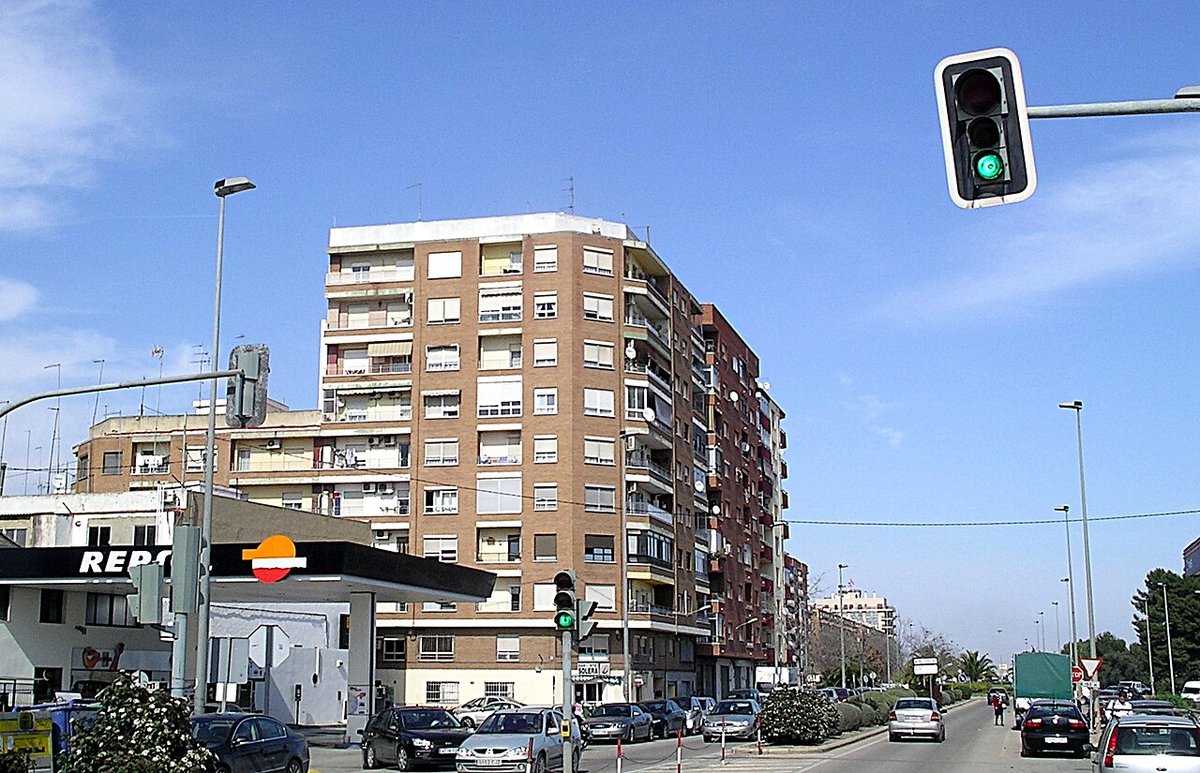
These edges of Paiporta reveal how recent much of its urban growth is. The town expanded significantly towards the end of the 20th century, and the marks of that expansion are visible in the grid of streets and residential blocks. Yet the geometry of irrigation channels and field boundaries still shapes the land beneath.
Iglesia de San Jorge and the Centre
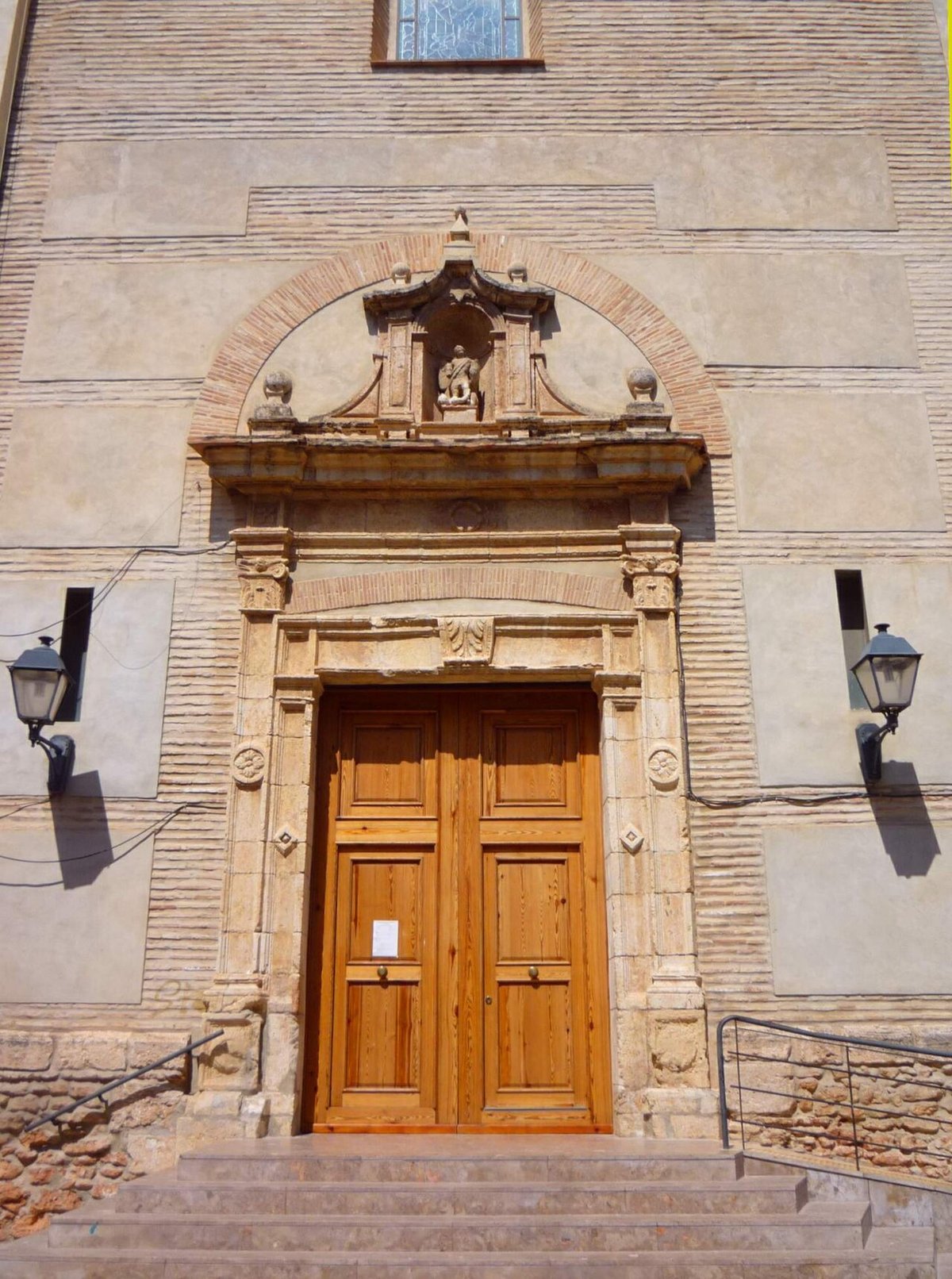
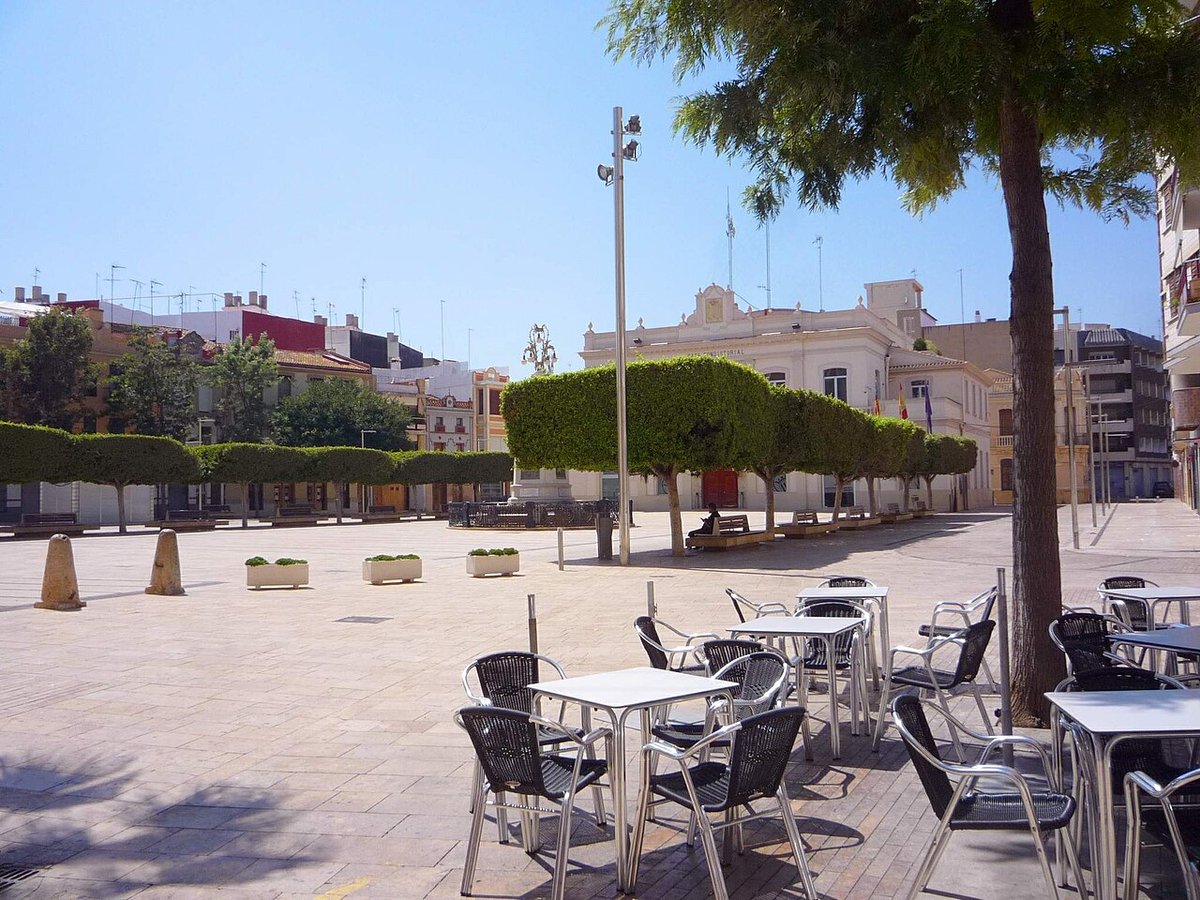
In the main square stands the iglesia de San Jorge, the building that most easily anchors a visitor. Its façade combines reforms from different periods, and the bell tower can be seen from many streets across the urban area. It is not a monumental cathedral but a parish church that has grown and changed with the town around it.
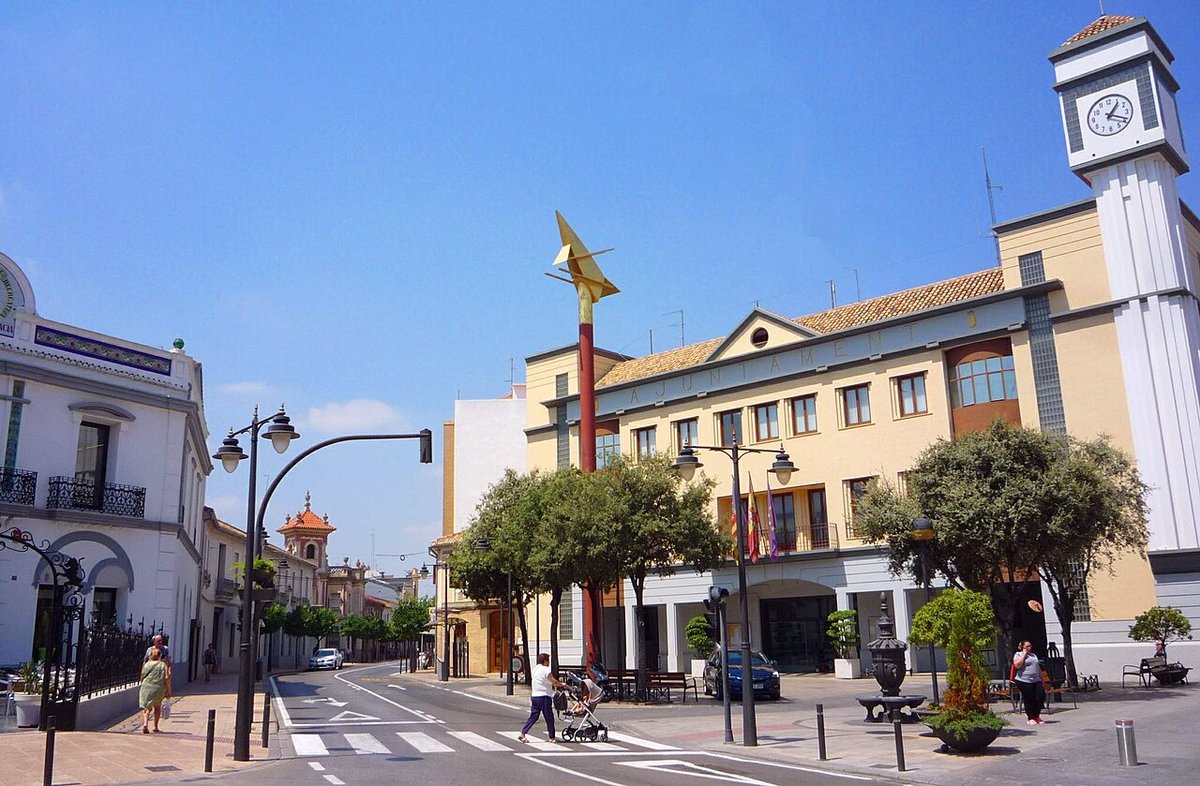
At certain times of day, the square functions as Paiporta’s living room. Older residents sit on benches, children cross it on bicycles, and the bells mark out the afternoon. Towards the end of the day, when the light drops between the surrounding buildings, the stone of the façade takes on a warm tone that contrasts with the grey of the nearby blocks.
The streets around the square preserve stretches of the Paiporta that existed before the late 20th-century expansion. There are low houses, wide doorways and interior patios that can barely be glimpsed from the pavement. These fragments of an earlier town survive between newer constructions, offering a sense of scale that differs from the wider avenues.
Life here is outward-facing. As temperatures ease, chairs appear by front doors and conversations stretch on. The town’s proximity to València has not erased these habits. It has simply layered them with commuter routines and urban density.
Water, Mills and Memory
Before the huerta shrank, water organised life across the municipality. Its traces remain. Acequias still run beneath paths, small azudes or diversion dams break the flow in places, and there are former hydraulic mills of which only stone walls or parts of the structure survive.
These remnants are not always signposted or restored. They tend to reveal themselves to those who walk slowly through the agricultural areas. A gap in a wall, a change in vegetation, the sound of trickling water in spring: small clues that point to an older system of irrigation and labour.
Swallows often nest in the hollows of old masonry. In spring, when water runs again through certain stretches of the channels, its sound returns to the landscape. It is a reminder that the huerta is not only a visual presence but an acoustic one.
Even reduced, the irrigation network continues to shape the terrain. Straight lines of water dictate the layout of plots and paths. The relationship between town and field is therefore not simply historical. It remains physical, visible underfoot.
Close to València, At Its Own Pace
Paiporta is connected directly to València by metro, making it easy to reach without a car. From the city centre, the journey takes around twenty minutes. That short distance explains much of Paiporta’s recent transformation. The capital’s growth has pressed southwards, drawing new residents and reshaping what was once predominantly agricultural land.
The most pleasant months tend to be late winter and spring, when orange trees are heavy with blossom and the air carries the sweet scent so characteristic of the Valencian huerta. It is during this period that the contrast between built-up streets and cultivated edges feels most vivid.
Summer brings a different rhythm. Heat accumulates between asphalt and façades, and activity shifts into the evening. Dinners stretch out, conversations last longer, and the street regains its role as shared space once the sun drops.
Anyone planning to walk along the agricultural fringes should wear closed footwear. Some tracks remain unpaved, and after irrigation they can stay soft for hours. Conditions change with the watering cycles, a practical reminder that the fields still follow their own timetable.
Paiporta today stands between two forces: the steady approach of the city and the enduring cadence of the huerta. Apartment blocks rise where crops once grew, yet orange blossom still cuts through the smell of evening cooking. The barranco waits dry for most of the year, then asserts its presence when rain is heavy. In the main square, bells continue to mark the time.
It is in these overlaps that the town finds its character. Close to València, connected by metro and shaped by expansion, Paiporta nevertheless keeps a foothold in the agricultural landscape that defined it for generations. The pace may shift with the season, but the underlying rhythm remains tied to earth, water and the hour when people step outside and the air begins to move.