Full Article
about Picanya
Residential municipality with well-planned layout, ample green areas, and bike lanes.
Hide article Read full article
First Impressions on the Edge of Valencia
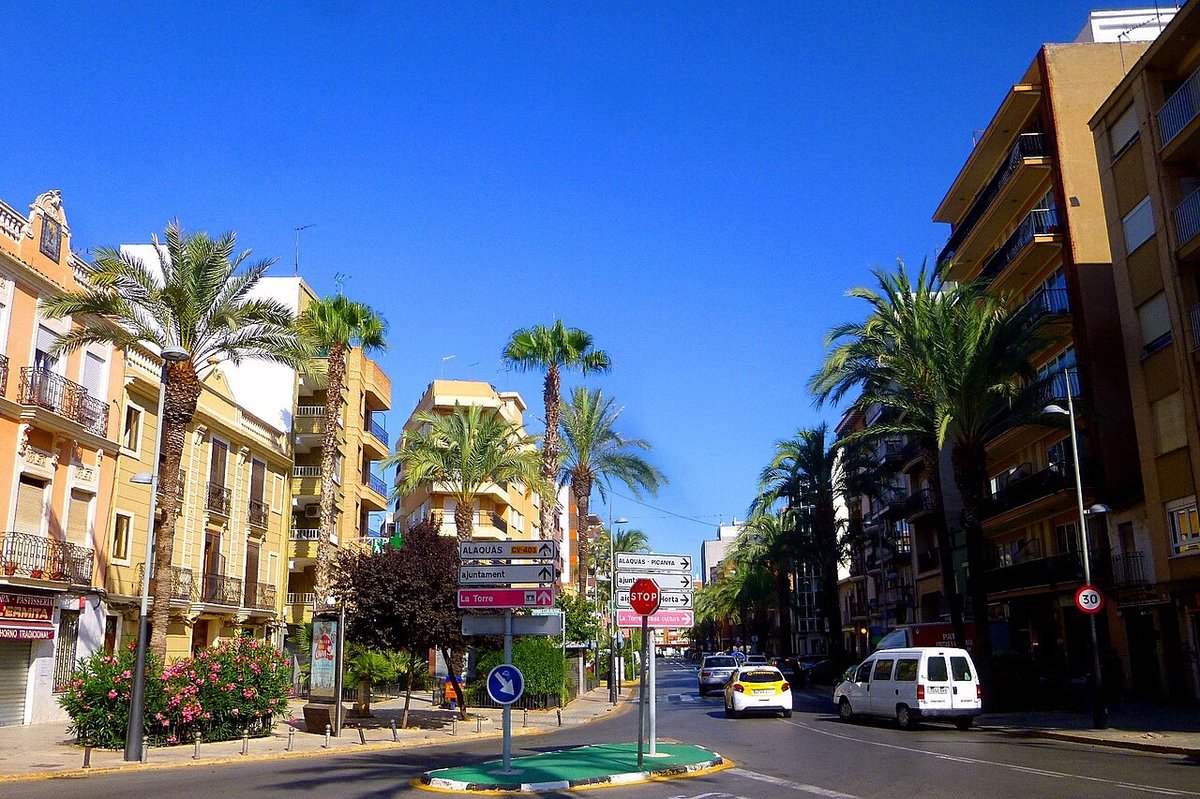
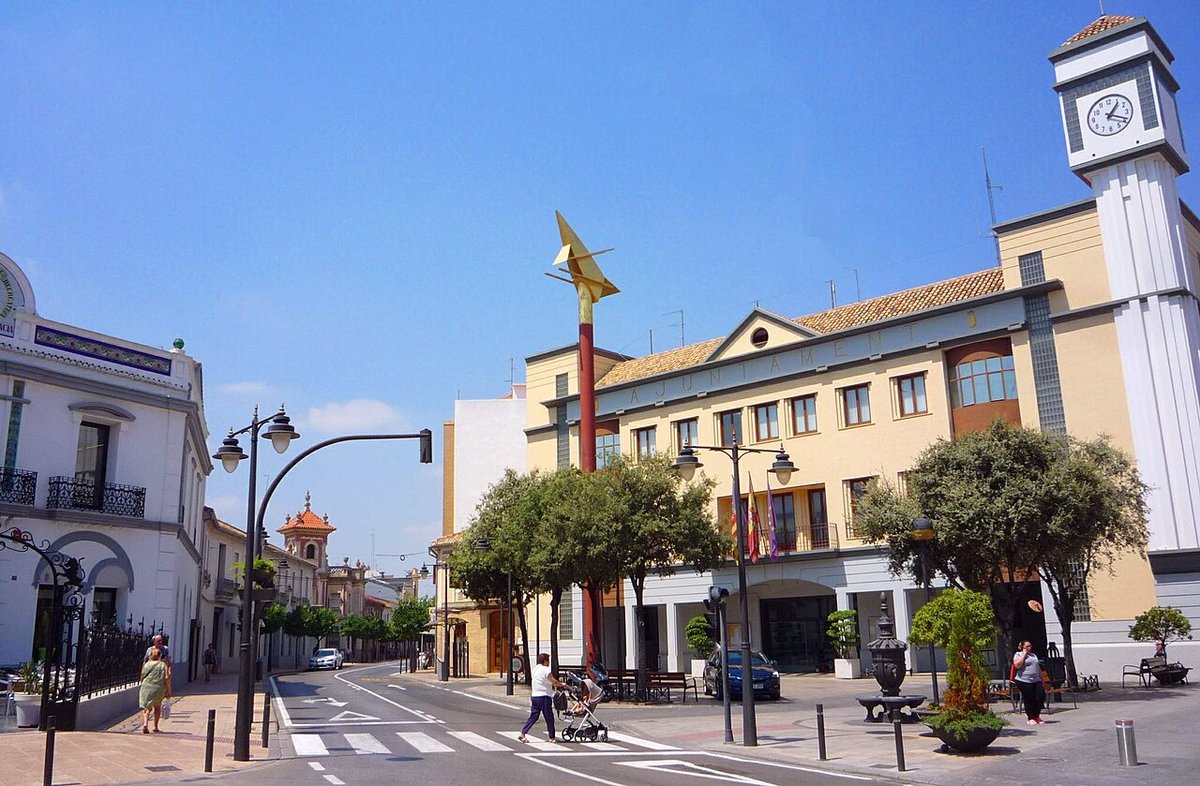
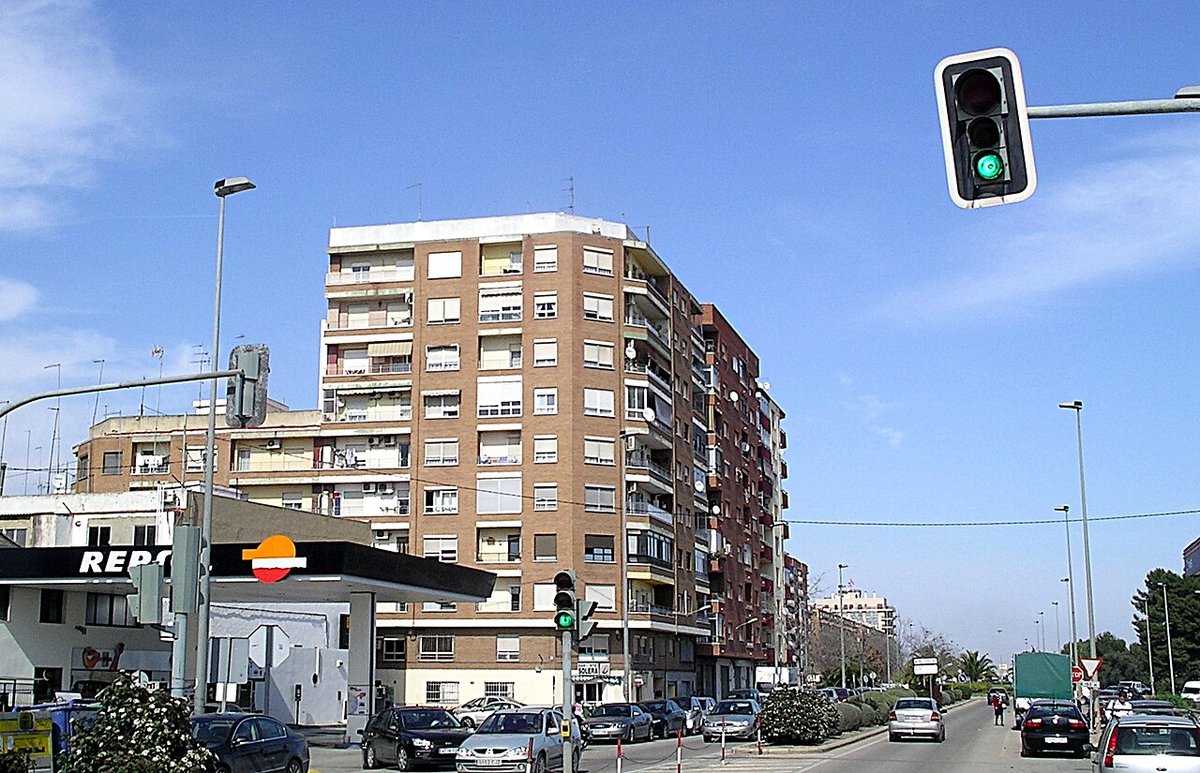
Step off the metro in Picanya and the first reaction may be uncertainty. There is no castle on the skyline, no medieval walls, no old square arranged for postcards. Instead, you find broad streets, late 20th-century apartment blocks and, now and then, the scent of orange blossom drifting through the air. It is a reminder that not so long ago this was all farmland.
Tourism in Picanya works differently from many towns in the Comunidad Valenciana. People do not usually arrive armed with a checklist of monuments. More often, Picanya enters the picture because someone lives here, or because you are exploring l’Horta Sud and it happens to lie on the way.
Give it a little time and the place begins to make sense.
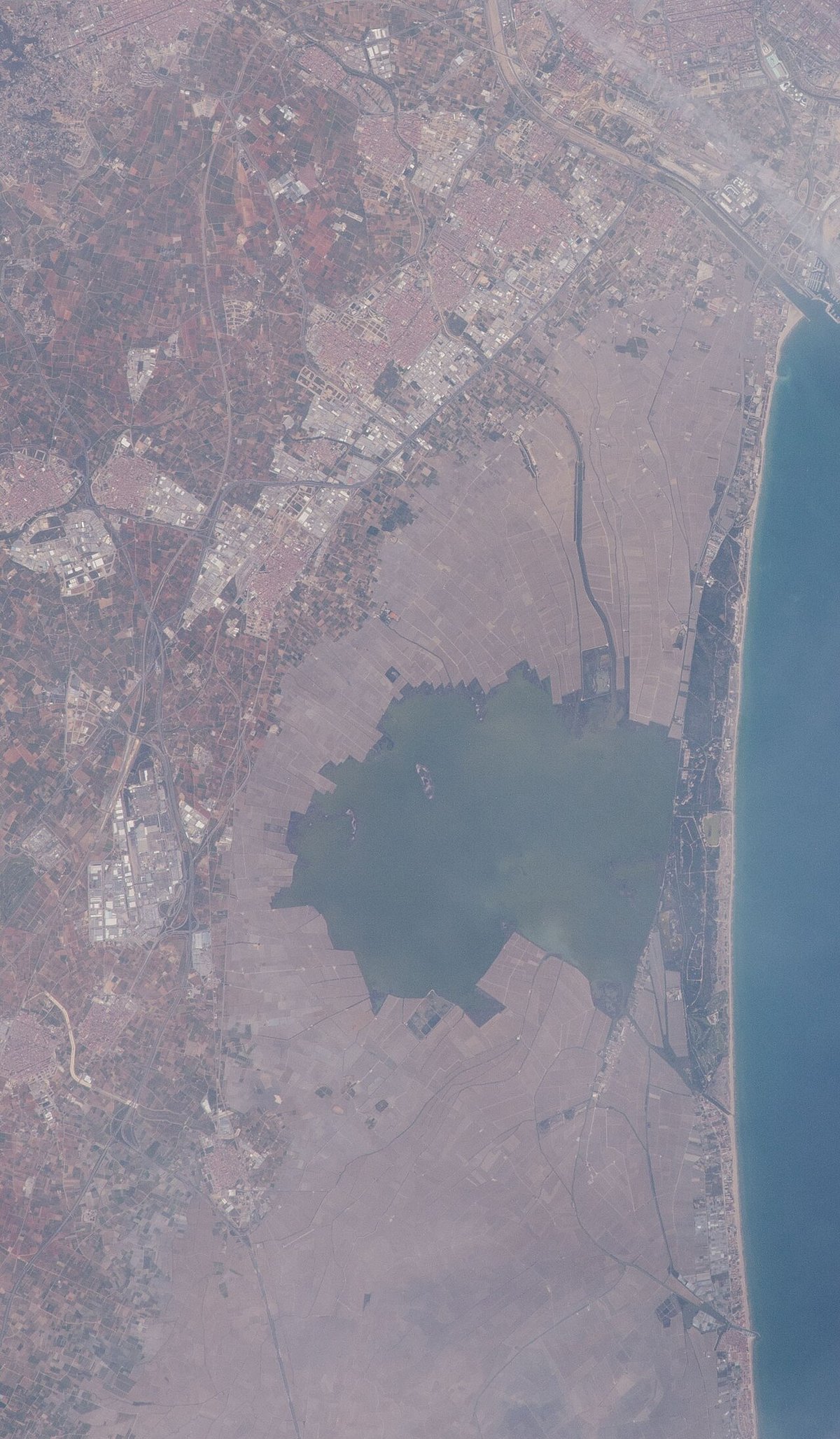
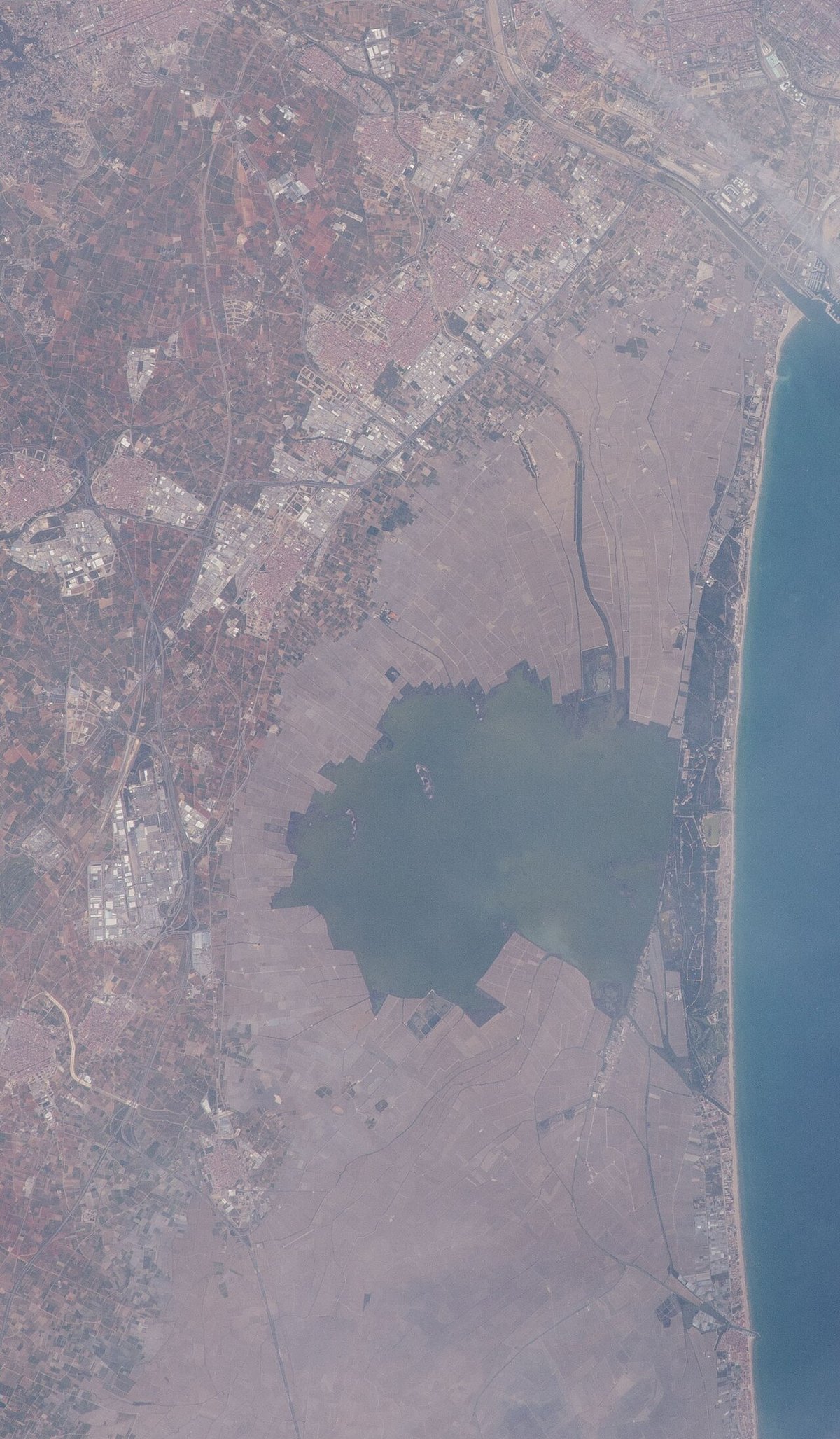
About six kilometres from Valencia, Picanya sits in a curious position. The city almost reaches it, yet pockets of cultivated land still survive around the edges. In a matter of minutes you can move from a traffic-filled avenue to a rural path edged by acequias, the irrigation channels that have shaped this landscape for centuries, and fields that continue to define l’Horta.
Between Modern Streets and Medieval Echoes
Picanya does not match the classic image of a Valencian historic centre. There are few old houses, and much of what you see dates from the late 20th century. This pattern is common in municipalities close to Valencia, which expanded quickly when many residents moved out of the capital in search of more space.
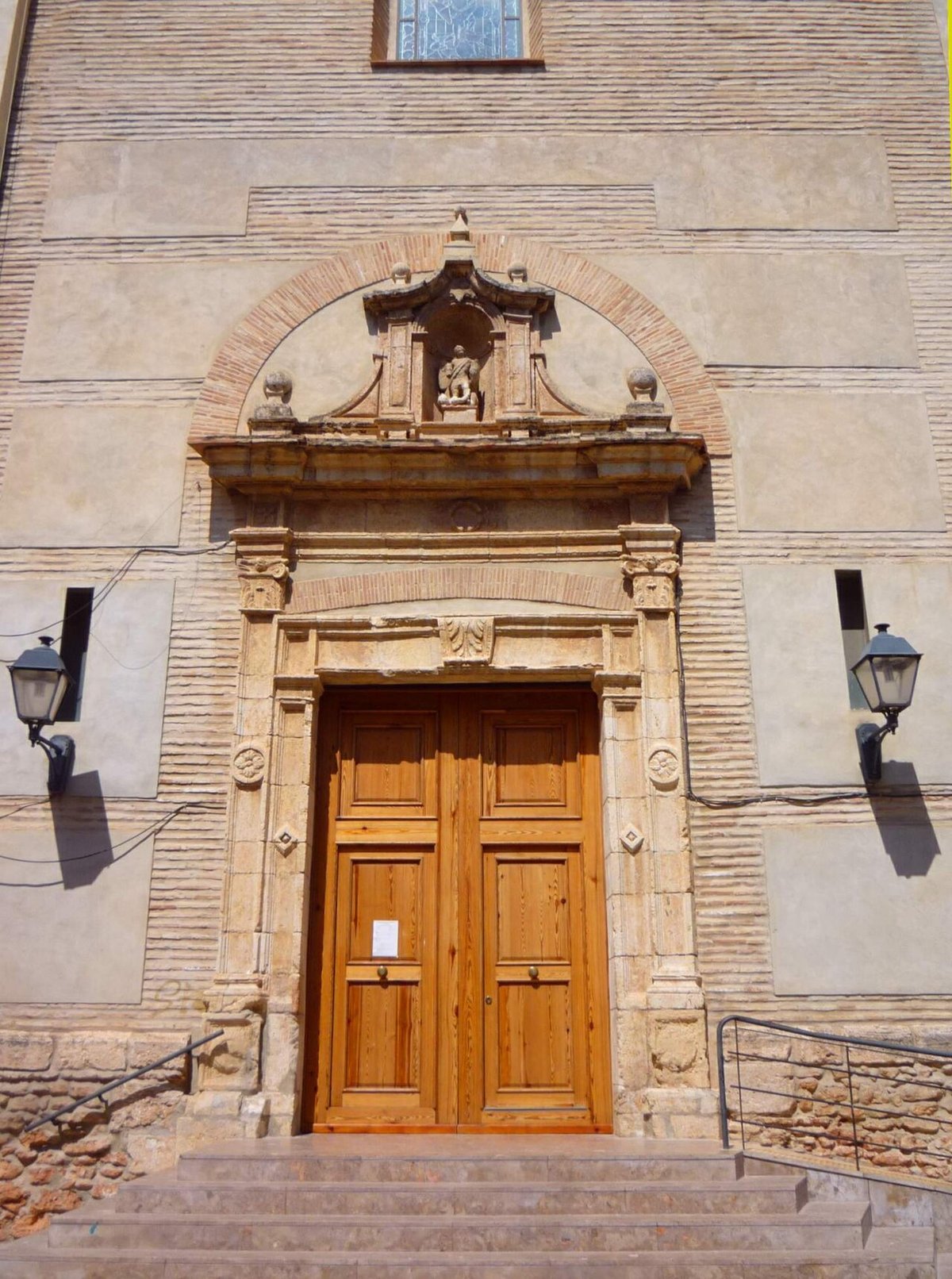
Even so, fragments of the older agricultural settlement remain. The Alqueria de la Seu is the clearest example. Often dated to the medieval period, with many sources linking it to the 13th century, it recalls the time when Picanya was little more than an alquería, a rural farmhouse community surrounded by cultivated land.
Set among more recent buildings, the Alqueria de la Seu can seem slightly out of place. That contrast is precisely what draws the eye. It helps you picture what this area looked like when the surrounding streets did not exist and everything beyond the walls was huerta.
Walk towards the outskirts and the agricultural character becomes clearer. Rural tracks branch out from the town, following the lines of the acequias. These irrigation channels still structure daily life in l’Horta, even if they now run close to housing estates and roads. The landscape shifts subtly rather than dramatically. Asphalt gives way to earth, and the rhythm of traffic fades into the quieter pace of cultivated fields.
Rice, Smoke and Sunday Rituals
Ask people from the area about Picanya and the conversation often turns to food. There is no single recipe unique to the municipality. What you find instead is cooking that mirrors many households across l’Horta: rice prepared slowly and, when possible, over a wood fire.
This is not about fashionable dining rooms or experimental cuisine. It is about Sunday paella cooked in family patios, on terraces or on small plots of land used for gatherings. Around midday, on certain streets, the smell of smoke still drifts through the air.
It is not organised for visitors. It is simply how many families continue to meet at the end of the week. The scent of firewood on a Sunday morning makes it clear that the meal remains a serious ritual. The pace slows, conversations stretch out, and the focus stays firmly on the shared pan of rice.
In Picanya, food is less a spectacle than a habit. You do not come to observe it as an event staged for outsiders. You notice it because you are there while it happens.
Festivals for the Neighbourhood
Festivals in Picanya follow a similar logic. The Fallas are firmly established here, as they are across much of the Valencia region. Yet the atmosphere feels closer to that of a neighbourhood than to the scale seen in the city of Valencia. Local commissions spend months preparing their monuments and organising events.
The emphasis rests on the residents rather than the occasional visitor. Streets fill with activity, but the tone remains familiar and local.
Another tradition with a strong presence is Corpus. In many towns in the area, this celebration retains elements that have changed little over time. Traditional dances appear, symbolic characters take part and streets are decorated for the procession. It is not designed to attract large crowds from afar. It is part of the annual calendar, repeated because it has long belonged there.
In September, the fiestas dedicated to the Mare de Déu de Montserrat, the town’s patron saint, bring a noticeable shift in rhythm. Religious events share space with music and evening street gatherings. For several days, the town stays lively until late. During this period, it becomes particularly clear that, despite its proximity to Valencia, Picanya maintains an active sense of local life.
Understanding Picanya on Its Own Terms
Picanya does not work well if approached with the expectation of a conventional tourist town. Viewed through that lens, it may seem ordinary.
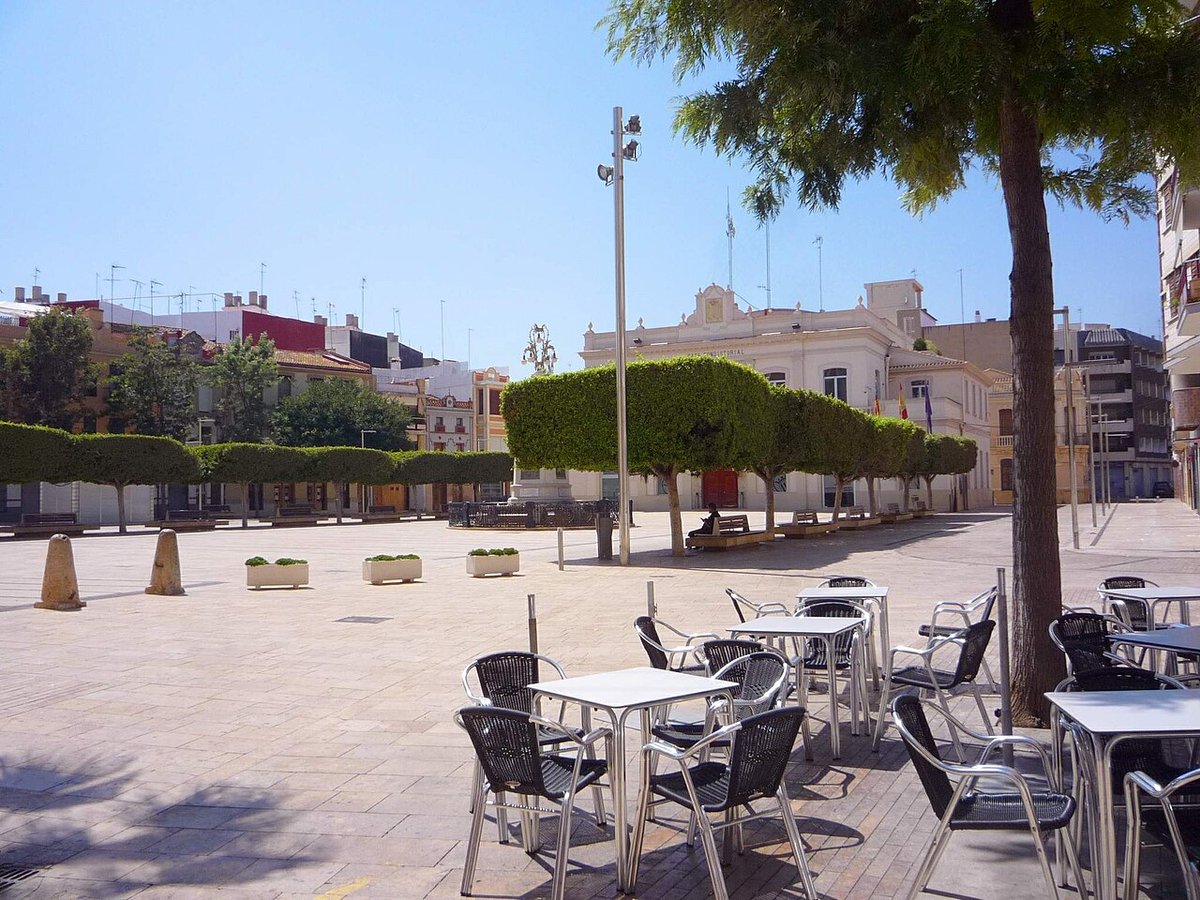
Approach it instead as a way to understand how people live in the belt of l’Horta that surrounds Valencia, and it begins to feel more coherent. The flat terrain makes it easy to move around on foot or by bicycle. Rural paths lead out from the municipality into cultivated land. A square bench in the late afternoon can be as revealing as any landmark.
Spring is often a good time to notice what sets this place apart. When the orange trees blossom, the scent of azahar drifts even through modern streets. It cuts across concrete and traffic, recalling the agricultural ground beneath the surface.
Picanya is not somewhere that announces itself loudly. Its appeal lies in the overlap between town and field, between recent expansion and older farming roots. Spend a little time observing how Sundays revolve around rice, how festivals focus on neighbours, and how acequias still trace their routes beside housing blocks, and the outline of the place becomes clearer.
It may not fit the image of a classic destination. Yet for anyone curious about everyday life in l’Horta Sud, just beyond Valencia, Picanya offers a straightforward and unvarnished view of a community that continues to balance city proximity with agricultural memory.