Full Article
about Picassent
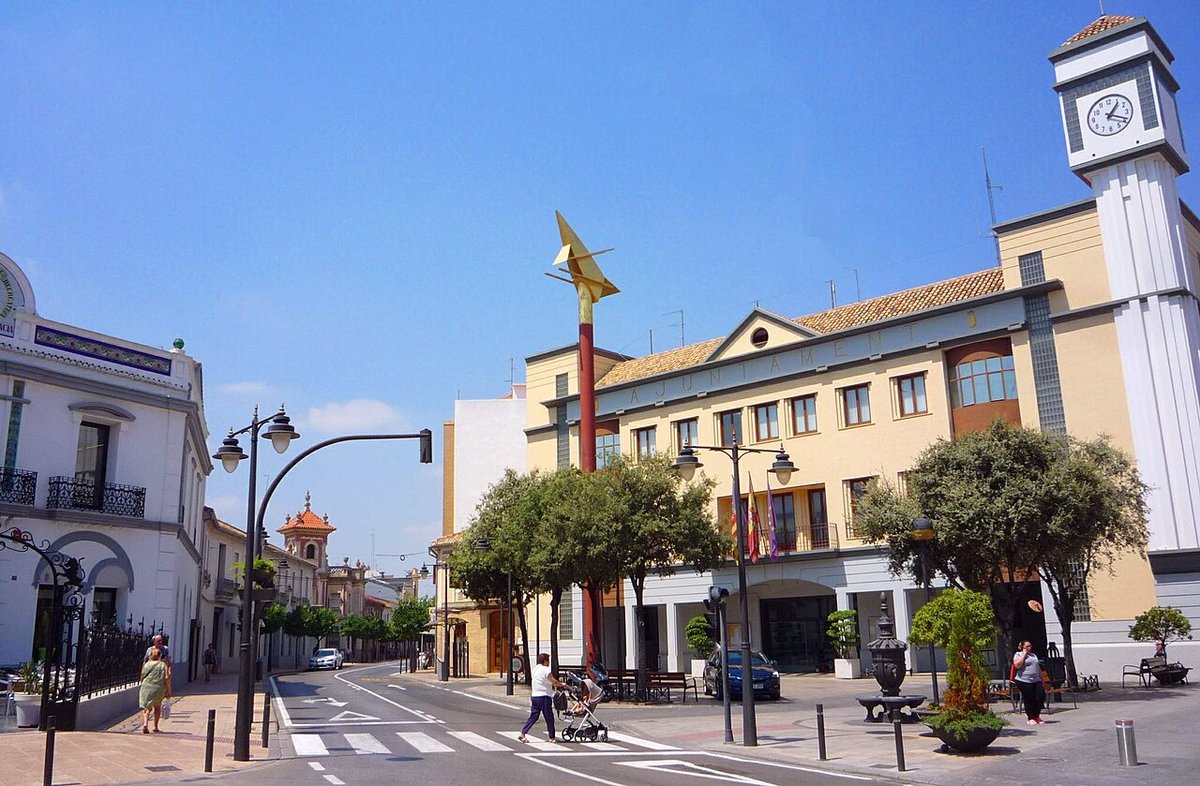
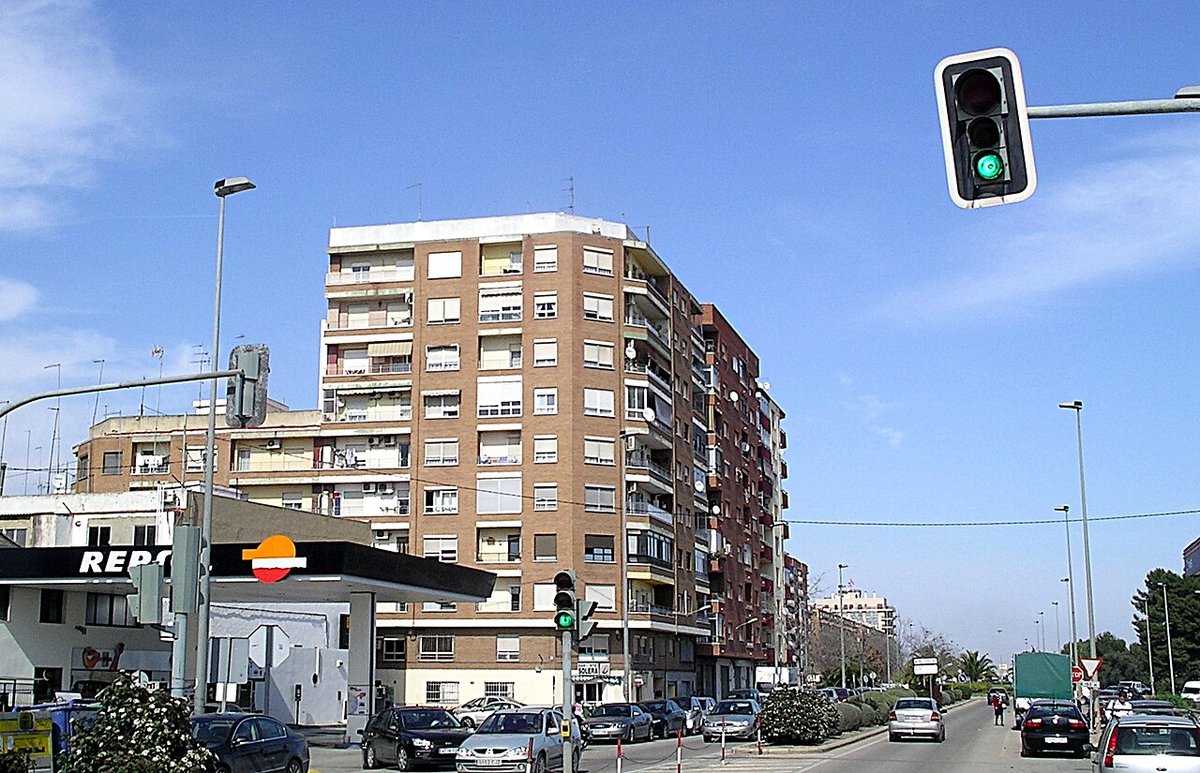
Large municipality with many housing estates and a farming and quarrying tradition.
Hide article Read full article
Picassent: huerta, torre y arroz al horno
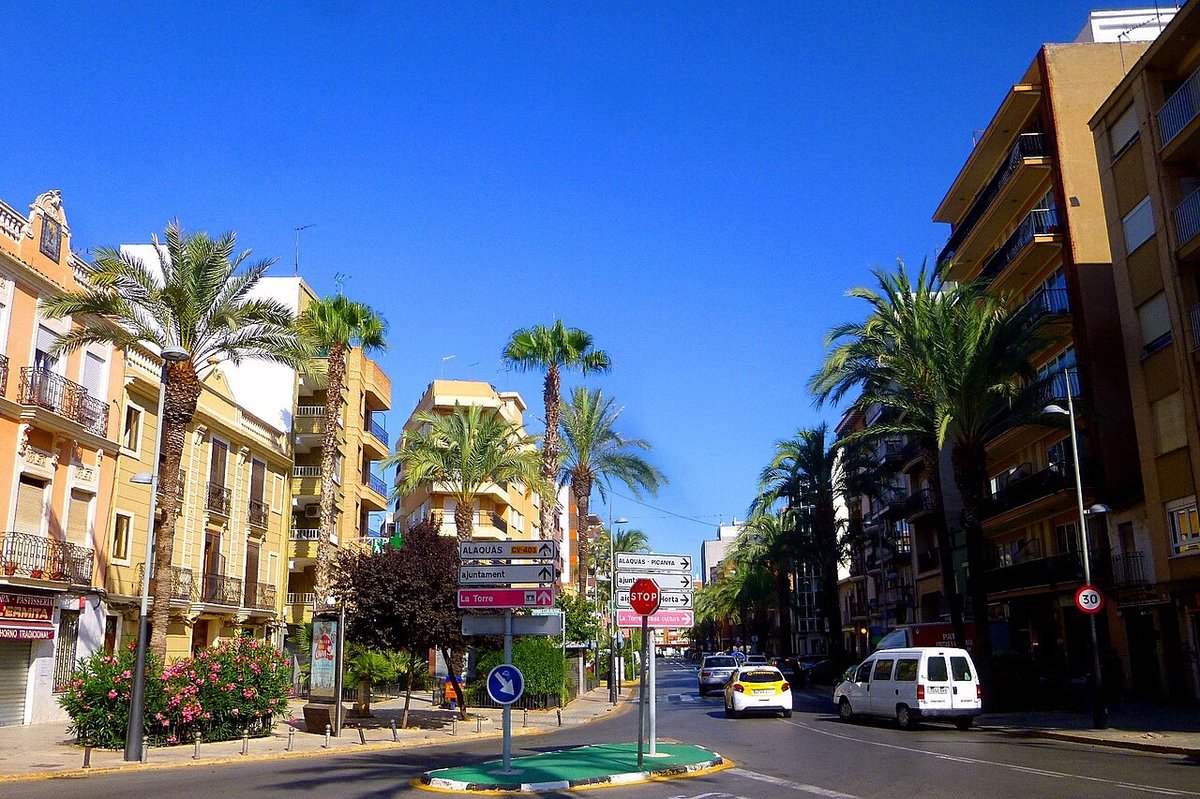
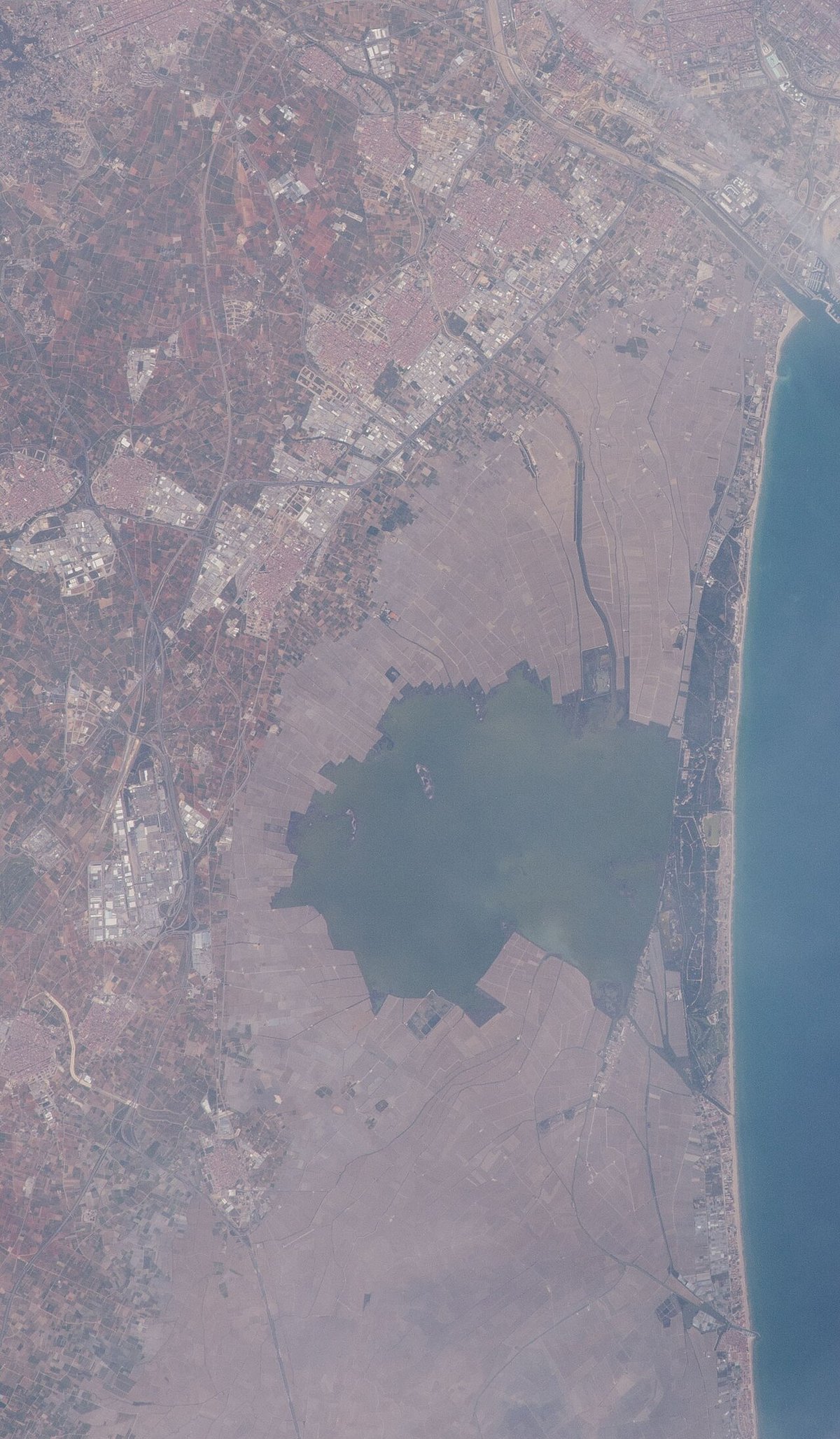
Picassent marca el límite sur de la huerta de Valencia. Aquí la llanura regada por acequias se encuentra con las primeras laderas que anuncian el interior. El pueblo, con más de veinte mil habitantes, tiene uno de los términos municipales más extensos de l’Horta Sud. Esta posición fronteriza define su carácter: ni es ciudad ni es pueblo de montaña, sino un núcleo grande con los pies en el campo.
El mercado de los viernes por la mañana refleja esa realidad. Se monta para los vecinos, no para el turista. Entre puestos de fruta, verdura y ropa, se escuchan conversaciones sobre precios y cosechas. La huerta sigue presente en el ritmo semanal.
Una torre en la llanura
A dos kilómetros del casco urbano se levanta la Torre d’Espioca. Es cilíndrica, de origen andalusí, y formaba parte de la red de vigilancia de los accesos a Valencia. Su función era controlar el movimiento en esta parte de la llanura. La construcción es de mampostería, sobria, sin ornamentos. Desde lejos se entiende su posición estratégica: domina un terreno abierto donde cualquier desplazamiento resultaba visible.
Para llegar hay que caminar por pistas agrícolas que atraviesan campos de cítricos. El acceso al interior no siempre está permitido, pero basta rodearla para comprender su propósito original. La torre es el vestigio histórico más claro del término, un recordatorio de cuando esta era tierra de frontera.
El núcleo antiguo y la iglesia
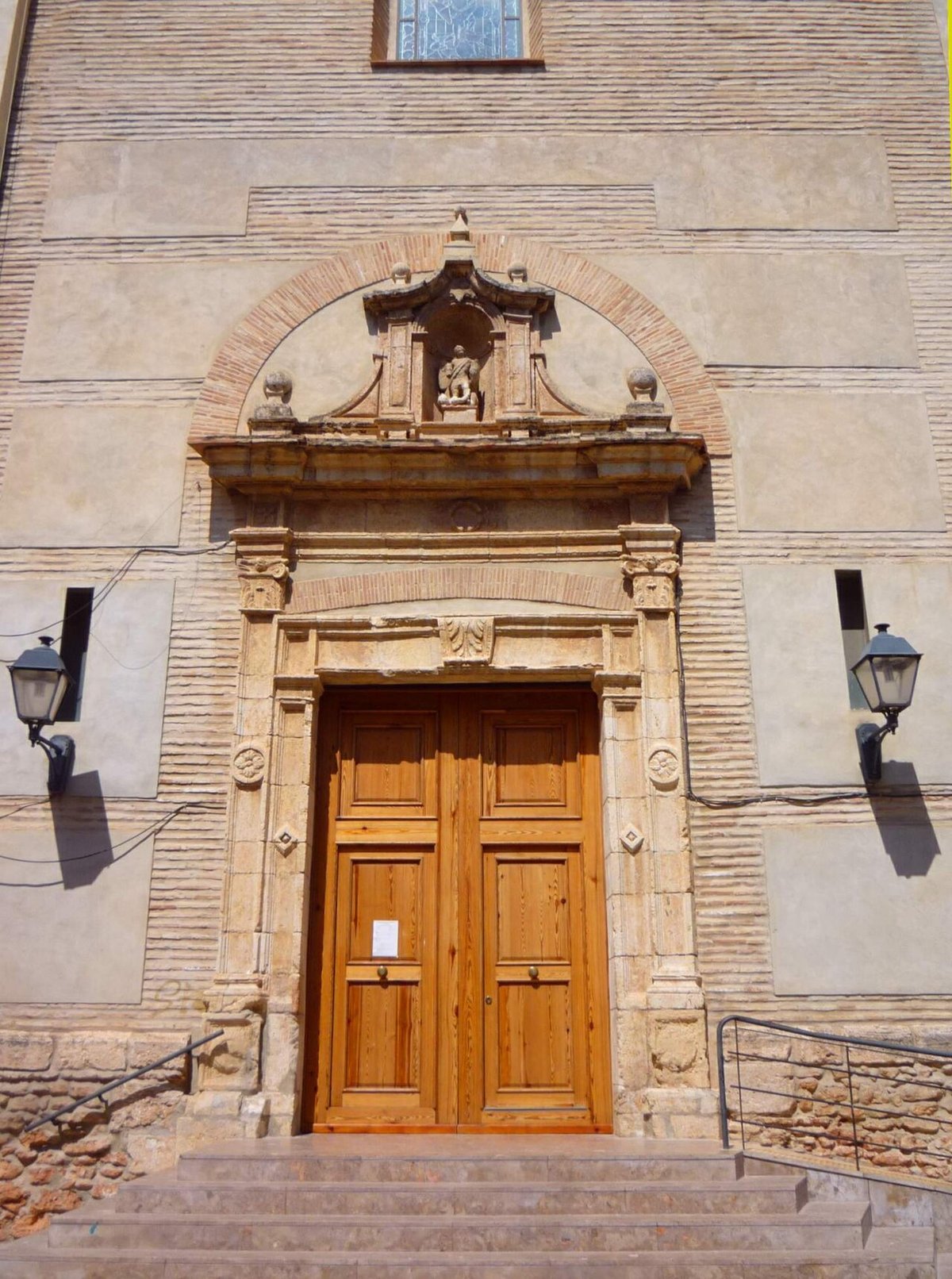
La iglesia parroquial de San Cristóbal ocupa el centro. Se construyó en el siglo XVIII sobre un templo anterior. Su fachada es neoclásica, discreta, similar a la de otras iglesias de la huerta valenciana de esa época. El interior es funcional, sin grandes pretensiones artísticas. Lo relevante es su papel como eje de la vida comunitaria durante siglos. La imagen del santo sale en procesión durante las fiestas mayores, que se celebran en agosto y giran en torno a San Cristóbal y la Virgen del Olivar.
El casco antiguo se organiza en torno a la iglesia y unas pocas calles estrechas. No es un conjunto monumental, sino un espacio vivido. Conviene fijarse en algunos detalles de arquitectura tradicional, como los balcones de forja o los azulejos en algunas fachadas.
Cocina de casa y fiestas locales
En las cocinas de Picassent se hace mucho arroz al horno. Es un plato de origen humilde, cocinado en una fuente amplia con garbanzos, patata, morcilla y costilla. Cada familia tiene su versión. En repostería, la coca de llanda es habitual: un bizcocho sencillo con aceite, azúcar y matalauva, que recuerda la época de los hornos comunales.
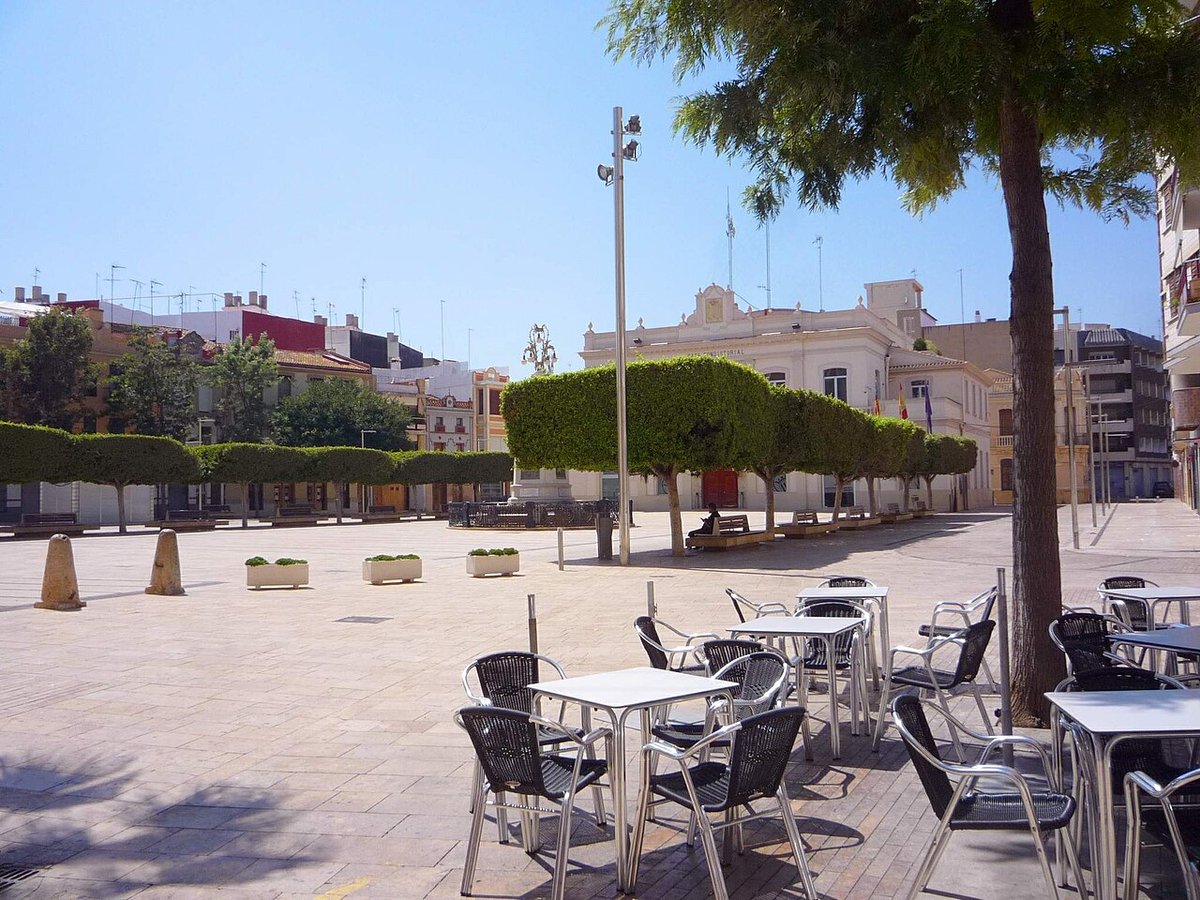
Las fiestas de agosto concentran la actividad. Muchos vecinos que viven fuera regresan esos días. Hay procesiones, verbenas y actos en la plaza. En marzo se plantan fallas, a una escala mucho menor que en Valencia capital. La sensación es más vecinal, con monumentos creados por comisiones locales.
Cómo llegar y moverse
Picassent tiene estación de Cercanías en la línea C1, con conexiones frecuentes a Valencia. El trayecto desde la ciudad es breve. En coche, se accede por la salida 557 de la A-7. Una vez allí, el pueblo se recorre a pie. Para ver la Torre d’Espioca es necesario caminar por los caminos de la huerta; conviene llevar calzado adecuado.