Full Article
about Quart de Poblet
Town on the Turia river with riverside park and industrial heritage
Ocultar artículo Leer artículo completo
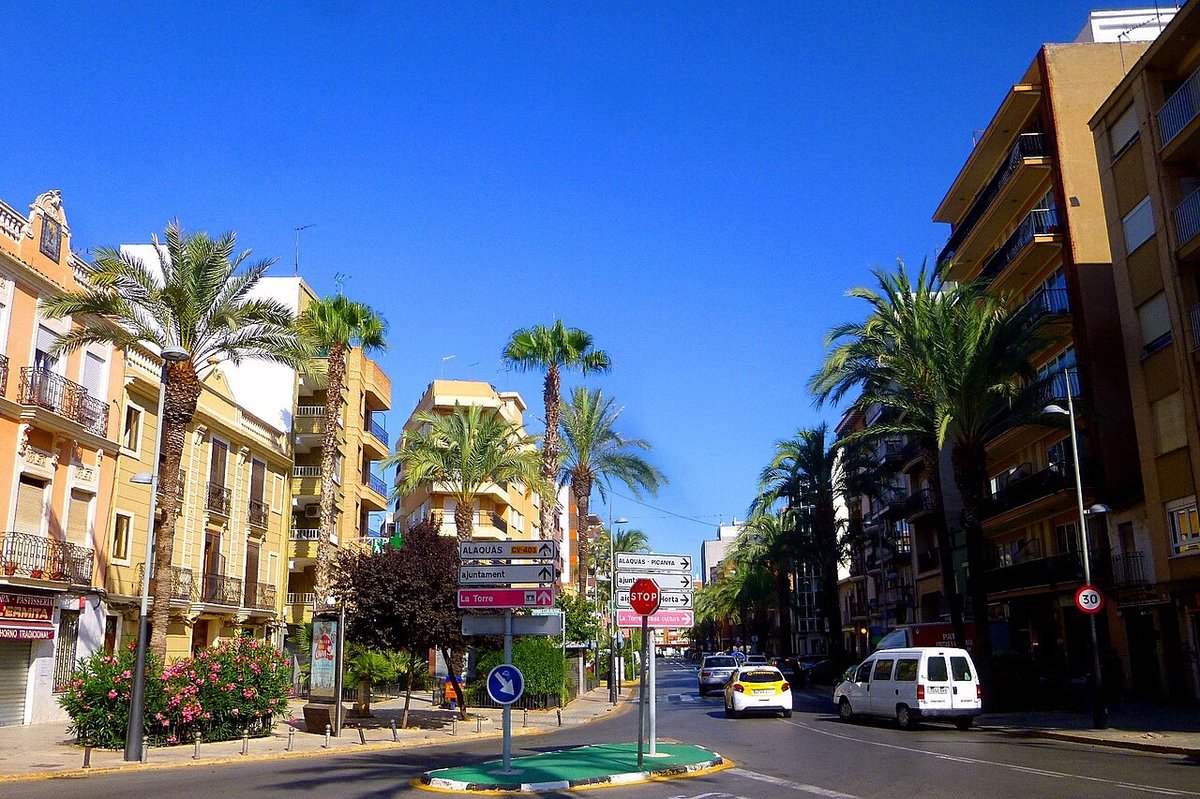
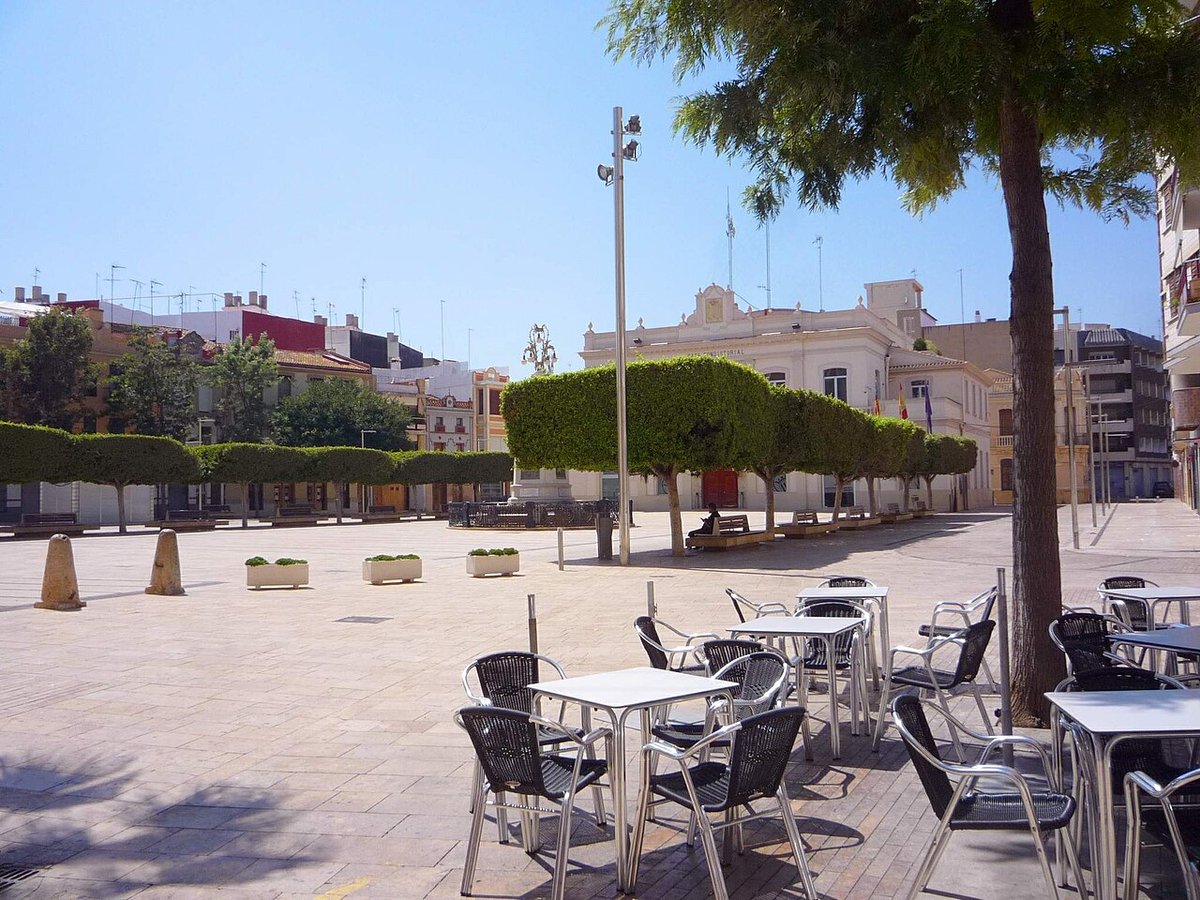
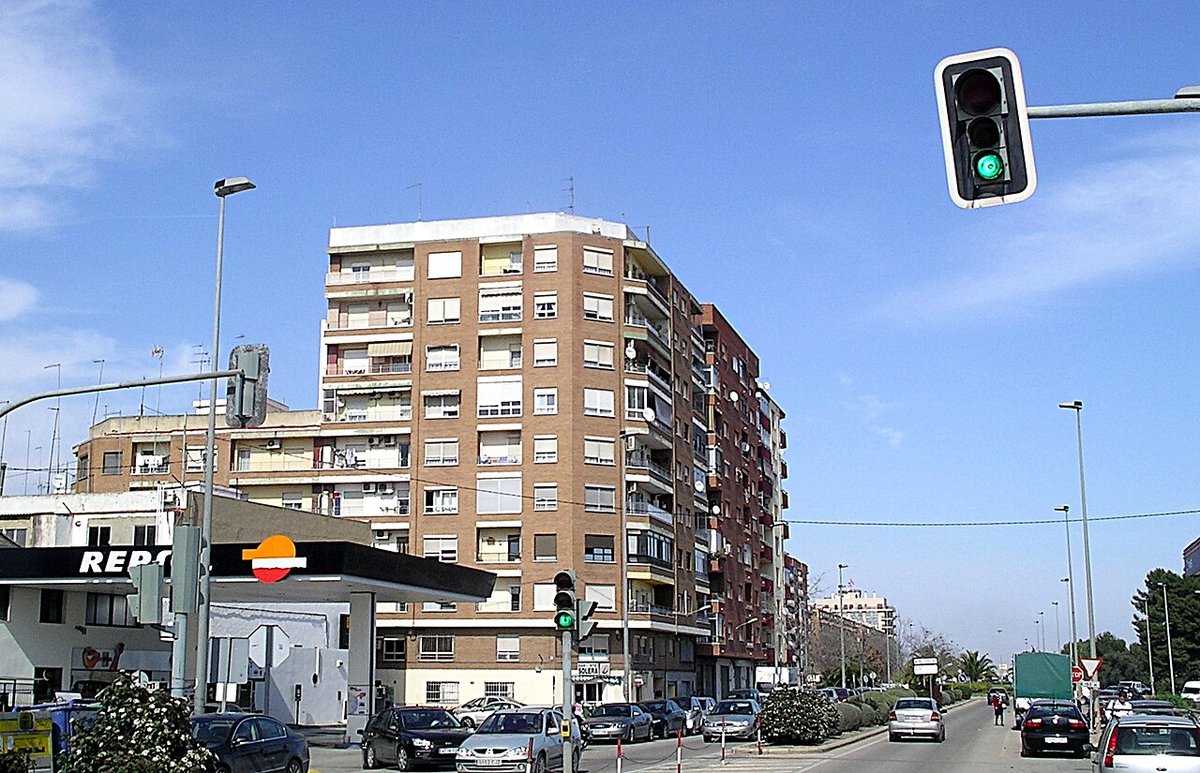
The metro doors open at Quart de Poblet and the smell changes instantly: diesel gives way to warm citrus. It’s only 17 minutes from Valencia’s city centre, yet the blocks here are still low enough that an orange tree can cast a respectable shadow. Not pretty, exactly—concrete façades rise straight from narrow irrigation ditches—but the place has the honesty of somewhere that never asked to be a destination.
A town that outgrew its orchards
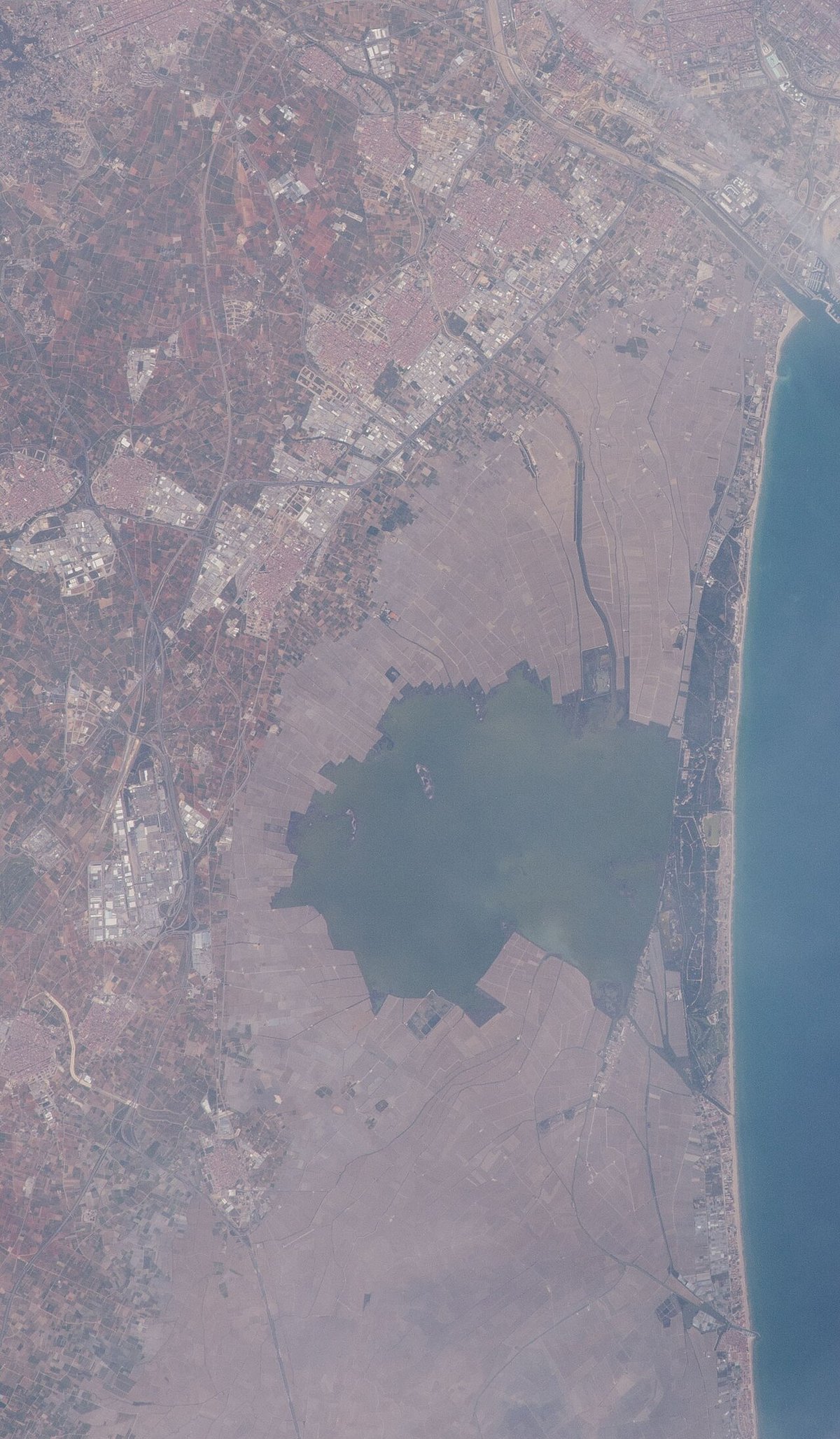
Quart packs 25,500 people into 4.7 square kilometres, making it one of Spain’s most densely populated satellite towns. The medieval grid, laid out when the place was still the Moorish settlement of Cahart, sits trapped between the V-30 motorway and a string of logistics warehouses. Walk five minutes east and you’re among polytunnels and chicken-wire; five minutes west and you’re in a retail park that could be outside Swindon, only hotter.
Altitude is a modest 40 m, so the climate is pure coastal plain: mild winters, furnace summers. Come in July and the asphalt shimmers; come in March and the air is thick with wood-smoke from Fallas bonfires. Spring and autumn are the civilised windows—temperatures hover in the low twenties, perfect for the flat cycle lanes that radiate into the surrounding huerta.
What’s left of the garden
The acequias—Moorish irrigation channels—still trickle, though you’ll need to know where to look. A signed 3 km loop leaves from behind the health centre, follows the main ditch north, then cuts back through lemon groves and smallholdings where pensioners hoe vegetables in shirt-sleeves at eight in the morning. Interpretation boards explain the old Tribunal de las Aguas, the water-court that meets weekly in Valencia cathedral, but here the system is lived-in: sluice gates made from scavenged planks, padlocks rusted orange, the smell of wet mud and rotting leaves.
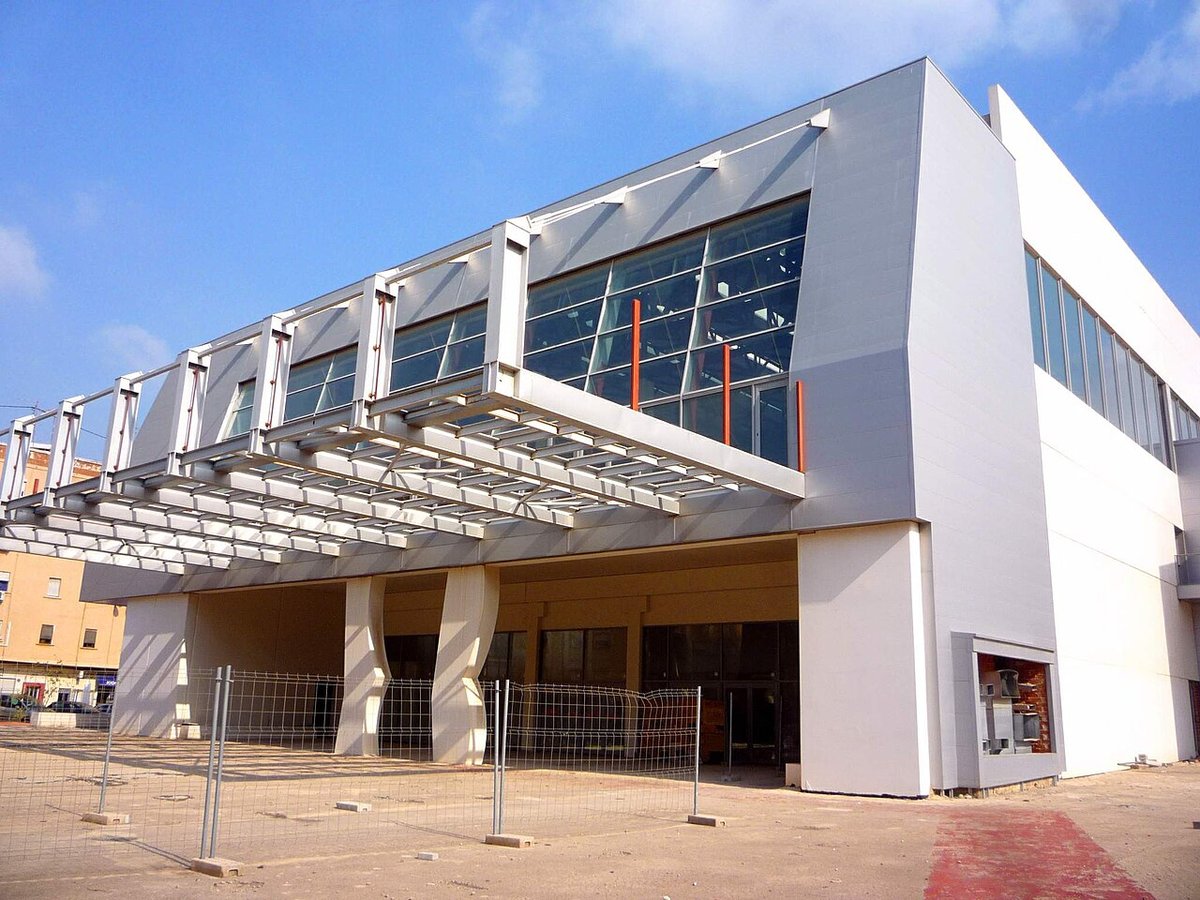
The Museum of the Orange occupies a single room in the cultural centre. Opening hours are erratic—mornings only, and never on Monday—so ring ahead. Inside, vintage labels advertise shipments that once left Valencia docks for Covent Garden and Hamburg. A mechanical sizer, painted British racing-green, clicks through a demonstration if the caretaker is in the mood. Entry is free; donations appreciated.
Church bells and supermarket trolleys
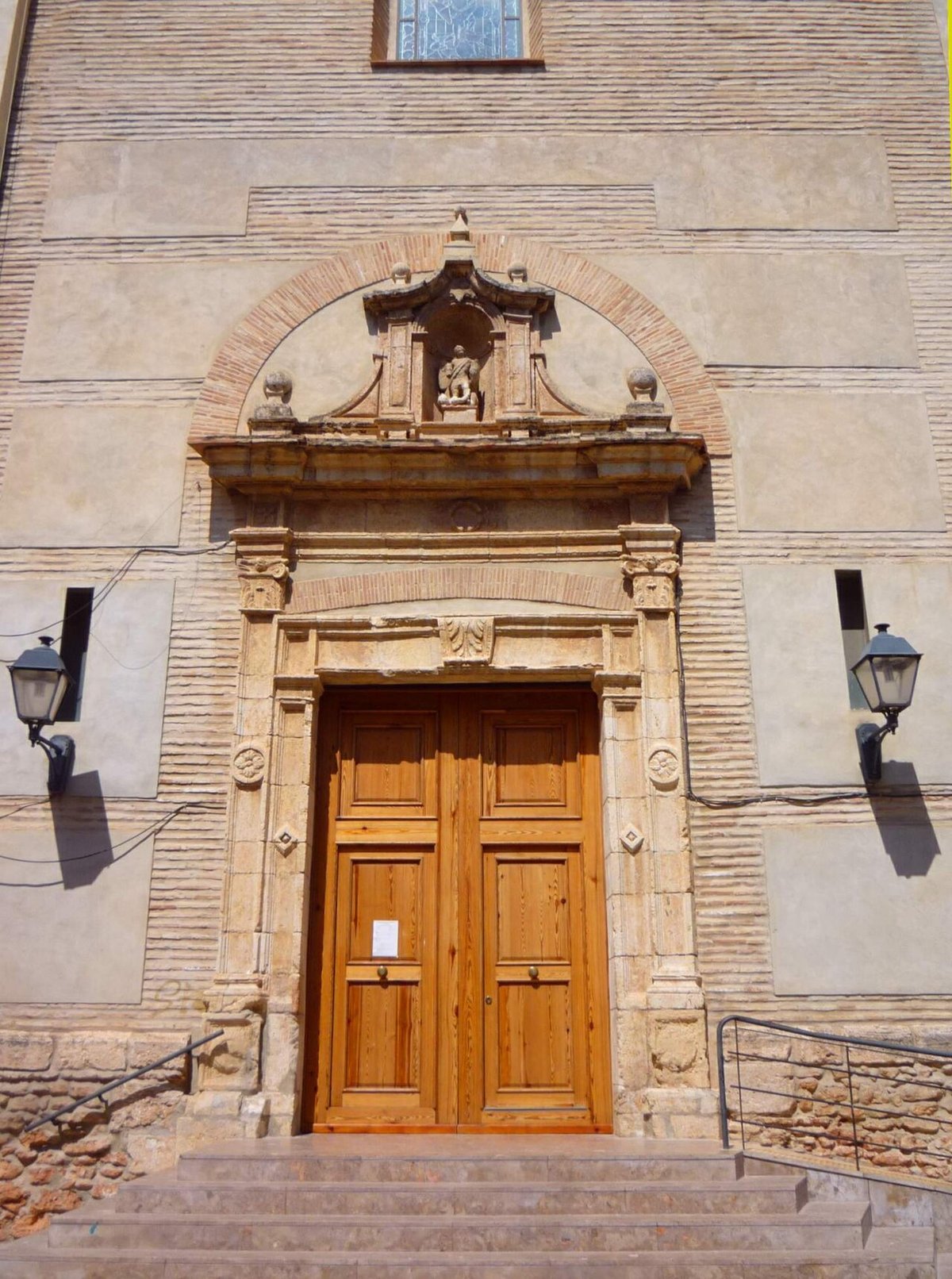
Parroquia de los Santos Abdón y Senén, the parish church, squats at the centre of a traffic roundabout. Its baroque portal is handsome enough, but the real reason to step inside is the evening mass on weekdays: doors open, incense drifts out, while outside the Día supermarket trolleys clatter. That collision—liturgy versus logistics—sums Quart up.
Behind the church, the Central Park (30,000 m² of playgrounds, palm avenues and a skate bowl) fills with families once the mercury drops below 30 °C. British visitors tend to linger by the drinking fountain: it’s fed from the same acequia that waters the fields, cold even in August.
Eating: rice, rabbit and the occasional roast dinner
Restaurants cluster on Calle Mayor. Nou Ruby does a three-course menú del día for €14; expect properly made all-i-pebre (eel stew) when the fishermen of nearby Cullera land it. Camacho is older-school—white tiles, hams overhead—and famous for arroz al horno baked in individual clay dishes. Portions are built for field-hands; ask for a media ración unless you’re ravenous. Both places open for lunch 13:30–16:00, close tight at 16:30, and reopen after 20:00. Turn up at 18:00 and you’ll starve.
If you miss home, the Robin Hood pub (yes, really) shows Premier League on satellite and serves a Sunday carvery for €12. The chef is from Nottingham; gravy arrives in a steel boat.
Getting there without the A-road headache
Metro lines 1 and 2 leave from Valencia’s Plaza de España every eight minutes at peak; off-peak it stretches to fifteen. A single zone-1 ticket costs €1.60, a bono of ten trips €9.70. Journey time is 17 min—faster than driving once you factor in ring-road queues. The station sits five minutes’ walk from the old centre; pavements are wide, but there’s no lift, so prams and wheelchairs need to bump down 28 steps.
Drivers should exit the A-3 at Quart de Poblet–Aeropuerto, follow signs for Centro, and prepare for a one-way system designed by someone who enjoys confusion. On-street parking is free but tight; the covered market car park charges €1.20 per hour with a €9 daily cap.
Festivals: gunpowder and neighbourly squabbles
Fallas (15–19 March) turns every intersection into a plywood satire. Quart’s budgets are modest—no €400,000 Disney-style monsters here—but the mascletà (daytime noise display) still rattles windows. If you’re staying in Valencia city, hop out for the plantà (installation day) on 16 March; crowds are thinner and you can wander without a police cordon.
The July fiestas honour the patron saints with brass bands, paella contests and fairground rides erected on the football pitch. Temperatures regularly touch 38 °C; events start at 23:00 and run until dawn. British visitors sometimes misread the timetable and turn up at 21:00 to find the streets deserted except for a lone man hosing dust.
Two-hour whistle-stop (or how to decide if you want longer)
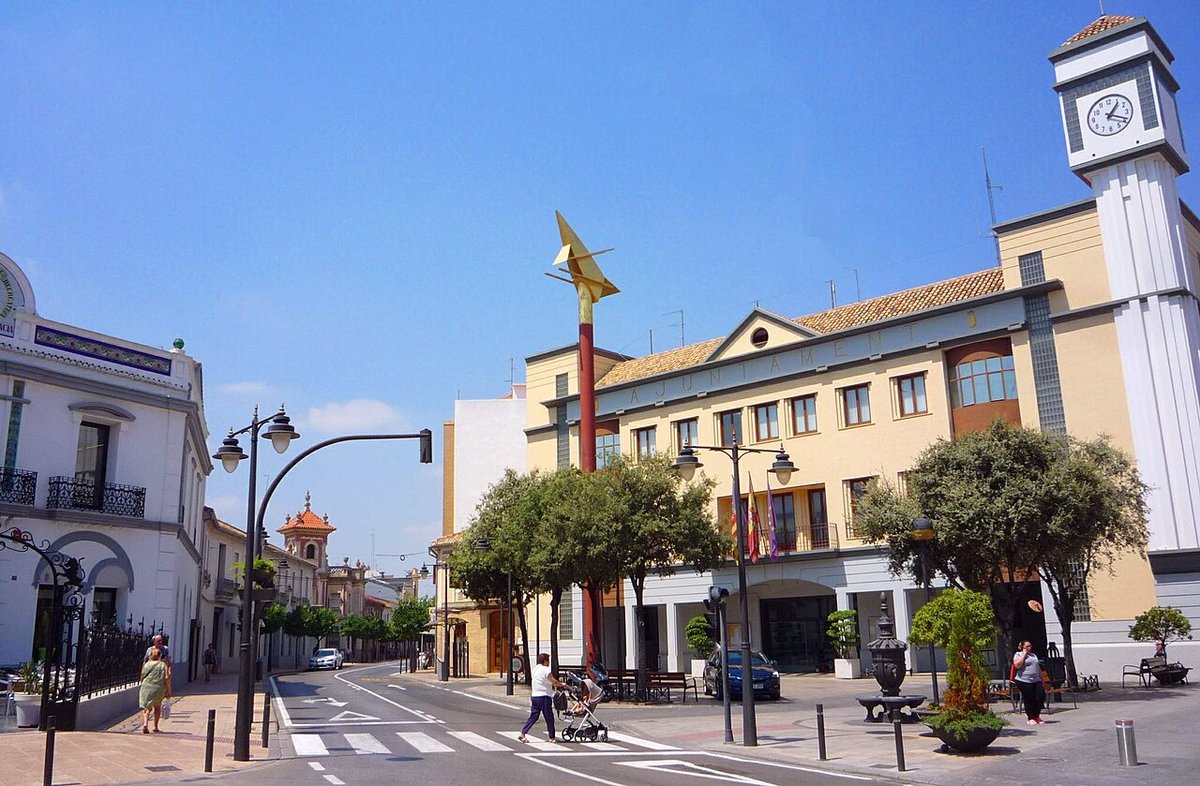
Arrive by 10:00. Walk the Central Park, follow the acequia path behind the police station for twenty minutes, then double back for coffee at Café de la Plaça (order a cortado condensada—espresso with sweetened condensed milk, Valencia’s working-class caffeine hit). Peek inside the church, check the museum door (locked? come back another day), and finish with a cervesa at the bar under the town-hall arch. By noon you’ll know whether Quart merits an afternoon bike ride or whether you’d rather catch the metro back and spend the day in Valencia’s old riverbed.
The honest verdict
Quart de Poblet will never make the cover of a glossy travel magazine. The pretty bit—the irrigated plain—shrinks each year under warehouses and commuter blocks. Yet if you’re curious about how a market-garden suburb keeps its head above concrete, the place repays a half-day cleanly and cheaply. Come for the citrus scent on the breeze, stay for the rice, then leave before the afternoon heat—or the industrial estates—close in.