Full Article
about Sedaví
A commercial and industrial municipality next to Valencia with access to Albufera
Hide article Read full article
First impressions on the way in
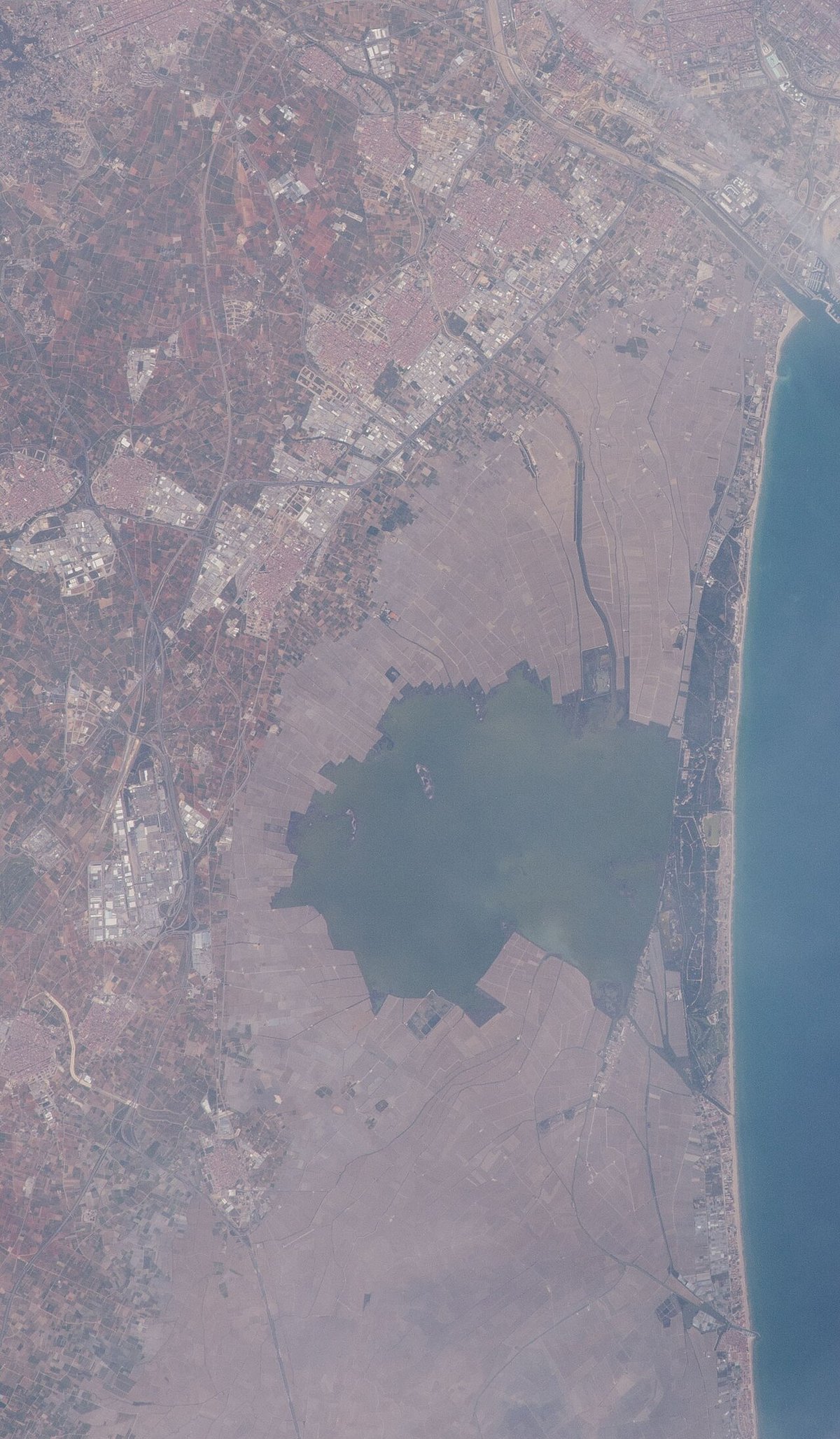
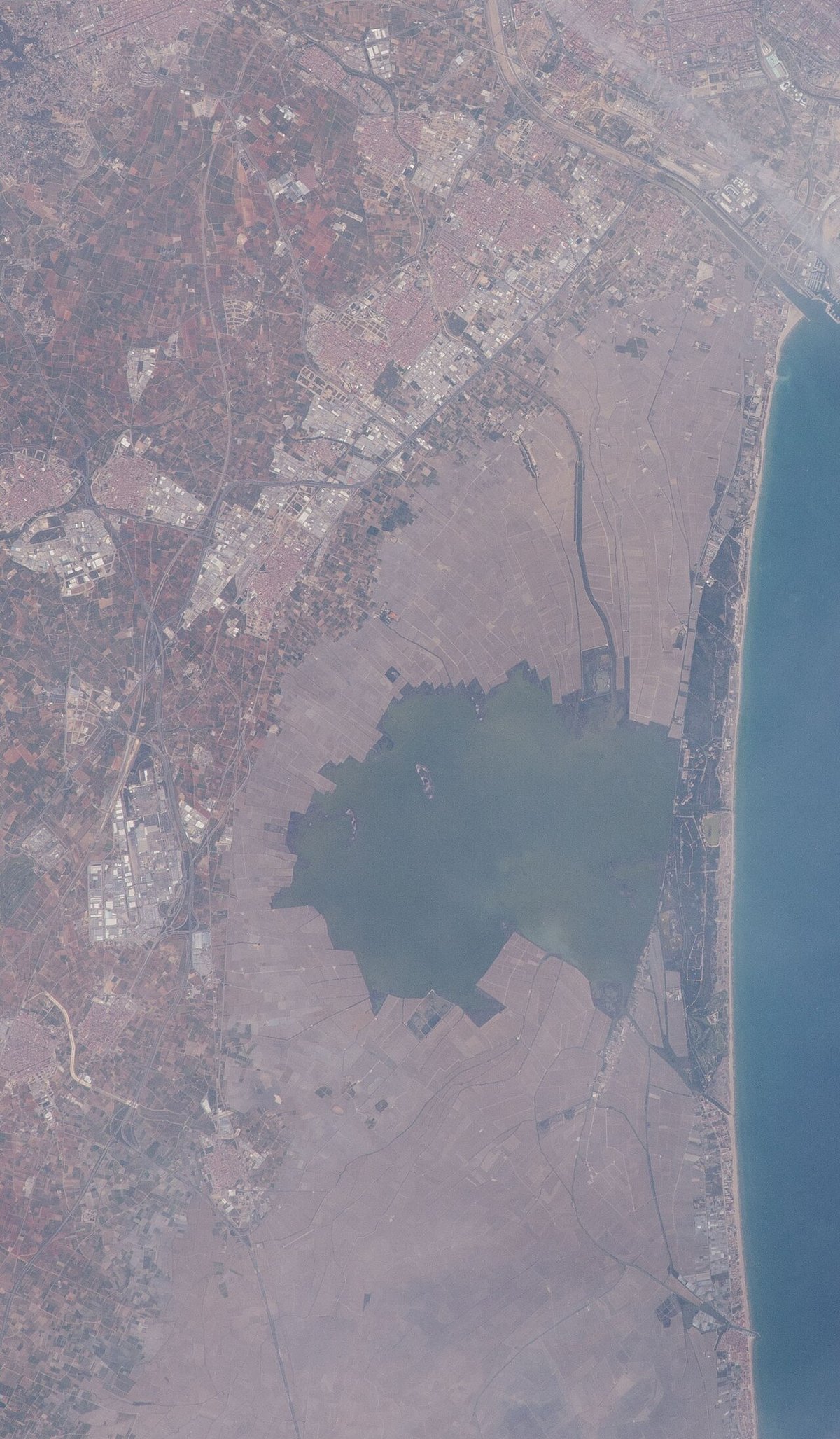
The commuter train reveals Sedaví before it arrives: rows of low houses and apartment blocks pressed up against what remains of the huerta, the irrigated farmland that has long defined this part of Valencia. There is no natural relief shaping its outline, so the town has gradually stretched towards Valencia and into the neighbouring municipalities of l’Horta Sud.
Sedaví belongs to that continuous urban belt surrounding the city, yet its origins reach much further back. It began as a small Andalusi alquería, a rural settlement linked to agriculture, recorded in medieval documents under names similar to Beniçidavi. After the conquest of Jaume I in the 13th century, it passed into Christian hands, beginning a long period of gradual transformation.
From irrigated fields to a growing town
For centuries, the landscape changed very little. Fields were organised through a network of acequias, irrigation channels that carried water across the land. Houses were scattered, and life revolved around farming. As in much of l’Horta de Valencia, the Muslim population continued working the land after the conquest, though under new rulers.
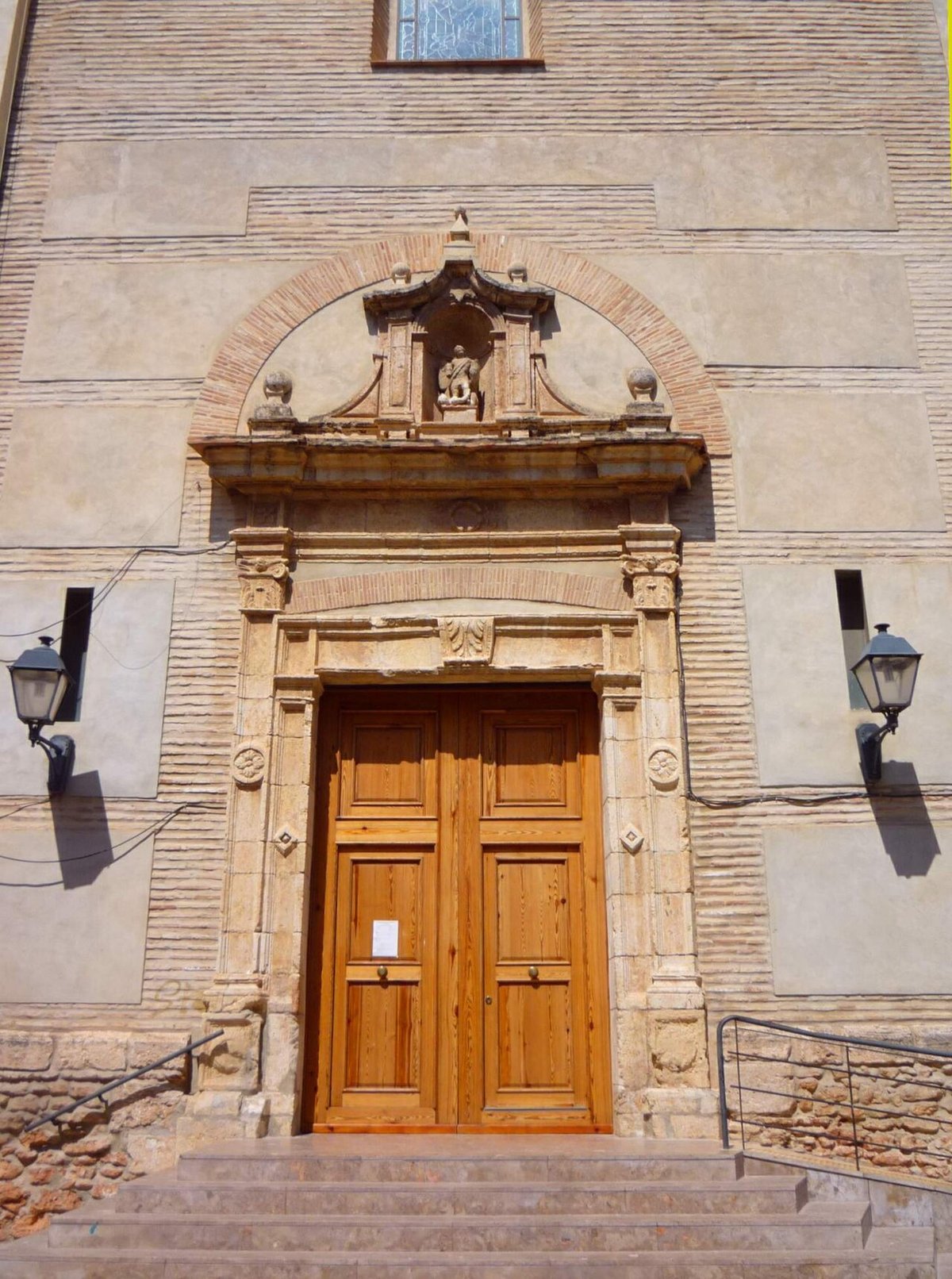
The expulsion of the Moriscos in the early 17th century affected the entire region, and it would have been felt here as well, where agriculture depended heavily on labour. Recovery came slowly. The parish church, begun in the 16th century and altered at different times, reflects that uneven development. Parts of the building seem to belong to different phases, giving it a layered appearance rather than a single unified design.
Devotion to the Virgen del Rosario remains strong in Sedaví and continues to shape local celebrations each October, linking present-day life with long-standing traditions.
The railway and the pull of Valencia
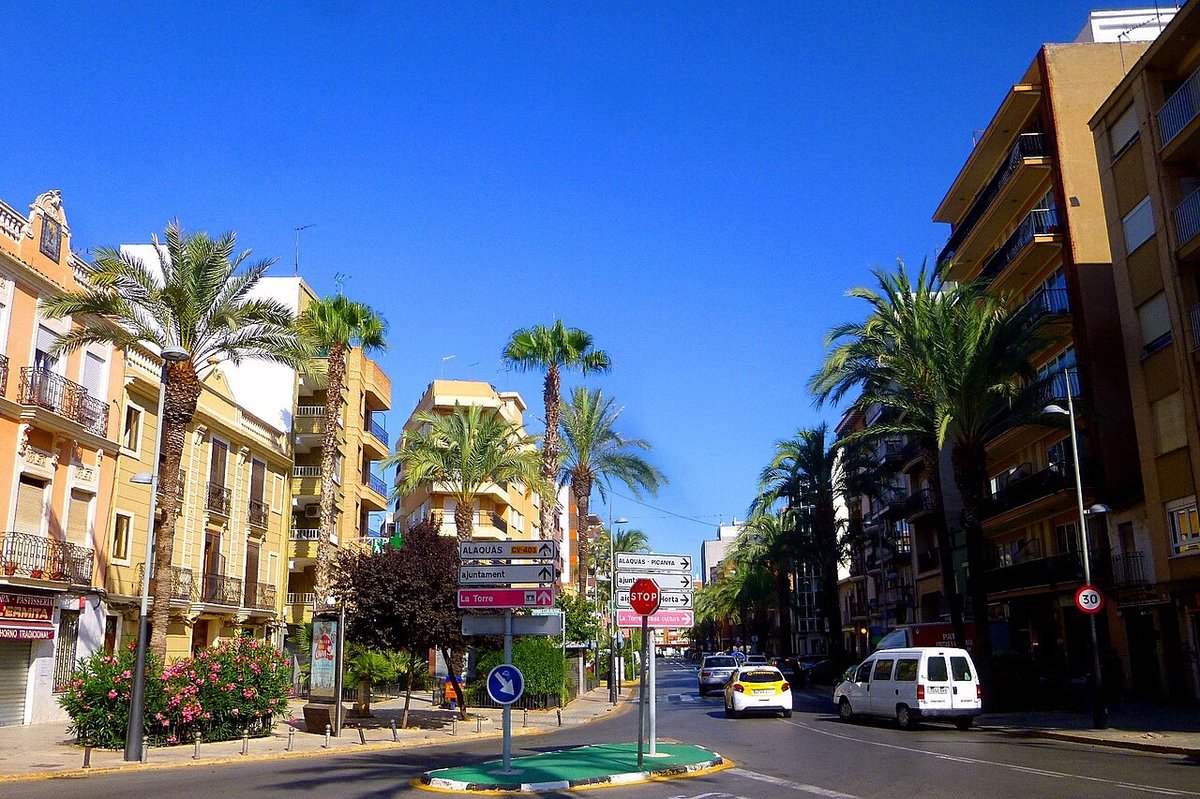
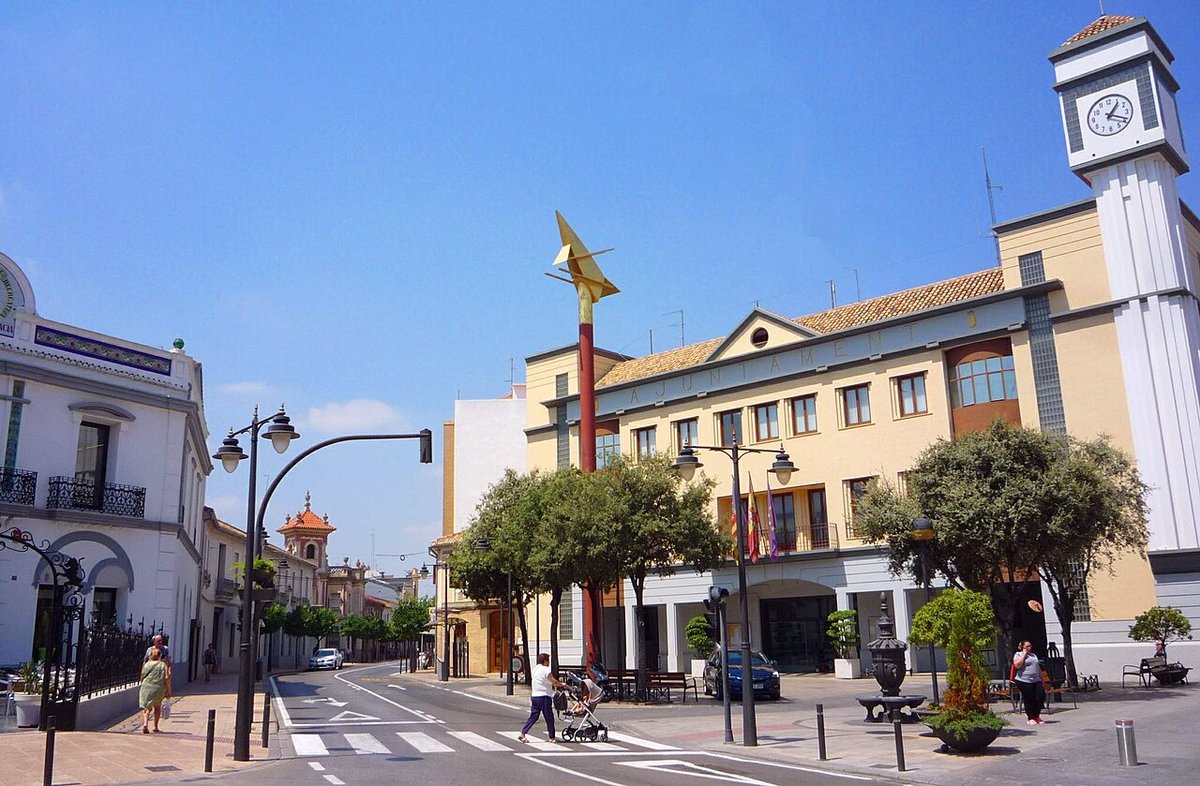
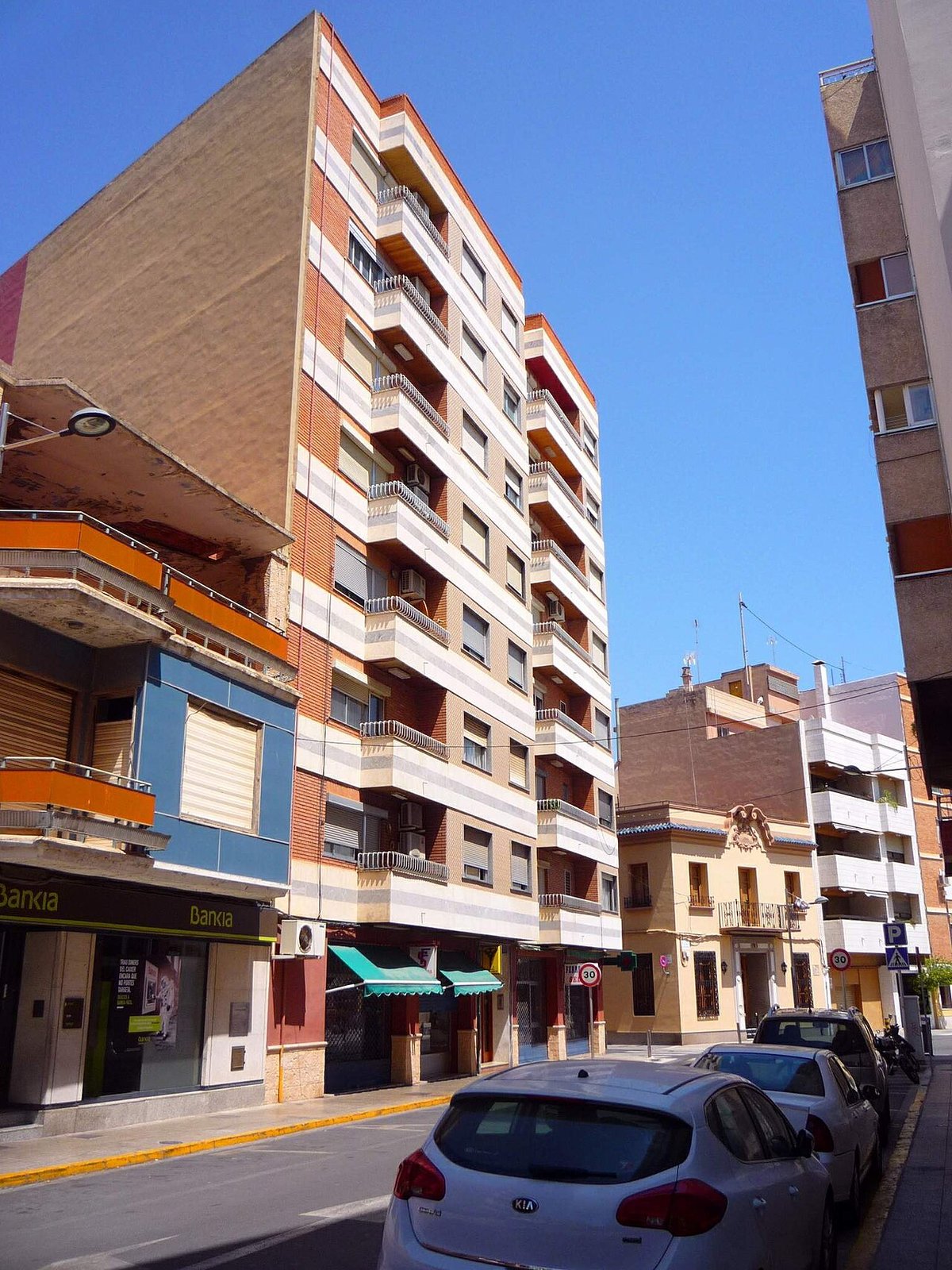
The arrival of the railway in the 19th century shifted the logic of the town. Sedaví was no longer just a farming settlement; it became more directly tied to Valencia. Around the station, new streets appeared with a more regular layout. Houses rose to two storeys, often with iron balconies and simple façades in brick or render.
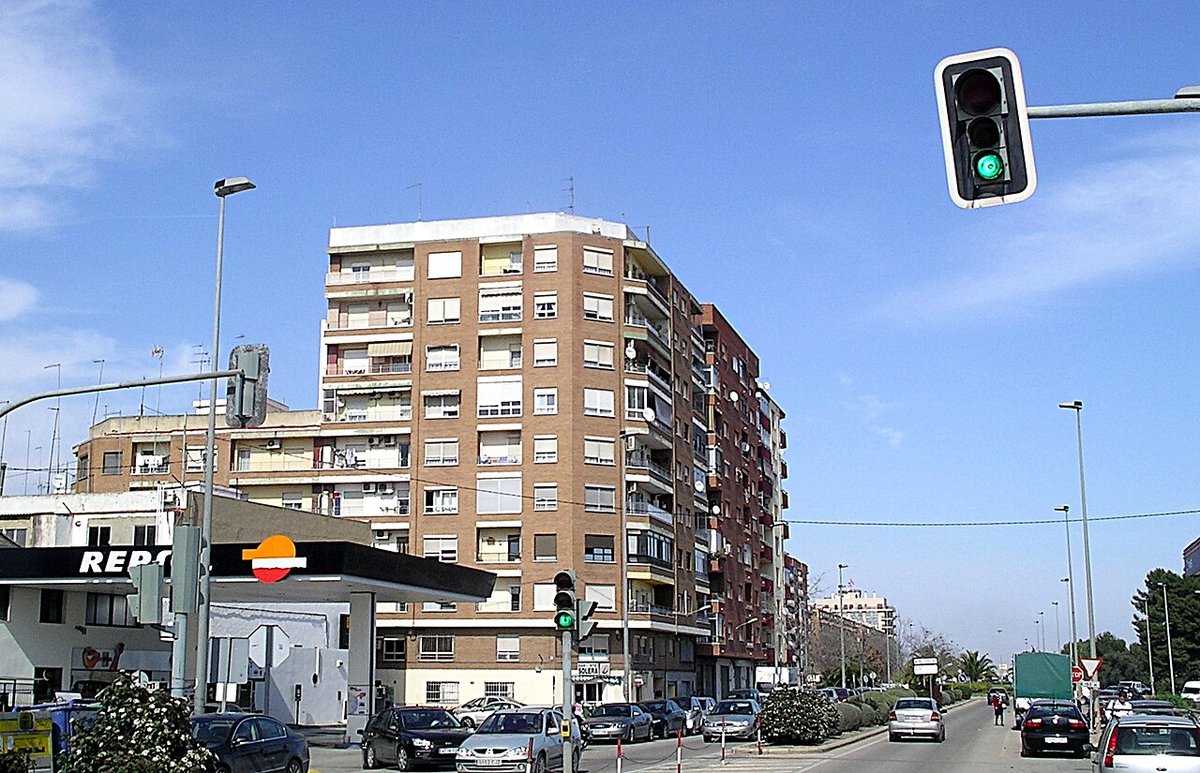
This modest expansion still coexists with later construction, especially from the second half of the 20th century, when much of l’Horta Sud grew alongside industry and daily commuting into the city. Walking slowly through the streets near the railway line, traces of earlier architecture remain visible. Some houses retain ceramic base tiles and decorative iron grilles, small details that hint at another period in the town’s development.
An unexpected palacete
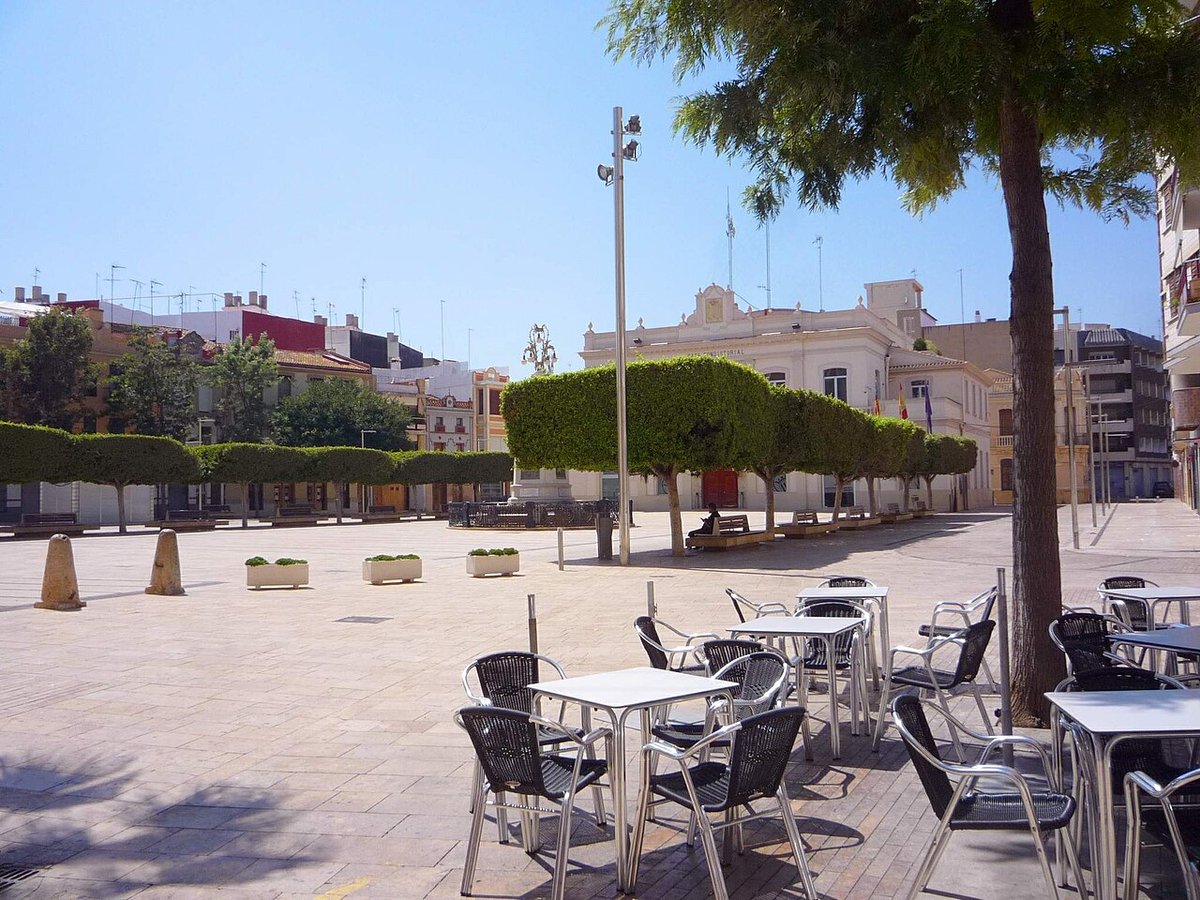
In the centre of Sedaví, one building stands out against its surroundings: a palacete historically linked to the Marquisate of Jura Real. Built in the 18th century and later altered, it presents a more ambitious façade than might be expected in a town with agricultural roots. Its aligned balconies, noble coat of arms and a notably formal entrance give it a distinct presence.
During the 20th century, the building took on various roles, both institutional and agricultural, according to local memory. Today, its interior is not usually open to visitors, yet the exterior alone suggests that some wealthy families once chose Sedaví as a residence connected to their farmland in the huerta.
The huerta that still remains
Despite the clear urban continuity with Valencia and nearby towns, pockets of cultivated land still survive around Sedaví. These are small plots, fitted between roads, irrigation channels and agricultural tracks. Orange trees and seasonal crops continue to grow here, maintaining a link to the area’s longstanding identity.
Irrigation depends on the historic acequia system of the Valencian huerta, which distributes water by gravity. At certain times of day, farmers can still be seen opening small gates and guiding water into their fields. Many are retired or managing small family plots, but the routines remain familiar.
There are no marked routes through these areas. It is enough to leave the centre and follow one of the agricultural paths leading outwards. Towards the end of the day, when the sun lowers over the flat expanse of l’Horta Sud, the landscape becomes easier to read. It offers a sense of how the surroundings once looked before industrial estates and broad avenues took over much of the land.
Getting there and finding your way
Sedaví lies very close to Valencia and forms part of its metropolitan area. It can be reached by commuter train or by road in a matter of minutes from the city. Once there, the town is easy to explore on foot.
To reach the huerta, comfortable footwear is useful, as many of the paths are unpaved and still used for agricultural work. A slow walk through the streets near the centre reveals the different layers of Sedaví: the original alquería, the growth shaped by the railway, and the more recent expansion shared with the wider comarca of l’Horta Sud.