Full Article
about Silla
Historic Albufera port with an Arab tower and a lateen-sail tradition
Ocultar artículo Leer artículo completo
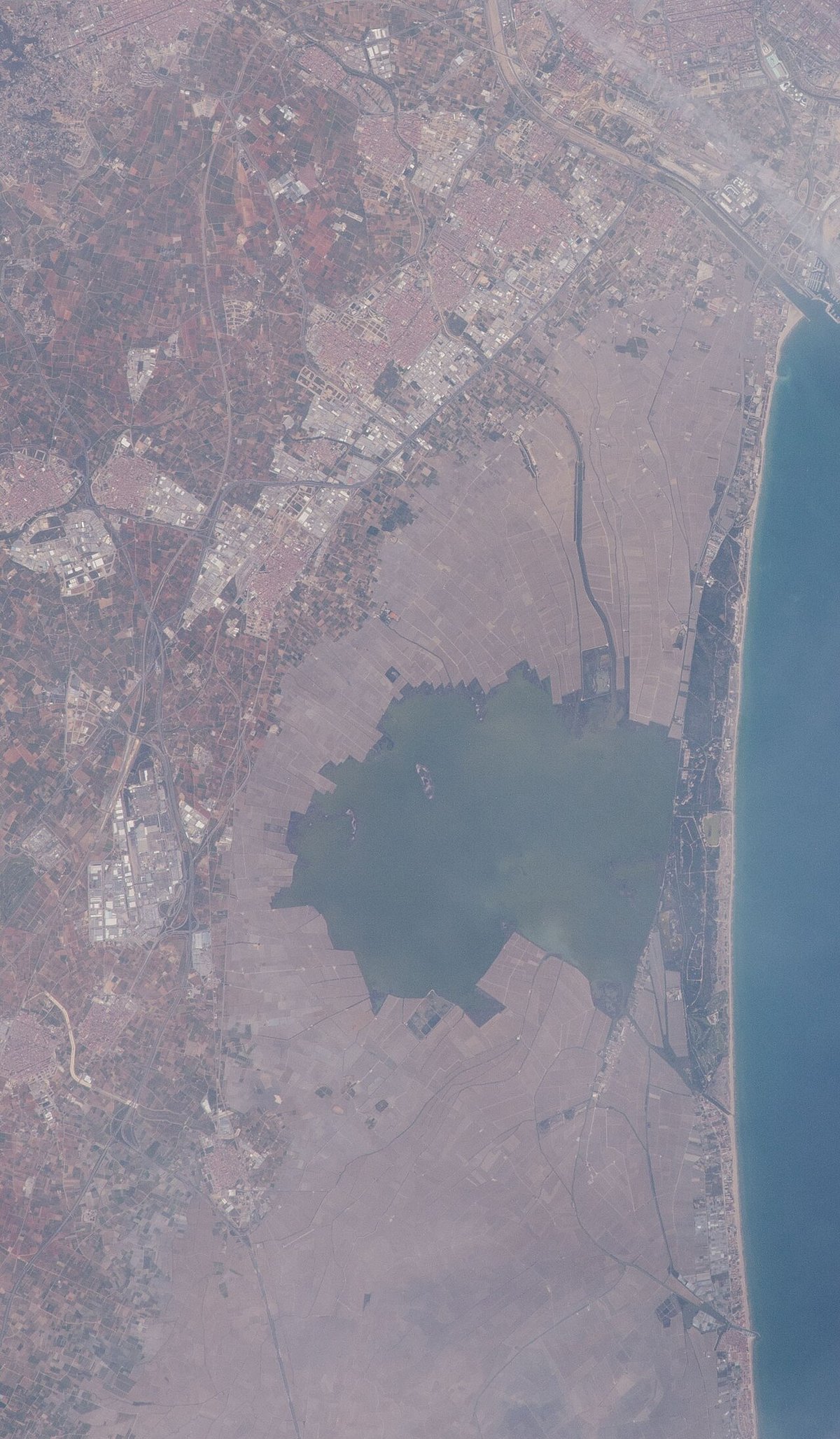
The train from Valencia pulls into Silla station at precisely 12 minutes past the hour. Through the window, the skyline changes dramatically from grey apartment blocks to a flat expanse of rice paddies stretching toward the horizon. This is where Spain's third-largest city ends and the Albufera Natural Park begins, though you wouldn't know it from the platform.
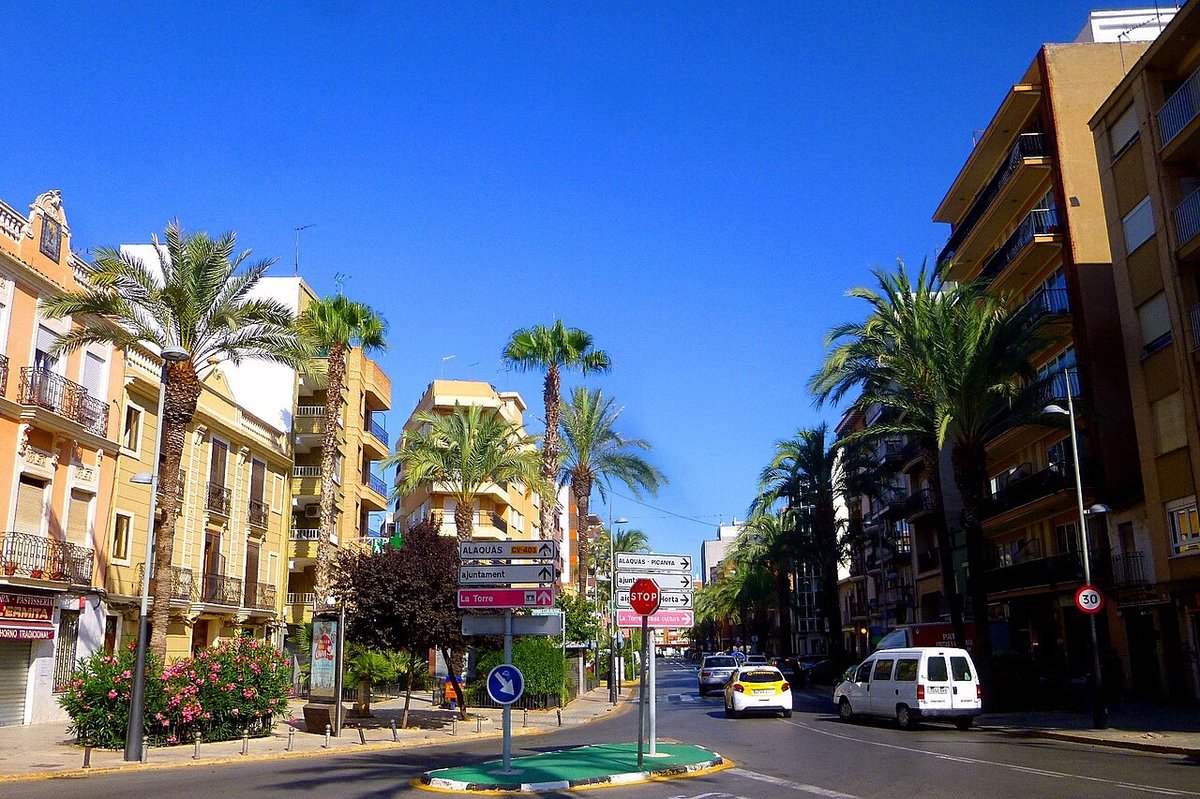
Silla sits barely three metres above sea level, spread across the fertile floodplain that feeds Valencia's obsession with rice. The village's name, derived from Arabic, means 'plain'—a geographical understatement that becomes apparent the moment you step outside. There's nowhere to hide from the sun here, nor from the Levante wind that can whip across the paddies with surprising force.
The Rice That Shapes Everything
Unlike the mountain villages that dot Spain's interior, Silla's character comes from its absolute flatness. The landscape is a grid of irrigation channels, their water levels controlled by gates that farmers still operate by hand each morning. These acequias date back to Moorish times, a medieval infrastructure that remains the lifeblood of the region.
The Rice Museum, housed in a 19th-century mill, explains why this matters. Inside, dusty machinery sits beside photographs of workers ankle-deep in flooded fields. The displays won't win design awards—labels are yellowing, lighting is harsh—but they tell the story of how rice transformed this corner of Spain from marshland into agricultural engine. Entry costs €2, and the elderly caretaker will unlock the door for anyone who rings the bell, though she'll apologise for the state of the toilets.
Outside, the real museum begins. Paths lead between the paddies, their surfaces acting as mirrors during planting season. The reflection game changes throughout the day: morning brings long shadows, afternoon turns the water silver, and dusk paints everything gold. It's landscape photography on easy mode, though you'll need wellies between April and June when the fields are flooded.
A Village That Doesn't Perform for Tourists
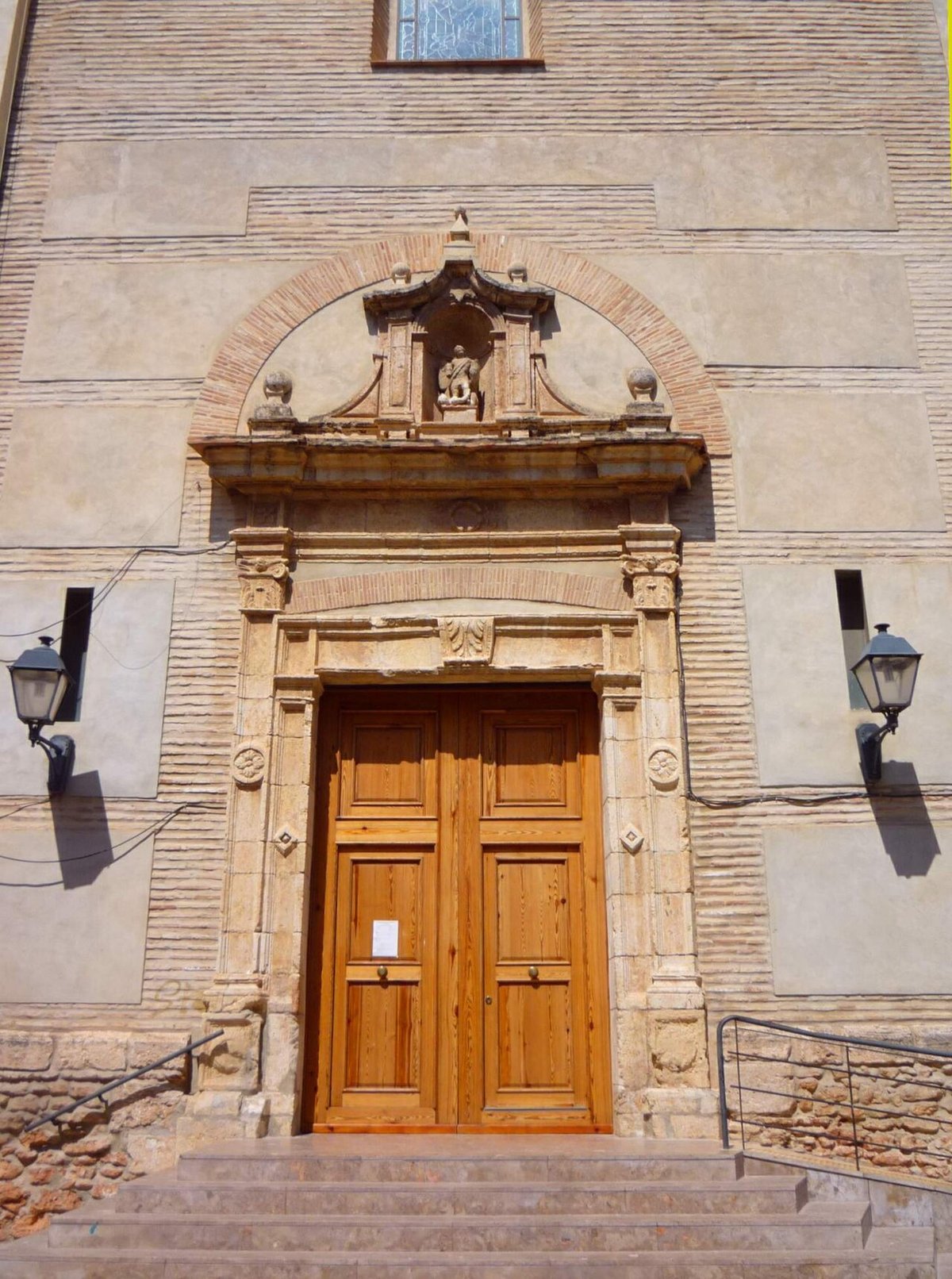
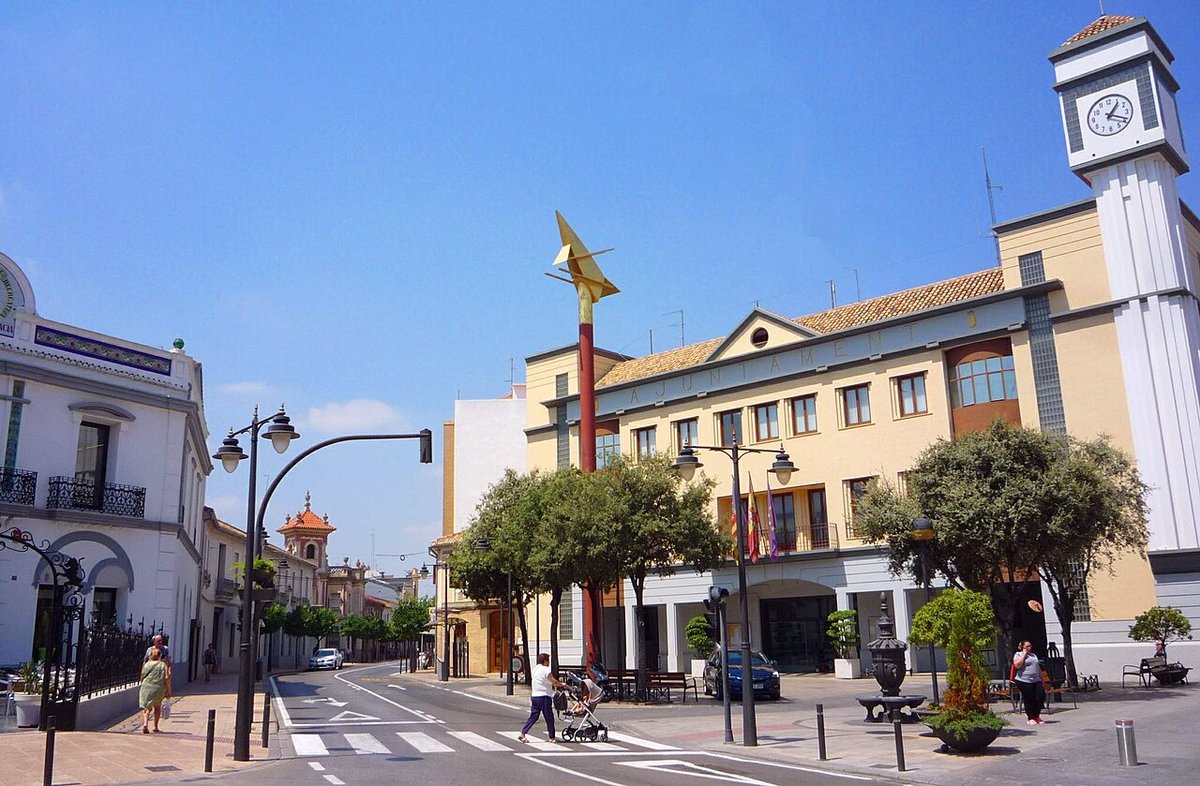
Silla's historic centre reveals itself slowly. The 17th-century Church of Our Lady of the Angels dominates the main square, its tower visible from anywhere in the village. Inside, the baroque altar gleams with gold leaf that survived the Civil War because someone had the sense to paint it black. The church opens for mass at 8am and 7pm; visit between services and you'll likely find the doors locked.
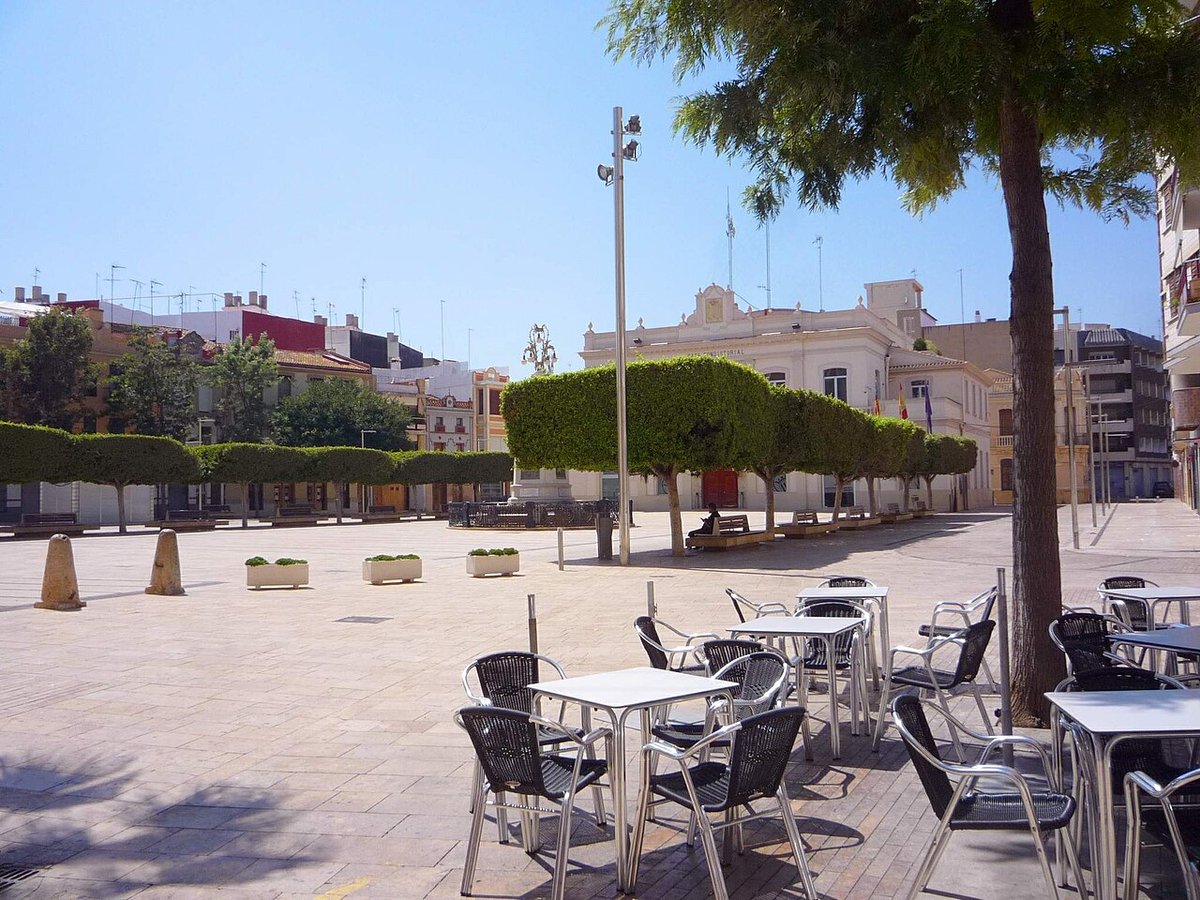
The weekly Wednesday market transforms the Plaza Mayor into a chaos of plastic tarps and shouted prices. This isn't a curated farmers' market—expect €1 socks alongside pesticide-free lemons, and vendors who'll switch to Valencian when they realise you're foreign. It's the cheapest place to stock up for picnics: local tomatoes that actually taste of something, and olives that cost a third of city prices.
Food here follows agricultural rhythms. Restaurant L'Establim serves paella at lunchtime only, the rice arriving in the traditional wide pan with the socarrat caramelised to perfection. They'll do a bone-free version for children, a consideration that suggests they've dealt with fussy northern Europeans before. Arrive after 2pm and you'll queue with locals; come at 1:30 and the dining room is half empty.
Flatlands and Birdwatching
The Parque de la Murta offers the only relief from Silla's horizontal landscape. This riverside green space, known locally as 'the lungs of Silla', provides welcome shade during summer months when temperatures can hit 40°C. The park follows the riverbank for several kilometres, a corridor of poplars and eucalyptus that breaks the wind and traps moisture.
Cyclists use the park as a gateway to the Albufera proper. The terrain is pancake-flat—no granny gear required—though you'll share the path with the occasional tractor heading to fields. Bring binoculars: the rice paddies attract migrating birds in spring and autumn, with herons standing motionless in the shallow water and the distinctive silhouette of hoopoes darting between channels.
Winter transforms the landscape entirely. Between November and February, the fields lie fallow and brown, the water drained away. Morning mutes everything with fog that can linger until noon, and the Levante wind carries a damp chill that catches visitors off guard. It's atmospheric but bleak, and most restaurants reduce their hours to weekend-only service.
Getting It Right
The train journey from Valencia takes 18 minutes on the C-1 line, running twice hourly on weekdays. Buy a Bonometro T-3 card at any metro station—€8.40 for ten trips works out cheaper than individual tickets. The station sits fifteen minutes' walk from the village centre; there's no taxi rank, so download the Radio-Taxi Silla number before you arrive.
Timing matters. Summer afternoons are brutal—the flat terrain offers no escape from the sun, and mosquitoes breed in the irrigation channels. Visit between 10am and 1pm, or after 5pm when the light softens and bars reopen. Sunday brings ghost-town vibes; most businesses close and you'll struggle to find lunch.
Silla won't overwhelm you with sights. It's a working village where agriculture still dictates daily life, where old men gather in bars to argue about water rights, and where the local delicacy is simply rice done properly. Come for half a day, walk the paddy fields, eat where the farmers eat, and catch the train back before evening closes everything down. It's not spectacular, but it's honest—and in a region increasingly shaped by tourism, that honesty feels refreshing.