Full Article
about Xirivella
Metropolitan-area town known for its clown festival and peri-urban vegetable gardens.
Ocultar artículo Leer artículo completo
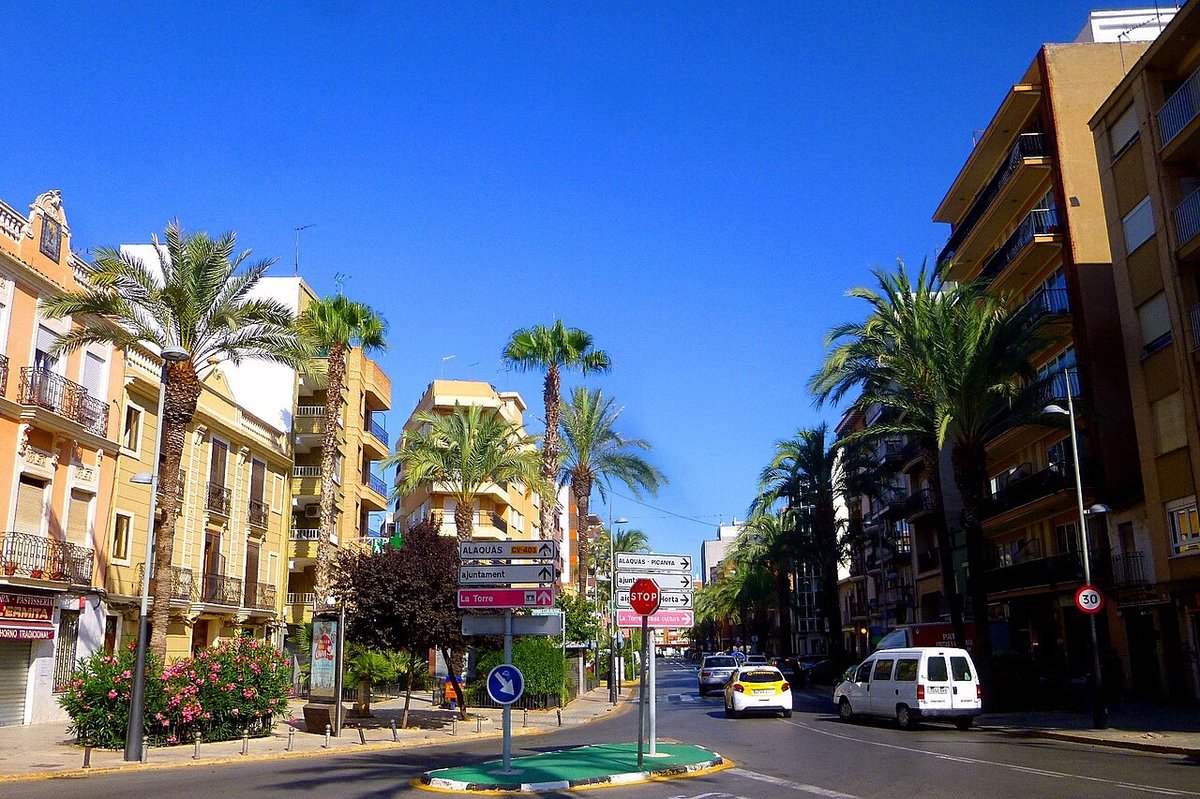
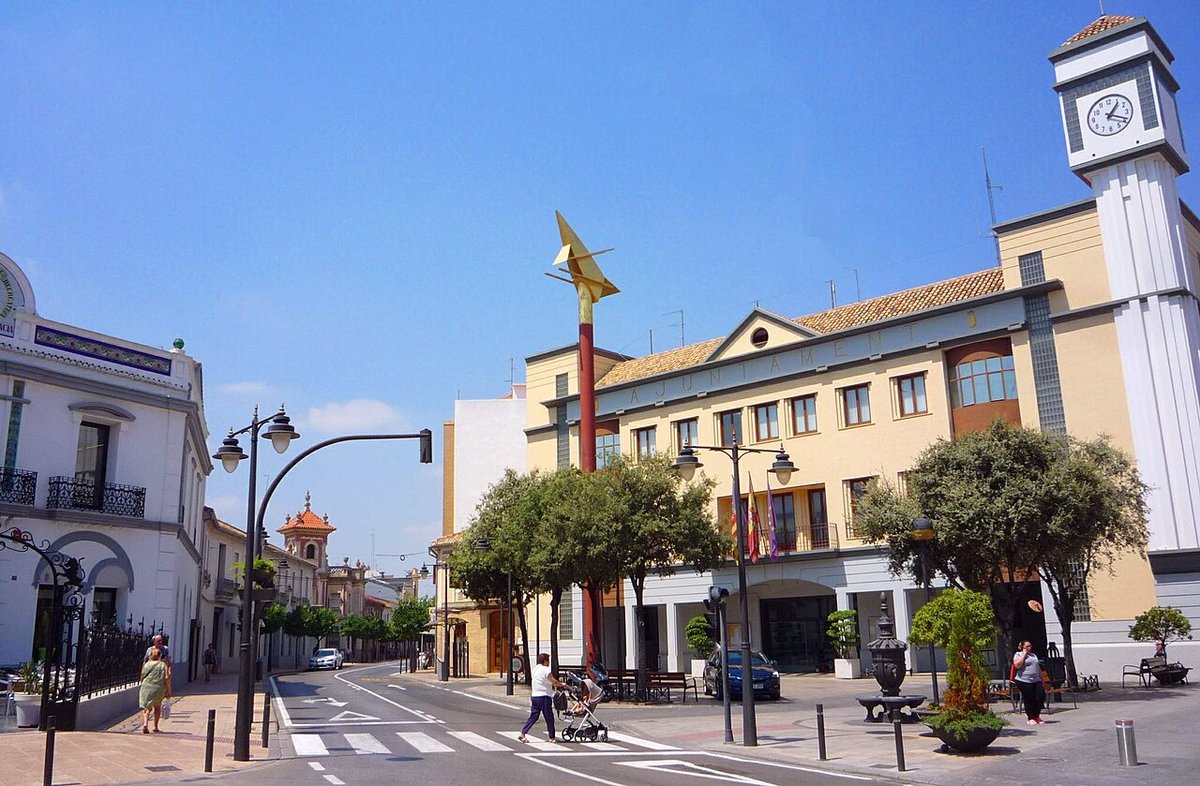
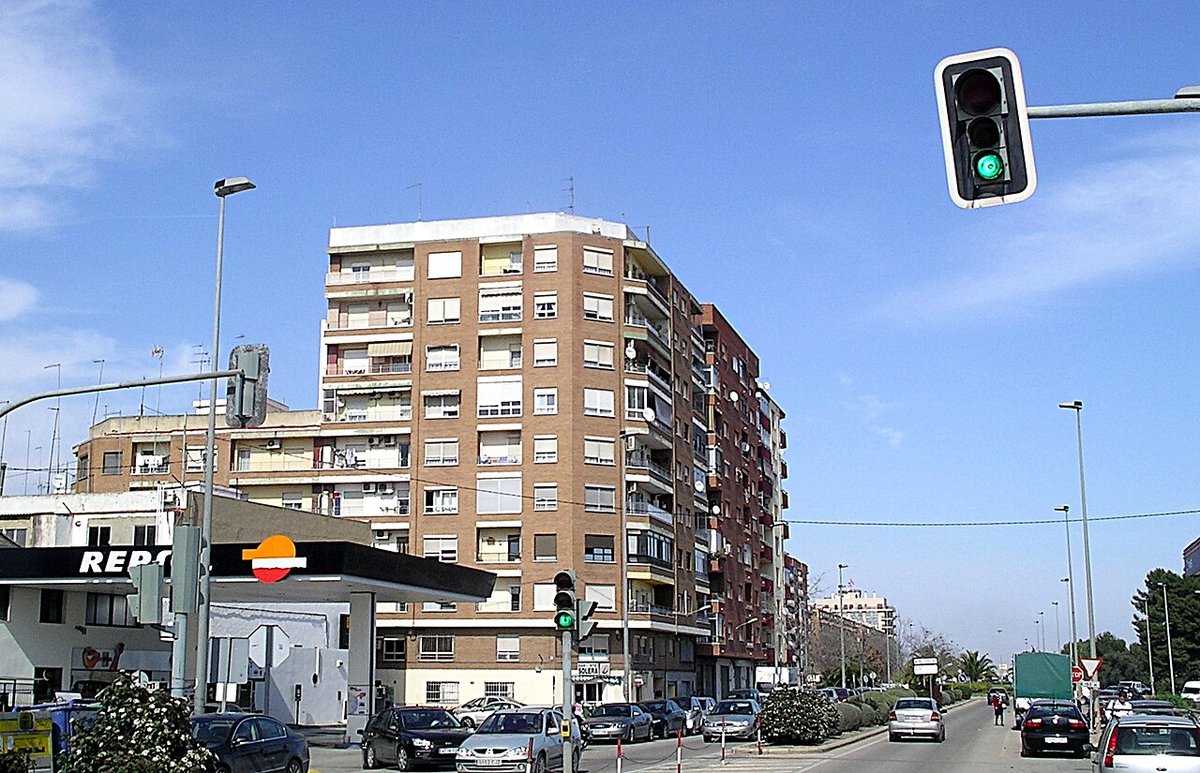
The morning tram from Valencia drops passengers at Xirivella's edge just as the bread vans are doing their rounds. By 9am, the smell of fresh bizcocho mingles with orange blossom from the remaining groves that stubbornly persist between apartment blocks. This is no postcard village, but something more interesting: a working-class municipality that's absorbed the capital's overspill yet refuses to surrender its Huerta identity.
At barely 17 metres above sea level, Xirivella sits flat as a paella pan in the Horta Sud region. The altitude means winters stay mild—rarely below 8°C—while summers hit the mid-thirties with that particular Valencian humidity that makes shirt fabric cling. Spring brings the azahar blossom period, when walking the agricultural paths between citrus orchards becomes an olfactory experience rather than just exercise.
The Church and the Concrete
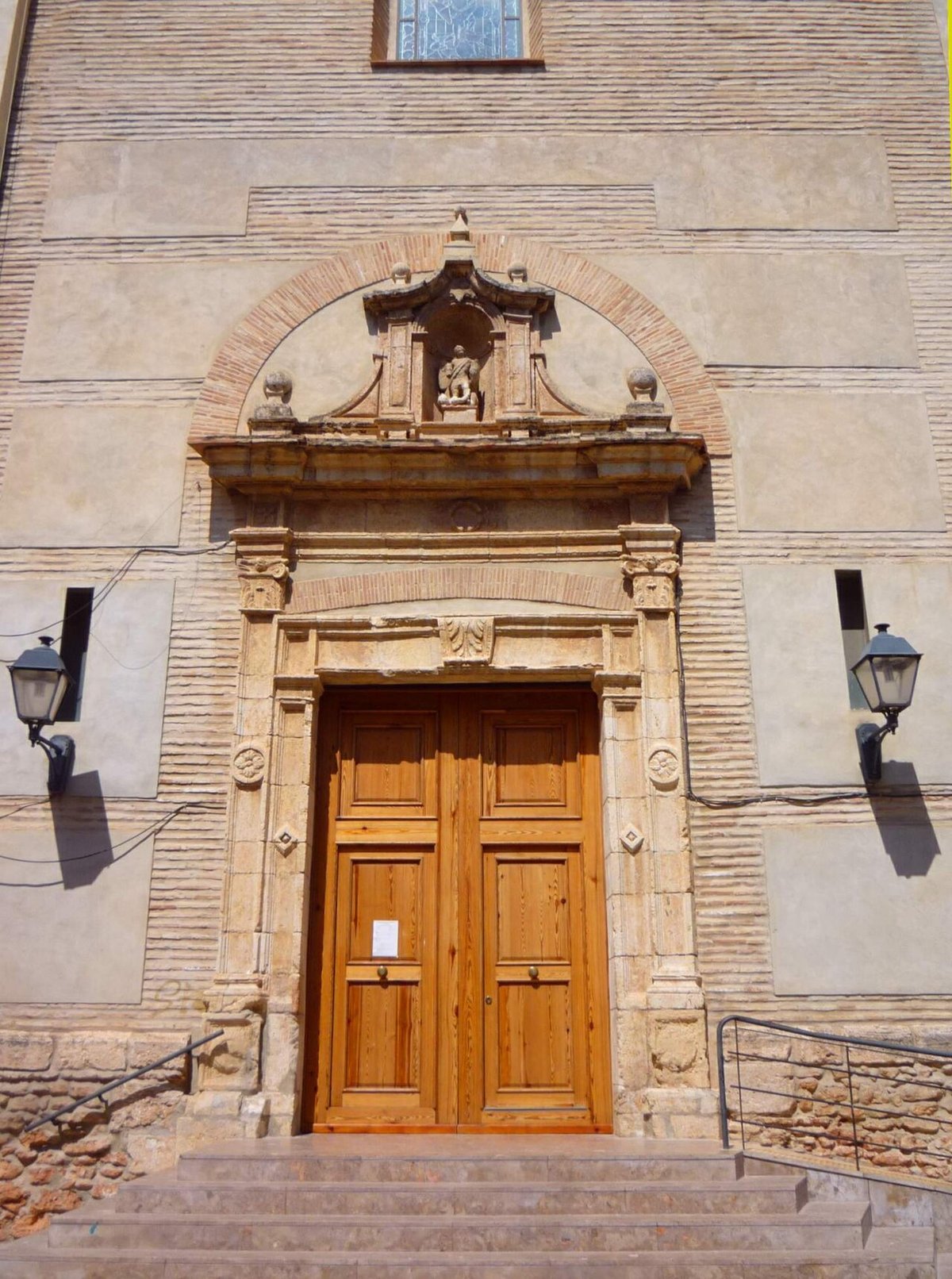
The Iglesia de la Purísima Concepción dominates the modest skyline, its tower visible from the A-7 motorway that roars past the western edge. Built in the 18th century and modestly refurbished in the 1980s, it represents the town's architectural philosophy: functional, maintained, but not precious. Inside, the cool stone provides refuge from the afternoon heat while elderly women recite rosaries in rapid-fire Valencian.
Around the church, four streets preserve what little casco histórico remains. Traditional casas de labradores—farmer's houses—feature the characteristic ground-floor arches once used for storing oranges before transport to Valencia's port. Many have been converted into ground-floor flats with awkward mezzanines, creating rental properties for students attending the nearby polytechnic campus. The iron balconies sag under potted geraniums, and ceramic tiles depicting saints or citrus motifs still decorate some facades, though several have been painted over in that municipal beige beloved of Spanish town councils.
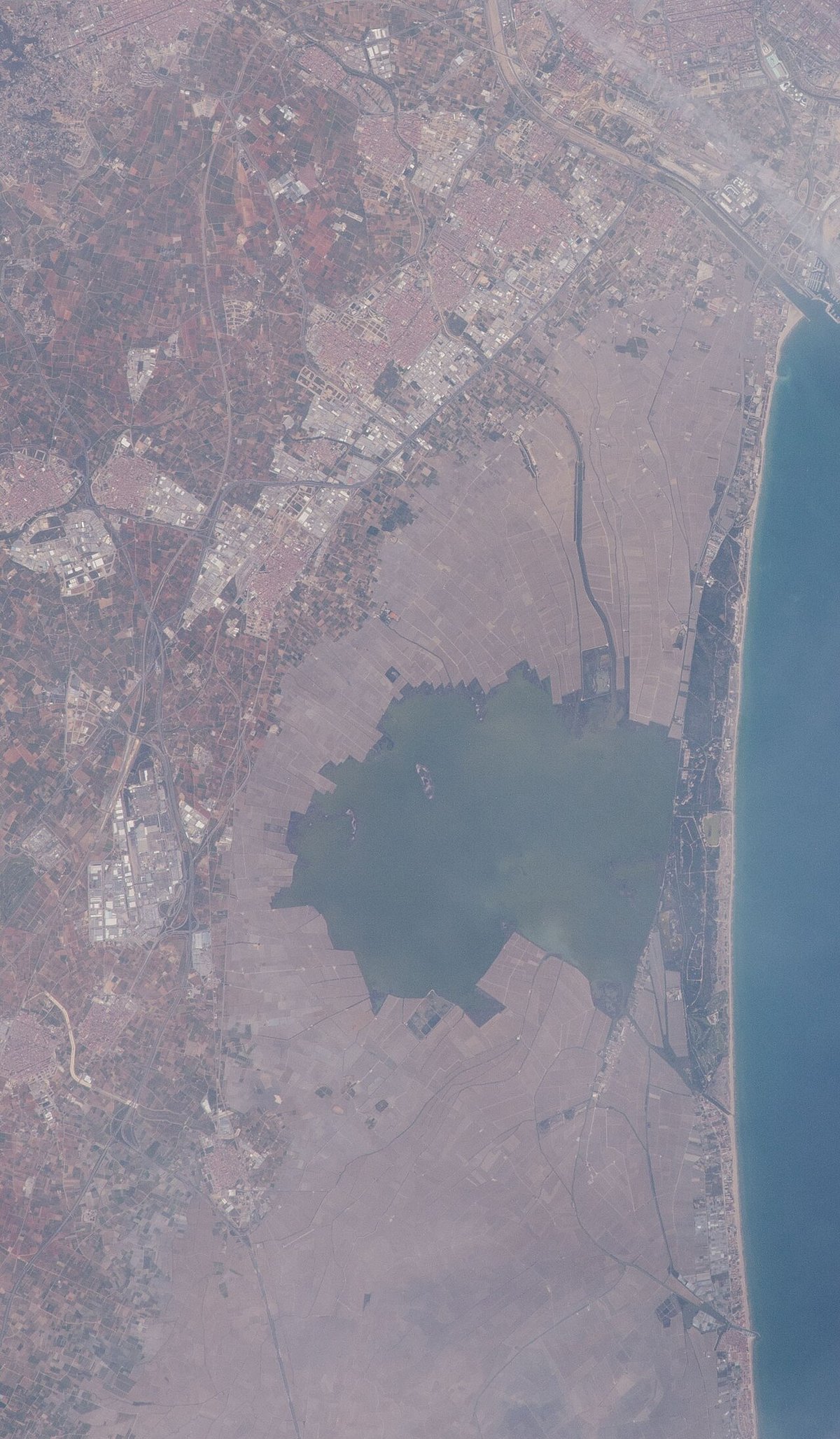
The agricultural heritage persists more successfully in the huerta proper. Follow Carrer de la Bassa eastwards for ten minutes and the apartment blocks thin out, replaced by smallholdings divided by irrigation ditches. These acequias—some dating from Moorish times—still channel water from the Turia river, though now it's mostly recycled urban wastewater rather than mountain runoff. Farmers here grow chufas for horchata, tomatoes that actually taste of something, and those tiny Valencian onions that reduce grown chefs to tears of joy.
Eating Without the Tourist Mark-Up
Xirivella's restaurants serve food for people who'll return tomorrow, not for TripAdvisor reviews. At Casa Lolita on Carrer Major, the menú del día costs €12 midweek and arrives on mismatched plates. The paella here contains rabbit and garrofó beans—no prawns or mussels in sight, because this is Wednesday lunch, not Sunday performance dining. Local workers queue at 2pm sharp; arrive at 2:30 and you'll wait outside with the delivery drivers.
For something sweeter, Pastelería Vidal has been making buñuelos since 1948. These pumpkin fritters appear around October and disappear by Easter, served hot with thick xocolate for dipping. The shop smells of lemon zest and deep-fried dough, a combination that should be bottled and sold as "Eau de València". Try explaining to British visitors that these are essentially doughnuts eaten for breakfast; they'll either recoil in horror or demand the recipe.
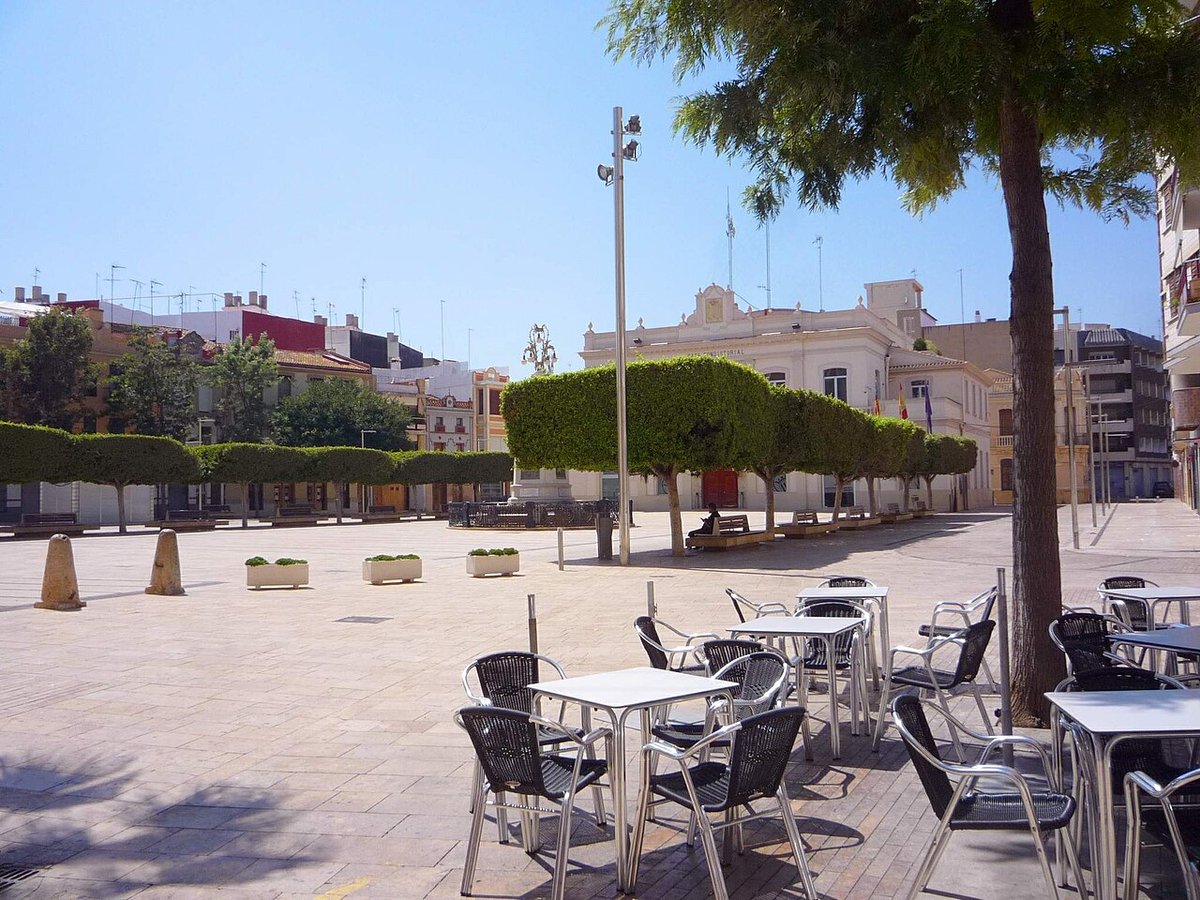
The weekly market fills Plaça de l'Església every Friday morning. Stallholders shout prices in rapid Valencian—"Tres euros el quilo, guapa!"—while pensioners prod tomatoes with the authority of people who've grown their own for decades. It's chaotic, cheap, and finishes by 2pm sharp when everyone goes home for lunch.
Festivals Without the Fireworks Budget
Xirivella's fallas celebration lacks Valencia city's million-euro monuments, but compensates with intimacy. Each neighbourhood constructs its own falla—cardboard satires that might lampoon the mayor or mock British tourists who can't pronounce "Xirivella" (it's chee-ree-VEH-ya, since you asked). The cremà on March 19th sees four simultaneous bonfires rather than 400, meaning you can actually watch them all burn without sprinting across town.
Summer brings the fiestas patronales, usually the second week of August. The programme mixes traditional and bizarre: paella competitions where neighbours guard their fire pits like military secrets, followed by foam parties that leave the plaza looking like a washing machine exploded. British visitors often find the despertà—morning wake-up call featuring brass bands and firecrackers—somewhat aggressive at 8am after too much agua de Valencia the night before.
Getting Here and Getting Out
The Metrovalencia tramline 4 connects Xirivella to the city centre in 25 minutes, terminating at Vicente Andrés Estellés station. Trams run every 15 minutes during peak times, less frequently on weekends. A single journey costs €1.50—half the price of Valencia's tourist buses and considerably more useful. Driving means navigating the A-7's perpetual roadworks; what should be 15 minutes from Valencia often becomes 45 during rush hour.
The town makes more sense as a base than a destination. Stay here, save €40-50 nightly on accommodation, and commute into Valencia for museums and beaches. The trade-off? You'll need Spanish for most interactions, and evenings are quiet—bars shut by midnight, and there's no British-style pub culture. The nearest decent beach is a 20-minute drive south to El Saler, where pine forests separate sand from road and the Mediterranean actually looks blue rather than brown.
Xirivella won't change your life, but it offers something increasingly rare: authentic suburban Spain where tourists remain novelties rather than necessities. Come for the orange groves, stay for the €2 coffees, and leave before the developers finally succeed in paving the last agricultural plots.