Full Article
about Figueroles
A municipality with a pottery tradition by the Lucena river; it keeps a rural feel with orchards and pleasant natural spots.
Hide article Read full article
A village that never chased the spotlight
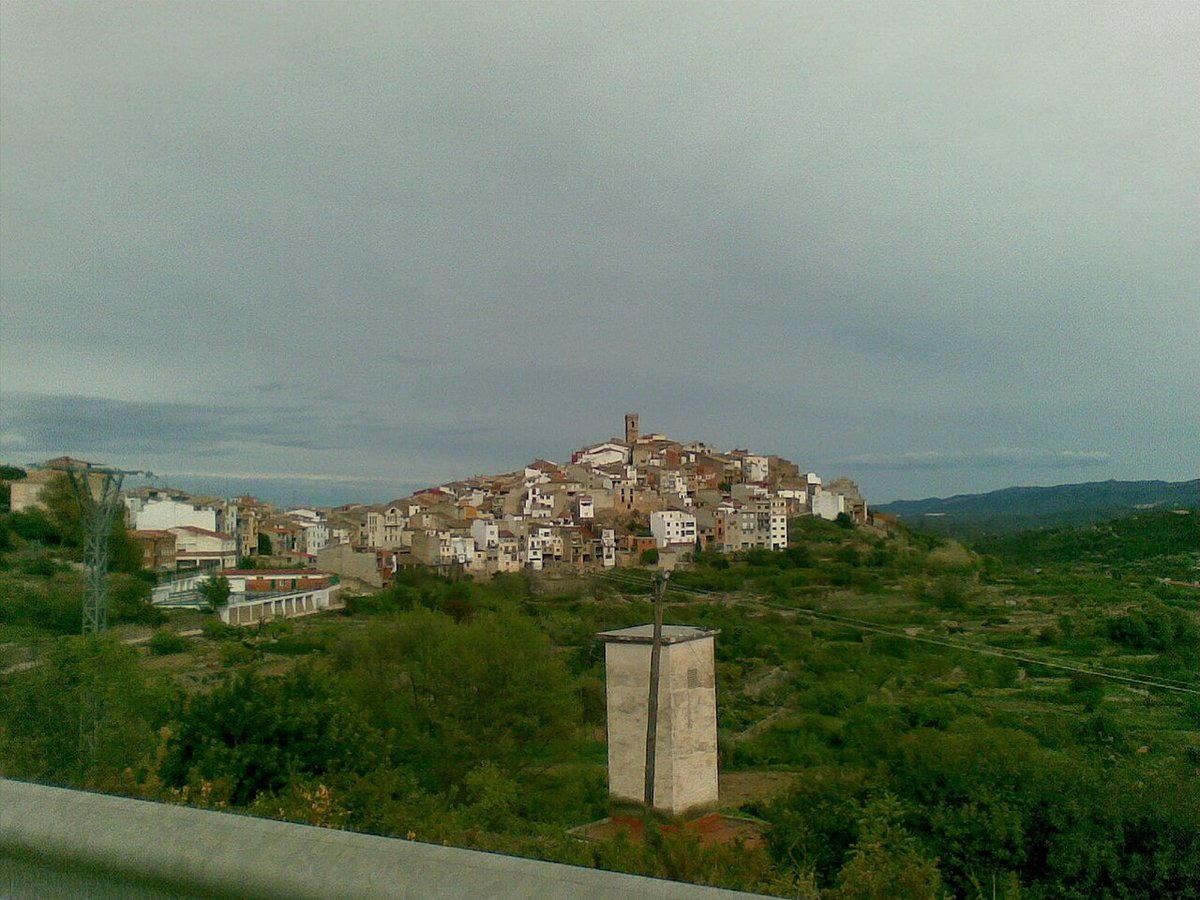
Figueroles is the kind of place that seems to have missed out when fame was handed around. While names like Morella or Albarracín come up again and again, this small village in the interior of the Comunidad Valenciana has just over 500 residents and moves at its own pace. Tourism here means something simple: arriving somewhere quiet enough to hear vultures circling above the surrounding hills, where the main square still acts as the centre of daily life.
There is no sense of urgency about Figueroles. Time stretches a little, conversations linger, and the landscape feels close. The mountains are not a distant backdrop but part of the village’s everyday rhythm.
A long road to independence
The history of Figueroles has a slow, gradual feel to it. For many years it depended on Llucena, and only over time did it begin to gain its own identity. It secured its own parish in the early 17th century, an important step for any settlement at the time. Full municipal independence came later, when the Count of Aranda authorised the village to govern itself well into the 18th century.
In the meantime, residents were shaping the village as it stands today. The Church of San Mateo dates from the 17th century, and its bell tower was added later. It rises above the rooftops and becomes visible from a distance as you approach by road, acting as a clear marker that you have arrived.
In the square, a sundial carries a curious inscription: “Escalda-sants”. The phrase can be translated roughly as “saint-scorcher”, though no one seems entirely sure where it comes from. Ask around and you will hear different explanations. That uncertainty is part of the character of places like this, where memory is shared but not always agreed upon.
Ceramics and the shape of the streets
Today, several tile factories operate within the municipality. In a village of this size, that has a noticeable impact on everyday life. Many local people have worked, or still work, in the sector.
The link to ceramics goes back a long way. Old documents refer to gypsum mines in the area, and over time that raw material became connected to the ceramic industry that developed in l’Alcalatén, particularly around l’Alcora.
A walk through the historic centre makes this connection visible. Many façades feature tiles, skirting panels or decorative ceramic details. There is no single style or pattern. Instead, each house seems to have taken its own approach, using pieces from different periods and tastes.
In the 1970s, Figueroles received a national award related to urban beautification. It is still remembered locally as a time when particular care was taken with the streets and their appearance.
Walking alongside the Lucena
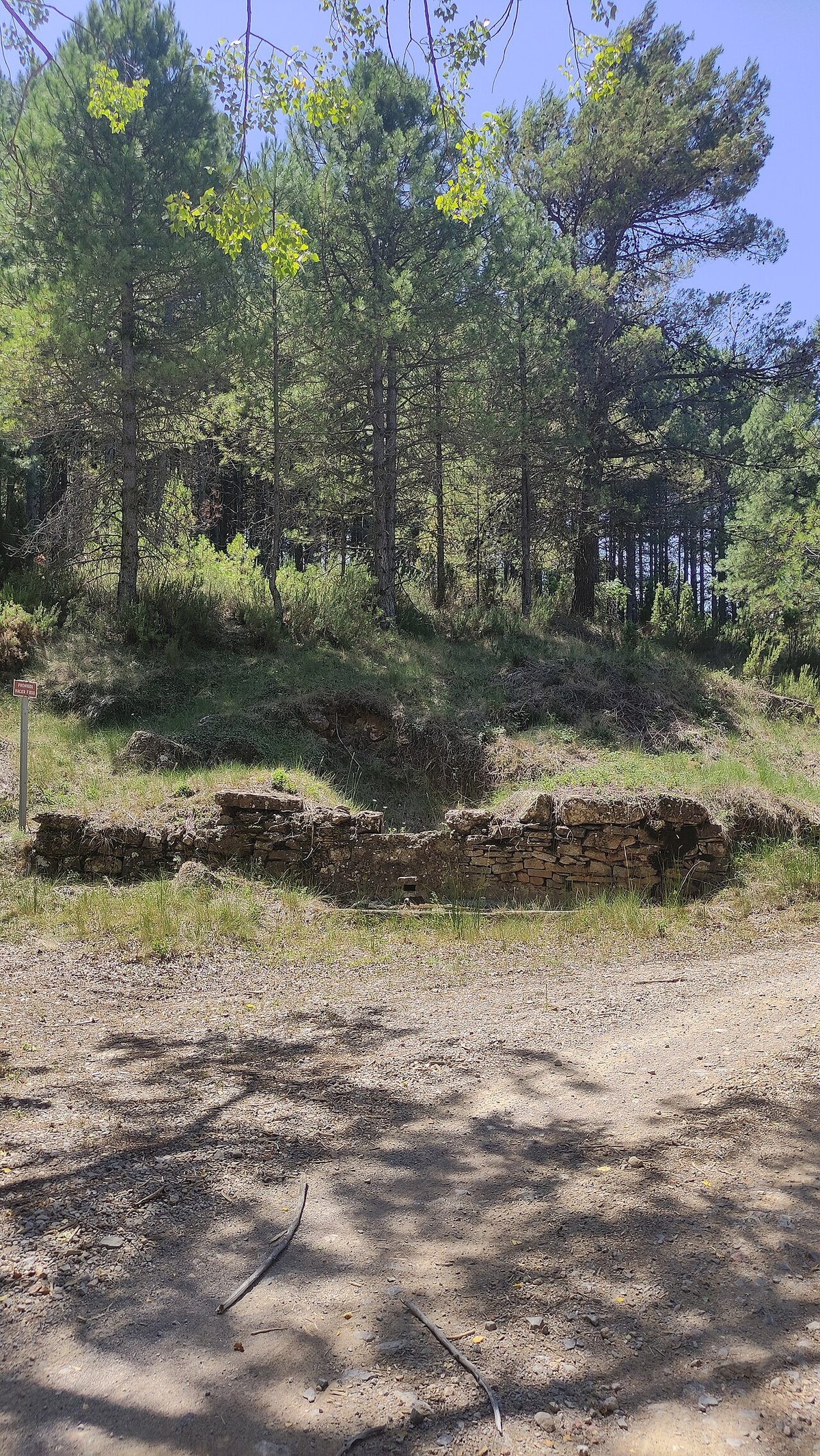
One of the easiest ways to spend time here is by following the Ruta Natural del Agua, a walking route that runs near the river Lucena. It is a gentle path, with little incline, some shaded stretches and several points where water is actually present rather than just suggested by the name.
This is not a route for pushing limits. It suits an unhurried walk, with pauses to look at the riverbed or listen to the sound of flowing water. At a relaxed pace, it can be completed in a couple of hours.
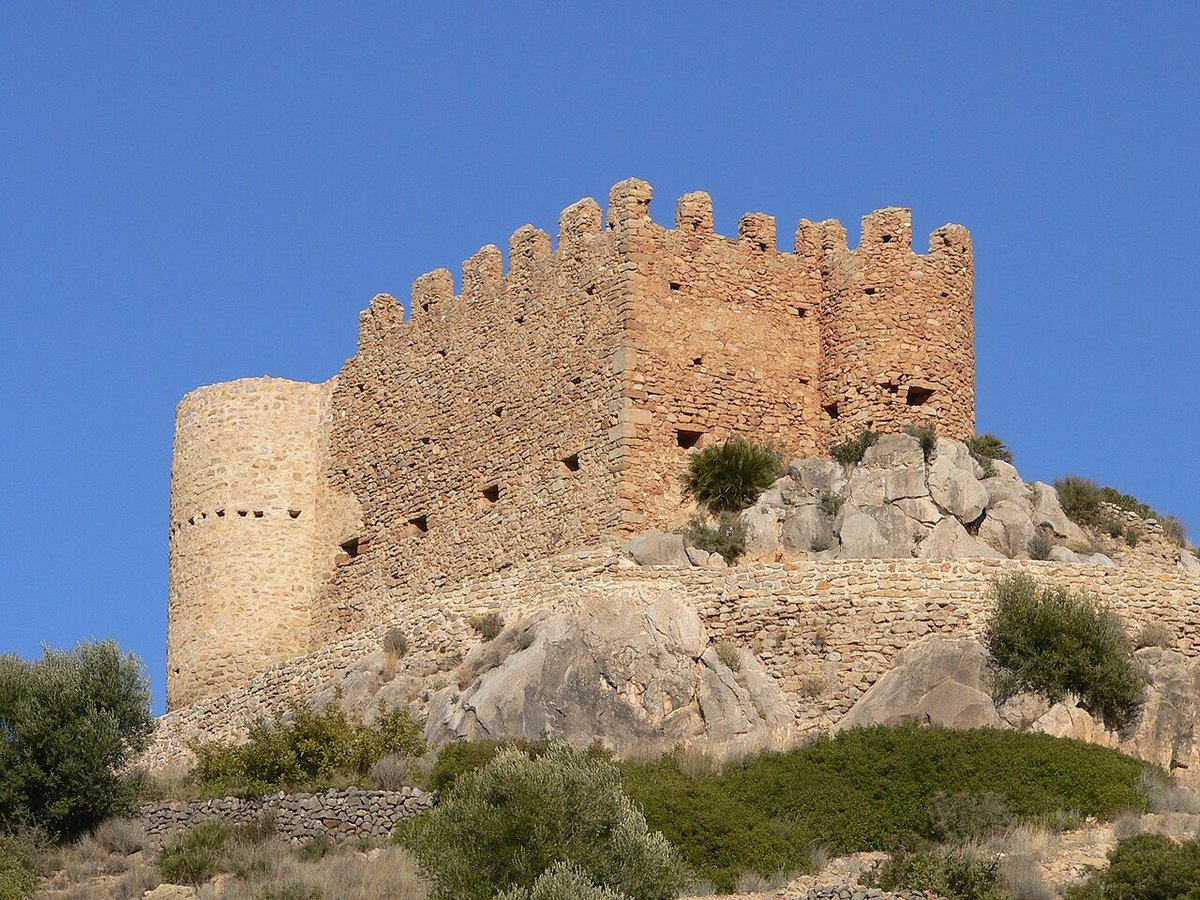
For something more demanding, there is the climb up to El Castellar. The path gradually gains height until it reaches an ancient Iberian settlement. The ascent requires a bit more effort, but the views from the top make it worthwhile. The reservoir of l’Alcora appears to one side, and above, griffon vultures are often seen riding the air currents.
Traditions where animals take part
On 17 January, the feast day of San Antonio Abad, Figueroles celebrates the blessing of animals. It is a familiar scene in inland parts of the Comunidad Valenciana: dogs, cats, the occasional horse, and residents waiting outside the church for their turn.
On the same day, the Danza del Prim is performed, a tradition passed down through generations. The name sparks curiosity, and not everyone can clearly explain its origin, but the dance continues to hold its place in the calendar.
Another long-standing celebration is the Festa del Reservat, held on the Saturday before Palm Sunday. It commemorates the arrival of the Blessed Sacrament in the village at the beginning of the 17th century and has been observed ever since with a strong sense of continuity.
Cooking that follows local logic
The food in Figueroles reflects the wider comarca, with recipes that appear again and again across the area. One of the best known is rotllets tous, light, ring-shaped sweets usually coated in sugar. Their texture can seem unusual at first, but after a couple, it starts to make sense why they have remained popular.
Hearty dishes are also common, especially those based on rice or slow cooking. Arròs amb pilotes features large meatballs that almost compete with the rice itself for attention.
Another traditional dish is carn de bou amb salseta, a recipe linked to times when everything available was used and nothing went to waste.
Taking it as it comes
Figueroles works best without a packed itinerary. A walk through the village, time by the river, perhaps the climb to El Castellar if the mood takes you. Beyond that, there is not much pressure to do more.
The appeal lies in that simplicity. It is a place where the square still matters, where stories are not always fully explained, and where the landscape and daily life sit close together.