Full Article
about l'Alcora
Capital of ceramics, known worldwide for its tile industry; it has an important museum and a natural setting perfect for walking routes near the reservoir.
Hide article Read full article
The scent of damp clay arrives before the town sign does. It’s an earthy, mineral smell that seeps from workshop doors as they roll open in the early morning, while the kilns still hold the night’s heat. In L’Alcora, this isn’t the smell of a museum. It’s the smell of work: the metallic rattle of shutters, the pale dust on the curb, the reason you’ll pass dozens of functional factories on your way into town.
From the Castle, a View of Two Landscapes
The walk up starts in the old quarter, where some streets are so narrow the walls almost meet overhead. The path becomes a dirt track that climbs steadily. Bring water; the return is several kilometres and in summer the sun falls directly on the hillside.
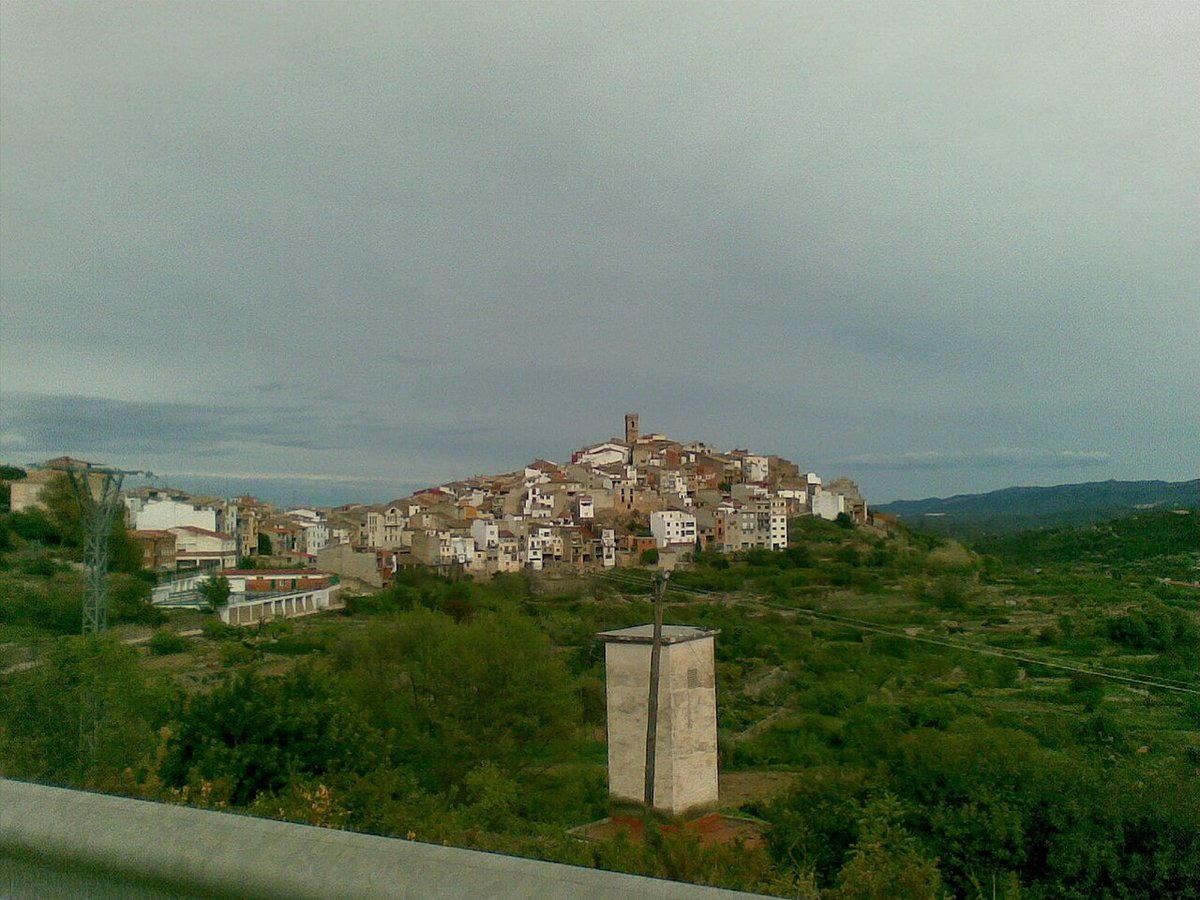
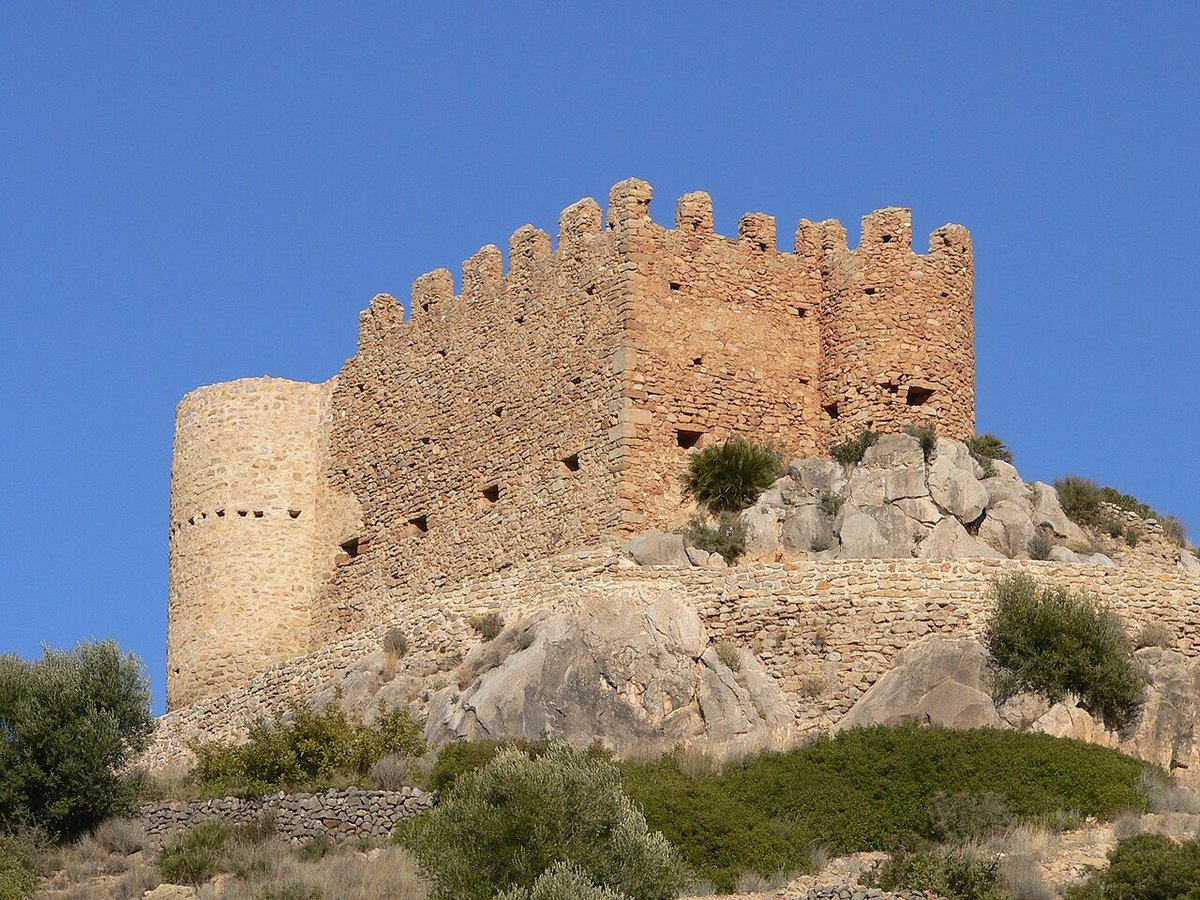
From the top, the remains of the castle of l’Alcalatén look over the plain. Two circular towers and sections of wall are left, along with a cistern that collects rainwater. The wind up here carries rosemary and thyme from shrubs growing between the stones. On very clear days, you can make out a silver strip of sea towards Benicàssim. The view explains everything: the agricultural patchwork of olive and citrus groves, the boxy white ceramics factories scattered among them, and the older town fabric bunched below. This was always a natural corridor, and the town grew in its shadow.
A Rhythm Set by Shifts
At seven in the morning, the Plaza Mayor fills with workers coming off the night shift. They move slowly, a fine, pale dust still on their hands and jackets. They order coffee and often coca de L'Alcora, a local flatbread with a thin, crisp base topped with tomato and onion. For half an hour, they sit facing the square as the light changes, watching delivery vans replace the night’s quiet.
The town’s rhythm is tied to these changes. Streets feel different before a shift starts or after one ends. That pale dust is feldspar, a key material in ceramics, and it’s part of the visual texture here—you’ll see it on windowsills, mixed with soil in flower beds, swept into little piles at workshop doors.
The Kiln That Still Feels Warm
The Museo de la Cerámica is housed in part of the old Real Fábrica. Inside, one of the original 18th-century kilns remains. Stepping into its brick vault is like entering an inverted cave; the air feels denser, as if it still holds warmth. The collection traces local production through tableware, tiles in deep blues and whites, and everyday objects like botijos—porous water jars you still find in some country houses.
If your visit coincides with a pottery wheel demonstration, stop for it. The moment when a finished piece is cut from the wheel with a wire makes a brief, damp snap. It’s a small sound, but it captures something essential about the work happening all around you.
When Production Moves to the Street
Several times a year, ceramics fairs take over parts of town. Workshops bring pieces outside and sometimes set up wheels on the pavement. These are rare chances to see clay being centred and shaped up close. The atmosphere shifts on these days; crowds grow, movement intensifies, and the smell of kiln heat mixes with damp earth.
If you prefer the town’s everyday pace, avoid these weekends. An early morning or late afternoon on an ordinary Tuesday restores a more measured rhythm. The ceramics are still there—in tiled façades, in a stack of bisque-fired plates waiting by a loading bay—but they’re part of the backdrop again, not the main event.
A Stew for Winter Sundays
In colder months, many homes still prepare olla de la plana alcoraense on Sundays. It’s a stew of white beans, cardoon, turnip, and pork. Every household has its version—some add a ham bone for depth, others keep it lighter. The texture of the cardoon, tender but with a slight resistance, often defines a good one. It’s a dish for short days and slow cooking.
Spring brings louder celebrations. During Moros y Cristianos, the population swells and the atmosphere turns intense for days. For quiet, choose other dates. A calmer alternative is Easter Monday’s Festa del Rotllo, a children’s pilgrimage where they carry small coiled breads tied with coloured ribbons through town.
A signposted route on the outskirts passes several working factories. You can walk or cycle it easily. In mid-afternoon, as shifts change, workers emerge wearing jackets dusted with that same pale powder. It has settled on this landscape for generations.
In L’Alcora, clay isn’t something you only see behind glass. You breathe it in when you arrive, you hear it in the roll of a warehouse door, and you feel its schedule setting the tempo for the streets