Full Article
about Chodos/Xodos
High-mountain village at the foot of Penyagolosa peak; ideal base for hikers and lovers of Mediterranean alpine nature.
Hide article Read full article
A village that sits above the plain
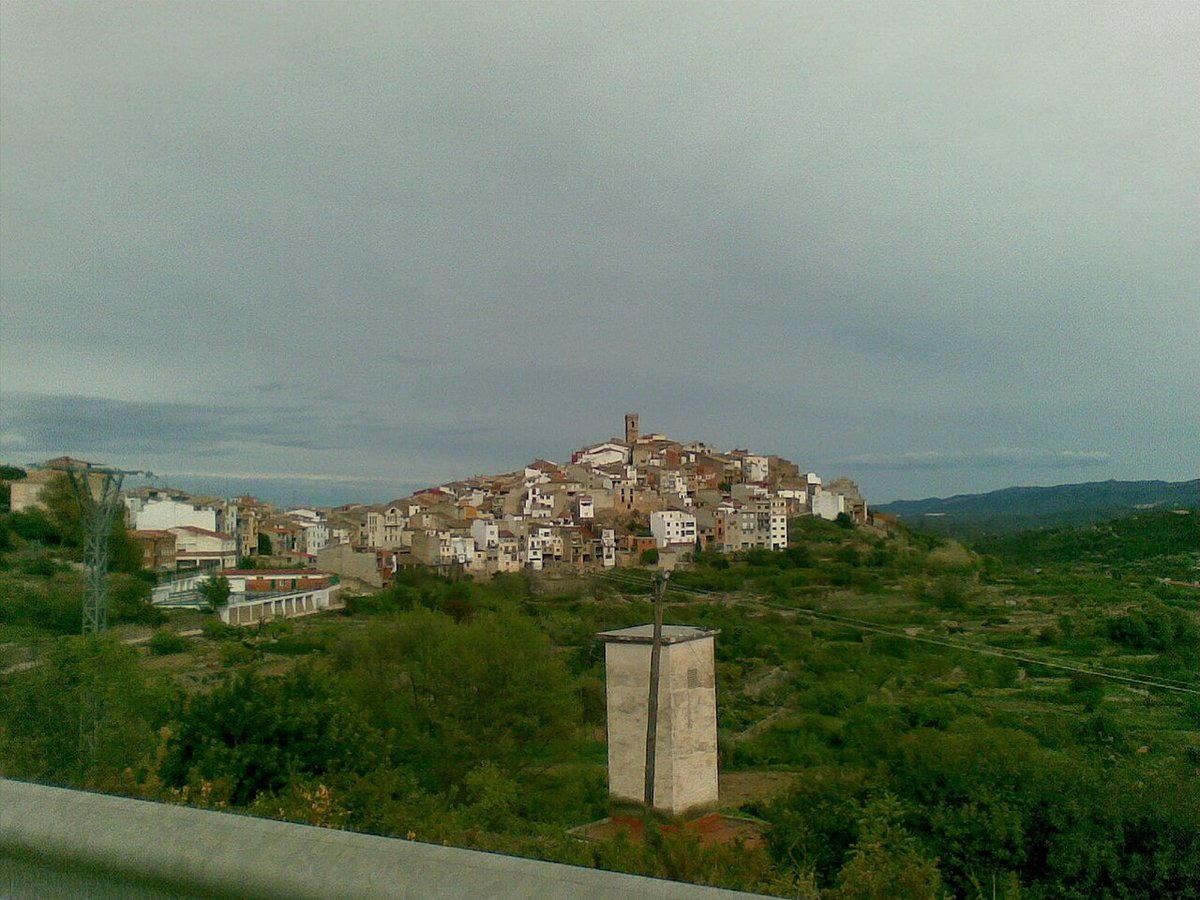
Some villages seem placed high up simply to check whether you really meant to come. Xodos is one of them. The road climbs in tight bends, the flatlands of Castellón fall away behind you, and just when you begin to wonder if you have taken the wrong turning, the village appears, clinging to the mountainside.
It is small. It is quiet. Life here moves at its own pace.
Xodos lies in the comarca of l'Alcalatén, more than a thousand metres above sea level. There are no broad avenues for an easy stroll. Streets tilt upwards, stone is everywhere underfoot, and walking often means watching each step.
A living mountain settlement
Around a hundred people live in Xodos. That number shapes the atmosphere straight away. This is not a place redesigned for weekend visitors or polished into a backdrop. It continues to function much as it always has.
The old centre keeps the irregular layout common to many mountain villages. Narrow streets twist between houses. Steps appear without warning. Buildings were constructed with whatever materials were close at hand, mostly stone taken from the surrounding area. Many doorways are low and solid, a practical response to long winters and strong winds at this altitude.
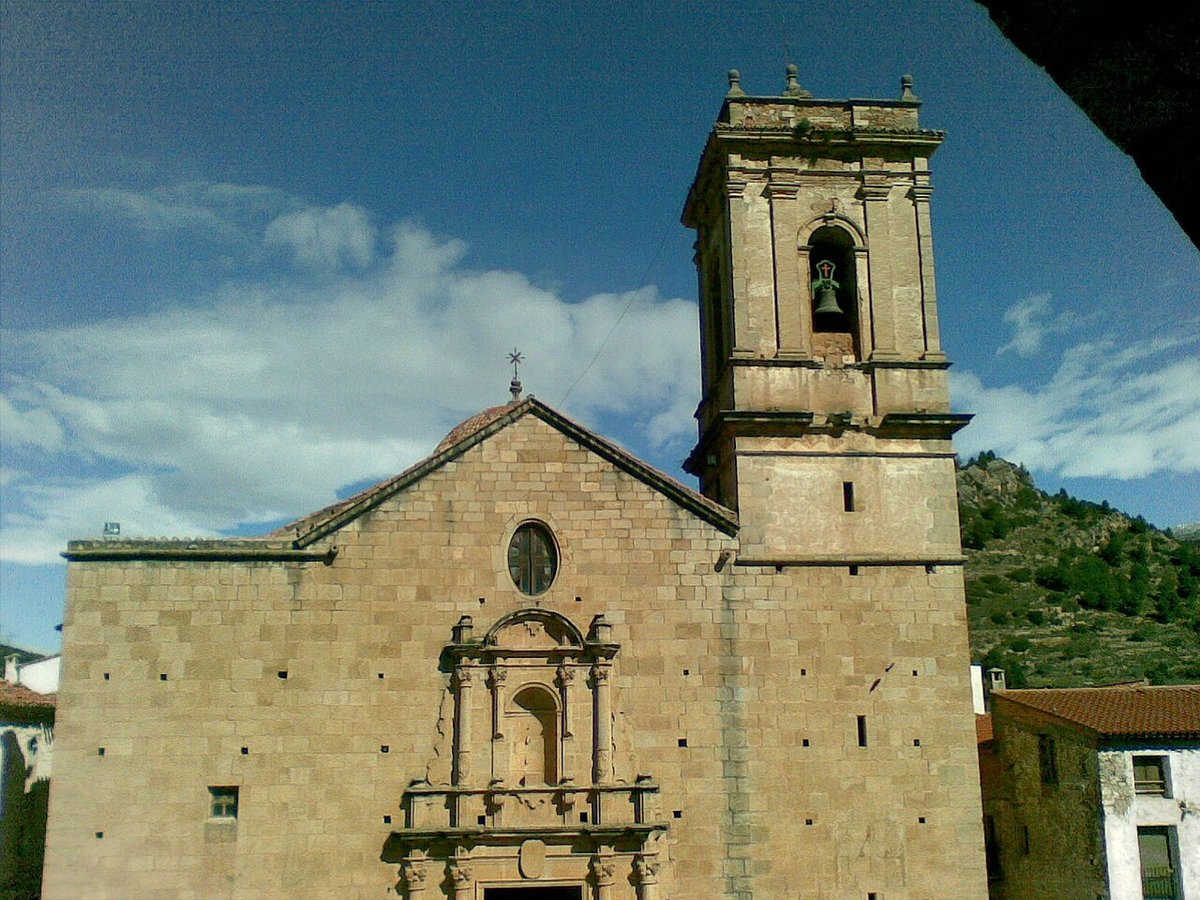
At the heart of the village stands the Iglesia de San Bartolomé. According to local tradition, it dates back to the 16th century. Its bell tower is visible from almost anywhere in Xodos. For generations it served as a point of reference for those working the terraced fields or returning with livestock.
A slow walk through the streets reveals details that speak quietly of the past. Wrought-iron balconies overlook the slopes. Former stables sit beneath family homes. Stone lintels above doorways still show carved markings left by earlier inhabitants. Nothing is presented as a display. These features simply remain where they have always been.
Beyond the village streets
The appeal of Xodos does not stop at the edge of the built-up area. Step outside the last houses and the agricultural landscape that once sustained the community becomes visible.
The hillsides are lined with old bancales, the traditional terraces carved into the slopes to create workable land. Many are no longer cultivated. Pine trees have gradually reclaimed parts of the terrain, yet the outlines of former plots remain clear. These were once used for cereals and for moving livestock across the mountain.
Footpaths run through the surrounding countryside, following routes that have existed for generations. Some were livestock trails. Others linked masías, isolated farmhouses typical of rural eastern Spain, with fields and neighbouring settlements. Along these paths it is common to come across old water reservoirs, the remains of watermills or abandoned houses that once formed part of everyday rural life.
Time stretches differently here. It is easy to realise that half an hour has passed without the sound of a single car.
Water among ravines and springs
At first glance the landscape around Xodos can seem dry. Look more closely and water appears in subtle ways. In nearby barrancos, steep ravines that channel rainwater through the hills, small springs emerge. Local residents have used these sources for generations.
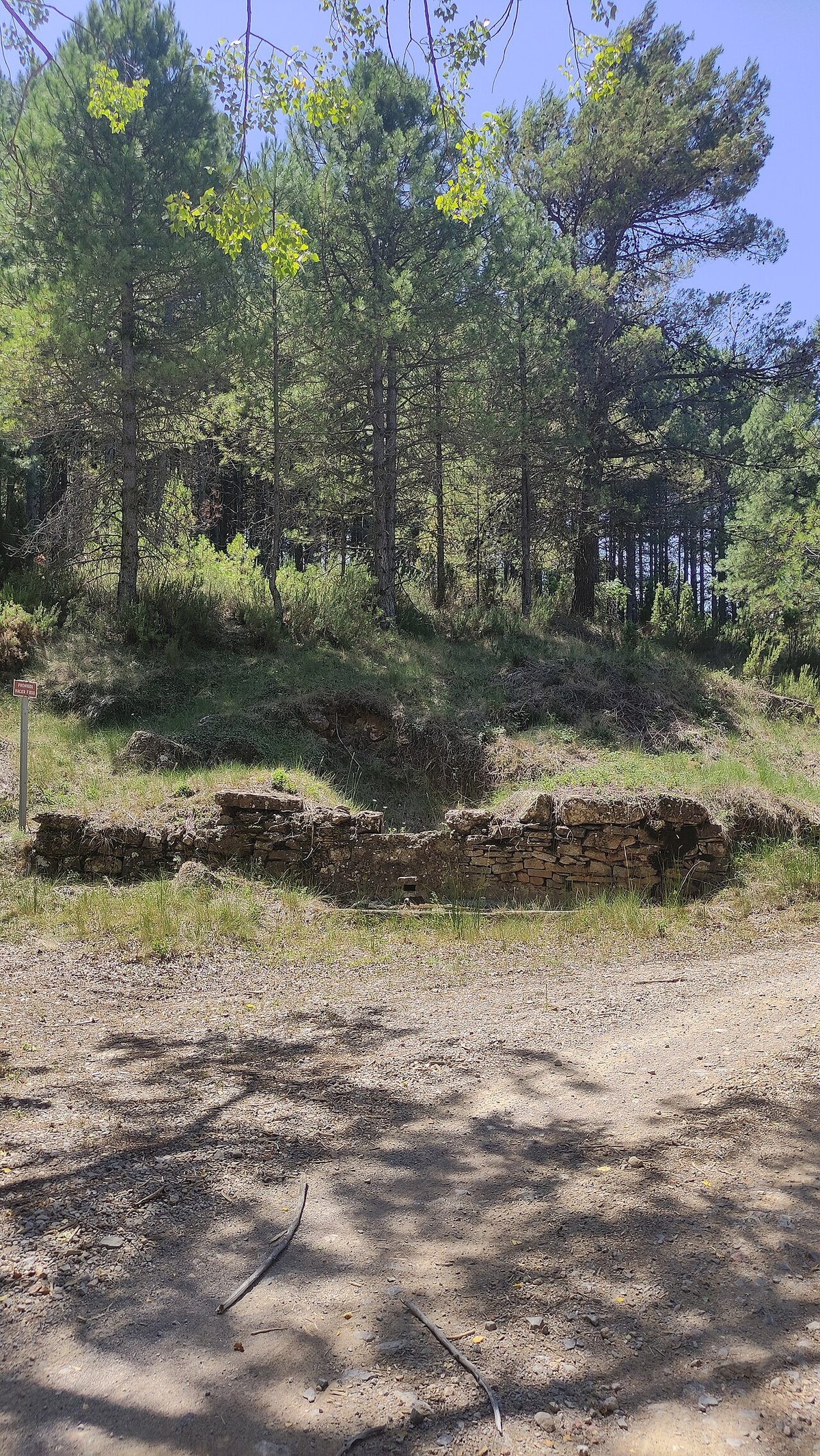
Some signposted paths lead to them. Visitors should not expect landscaped picnic areas or facilities. These are simple spouts where water flows into a trough or basin, places to pause, take a drink and continue walking.
After periods of rain, certain corners of the sierra hold small natural pools. They are modest in scale, nothing dramatic, but enough to cool off after a walk in the mountains.
In the shadow of Penyagolosa
This area is closely linked to the environment of Penyagolosa, the mountain that dominates the skyline from many vantage points near Xodos. From higher ground around the village, the peak can appear between drifting clouds or wrapped in mist, depending on the day.
The surrounding countryside combines pine forest with Mediterranean scrub. Rosemary, thyme and wild lavender grow along the paths, releasing their scent in warm weather. As evening approaches, it is not unusual to spot a fox moving at the edge of the trees or to hear wild goats on higher slopes, though they tend to keep their distance.
The landscape does not attempt to overwhelm. It reveals itself gradually. A change in light across the terraces, the outline of a distant ridge, the scent of herbs underfoot: small details accumulate for those who take their time.
Local traditions and gatherings
Xodos does not revolve around large-scale events. Social life remains tied more closely to the traditional calendar than to tourism.
The main celebration takes place around the feast of San Bartolomé, towards the end of August. During these days the village hosts religious acts and gatherings that bring together residents and those who return in summer to spend time in their family homes.
There are also romerías, traditional pilgrimages that form part of rural religious life in Spain, along with festivities connected to the agricultural cycle. These occasions are simple and community-focused. At Christmas, people gather in the Iglesia de San Bartolomé for the usual celebrations, in an atmosphere that feels close and familiar rather than ceremonial.
The road up to Xodos
Reaching Xodos means accepting that the final stretch runs along mountain roads. Expect bends, long climbs and sections where a steady pace makes sense.
From Castellón, the journey by car takes roughly an hour, depending on the route chosen. As you draw nearer, the surroundings shift. Industrial areas give way to forest. Villages become smaller and further apart.
When Xodos finally comes into view, perched on its slope, the reason for its calm becomes clear. It is not on the way to anywhere else. You travel here deliberately. That simple fact shapes the experience long before you step into its streets.