Full Article
about Alcoy
City of bridges and historic industrial capital; world-famous for its Moros y Cristianos festival.
Hide article Read full article
A city that knows exactly what it is
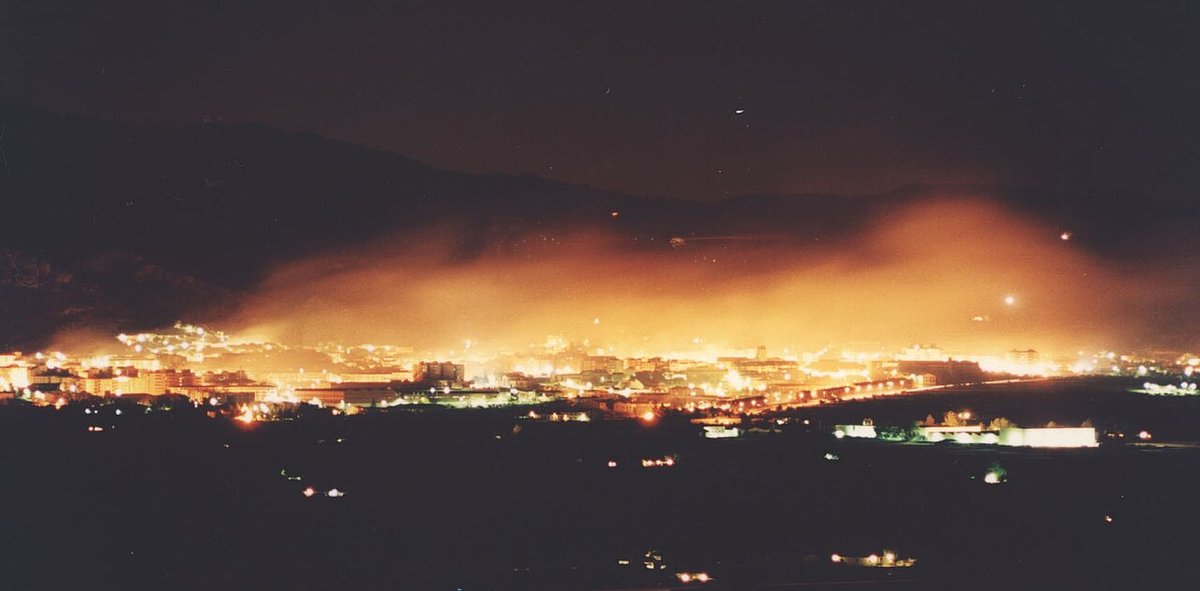
Some cities seem unsure of their own identity. Alcoy does not. Spend a little time here and the picture becomes clear: industry, mountains on all sides, and a direct way of living that shapes the streets as much as the landscape does. It can feel like a factory surrounded by houses that one day decided to preserve what it had built while it was busy working.
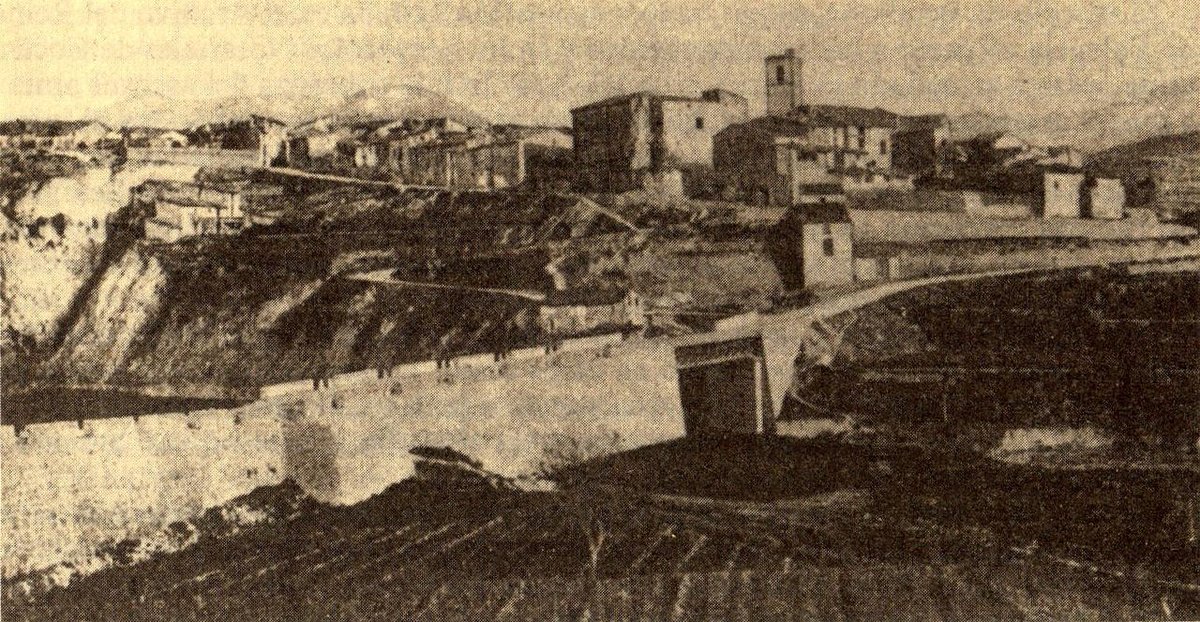
Approach along the CV‑700 and the first sight of the Canalejas viaduct sets the tone. The iron bridge looks as though it has been drawn with a ruler, precise and unapologetic. It also introduces one of Alcoy’s local fixations: bridges. There are several scattered across the city because Alcoy is cut through by ravines. Rather than spreading endlessly outwards, the city stitched one side to the other, lifting iron and stone over the gaps.
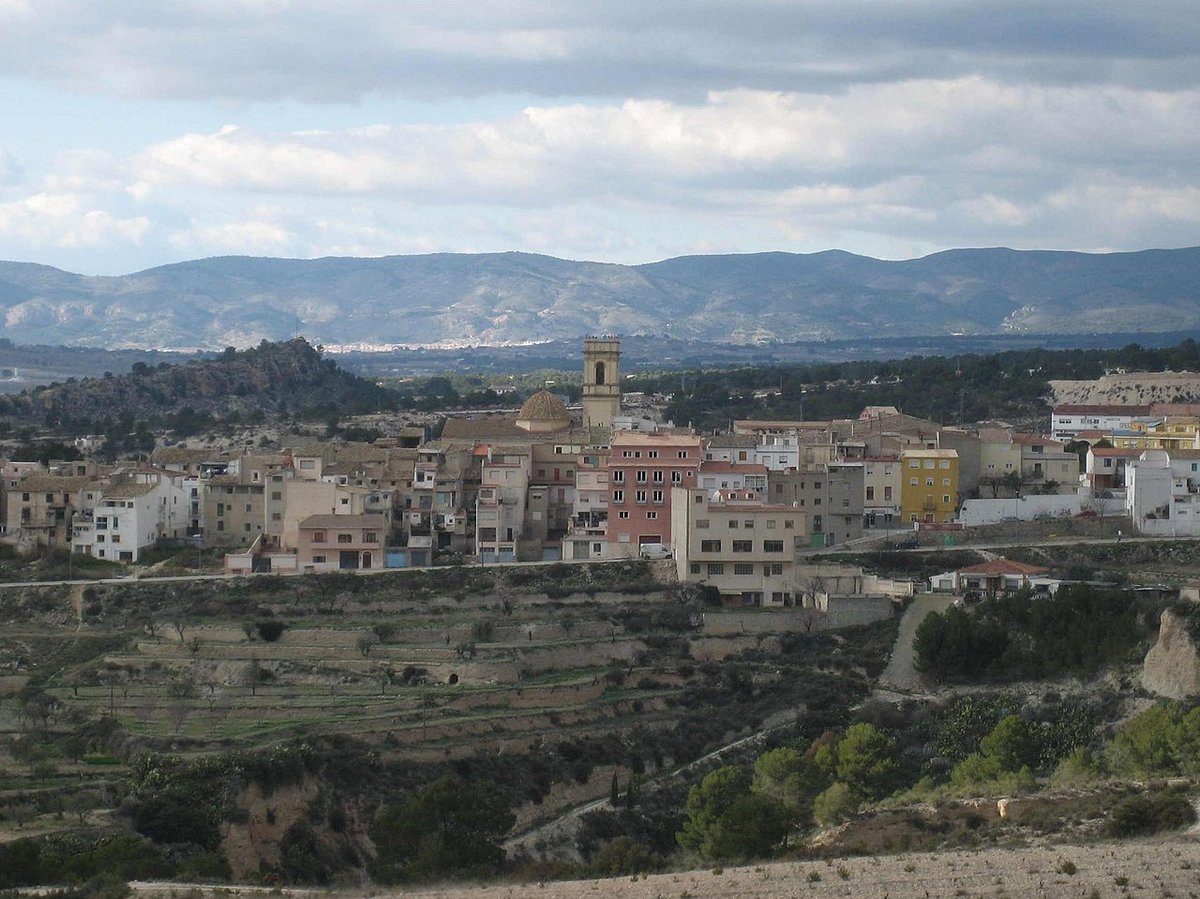
The geography explains much of its character. Houses sit tightly between mountains, neighbourhoods grew around factories, and ravines dictated where and how the city could expand. Alcoy is not laid out for spectacle. It is laid out because it had work to do.
The scent of textiles and the stone that endured
The centre forms a maze of steep streets where modernisme architecture stands alongside former textile mills. Some of those factories remain almost exactly as they were. Others have been converted into cultural or administrative buildings, adapting without erasing their past.
Casa del Pavo is one of the most striking examples of local modernisme. Ceramic details, wrought iron and the peacock that gives the building its name combine in a façade that feels almost excessive. The bird looks down at passers‑by as if fully aware that it is the star of the show.
Another landmark is the Círculo Industrial. Founded in the 19th century as a meeting point for the city’s industrial bourgeoisie, it dates from the period when Alcoy was a textile powerhouse. At that time, fabrics produced here travelled widely across Spain. Today the Círculo Industrial continues as a cultural and social institution. Step inside, if access is possible, and the halls and modernist details evoke an era when industry shaped daily life and social status alike.
Throughout the centre, the mix of decorative architecture and robust industrial buildings tells a straightforward story. Alcoy prospered through textiles, and the cityscape reflects that prosperity without trying to soften it.
When Moros y Cristianos take over
Any conversation about tourism in Alcoy eventually leads to the Moros y Cristianos festivities. Here they are not a show staged primarily for visitors. They form part of the city’s emotional calendar.
The celebrations take place each spring in honour of Sant Jordi and have been organised for generations. During those days the rhythm of Alcoy changes. Mornings echo with gunpowder, music fills the streets, and marching groups known as escuadras parade in elaborate costumes. Some of those outfits cost as much as a small car, a detail often mentioned with a mix of pride and disbelief.
What stands out is how many people take part. The person in armour or embroidered robes could be a neighbour, a colleague, someone who has been waiting all year for these three days. Participation runs deep, and that collective involvement gives the festival its intensity. For anyone arriving without much context, the simplest approach is to follow the sound of the bands and move with the crowd.
Moros y Cristianos in Alcoy are rooted in local identity. The scale, the preparation and the atmosphere make clear that this is not an added attraction but something woven into everyday life.
Grandmother’s cooking, taken seriously
Food in Alcoy reflects its inland setting and working past. The dish that perhaps sums this up best is pericana. Shredded salt cod, dried ñoras peppers and olive oil are combined in a recipe that sounds minimal. The flavour, however, is deep and persistent, the kind that lingers and encourages another bite.
Another local staple is coca de mollitas. It consists of bread dough topped with a layer of crisp crumbs. At first glance it can look almost improvised, yet once tasted with a coffee or a drink it becomes clear why it remains so common in the city’s bakeries.
When colder weather arrives, arroz al horno appears more frequently. This is not a light rice dish. Chickpeas, sausage and various meats make it substantial and suited to an inland climate. It is the sort of meal that leaves the rest of the afternoon pleasantly quiet.
These dishes do not aim for refinement. They speak of practicality, of ingredients that last, and of recipes passed along because they work.
Looking back from La Serreta
A few kilometres from the centre lies the Iberian archaeological site of La Serreta. No complete ancient city stands there today, yet enough remains to show that this area was inhabited long before factories and chimneys defined the skyline.
Nearby is the rock shelter of La Sarga, home to prehistoric cave paintings that are thousands of years old. The site offers a reminder that people have moved through these mountains for far longer than modern industry has existed.
From the higher ground around La Serreta and La Sarga, Alcoy’s layout becomes easier to grasp. Houses are wedged between mountains, ravines cut through the terrain, and bridges span the gaps that once divided neighbourhoods. The industrial quarters grew where work demanded, and the rest of the city followed.
The view from above reinforces what becomes apparent on foot: Alcoy is shaped by geography as much as by history.
A few practical notes
Drivers of large cars should come prepared with patience. The centre features steep inclines, narrow streets and steady traffic. Many visitors choose to park in more open areas and continue on foot.
Alcoy is not a city that rewards ticking off monuments from a list. It makes more sense to wander without hurry, cross one of its bridges, explore the sloping streets of the centre and spend time in Plaza de España watching daily life unfold.
This is not a postcard city. It reveals itself gradually, through its iron structures, its former factories, its festivals and its food. By the time it is time to leave, a certain curiosity tends to remain, the sense that another visit would uncover something missed the first time around.