Full Article
about Penàguila
Medieval village known for the Garden of Santos and the solar alignment of the Arco de Santa Lucía.
Hide article Read full article
A small town that appears on the way
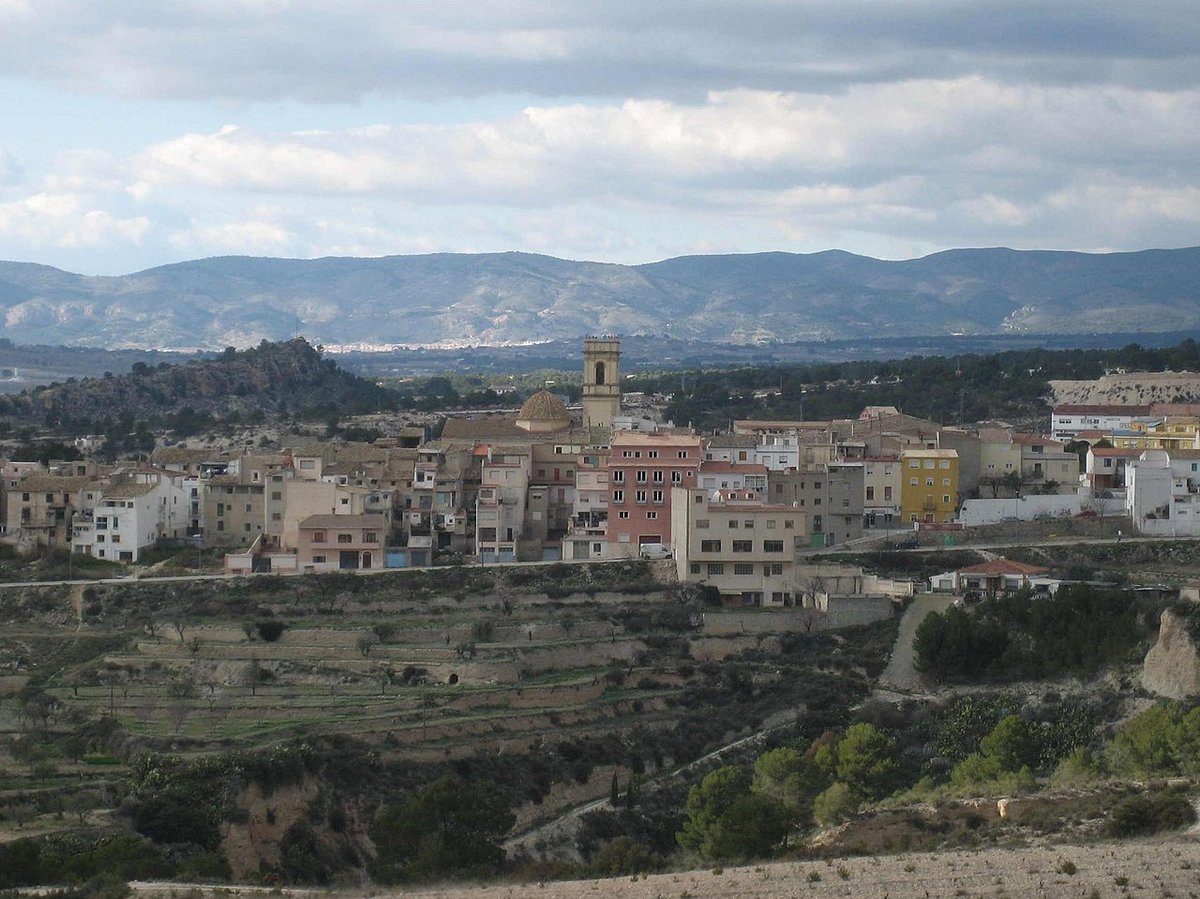
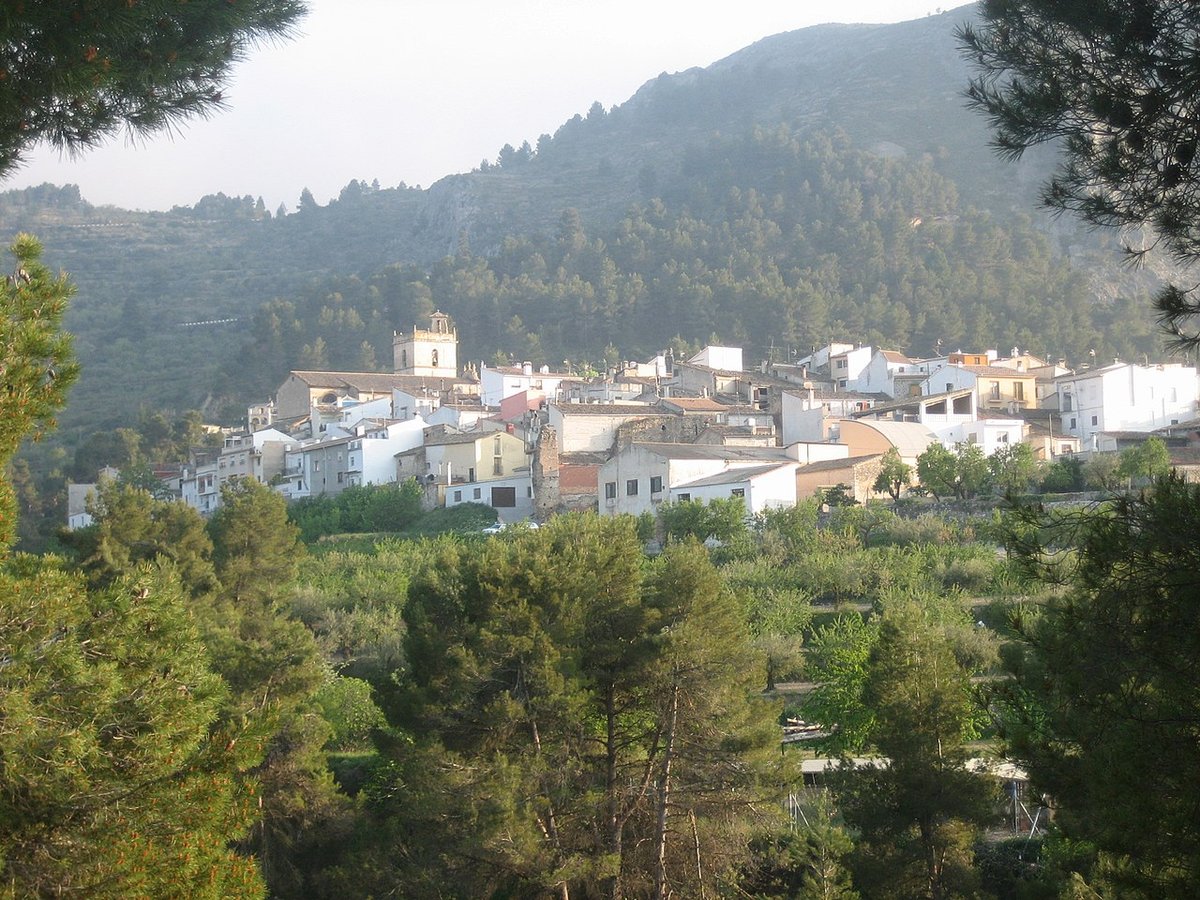
Some places are not planned stops. You reach them almost by accident, after a stretch of winding roads, low hills and terraced fields. Then suddenly, up ahead, a village sits above the landscape. Tourism in Penàguila feels like that kind of pause: a brief stop in the inland area of L’Alcoià, a very small municipality with just over 300 residents, where everything moves at its own pace.
The first thing most people notice is the quiet. It is not a dramatic, postcard version of silence, but the everyday calm of a place where cars rarely pass. Footsteps on stone, a shutter opening somewhere, and little else.
The streets rarely stay flat. They rise and fall almost constantly. Anyone arriving from a city will feel the slopes in their legs within minutes.
The old centre, always uphill
The historic centre of Penàguila does not take long to cover, yet it rewards a slower walk. The streets are narrow and slightly uneven, as often happens in towns that developed without much formal planning.
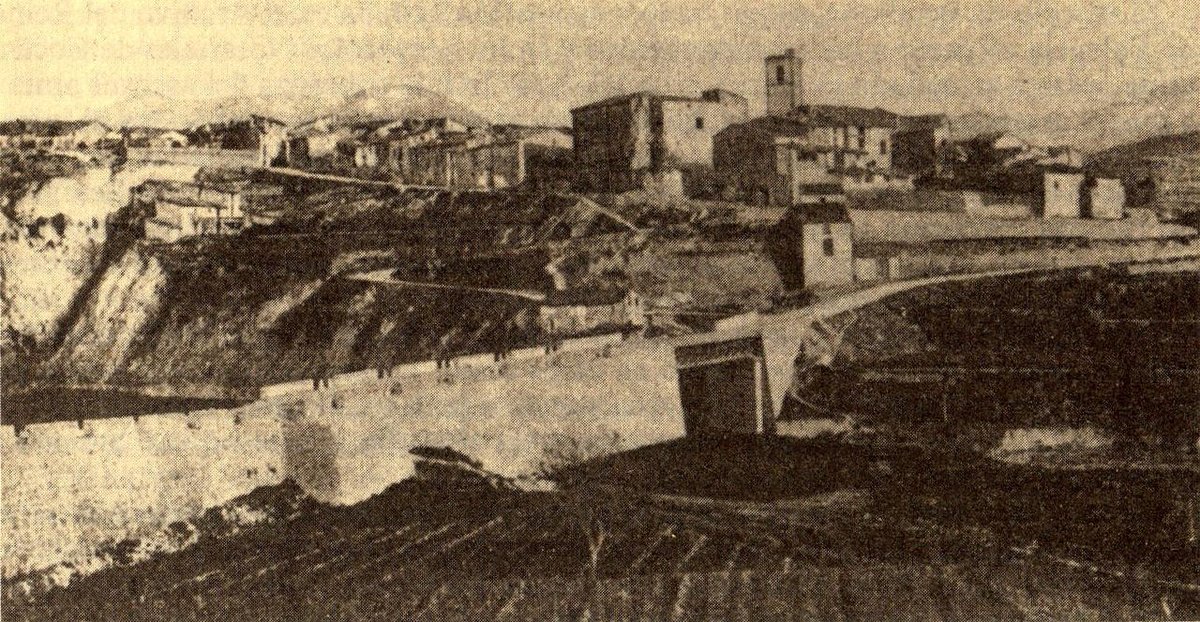
Higher up stands the church of San Miguel Arcángel. The building seen today reflects several renovations carried out over the centuries, something quite common in this part of Spain. It is not a monumental church, but it defines the outline of the village when seen from a distance.
At certain corners, the view opens out. Rolling hills, cultivated fields and, on clear days, the distant line of the sierra form the backdrop. That moment of leaning out and taking in the whole valley tends to stay with visitors.
The castle and the traces of walls
At the highest point lie the remains of the castle. This is not a restored fortress with detailed information panels. What stands today are fragments that help you picture the strategic role the place once had.
From here, the reason for the settlement becomes clear. Routes linking Alcoy, Cocentaina and other inland towns pass relatively close by. Controlling this point made sense centuries ago.
Now the views take centre stage. Fields, small orchards and the patchwork of terraced land still define much of the surrounding landscape.
The washhouse and everyday life
Lower down in the village sits the old public washhouse. Places like this often say more about daily life than any major monument.
The stone basins remain in place. For years, this was a meeting point for local people. It is easy to picture conversations, buckets of water and clothes being worked against the stone.
There are no large explanations or interpretive signs. That simplicity feels appropriate.
Walking out towards the sierra
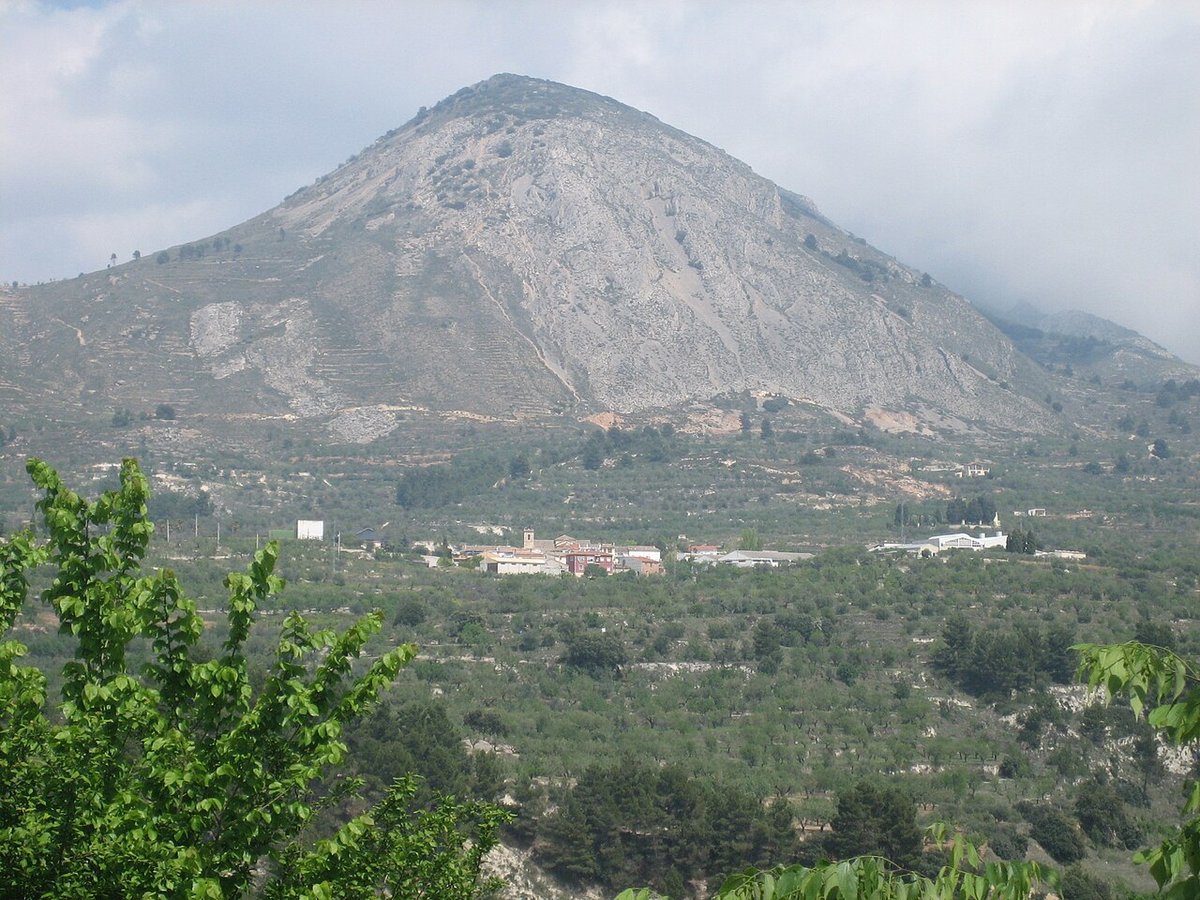
Beyond the built area, the landscape gradually shifts into Mediterranean woodland. Pines, scattered holm oaks and a wide range of aromatic plants shape the surroundings. When the sun is strong, the scent of rosemary and thyme fills the air.
Paths lead out from the village towards springs and small natural areas. Some locals mention routes towards spots such as the Font de Mariola. It is sensible to check a map before setting off, as signposting can vary.
The terrain is not especially difficult, but comfortable footwear makes a difference.
How long to spend in Penàguila
Penàguila suits a slow morning. A walk through the old centre, a climb towards the castle and a short wander in the surrounding area cover most of what there is to see.
Is it worth stopping? It makes sense, especially for anyone already travelling through inland Alicante. It is not a place to fill several days, but it works well as a short break along the way.
A couple of hours is enough to form a clear impression of the village.
When to go and how to get there
Spring and autumn are usually the most pleasant times to visit. The heat is less intense here than on the coast, though the hills feel steeper under a strong sun. Winter mornings are often clear, while wind can lower the temperature noticeably.
From Alicante, the usual route follows the A‑7 towards Alcoy, then continues along regional roads into the interior. The final kilometres include curves and narrower stretches, typical of this part of the province.
Once in the village, it is best to park when a space appears and continue on foot. In Penàguila, almost every route turns into an uphill or downhill walk. That is part of how the place reveals itself.