Full Article
about Alcublas
Mountain municipality known for its white wines and oils in a transitional setting toward the sierra.
Hide article Read full article
A Small Village in the Upper Hills
If you are planning a visit to Alcublas, the first thing to sort out is the car. The streets in the centre are narrow and sloping, typical of small inland villages that grew long before modern traffic. Most people leave the car at one of the entrances to the village and continue on foot. The historic centre is compact and can be seen at an unhurried pace in about half an hour.
In summer, especially if you arrive late in the day, there may be more activity around the main square and parking can be harder to find.
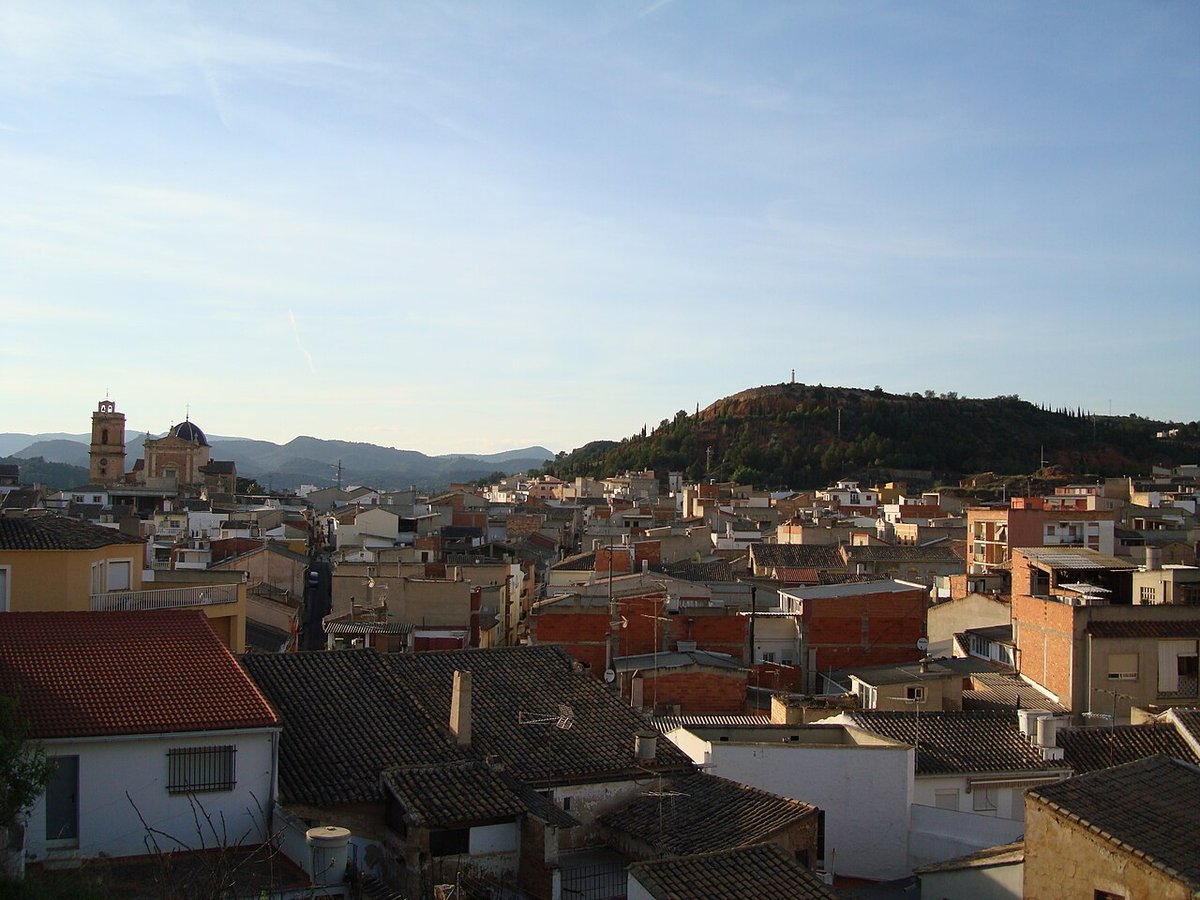
Alcublas has around seven hundred inhabitants and sits in the upper part of Los Serranos, a comarca in the interior of the province of Valencia. Winters here are cold and can feel harsh compared with the coast. Summer is generally easier to bear than in the low-lying plains nearer the city of Valencia. The surrounding landscape is marked by pine forest and uneven terrain, a mix of hills and ravines that defines this part of inland Comunidad Valenciana.
Walking Through the Village
The centre of Alcublas is straightforward and quick to explore. The streets are short, some of them steep, lined with stone houses and others that have been whitewashed and gradually renovated over time. There are no grand monuments or major landmarks.
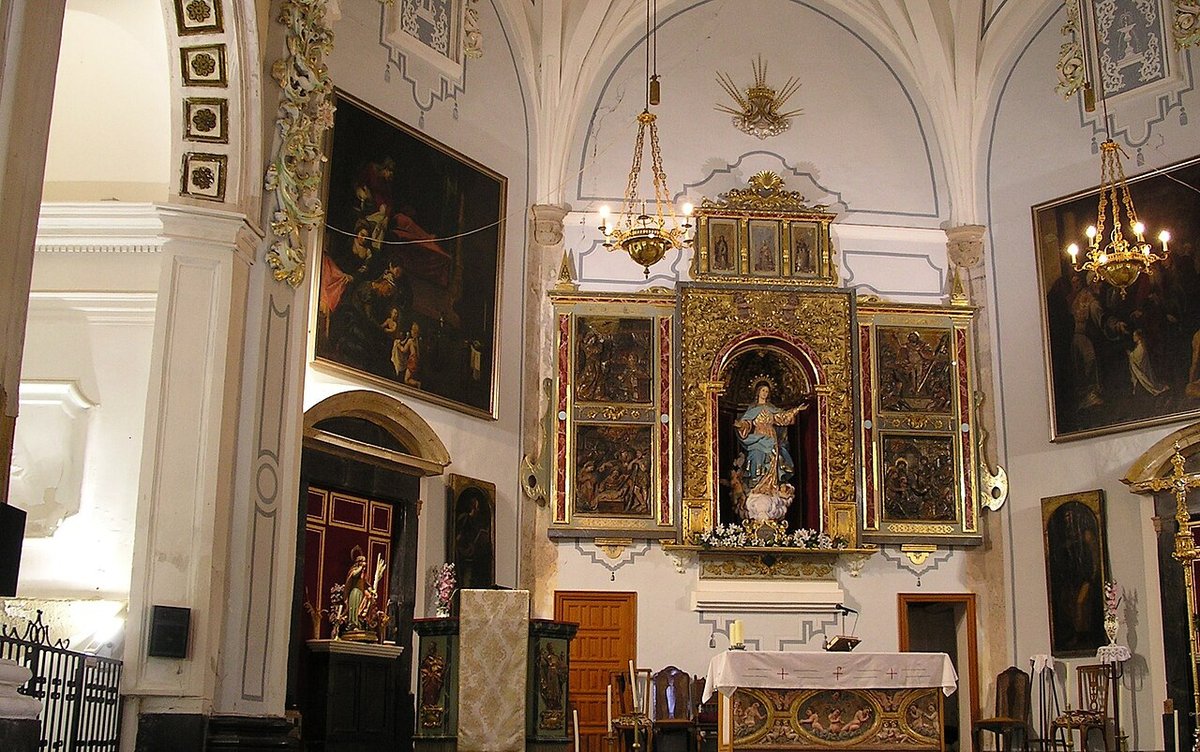
The parish church dedicated to San Roque is the most visible building in the village. Its exterior is sober and simple, without elaborate decoration. In nearby streets you can still spot large wooden doorways and the occasional old iron grille. These small details hint at the village’s agricultural past, when many homes had space on the ground floor for storing tools or keeping animals.
There is no need to search for hidden corners or lesser-known sights within the centre. A walk through the streets, a look at the square and the church, and you have essentially seen it. Alcublas does not try to present itself as anything more than it is: a small rural settlement that has changed gradually over time.
Pine Forests and Rolling Ground
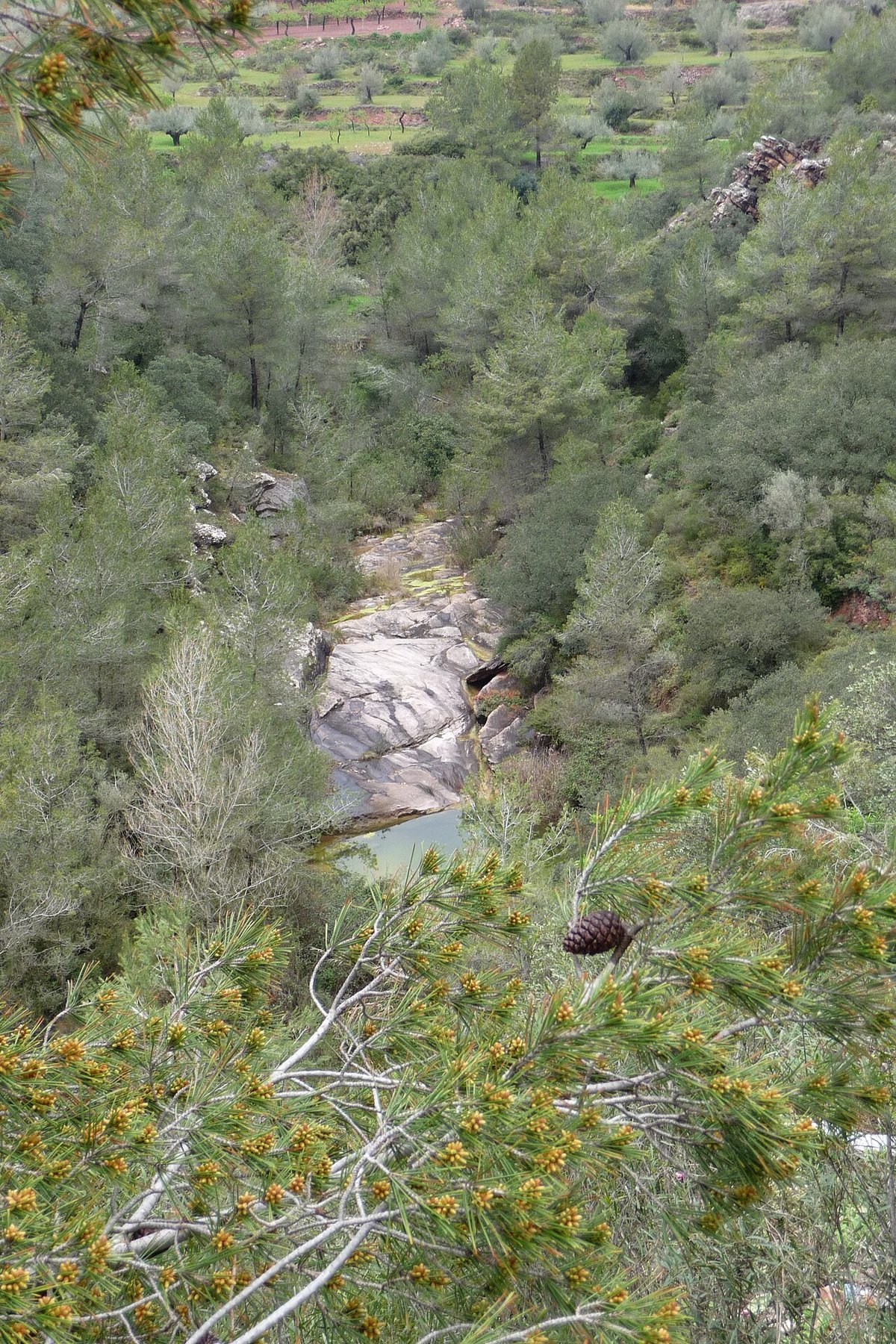
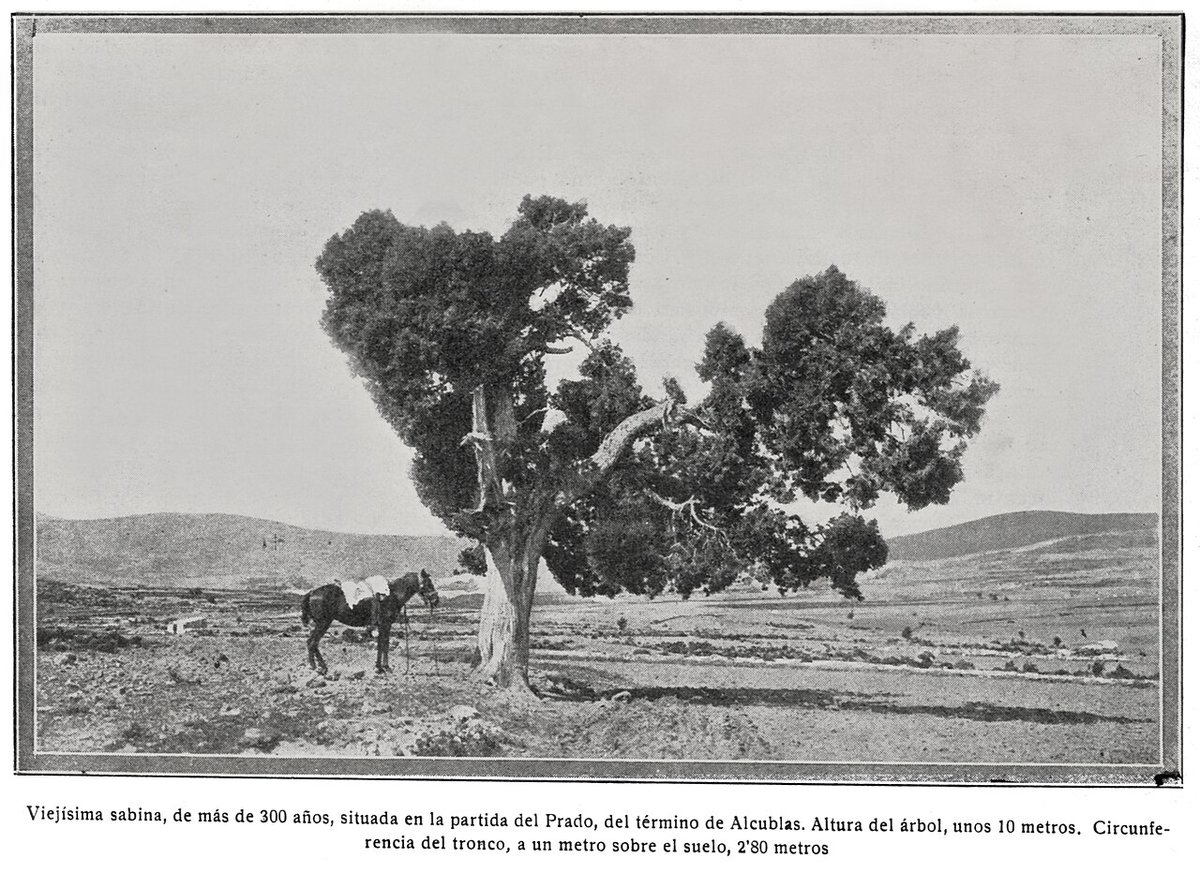
Alcublas becomes more interesting once you step beyond the built-up area. The municipality includes a significant stretch of pine forest. Rural tracks begin on the edge of the village and connect with forest paths and trails used by local residents and walkers.
The terrain rises and falls steadily, though there are no dramatic peaks. From certain points, there are open views over the characteristic patchwork of woodland and ravines that shapes Los Serranos. It is a landscape that feels distinctly inland, far removed from the beaches and coastal resorts that many visitors associate with the Valencian Community.
During the drier months, it is worth checking whether there are restrictions in place due to high fire risk, which is common in summer. This is standard practice in many forested areas in Spain, where access or certain activities can be limited to prevent wildfires.
Autumn brings a different rhythm to the hills. When conditions are good, many people from the surrounding area head into the forest to gather mushrooms, particularly níscalos, known in English as saffron milk caps. Not all land is public, so it is important to respect private property and follow any regulations set by the local council or the wider regional authorities.
Walking here does not require complicated planning. The appeal lies in following the rural tracks, moving between pine trees and open stretches, and taking in the rolling terrain that defines this corner of Los Serranos.
Festivities and Everyday Life
San Roque plays an important role in the village calendar. During the festivities dedicated to the saint, the atmosphere changes noticeably. People who have moved away often return for a few days, and the streets feel busier than usual.
It is also common to see events linked to rural traditions and animals, something shared by many villages in the comarca. These gatherings reflect long-standing customs tied to agricultural life, which still shape local identity even if daily work has shifted over time.
Outside these moments, Alcublas is quiet. Daily life follows the rhythm typical of a small village with a limited population. There is no constant flow of visitors and no extensive list of attractions competing for attention.
Before You Go
From Valencia, Alcublas can be reached in just over an hour by inland roads. The final stretch climbs into the hills and includes a series of bends as the route enters more mountainous terrain.
It is best to arrive with realistic expectations. Alcublas does not offer a wide range of services or enough sights to fill several days. It works better as a short stop or as a base for walking in the surrounding pine forest.
A simple plan is enough: park near the top of the village, walk down into the centre, take a look around, then head back out towards the rural tracks and forest paths. For many visitors, that is the right scale for Alcublas.