Full Article
about Alpuente
Walled medieval town with dinosaur sites and a rich historical heritage
Hide article Read full article
A village set above the valley
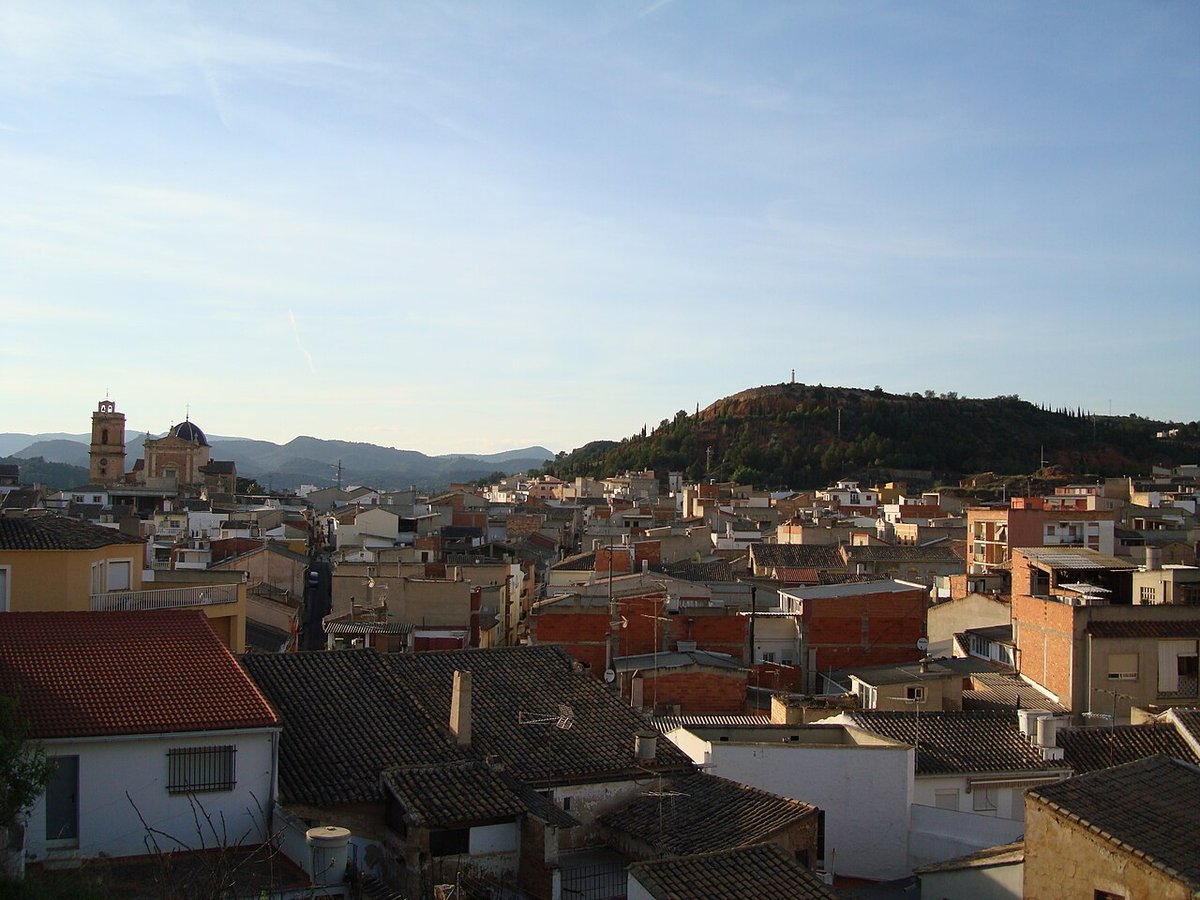
Alpuente is the sort of place you reach along a quiet road, park almost without noticing, and only once you begin climbing its streets do you realise why it stands where it does. The village occupies a high point above the valley, as if someone chose the best natural lookout first and then decided to build around it.
Tourism in Alpuente revolves around that setting. The houses climb the slope, old stone dominates the scene, and there is a mountain stillness that feels unchanged. For centuries this was a settlement that watched what moved through the valley below. Today it has fewer than 700 inhabitants, yet it is not somewhere you see in ten minutes and tick off a list.
The sense of elevation shapes the visit from the start. Streets rise steadily, corners open onto views, and the surrounding landscape of Los Serranos stretches out in dry, mountainous tones typical of inland Valencia.
Castle ruins and a compact historic centre
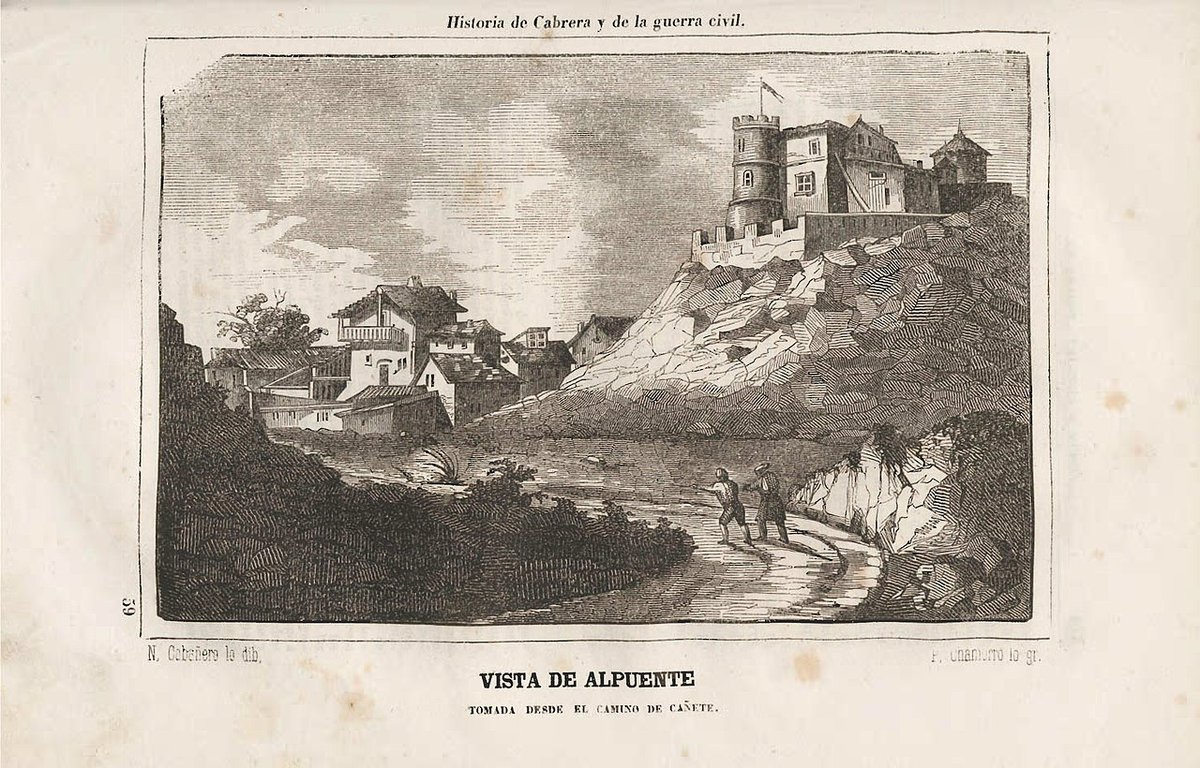
At the top of the village stand the remains of the castle of Alpuente. From below it looks larger than it feels once you reach it, but the choice of location makes complete sense. The defensive logic is clear: a commanding view over the valley and a hill that demands a proper climb.
The ascent is worthwhile above all for the panorama. As the sun begins to drop, the stone shifts in colour and the landscape of Los Serranos opens up in every direction. The terrain appears rugged and expansive, with that austere character that defines this part of the region.
The historic centre is small, yet it rewards a slow walk. The Plaza Mayor preserves its stone arcades and several houses display carved coats of arms. These details hint at a past in which Alpuente carried more weight than its present size suggests. Some façades seem to tell their own stories if you pause long enough to look closely.
The parish church, dedicated to Nuestra Señora de la Piedad, combines elements from different periods. The interior is not always open outside times of worship, so it is sensible to expect that a visit may be limited to the exterior.
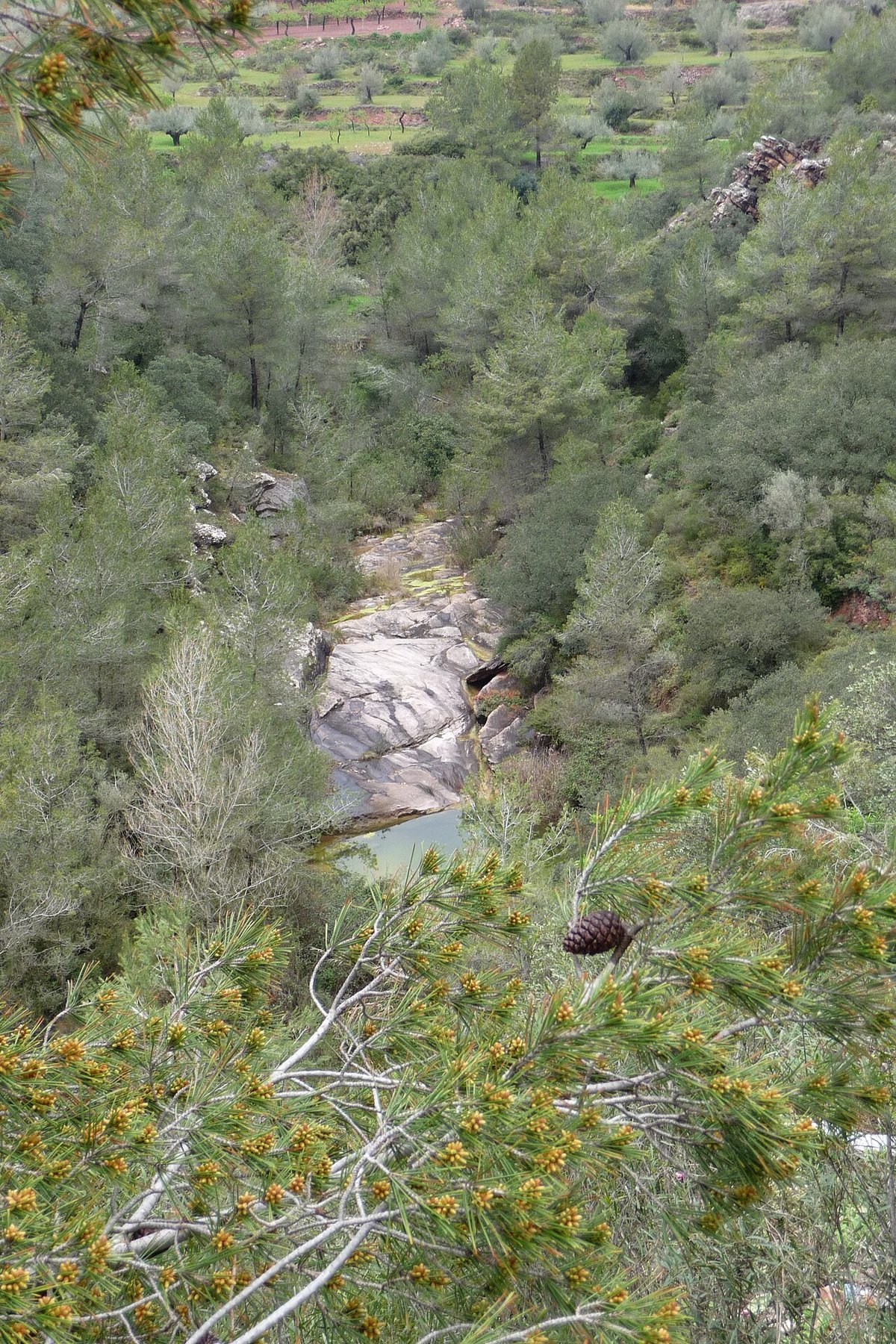
A little higher up sits the ermita de San Roque. From here there is another perspective over the village and the surrounding countryside. Paths also lead from this point towards nearby ravines where the terrain becomes rougher. Rock outcrops, pine woodland and dry inland air define the setting.
Walking the hills and understanding daily life
One of the simplest ways to appreciate Alpuente is to walk without rushing. Trails begin in the urban centre itself and connect with old springs, washhouses and small watering troughs. For a long time these were part of everyday life in the village. They are not presented as an open-air museum, rather as traces of how life was organised before water arrived through pipes.
Other paths climb and descend the nearby hills. These are not alpine routes, yet they offer a satisfying balance between effort and reward. A steady uphill stretch leads to a natural viewpoint, followed by silence and a broad horizon.
In autumn the area attracts people searching for mushrooms in the surrounding pinewoods and oak groves. It is important to check seasonal regulations and restrictions in advance, and to be certain about what is being collected.
Food in this part of Los Serranos follows a straightforward mountain logic: hearty dishes after time outdoors. Lamb appears frequently, as do gazpachos manchegos, a traditional meat and flatbread stew from the interior, along with local embutido and dark honeys. It is robust inland cooking without unnecessary complication.
If you only have two hours
With limited time, the visit can be distilled to a simple route. Start with a stroll around the Plaza Mayor, wander a handful of streets in the historic centre, and make the climb up to the castle. From the top, the layout of the village becomes clear, along with the shape of the valley that surrounds it.
Two hours are enough to follow this circuit at an unhurried pace and come away with a solid sense of the place. Many travellers then continue on to other villages in Los Serranos. The comarca, or county, works best when explored gradually, moving from one valley to the next rather than focusing on a single stop.
Slopes, sun and shifting temperatures
The inclines in Alpuente are real. They are not extreme, yet they are constant, and the paving can be uneven in sections. Comfortable footwear makes all the difference.
Sun exposure is another factor to bear in mind. On clear days it can feel intense even though the village sits in a mountain area. Carrying water and some form of protection is sensible. Once evening falls, especially outside the summer months, temperatures drop quickly.
Alpuente does not attempt to present itself as a perfectly restored medieval set. Some houses have been renovated while others show the passage of time without disguise. It remains a living village rather than a backdrop prepared for photographs, and that mix is part of its character.
Practical notes and the best time to go
Alpuente works well as a stop within a broader route through Los Serranos or combined with walks in the surroundings of the river Turia and nearby ravines. Travelling here from afar for this village alone may feel brief; including it as part of a wider exploration of the comarca makes more sense.
From Valencia, the usual approach is via the CV‑35 heading inland towards Los Serranos, then continuing along regional roads to Alpuente. The journey takes roughly an hour or a little more, depending on the starting point.
Spring and autumn tend to be the most pleasant seasons for walking in the area. In summer the sun is strong during the day, though nights are usually cooler and offer some relief from the heat.