Full Article
about Andilla
High-mountain municipality with a picturesque town center and the province’s second-highest peak.
Hide article Read full article
Andilla: un pueblo de la Sierra de Andilla
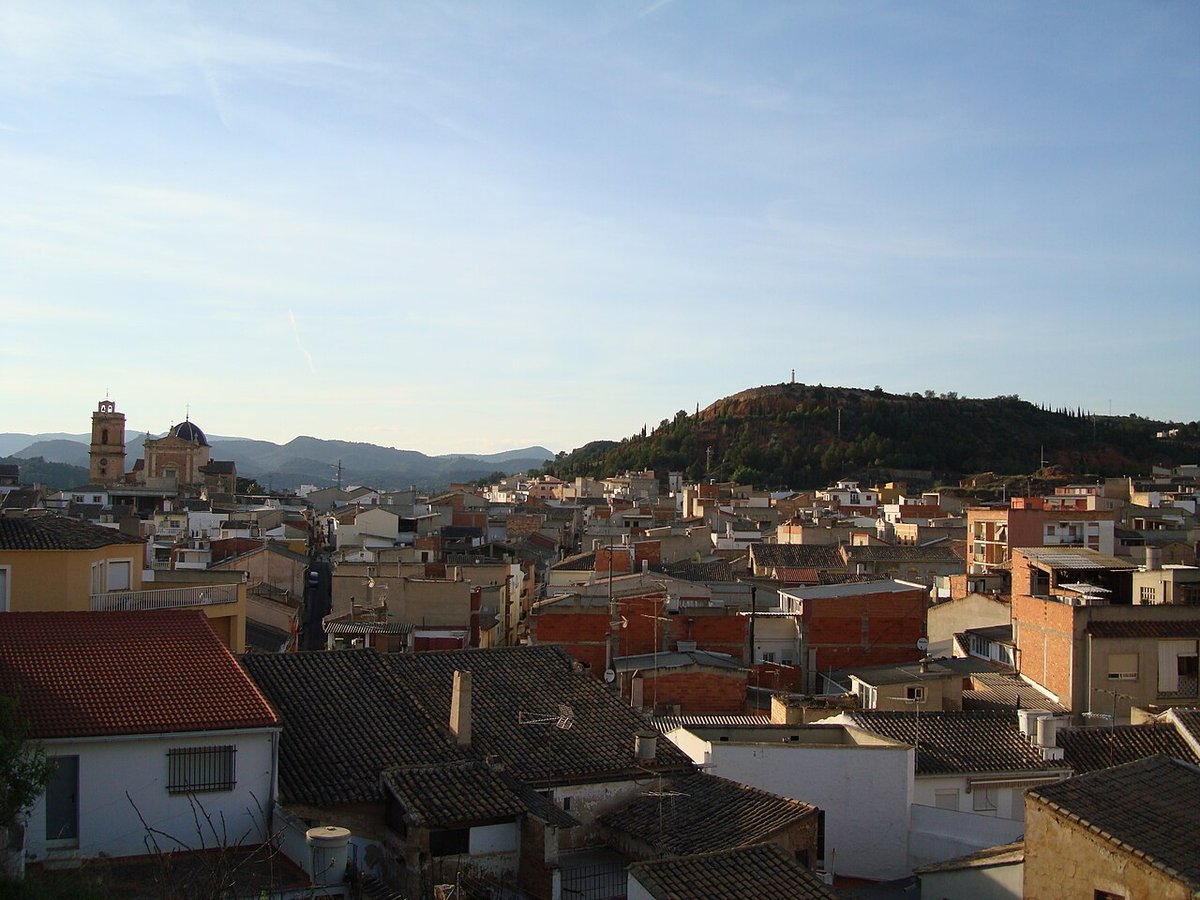
Para entender Andilla hay que mirar primero su mapa. El pueblo se asienta en la vertiente sur de la sierra que lleva su nombre, dentro de la comarca de Los Serranos. Su altitud, en torno a los 900 metros, ha condicionado su historia. La orografía, con barrancos y lomas redondeadas, determinó desde siempre los cultivos, los caminos y el propio emplazamiento del casco urbano.
Con poco más de trescientos habitantes, mantiene la dimensión de un núcleo serrano. La vida diaria sigue vinculada al tiempo y a las tareas del campo. Aquí el invierno se nota, y el verano también.
Un casco urbano adaptado al terreno
El núcleo antiguo es pequeño. Las calles son estrechas, con cuestas pronunciadas, y las casas se agrupan unas contra otras. Es una disposición común en las sierras valencianas, donde primaba la protección frente al frío.
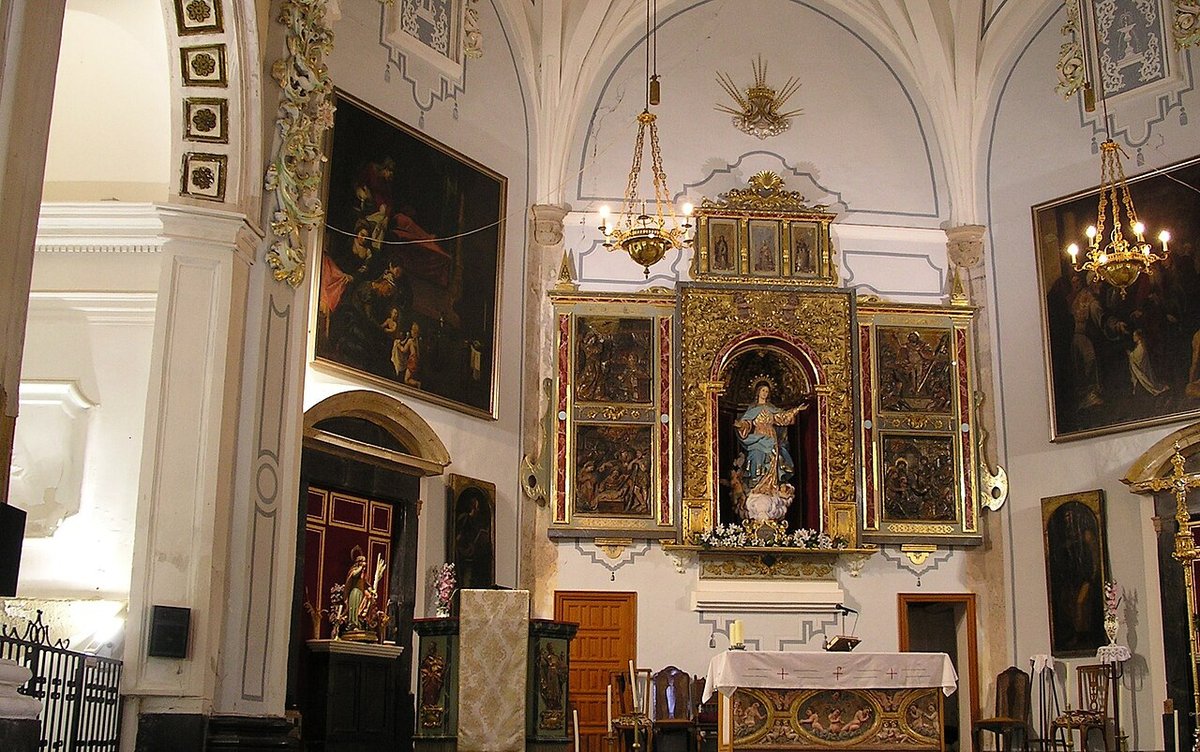
La iglesia de la Asunción ocupa el punto más visible. Su construcción original es del siglo XVI, aunque ha tenido reformas posteriores. No es un templo especialmente grande ni rico en ornamentación. Su valor es local: durante siglos ha marcado el ritmo de la vida cotidiana con sus campanadas. En el interior se conserva un retablo barroco de factura sencilla, coherente con lo habitual en una parroquia rural de la zona.
La arquitectura doméstica tradicional emplea mampostería y muros gruesos. Los ventanucos son pequeños y los balcones, cuando los hay, son de forja. Estas soluciones respondían a necesidades prácticas: guardar el calor en invierno y mitigar el sol del estío. Estos detalles se pueden observar aún en las calles más antiguas.
El paisaje del término municipal
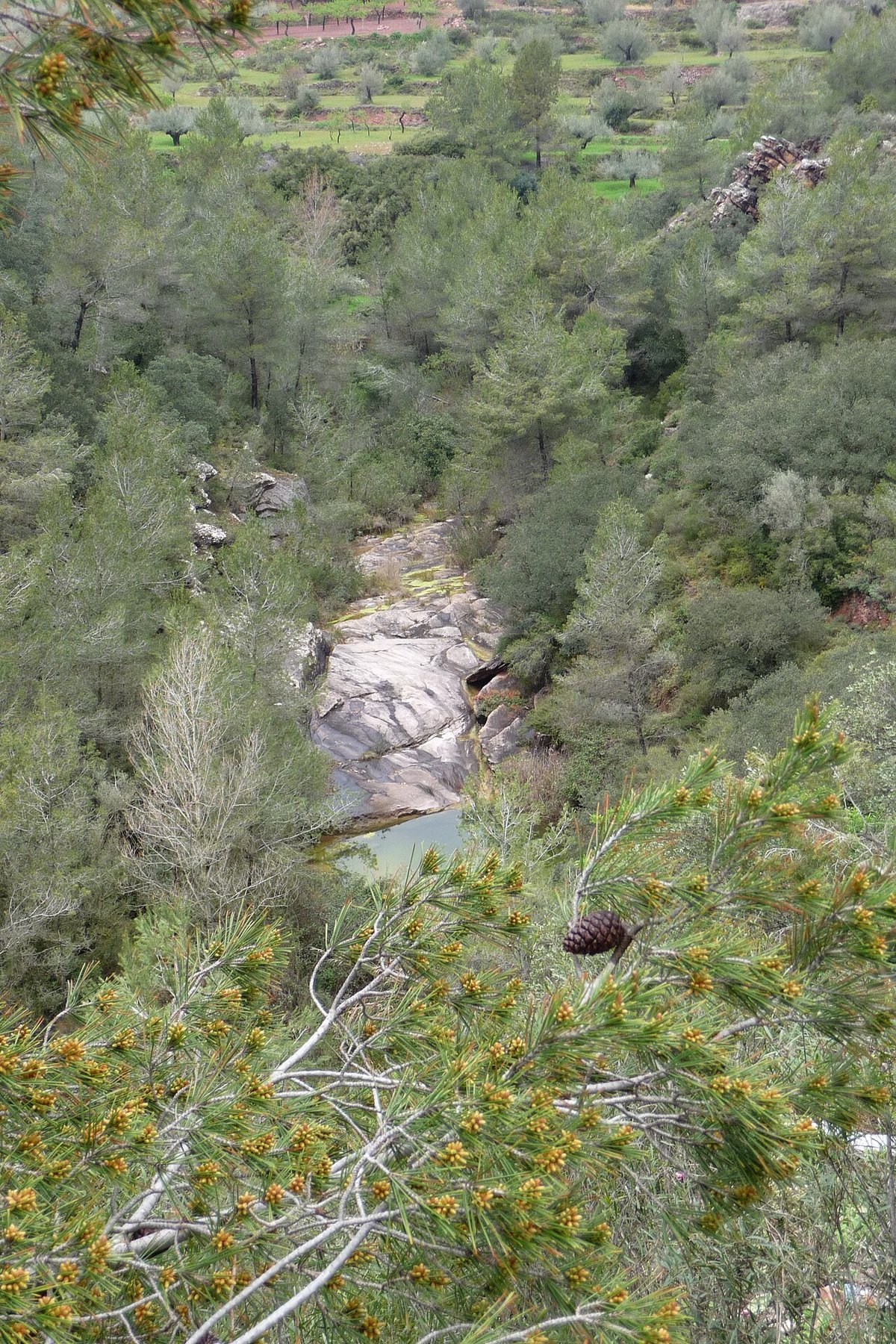
El monte mediterráneo rodea Andilla. Predomina el pino carrasco, junto a enebros y un matorral adaptado a la sequedad y al suelo pedregoso. El color del paisaje cambia con las estaciones: verde en primavera, ocres y grises al final del verano.
Quedan restos de bancales por todo el término. Muchos están abandonados, pero muestran cómo se trabajó la tierra durante generaciones. Eran cultivos de secano, principalmente almendros y cereal, con algunas huertas allí donde el agua lo permitía.
Desde algunos puntos altos cercanos al pueblo se divisa buena parte de Los Serranos. No son miradores acondicionados, sino cortados naturales donde el terreno cae y el horizonte se abre.
Caminar por los alrededores
La zona se presta a recorrer a pie. Hay pistas forestales y senderos que conectan barrancos, fuentes y antiguas zonas de cultivo. Algunos siguen rutas muy antiguas, usadas tiempo atrás para el ganado o para llegar a masías dispersas.
El terreno es quebrado. Las cuestas y los tramos pedregosos forman parte del paseo y son característicos de esta parte de la comarca. En los meses fríos el aire suele estar claro. En verano, el sol del mediodía es intenso, lo que conviene tener en cuenta a la hora de salir.
Algunas paredes rocosas del término se utilizan para escalada. No es un destino masivo y carece de servicios dedicados, por lo que quienes practican esta actividad suelen conocer de antemano los accesos y el estado de la roca.
La comida aquí refleja el clima y lo que da la tierra. Son frecuentes los guisos contundentes, propios del invierno, junto a embutidos y recetas vinculadas a la matanza tradicional. En otoño, cuando las condiciones lo permiten, aparecen en la cocina local la caza menor y las setas silvestres.
Fechas en el calendario local
Las fiestas patronales principales son en honor a San Bartolomé, hacia finales de agosto. Esos días la población crece con quienes regresan al pueblo. A los actos religiosos se suman música y actividades en la calle, lo que altera notablemente el ritmo habitual.
La Semana Santa se vive con más recogimiento. Las procesiones recorren las calles principales, manteniendo un tono sobrio que responde a una tradición arraigada.
En Navidad perduran los belenes caseros y los cantos tradicionales. Estas costumbres siguen presentes en muchos pueblos de la comarca, incluido Andilla, y se transmiten dentro de las familias.
Cómo llegar y algunas observaciones prácticas
Andilla está a algo más de una hora en coche de Valencia. La reta habitual combina autovía con carreteras comarcales del interior. El último tramo atraviesa terreno montañoso, con curvas y desniveles, por lo que conviene conducir con previsión, sobre todo con niebla o lluvia.
El pueblo se recorre a pie sin problema, aunque algunas calles tienen bastante pendiente. Para caminar por el monte circundante es necesario calzado adecuado y previsión ante cambios bruscos de temperatura. Incluso en verano, el aire suele refrescar de forma notable al atardecer.