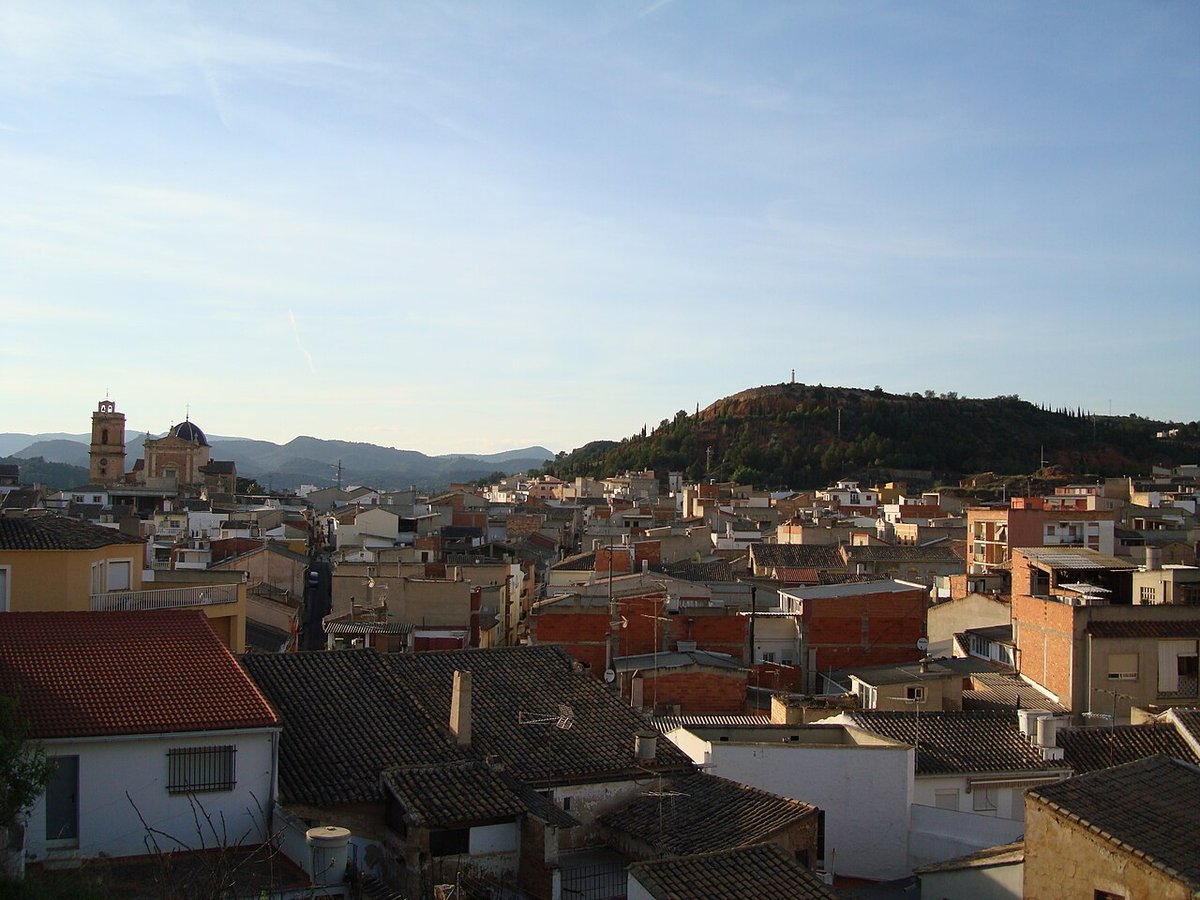
Vista aérea de Bugarra
Instituto Geográfico Nacional · CC-BY 4.0 scne.es
Comunidad Valenciana · Mediterranean Light

Bugarra

The river beach appears suddenly, twenty minutes beyond Valencia's ring road. One moment you're winding through almond groves, the next you're desc...

774 inhabitants · INE 2025
165m Altitude

Why Visit

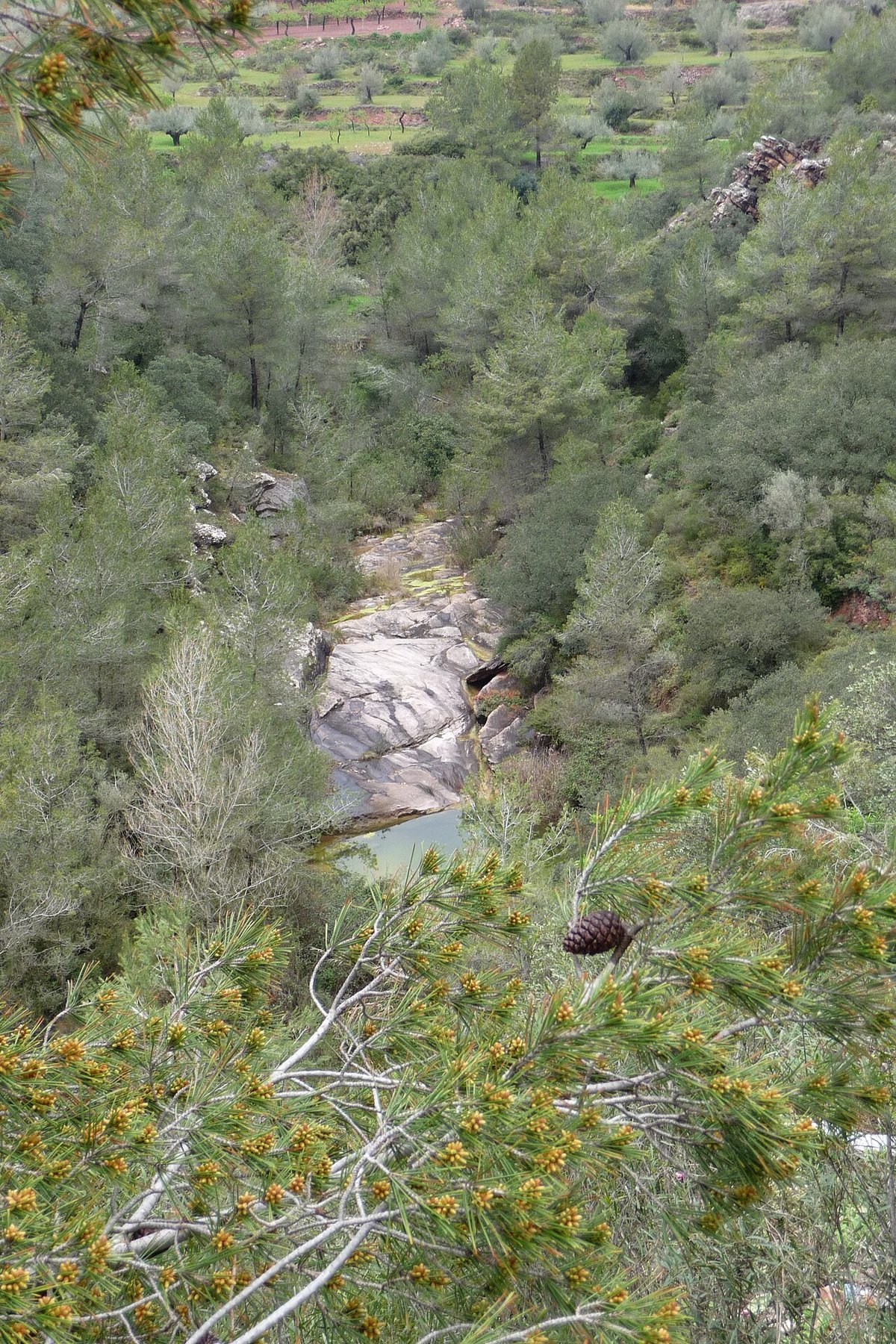
Turia river beach Swimming in the Turia river

Best Time to Visit

summer

San Juan festivities (June) agosto

Things to See & Do
in Bugarra

Heritage

  • Turia river beach
  • Church of San Juan Bautista

Activities

  • Swimming in the Turia river
  • camping and hiking

Festivals
& & Traditions

Fecha agosto

Fiestas de San Juan (junio), Fiestas de Agosto (agosto)

Las fiestas locales son el momento perfecto para vivir la autenticidad de Bugarra.

Full Article
about Bugarra

Known for its river beach on the Turia and its natural setting for camping.

Ocultar artículo Leer artículo completo

The river beach appears suddenly, twenty minutes beyond Valencia's ring road. One moment you're winding through almond groves, the next you're descending into a gorge where the Turia River has carved out natural swimming holes shaded by poplars. This is Bugarra's Playa Fluvial, and it's probably not what you expected from inland Valencia.

At 240 metres above sea level, Bugarra sits where the coastal plain meets the foothills of the Sierra Calderona. The altitude makes a difference you can feel. Summer mornings arrive fresh, even when Valencia city is already sticky. By afternoon, thermometers still hit 35°C, but the air carries mountain dryness rather than coastal humidity. Winter brings sharper nights too—frost isn't unknown, and the village occasionally sees snow when the coast stays green.

The Working Village

Bugarra's 740 residents don't put on a show for visitors. They grow oranges, mostly, and the agricultural rhythm sets the pace. Tractors rumble through narrow streets at dawn. Irrigation channels gurgle beside houses. The smell of citrus blossom drifts across the valley in April, replaced by wood smoke from domestic stoves come December.

The built environment reflects this practicality. Houses are rendered in earthy reds and ochres—local clay, not the whitewash of Andalucían postcards. Windows are small, shutters functional. The 17th-century church of San Miguel Arcángel dominates the main square, but its tower served as much for spotting bandits as calling worshippers. Wander the backstreets and you'll find medieval doorways modified to accommodate modern vehicles, ancient wells now covered with steel grilles. It's evolution, not preservation.

This honesty extends to facilities. There's one bakery, one small grocery, two bars. Both bars serve food, but don't expect all-day dining. Kitchens close at 3:30 pm for lunch, reopen at 8 pm for dinner. If you arrive at 4 pm hungry, you'll wait—or drive twenty minutes to Cheste. Monday is particularly quiet; even the bakery shuts.

Walking Between Orchards and Gorges

The village makes an excellent base for gentle exploration. A network of agricultural tracks leads through citrus plantations, past smallholdings where chickens scratch beneath lemon trees. These aren't official hiking trails—signage is sporadic, surfaces vary from concrete to packed earth—but they're public rights of way, perfectly walkable in trainers.

The most rewarding route follows the river downstream for three kilometres to an abandoned hydroelectric plant. The path ducks through tunnels of bamboo, emerges onto gravel beaches, then climbs slightly to reveal ranks of oranges marching up hillsides. Kingfishers flash blue above the water; the only other sound is irrigation pumps. Allow ninety minutes return, longer if you stop for swimming.

Serious hikers can link to longer routes. The Ruta de los Pantaneros, a 14-kilometre trail following the old dam-workers' path, starts near Bugarra's municipal pool. It climbs to 600 metres through pine and rosemary, offering views back across the orange sea to Valencia's skyline. The full circuit takes four hours; shorter out-and-back sections are possible.

Summer walking requires planning. Shade is limited on agricultural tracks, and the river gorge traps heat. Start early, carry more water than you think necessary, and accept that midday exploration is unpleasant. Winter brings the opposite challenge—paths become muddy after rain, and river levels can make crossings dangerous.

River Life and Mountain Food

The Playa Fluvial saves Bugarra from seasonal closure. Spanish families arrive on summer weekends, spreading picnics on flat rocks, barbecuing beside the water. The scene is sociable rather than wild—grandparents supervise toddlers in shallow pools, teenagers show off from higher rocks. Entry is free, though parking costs €2 at weekends. Arrive before 11 am or you're walking in from a rough farm track.

Water-shoes are essential. River stones are slippery, and British visitors regularly report stubbed toes. The main pool reaches three metres deep—fine for confident swimmers, but there's no lifeguard. Currents appear after heavy rain upstream; if water looks murky or fast, stay out.

Back in the village, food is straightforward rather than sophisticated. Bar Casa Blava does excellent ajo blanco—a cold almond-garlic soup that tastes like liquid marzipan with attitude. Their grilled rabbit with rosemary converts even those who claim not to like game; it tastes more like herb-cooked chicken than Watership Down. The set lunch menu costs €12 midweek, €15 weekends, including wine.

Horne Bugarra bakery opens at 7 am, selling pan de Calatrava—a sweet brioche pudding that travels well for picnics. They'll make sandwiches to order if you ask, though you'll need Spanish. The owner speaks no English, communicates through pointing and patience.

When to Visit, When to Stay Away

October through May offers the best balance. Temperatures sit in the high teens, perfect for walking. Citrus harvest runs November to April—watch tractors laden with oranges heading to the cooperative packing plant. January brings almond blossom, turning hillsides white before leaf-break.

August is brutal. Daytime temperatures hit 40°C, the river becomes crowded, and accommodation prices spike. Many Spanish families book village rental houses months ahead for the school-holiday fortnight. Without advance planning, you'll struggle to find anywhere to stay.

Rainy days present their own issues. Agricultural tracks turn to clay that clogs walking boots. The village itself remains navigable—narrow streets channel water effectively—but there's little to do beyond two bars and the bakery. Bugarra works best as fair-weather destination.

Practical Realities

Bugarra rewards realistic expectations. Come for quiet walking, river swimming, simple food. Don't expect boutique hotels, craft shops, or evening entertainment beyond bar conversation. The village has one cash machine—it doesn't accept foreign cards. Bring euros, or drive fifteen minutes to Domeño.

Accommodation is limited. Casa Rural l'Artiga offers four rooms in a converted townhouse (£70-90 nightly). Two other rural houses sleep six-plus, bookable through regional websites. Many visitors base themselves in Cheste or Loriguilla, driving in for day trips.

Getting here requires wheels. Valencia-Manises airport is 45 minutes away on excellent motorways, but public transport stops at Loriguilla, six kilometres distant. Taxis from there are scarce—pre-book through your accommodation. Driving from the UK, allow seven hours from Calais via Barcelona, longer if you avoid tolls.

The village won't change your life. It might, however, remind you what Spanish villages looked like before tourism—productive, slightly scruffy, utterly real. That's increasingly rare in coastal Valencia. Visit while it stays that way.

Key Facts

Region
Comunidad Valenciana
District
Los Serranos
INE Code
46076
Coast
No
Mountain
No
Season
summer

Livability & Services

Key data for living or remote work

2024
ConnectivityFiber + 5G
HealthcareHospital 14 km away
EducationElementary school
Housing~5€/m² rent · Affordable
CoastBeach 1 km away
Sources: INE, CNMC, Ministry of Health, AEMET

Planning Your Visit?

Discover more villages in the Los Serranos.

View full region →

More villages in Los Serranos

Traveler Reviews