Full Article
about Chulilla
Famous for the Ruta de los Puentes Colgantes and the Turia gorge for climbing
Hide article Read full article
A village that clings to the landscape
Some places are recommended so insistently that you start to doubt them. Chulilla tends to have that effect. “You have to go, the canyon is unreal,” people say. Then you arrive and realise what they meant.
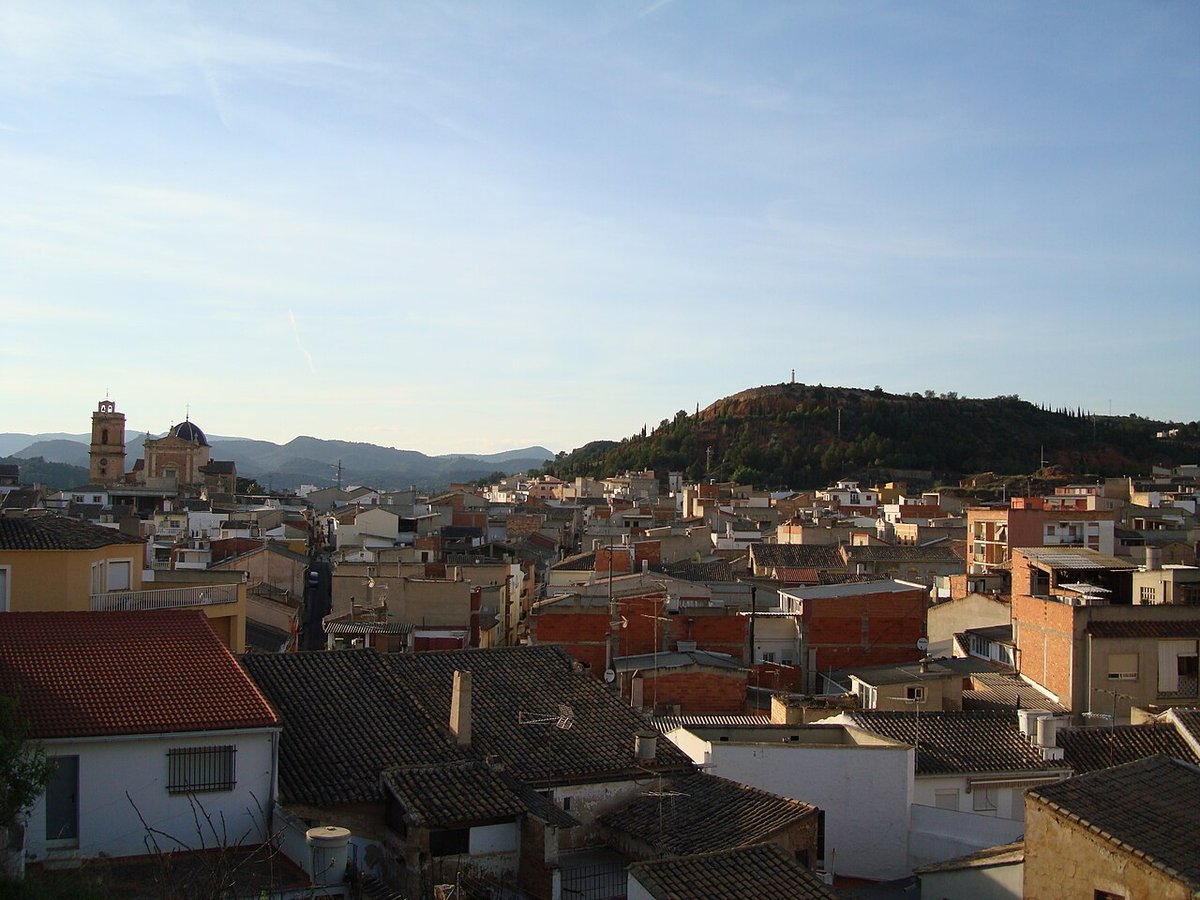
Chulilla sits in the comarca of Los Serranos, in the interior of the Comunidad Valenciana. It has around 700 inhabitants and seems to cling to a meander of the river Túria. The moment you drive in, the terrain makes the rules clear. Steep slopes, steps, streets that twist and turn to adapt to the rock. Nothing here looks as if it was planned with a ruler.
The setting is not an afterthought. The village and the canyon are inseparable, and that relationship shapes everything from the layout of the old quarter to the views that suddenly open up between houses.
Above the canyon
The historic centre is best explored without a map. In fact, it helps to get slightly lost. Narrow streets, whitewashed houses, façades that show the passing of time. Chulilla feels lived in rather than staged.
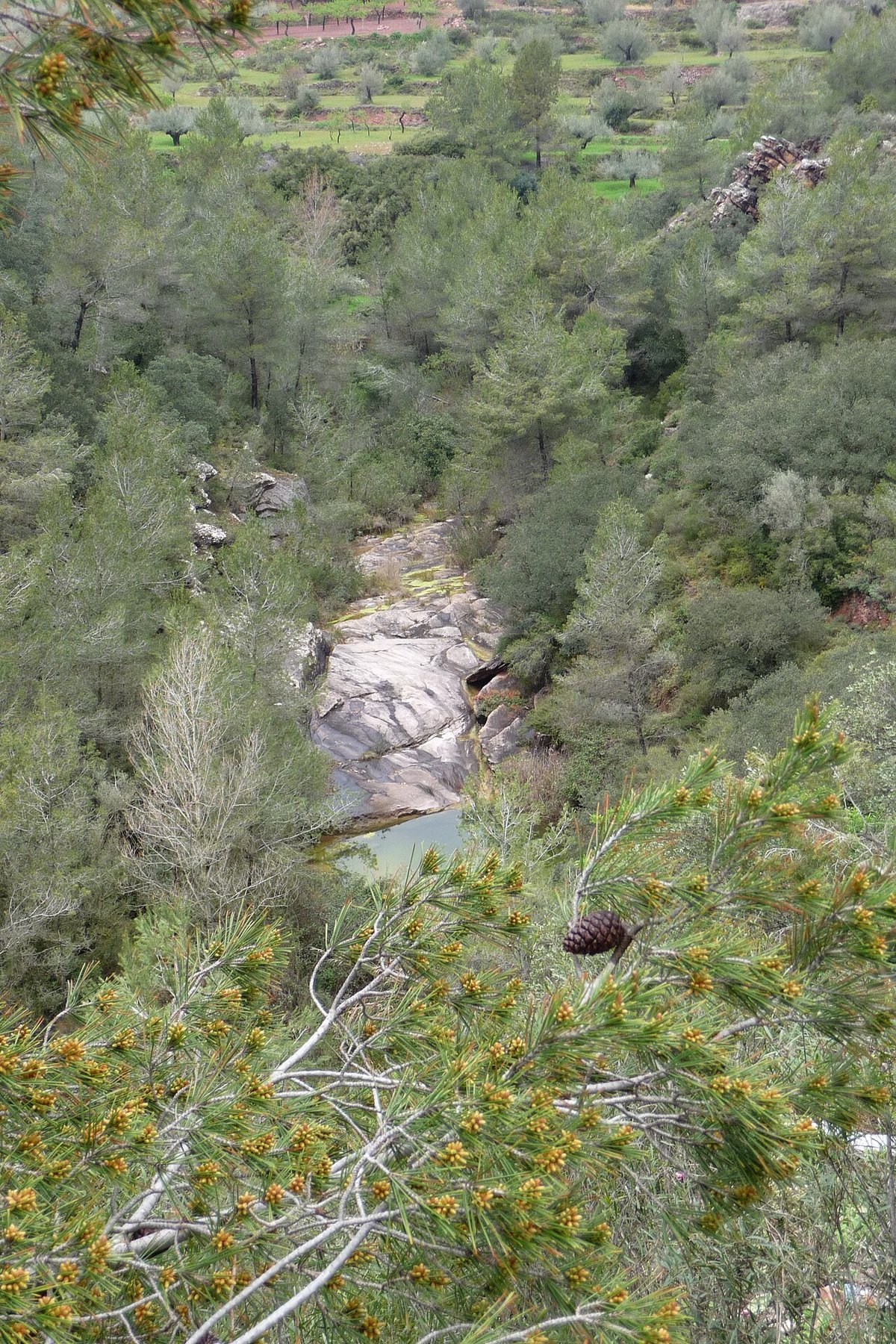
Every so often, a gap appears between buildings and the canyon of the Túria reveals itself in the distance. That first glimpse explains the steady stream of visitors. The river runs far below, hemmed in by high rock walls. The contrast between the quiet of the village streets and the depth of the gorge is striking.
At the top of it all are the remains of Chulilla castle, of Muslim origin. What stands today are sections of wall and the odd tower. It has not been reconstructed or turned into a museum. The climb up is steep enough to make you notice it, though not extreme. The ground can be uneven in places, so it may be awkward with a pushchair or for anyone with reduced mobility.
From the top, the landscape makes sense. Over centuries, the river has carved through the rock, leaving a vast cut in the terrain. Looking out from the castle ruins, it becomes clear why the settlement ended up exactly here, perched above the bend in the river.
Walking the Hoces del Túria
For many visitors, the main reason to come to Chulilla is the Hoces del Túria, the gorges formed by the river. A marked footpath descends from the village to the water and then threads its way between tall rock walls.
One of the most talked about sections is the suspension bridge. It is a metal walkway that crosses the river. It is not particularly long, yet when you glance down and see the drop beneath your feet, you feel the height.
The path continues through tunnels cut into the rock, over small walkways and along stretches fitted with railings. It is not technically difficult, although there are plenty of steps along the way. In summer, the shade provided by the canyon walls is welcome.
The river itself, when it carries enough water, becomes part of the experience. People pause to dip their feet or sit for a while near the banks. On hot days, the search for shade often leads straight to the water’s edge.
Although the route can be covered in a few hours, the appeal lies less in ticking it off and more in moving through the landscape at a steady pace. The scale of the rock faces and the way the path hugs them make the walk feel immersive without being extreme.
Rock, ropes and conversation about grades
Chulilla is also well known among climbers. The limestone walls around the canyon are lined with climbing routes, and it is common to see ropes hanging from impressive heights.
Even for those who do not climb, the atmosphere is noticeable. Large rucksacks, people craning their necks to look up from the path, conversations about holds and grades that sound like another language to most passers-by. The rock is not just a backdrop here, it is something people actively use.
The presence of climbers adds another layer to the village’s identity. On certain days, the mix of walkers heading for the Hoces del Túria and climbers preparing their gear gives Chulilla an energy that contrasts with its small population.
Food and the rhythm of a small inland village
The cooking in this part of Los Serranos is filling and straightforward. Expect hearty spoon dishes, rice cooked with locally sourced meat, and migas when the season calls for it. This is food that usually comes with bread on the side and is designed to satisfy after a long walk or a morning on the rock.
Weekends tend to bring more movement to the village. During the week, the pace drops and not everything may be open. That ebb and flow is typical of many small inland villages in Spain, where daily life continues at its own rhythm outside peak visiting times.
The small population means that Chulilla never feels vast or overwhelming. In a few hours you can wander through the old quarter, climb up to the castle remains and take in the main viewpoints. What lingers, though, is the sense of being suspended between village life and raw landscape.
Traditions and the road from Valencia
Chulilla’s festive calendar remains closely tied to long-standing traditions. In January, San Antonio is usually celebrated with bonfires and the blessing of animals, a custom found in many rural parts of Spain. August brings the festivities dedicated to Nuestra Señora de los Ángeles, when many people with family roots in the village return. There are also celebrations during Semana Santa, or Holy Week.
Reaching Chulilla from the city of Valencia takes around an hour or a little more by car, depending on the route. The final kilometres introduce the scenery of Los Serranos: hillsides, bends in the road, and small villages scattered across the landscape.
A simple piece of advice suits the place well: come with comfortable footwear and without rushing. Chulilla is not large, and its streets can be covered in a short visit. The part that gives the village its meaning lies below, in the river and the canyon. That is best appreciated on foot, taking the time to look down from the edge of the old quarter and then to walk into the rock itself.