Full Article
about Higueruelas
Mountain village surrounded by pine forests, perfect for hiking and mountain biking.
Hide article Read full article
Higueruelas sits around 60 kilometres from Valencia, in the inland district known as Los Serranos. Most people reach it by car via the A‑23, a drive that usually takes about 50 minutes if traffic is light. The village itself is small and parking within the centre is limited. It makes sense to leave the car on one of the wider streets at the entrance and continue on foot.
Visitors rarely come for a packed sightseeing schedule. Higueruelas works best as a short stop or as a base for a walk in the surrounding hills. The centre can be covered quickly. The appeal lies more in the landscape that begins just beyond the last houses.
A Small Village with a Single Landmark
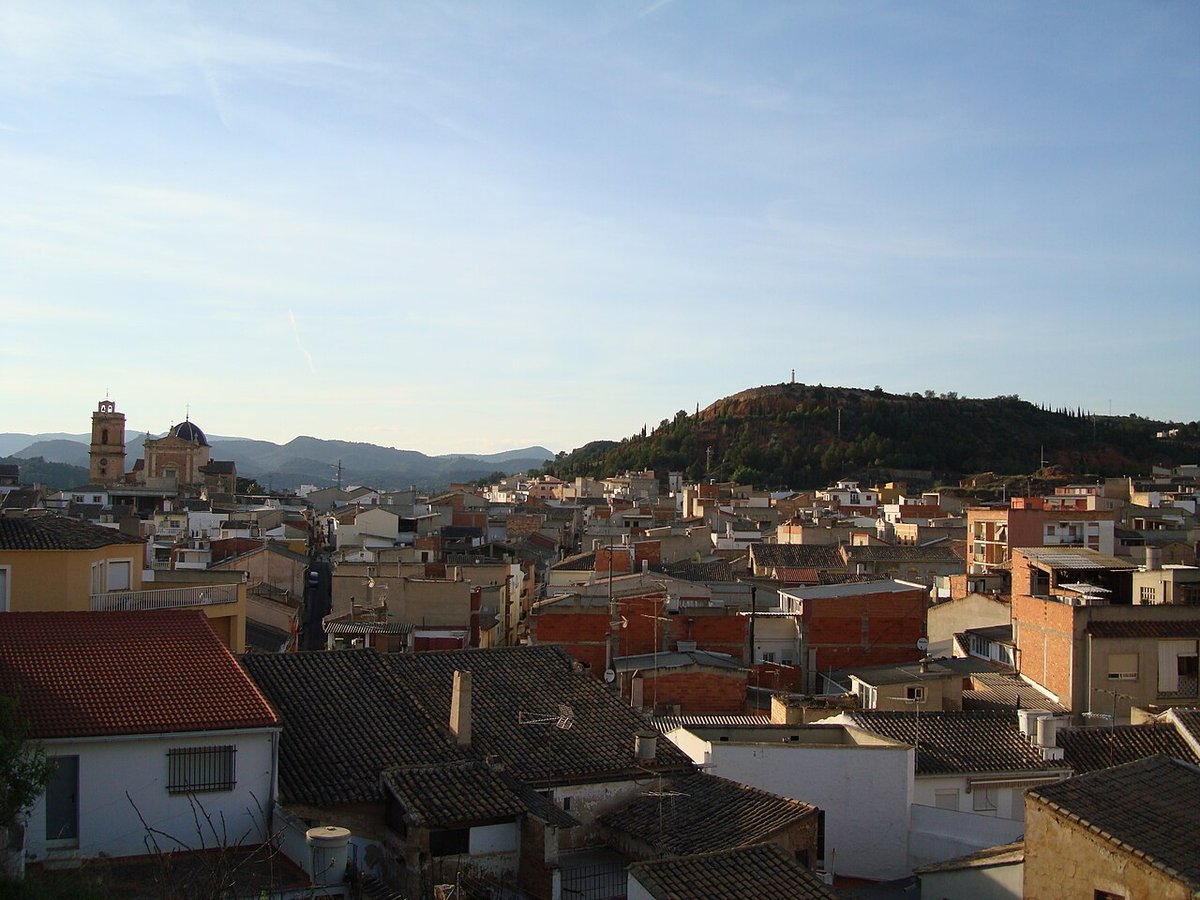
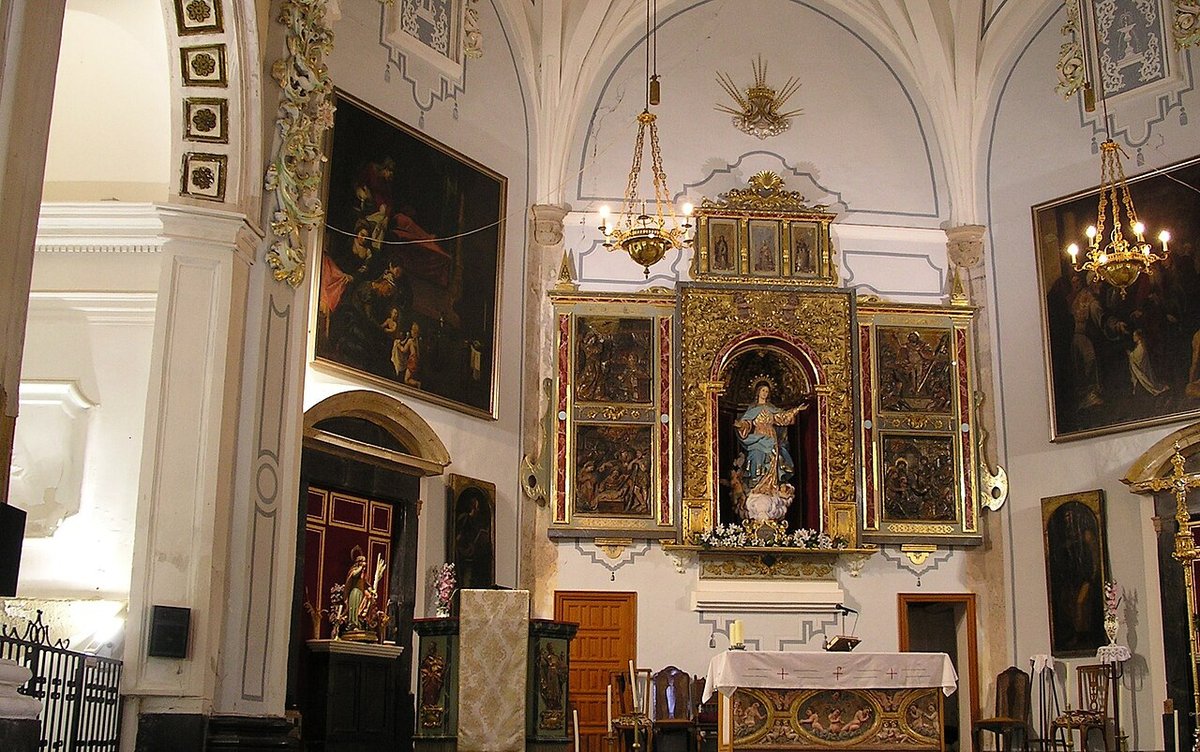
Higueruelas does not revolve around major monuments. Its clear point of reference is the church of Santa Bárbara. Built in simple masonry, it stands out without ornament and can be seen from various spots around the village.
The rest of the centre consists of short streets lined with low houses. Many are stone-built or rendered with little decoration. There are iron balconies, traditional curved roof tiles and little else in the way of flourish. This is not a monumental ensemble and does not attempt to be one. Higueruelas is a working village in the Serranía, with the straightforward architecture that comes with that role.
A slow walk along the main streets takes about half an hour. That is enough to understand its scale and rhythm. Life here continues at a local pace, without any effort to reshape the place around tourism.
Beyond the Last House: Pine-Covered Slopes
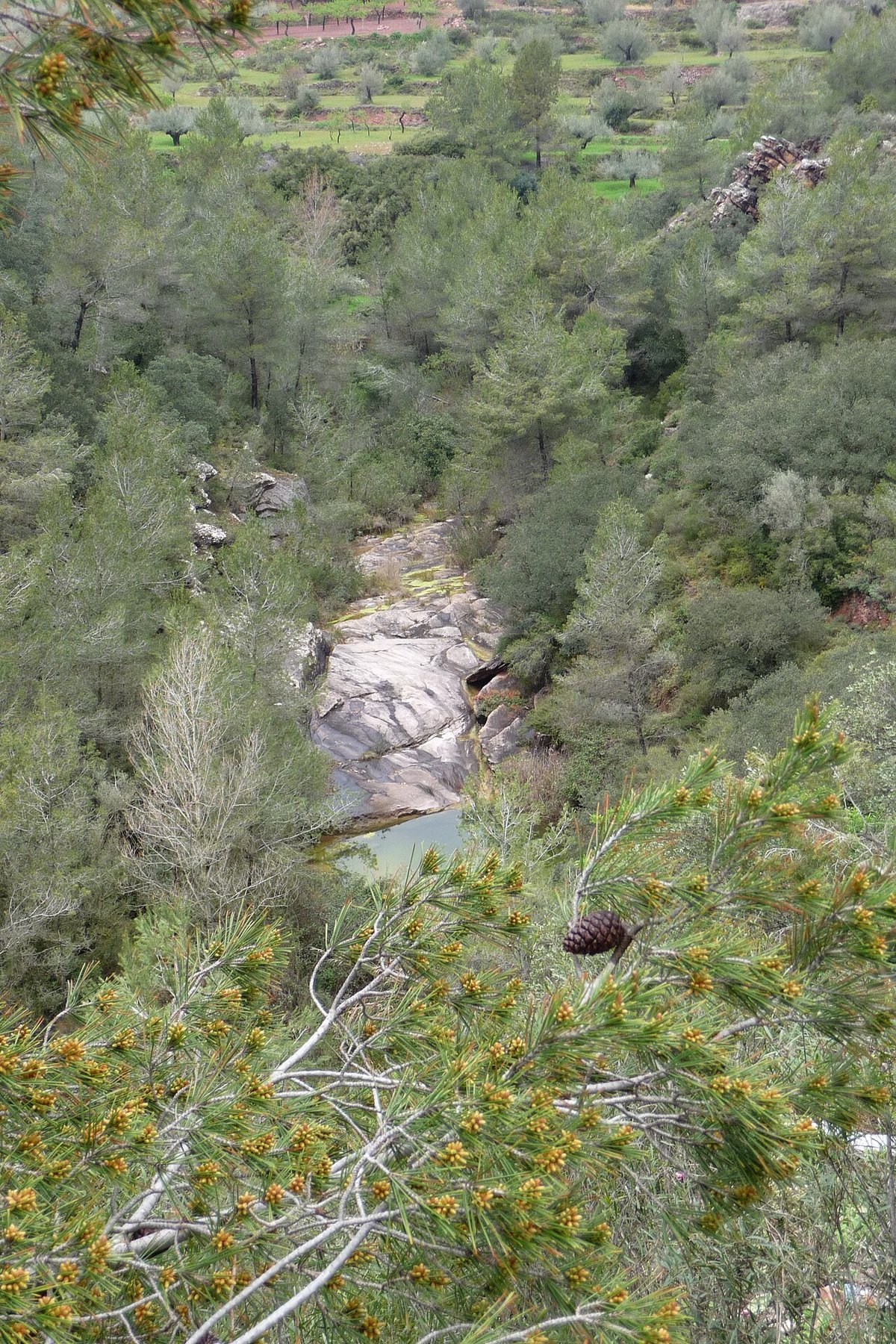
The most interesting part of a visit begins as you leave the built-up area. Just outside the village rise low hills covered in pino carrasco, the Aleppo pine common across this part of inland Valencia. The ground is dry and limestone-based, typical of Los Serranos. The terrain feels open and exposed, with scrub and pale rock beneath the trees.
Paths and tracks start from the village itself and climb towards small high points where the valley opens out below. These are not especially demanding routes, although it is sensible to check the state of the track before setting off. After heavy weather there can be small landslides, and occasionally forest tracks are closed. Asking a neighbour about current conditions is often enough.
The landscape is simple, but it works. At sunset the light catches the pale rock and filters through the pines in a way that adds warmth to an otherwise austere scene. The hills are not dramatic or alpine. Their interest comes from their scale and their clarity: slopes, trees, sky.
Tracks for Walking and Cycling
The same network of forest tracks attracts people on bicycles. Riders follow long dirt paths that run between pine woods and fields that are no longer cultivated as much as they once were. Technically, these routes are usually manageable rather than extreme. The challenge tends to come from the climate.
Summer heat can be intense and there are stretches without shade. Water is essential, and it is wise to look over your intended route before heading out. The combination of sun, dust and distance can make even an easy track feel longer than expected.
For those who prefer to walk, the conditions are similar. Spring and autumn are generally more comfortable for covering ground. In high summer the sun falls hard on the paths, and there is little shelter from it.
Serrana Cooking and Seasonal Produce
Food in Higueruelas follows the patterns of the Serranía. Cooking here is robust and filling, shaped by a rural setting. Stews feature prominently, and game appears when the hunting season allows. Local embutido, cured sausages and other pork products, also have their place, alongside straightforward homemade pastries.
Seasonality still matters. In autumn, dishes based on wild mushrooms begin to appear. In spring, produce gathered from the countryside, such as wild asparagus, finds its way into the kitchen.
Expectations should match the size of the village. Higueruelas is small and that is reflected in the limited range on offer. Menus are not long, and choice is not the point. Meals tend to reflect what is available and what has always been cooked here.
Fiestas and the Rhythm of the Year
The busiest moment in the calendar comes with the summer fiestas in honour of the patron saint. For a village of this size, they bring noticeable activity. There are processions, music and shared meals that draw residents together. It is not a mass event, nor is it especially designed for visitors. The focus remains local.
For the rest of the year the atmosphere is calm. Christmas and other dates in the local calendar are marked with more family-centred celebrations. Outside those moments, daily life returns to its usual steady pace.
When to Go and How to Approach It
Spring and autumn are usually the easiest seasons for walking in the surrounding hills. Temperatures are more manageable and the light is softer. Summer can be very hot, with strong sun on exposed tracks.
A simple approach works best. Arrive early, park at the entrance to the village and use Higueruelas as a starting point for a walk into the hills. The centre can be seen quickly; the landscape is what justifies the journey.