Full Article
about Tuéjar
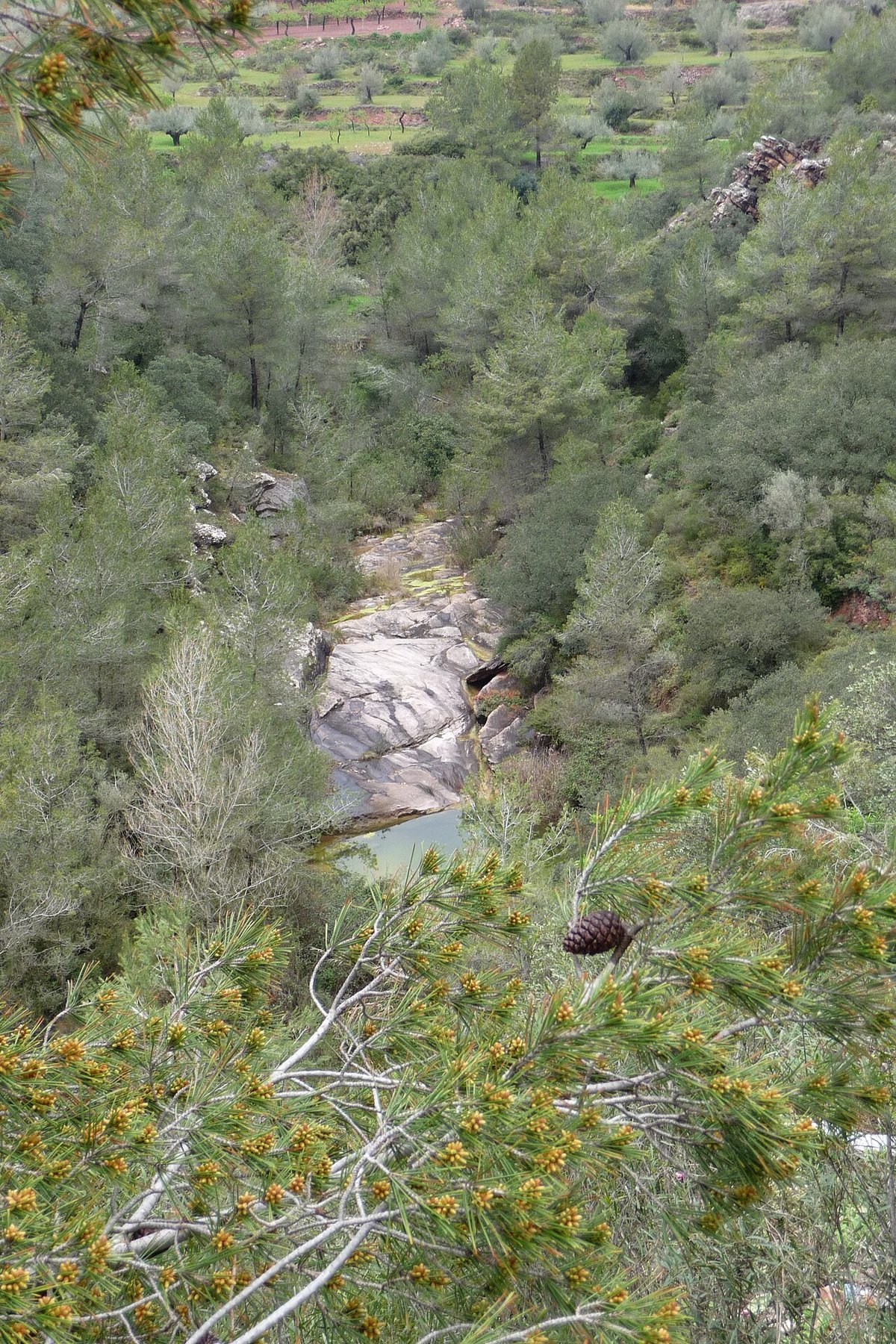
Birth of the Tuéjar river with the Azud as a spectacular swimming spot
Hide article Read full article
An Afternoon Light in Los Serranos
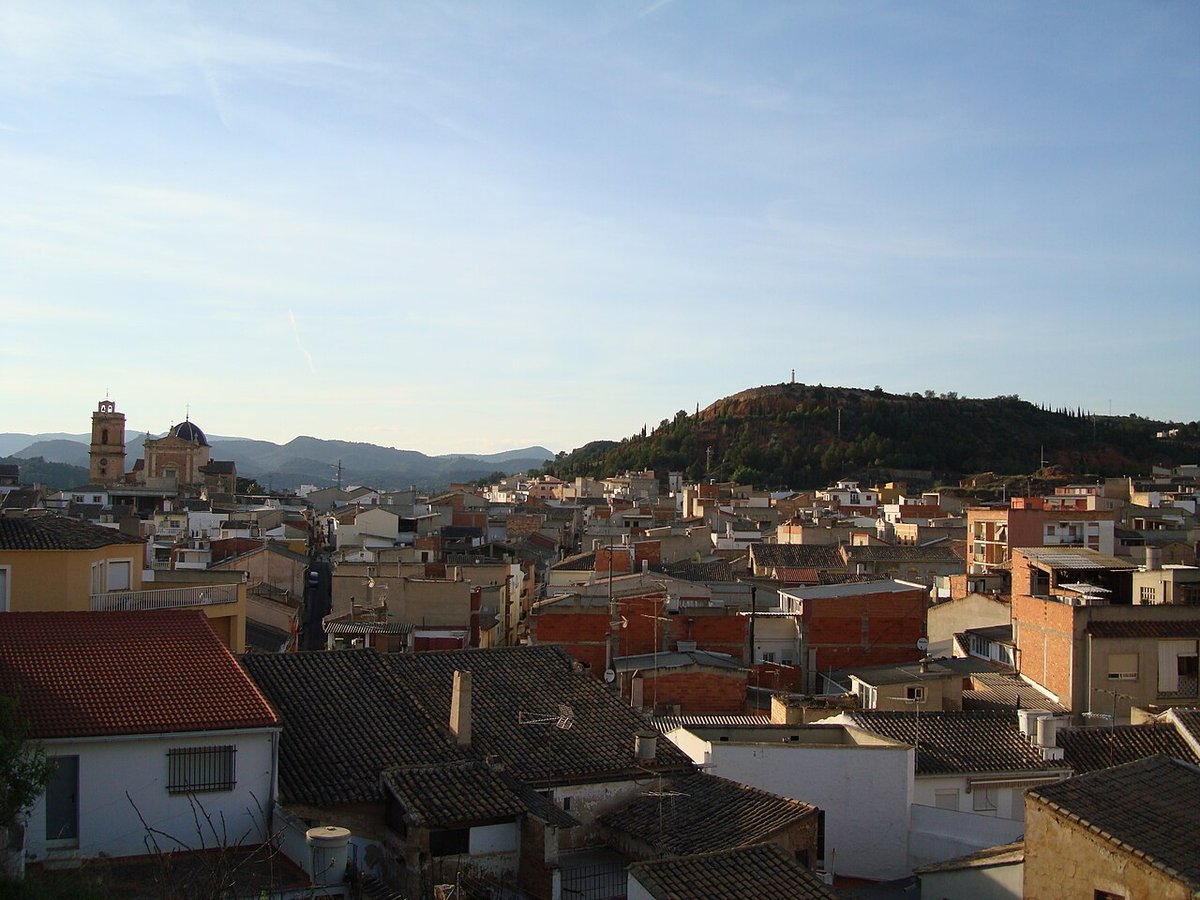
By mid-afternoon, when the sun tilts across the sierra, the white façades of Tuéjar throw back a dry, almost chalky light. In some streets you hear water before you see it. It slips from a fountain, turns along a short acequia, an irrigation channel, and disappears between old walls. A walk through Tuéjar, in the comarca of Los Serranos, often begins like this: following that sound and letting the village set the pace.
With just over a thousand inhabitants, Tuéjar rests on a gentle slope surrounded by pine woods. It is not large. You can cross the centre in ten minutes, yet slowing down reveals more. A worn bench beside a doorway, the smell of firewood in winter, half-lowered shutters when the heat of July settles in. Everyday details shape the atmosphere more than any single monument.
The layout feels compact and lived-in. Streets rise and dip slightly. Corners open onto small spaces where neighbours pause to talk. The scale encourages wandering without a plan, guided by light and shade rather than signposts.
Around the Church of San Juan Bautista
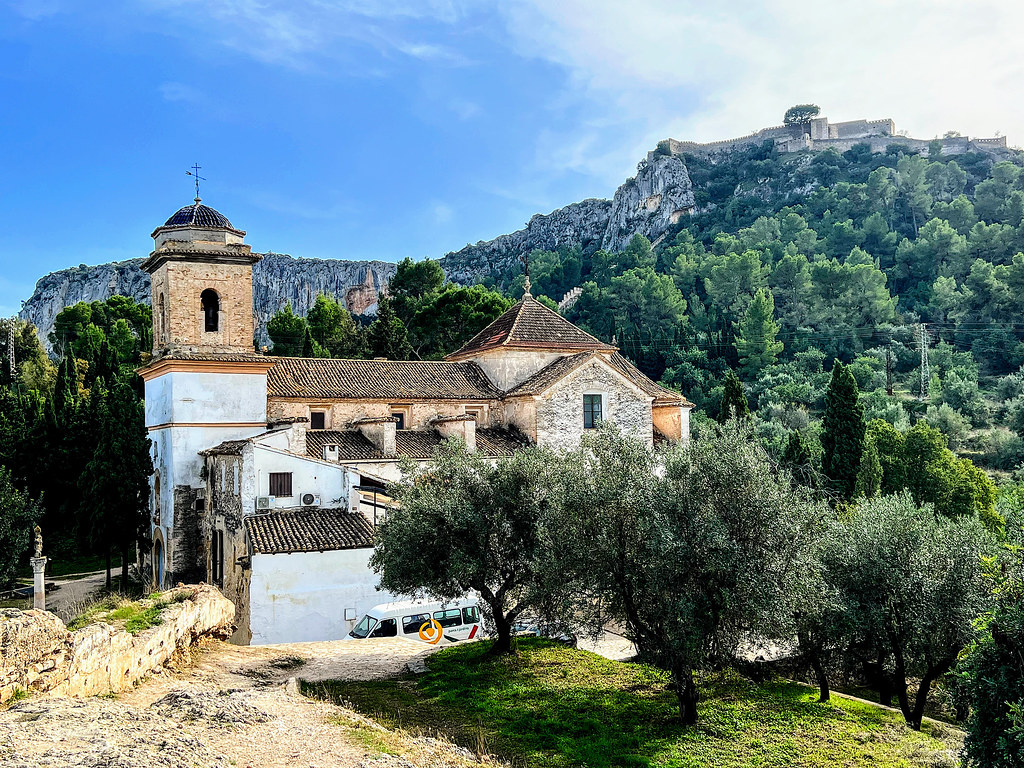
At the heart of the old quarter stands the iglesia de San Juan Bautista. Its volume is easy to pick out because the bell tower rises above the surrounding roofs. The current building is usually dated to the 16th century, although it has undergone alterations over time.
The oldest streets tangle around the church. They are narrow and gently sloping. Some houses still keep wide wooden doors and iron balconies where hooks remain for flowerpots or lines. Early in the morning, before the sun fully reaches the façades, the whitewashed walls reflect a cool light that makes the quiet feel deeper.
There is no grand separation between religious and daily life here. The church sits within the same network of streets where people live, shop and meet. Passing through at different times of day changes the mood. In the first hours of light, footsteps echo more sharply. Later, as the day warms, doors open and the rhythm shifts.
Fountains and the Presence of Water
Water appears at several points within the urban area. Small fountains, some with inscriptions now worn smooth, were for a long time places of daily gathering. They still mark natural pauses in a walk through the village.
In summer they are especially welcome. Air moves little between the narrow streets and the coolness around damp stone is immediate. At certain hours small groups of neighbours form, stopping to talk while filling bottles or resting for a moment. The sound of running water softens conversations and draws people in.
These fountains are modest in scale. Their importance lies less in design than in use. For generations they provided practical access to water and a reason to step outside. Even now, they offer relief during the hottest months and a meeting point that requires no arrangement.
The Slopes and Pines of Los Serranos
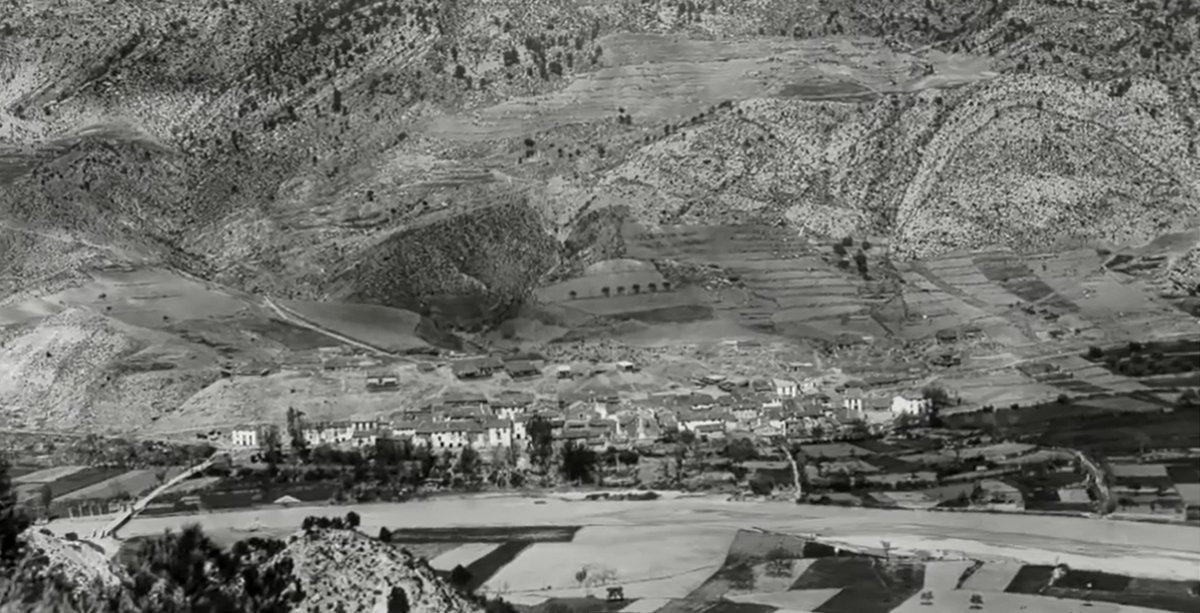
Step beyond the last houses and the landscape changes quickly. Pine forests begin, mainly carrasca, with patches of rodeno adding variation in colour and texture. Among the trees, old terraces supported by dry stone walls can still be seen. Many are no longer cultivated, yet they continue to shape the slope.
From some of the higher points north of the village the view opens towards the surrounding sierras. On clear days a succession of pine-covered hills stretches out, broken occasionally by a clearing where corrals or old tracks appear. The sense of space contrasts with the tight weave of the streets below.
The marks of past agricultural work remain legible in the terrain. Terraces trace horizontal lines across inclines that would otherwise be difficult to farm. Even where crops have disappeared, these structures define the character of the hillside and speak of a different rhythm of life tied to the land.
Walking Out from Tuéjar
Several routes start directly from the village and head into the hills. Some follow former agricultural paths, others climb towards natural viewpoints overlooking the valley. There is no need for a vehicle to begin exploring. The transition from stone walls to forest floor happens within minutes.
In the hotter months it is wise to set out early. In July and August the sun gains strength quickly and there are stretches with little shade. By contrast, autumn brings a change in scent: damp pine, turned earth, dry leaves underfoot. The air feels heavier, and the colours shift subtly.
At that time of year it is common to see people searching for mushrooms in the nearby pine woods. The appearance of níscalos, a type of saffron milk cap prized in Spanish cooking, depends largely on the pattern of rainfall. In some areas mushroom gathering coincides with hunting days, so it is advisable to check local information before heading out.
Walking here is less about ticking off landmarks and more about noticing transitions. The village gives way to terraces, terraces to pines, pines to open views. Each layer is close to the next.
Festivities and the Village Calendar
The main celebrations revolve around San Juan Bautista, the patron saint of the municipality. They usually take place towards the end of June and combine religious events with open-air dances and gatherings in the street. For a few days, routines are set aside and the centre fills with activity.
Summer also brings cultural events organised by the town council or local associations. They are simple in format: small concerts, neighbourhood meetings, displays of trades that are still remembered in the comarca. These occasions reflect a desire to maintain connections between generations and to keep certain skills visible.
Those seeking quiet may prefer to avoid the central days of August. Many people return for their holidays and the atmosphere changes noticeably. Streets that are subdued for much of the year become busier, and evenings stretch later.
Getting There and Choosing the Season
Tuéjar lies just over an hour by car from the city of Valencia. The final stretch runs along regional roads that pass through several villages in Los Serranos. The journey gradually leaves the coastal plain behind and enters more rugged terrain.
Spring and autumn are often the most comfortable times for walking in the area. Temperatures tend to be moderate and the light softens the slopes surrounding the village. In winter, cold air drops down from the sierra. Summer requires adjustment: early starts or late afternoon outings, when the sun eases and the white façades once again catch a gentler glow.
Tuéjar does not overwhelm with scale or spectacle. Its appeal lies in proportion, in the nearness of water and forest, in streets that reveal themselves slowly. Follow the sound of a fountain, take the path that climbs beyond the last house, pause where the view opens north. The village and its landscape unfold at their own speed, asking only that visitors do the same.